
Skiing is a sport that depends deeply on the weather. If you ask skiers about their perfect day on the slopes, you’ll hear many different answers. Some love bright, sunny skies, while others wait for heavy snowfalls. But what really is the best weather for skiing?
Whether you’re a beginner or a seasoned pro, understanding how weather affects your day on the mountain can turn a good trip into an unforgettable experience. Let’s explore what makes for ideal ski conditions, what to avoid, and how to get the most out of every run.
What Makes Weather “best” For Skiing?
The idea of the best weather for skiing isn’t the same for everyone. However, some key factors create safer, more enjoyable, and higher-quality skiing. These include:
- Snow quality: The type and amount of snow on the ground
- Temperature: How cold or warm it is during the day
- Visibility: How well you can see on the slopes
- Wind: How strong the wind is and its direction
- Sunlight: Clear or cloudy skies
Each factor changes how the slopes feel and how safe they are. Let’s take a closer look at each element.
The Importance Of Snow Quality
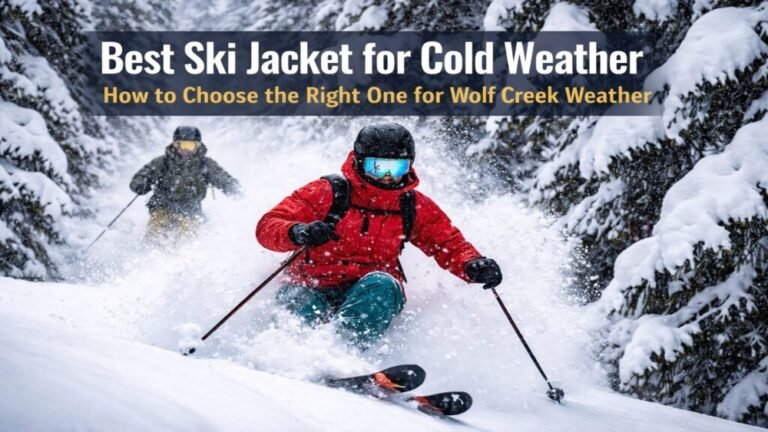
Skiing is only as good as the snow beneath your skis. The best weather for skiing usually comes right after a fresh snowfall — what many call a “powder day.” Powder snow is light, soft, and forgiving. It’s fun to ski and easier to turn in, especially for intermediate and advanced skiers.
| Snow Type | Feel Under Ski | Best For |
|---|---|---|
| Powder | Soft, fluffy | All skill levels (especially advanced) |
| Packed powder | Firm, but still forgiving | Beginners and intermediates |
| Ice/hardpack | Slippery, hard | Advanced skiers |
| Slush | Wet, heavy | Spring skiing, terrain parks |
Fresh powder is usually best, but packed powder also provides a stable and smooth ride, perfect for beginners. Icy conditions (hard snow that has melted and frozen again) can be tricky and even dangerous, especially for those still learning.
Ideal Temperature For Skiing
Temperature changes everything about a ski day. The sweet spot for most skiers is between -6°C and -1°C (21°F to 30°F). At these temperatures:
- Snow stays dry and powdery
- Ice does not form easily
- It’s not too cold to enjoy the day
If it’s much colder than -10°C (14°F), the snow can get too hard, and being outside for long is uncomfortable or even risky. If it’s warmer than 2°C (36°F), snow can melt, turning into heavy slush or even ice as it refreezes overnight.
Many skiers are surprised to learn that warmer, sunny days can look inviting but often mean worse snow quality. The sun melts the top layer, which then freezes into ice at night. So, don’t judge a ski day only by the blue sky — temperature matters more.
Visibility: See Where You’re Going
Imagine flying down a mountain but not being able to see more than a few meters ahead. Good visibility is key for safety and fun.
The best visibility often comes with clear or partly cloudy skies. If there’s heavy fog, thick snowfall, or low clouds, it’s hard to see bumps, other people, or even the edge of the trail. This can make skiing dangerous, especially at higher speeds.
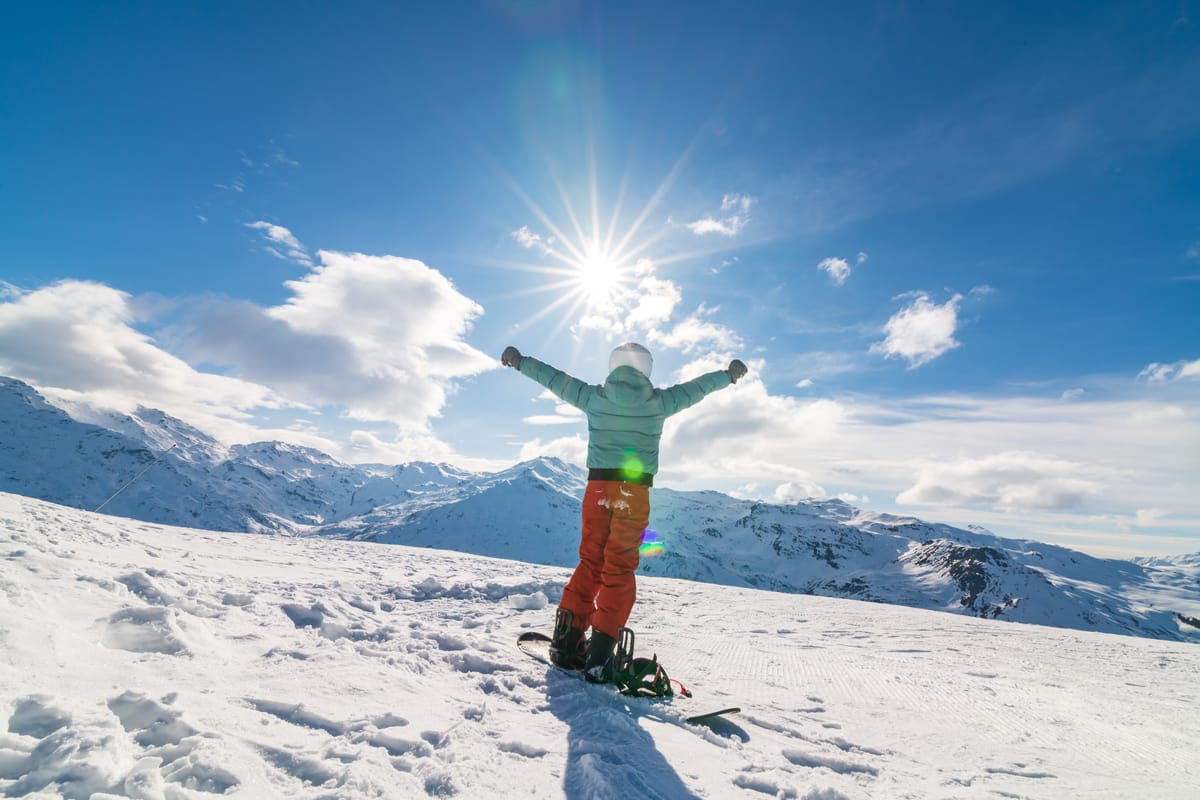
Some of the best days come after a storm clears out, leaving behind bluebird skies (clear blue sky) and fresh snow. These days are so popular that ski resorts often fill up quickly.
Wind: Friend Or Foe?
Wind has a big impact on skiing, often in ways beginners don’t expect. Strong winds can:
- Close chairlifts and gondolas for safety reasons
- Blow snow off exposed slopes, creating ice patches
- Make the air feel much colder (wind chill)
Gentle breezes are fine, but wind speeds over 30 km/h (about 19 mph) can start to cause problems. Always check the forecast before you head to the mountain. Some resorts post wind data online or on their apps.
Sunlight And Cloud Cover
While sunshine feels great, it’s not always best for skiing. Too much sun can create glare, melt snow, and cause sunburn. On the other hand, overcast days can keep snow in better shape, but flat light (when there are no shadows) can make it hard to see terrain changes.
Many skiers love the balance of partly cloudy skies — enough sun for warmth and visibility, enough clouds to keep snow fresh and reduce glare.
How Weather Affects Different Skiers
Not all skiers want the same thing. Beginners, families, and experts all look for different weather conditions.
Beginners And Families
For new skiers, mild temperatures and packed powder are best. Visibility should be good, and wind should be light. Icy days or storms make learning harder and less safe.
Intermediate And Advanced Skiers
Experienced skiers chase powder days — when 15–30 cm (6–12 inches) of new snow falls overnight. They have the skills to handle deeper snow and love the challenge. These skiers are also more comfortable with low visibility or colder days.
Freestyle And Park Skiers
Those who prefer terrain parks often like warmer, spring-like weather. Soft slushy snow is easier for landings and tricks.
How To Read A Ski Weather Forecast
Knowing how to read a weather forecast can help you plan the best ski day. Look for these key details:
- Snowfall amounts (in cm or inches)
- Temperature highs and lows
- Wind speeds
- Cloud cover
- Avalanche risk (for off-piste skiing)
Many weather sites or ski apps give detailed mountain forecasts. Weather Underground is a trusted source for ski weather worldwide.
The Role Of Altitude And Location
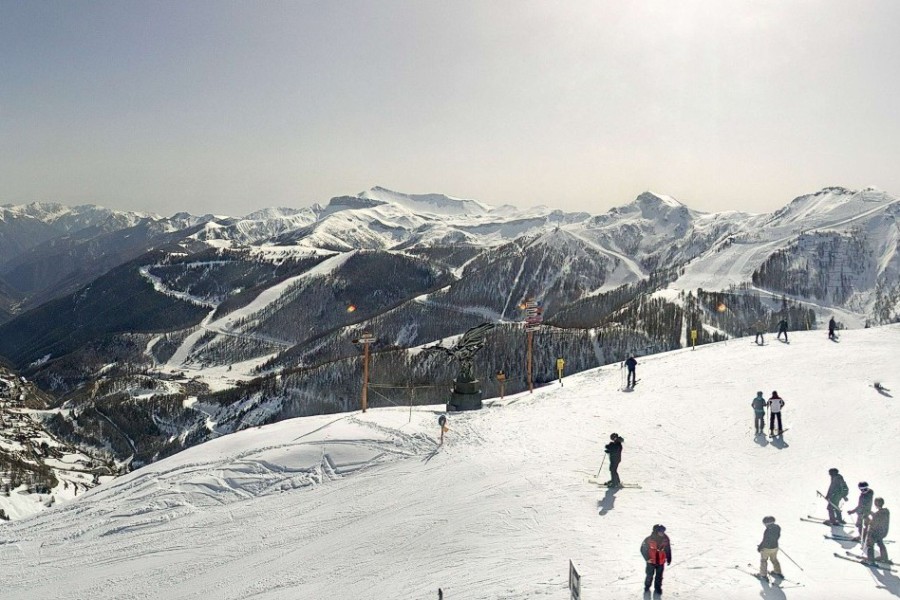
The best weather for skiing can also depend on altitude (how high the resort is) and location. Resorts at higher altitudes tend to have:
- Colder, more stable temperatures
- Drier, lighter snow (called “champagne powder” in North America)
- Less risk of rain or slush
Lower resorts, especially in warmer regions or late in the season, may have more wet snow, icy mornings, and slushy afternoons.
For example, resorts in the Rocky Mountains or the Alps are famous for great snow because of their elevation and climate. Coastal mountains (like the Pacific Northwest) can get heavy, wet snow called “Sierra Cement.”
Comparing Weather Conditions: A Quick Guide
Here’s a side-by-side look at how different weather conditions affect your ski day.
| Condition | Pros | Cons | Who Loves It? |
|---|---|---|---|
| Powder day (fresh snow, cold temp) | Soft, fun, best snow quality | Low visibility, avalanche risk | Advanced skiers |
| Bluebird day (sunny, cold, packed powder) | Great views, good snow | Sunburn, glare | All skiers |
| Warm, spring day (above freezing) | Comfortable, soft snow in afternoon | Slush, ice in morning | Park skiers, families |
| Icy day (cold after melt/freeze) | Fast skiing | Hard falls, tough for beginners | Racers, experts |
Two Surprising Weather Insights
Many beginners think the best ski day is always sunny, but two lesser-known truths exist:
- Cloudy days can be better for snow quality. When the sun stays behind clouds, the snow stays powdery for longer. Blue skies might look pretty, but they can ruin snow by midday.
- Wind direction matters. A strong wind blowing up the mountain (headwind) makes skiing feel much colder and can even slow you down. But a wind at your back can speed you up and feel warmer.
These small details can make a big difference in your experience.
Safety: When Weather Becomes Dangerous
Not all weather is safe for skiing. Avoid the slopes if you see:
- Blizzard warnings (whiteout, zero visibility, high avalanche risk)
- Freezing rain (creates solid ice)
- Strong winds (over 50 km/h or 31 mph)
If you ever feel unsure, talk to ski patrol or check the resort website before heading out.
How To Prepare For Different Weather
Even with a perfect forecast, mountain weather can change fast. Here’s how to prepare:
- Dress in layers: Weather changes quickly on the mountain. Wear a base layer, warm mid-layer, and a waterproof shell.
- Goggles with multiple lenses: Use dark lenses for sun and yellow/orange for flat light or fog.
- Sun protection: Always wear sunscreen, even on cloudy days.
- Check the forecast hourly: Weather can shift quickly, so keep your phone handy.
- Know your limits: If the weather feels unsafe or visibility drops, take a break inside.
The Best Weather For Specific Types Of Skiing
Not all skiing is downhill on groomed runs. Here’s how weather affects other types:
Cross-country Skiing
- Cool, dry weather is best.
- Fresh, packed snow makes for easy gliding.
- Avoid wet, heavy snow — it’s harder to move.
Backcountry Skiing
- Stable weather is key.
- Check avalanche forecasts after storms or rapid temperature changes.
- Bluebird days after fresh snow are popular but also risky due to avalanches.
Night Skiing
- Clear, cold nights with little wind are ideal.
- Be aware: Snow can turn icy after sunset.
How Resorts Make The Most Of Weather
Modern ski resorts use snowmaking machines to create snow during dry spells or warm weather. This means you can often ski even when natural snow is low, but the feel is not the same as real powder.
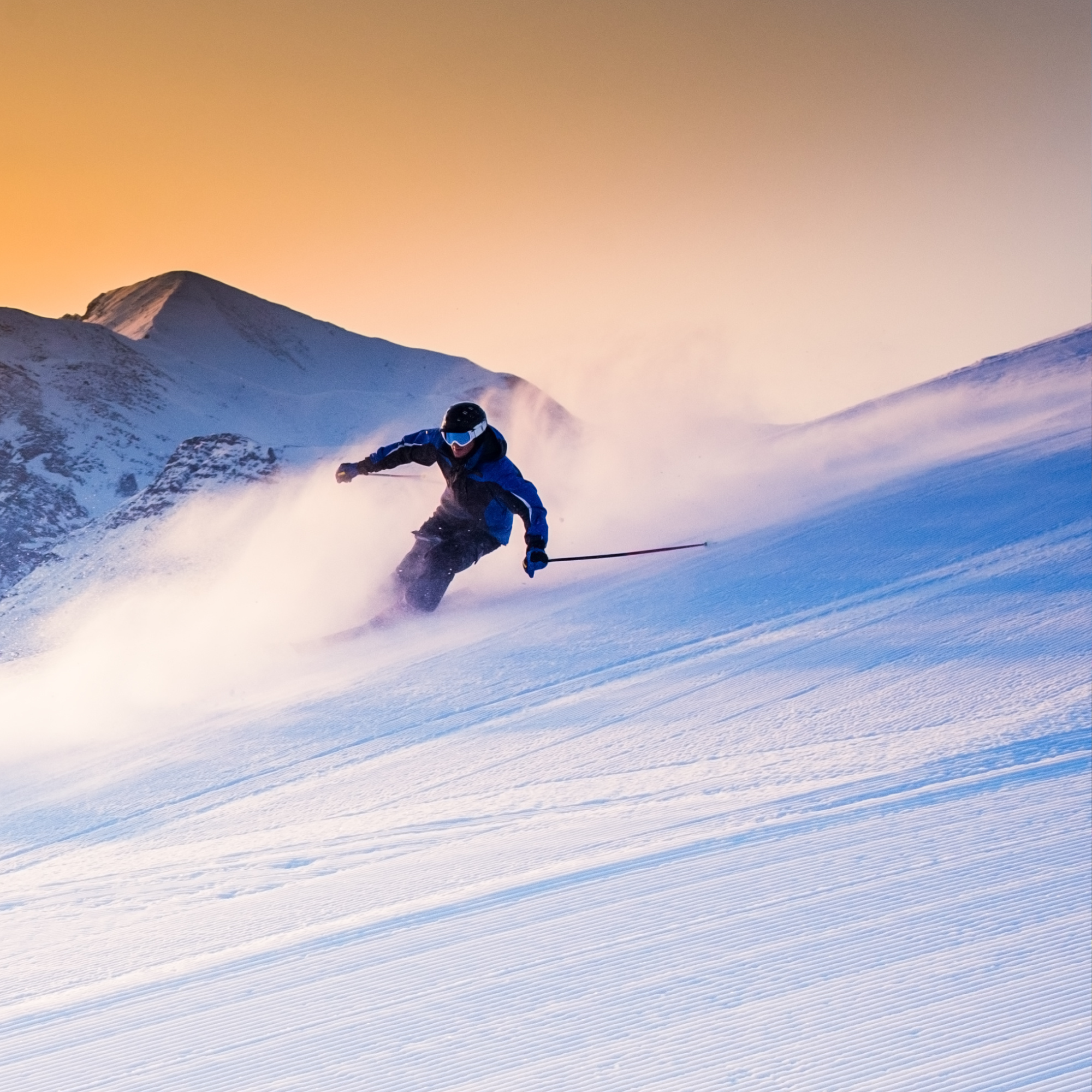
Some resorts also “groom” the slopes, using machines to smooth and pack the snow overnight. The best days often come after a night of fresh snow and early grooming.
When Is The Best Time Of Year For Ski Weather?
In most parts of the world, the best ski weather happens from mid-January to early March. By then, resorts have a solid base of snow, storms bring fresh powder, and temperatures are cold enough to keep snow light and dry. Avoid the very start and end of the season when snow can be thin or wet.
Frequently Asked Questions
What Temperature Is Too Cold To Ski?
Most people find skiing in temperatures below -20°C (-4°F) uncomfortable or even dangerous. Risks include frostbite and hypothermia, especially if it’s windy. Dress in layers and cover all skin if you must ski on very cold days.
Is It Safe To Ski During A Snowstorm?
Light snow is fine, but heavy snowstorms can reduce visibility and increase avalanche risk. Always check resort updates and avalanche warnings before skiing in a storm.
Why Do Some Skiers Like Skiing In The Fog?
Some experienced skiers enjoy foggy days because fewer people are on the slopes, and fresh snow lasts longer. However, beginners should avoid foggy days due to poor visibility.
What Is “bluebird” Weather In Skiing?
A bluebird day is when the sky is clear and blue, often after a night of fresh snow. These days are popular because of great visibility, beautiful scenery, and good snow conditions.
Can You Ski In The Rain?
Skiing in rain is not recommended. Rain makes snow wet and heavy, increases the risk of ice, and can ruin equipment. If rain is in the forecast, consider waiting for colder, drier weather.
Skiing is special because every day on the mountain is different. By understanding how weather affects the slopes, you can choose the best days to ski, avoid risks, and create memories you’ll never forget.
