
Scuba diving is more than a sport—it’s a gateway to a world few people ever see. Underwater, colors are brighter, creatures are stranger, and the silence is unforgettable. But with so many places offering clear water and rich marine life, it can be hard to decide: What is the best place for scuba diving in the world? The answer depends on what you want to see, your experience, and even the time of year. Let’s dive deep into the world’s top scuba locations, what makes them unique, and how you can choose the right spot for your next underwater adventure.
What Makes A Scuba Diving Destination “the Best”?
People often ask, “Where is the best diving in the world?” The truth is, there’s no single answer. Some divers want to see big animals like sharks or manta rays. Others prefer colorful coral reefs or mysterious shipwrecks. There are a few things all great dive spots share:
- Clear water for good visibility
- Rich marine life with many species
- Healthy coral reefs or unique underwater landscapes
- Easy access and safety
But sometimes, it’s the little things—a rare fish, the way sunlight dances underwater, or a friendly local guide—that make a spot unforgettable.
Top 10 Best Places For Scuba Diving In The World
After comparing dozens of locations, these ten sites stand out for their beauty, variety, and unforgettable experiences. Let’s explore what makes each one special.
1. The Great Barrier Reef, Australia
The Great Barrier Reef is the world’s largest coral reef system, stretching over 2,300 kilometers. It’s home to more than 1,500 fish species and 400 kinds of coral. Divers see turtles, rays, sharks, and sometimes dwarf minke whales.
Why it’s special:
It’s the only living thing visible from space, and you can find both easy and challenging dives. The colors and variety are unmatched.
Practical tip:
Visit between June and October for the best visibility and weather.
2. Raja Ampat, Indonesia
Located in West Papua, Raja Ampat is famous for its biodiversity. Scientists say it has the most coral and fish species in the world. Here, you can spot wobbegong sharks, manta rays, and pygmy seahorses.
Why it’s special:
The underwater scenery looks untouched, and you can dive with few other people around. Reefs are healthy and full of life.
Non-obvious insight:
Currents can be strong, so it’s better for intermediate or advanced divers.
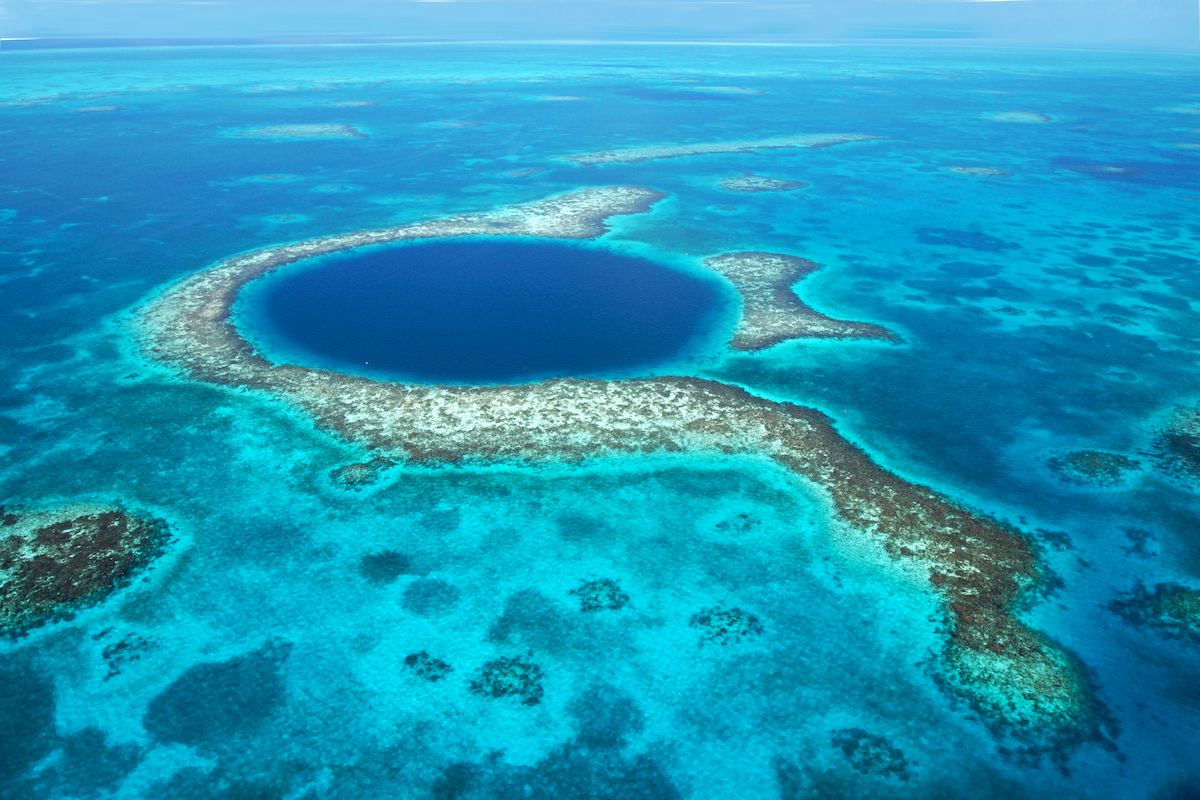
3. Blue Hole, Belize
The Great Blue Hole is a giant sinkhole, more than 300 meters across and 124 meters deep. Diving here feels like flying into the unknown, with strange limestone formations and deep blue water.
Why it’s special:
The site is one of the most famous in the world. You might see reef sharks and impressive stalactites under the surface.
Practical tip:
The best time to visit is from April to June.
4. Galápagos Islands, Ecuador
The Galápagos are known for big animals: hammerhead sharks, sea lions, whale sharks, and giant turtles. Visibility isn’t always perfect, but the animal encounters are breathtaking.
Why it’s special:
It’s a UNESCO World Heritage site, and many species are found nowhere else.
Non-obvious insight:
The water can be cold and currents strong. Bring a thicker wetsuit, even though the islands are on the equator.
5. Red Sea, Egypt
The Red Sea has clear, warm water and bright coral. Sites like Ras Mohammed and the Thistlegorm wreck are famous among divers. You’ll see huge schools of fish, dolphins, and sometimes even sharks.
Why it’s special:
It’s easy to reach from Europe, and diving is affordable compared to many top sites.
Practical tip:
Avoid the hottest months (July and August) for more comfortable diving.
6. Palau, Micronesia
Palau offers blue holes, WWII wrecks, and coral walls. The most famous spot is Blue Corner, where currents bring in sharks, barracuda, and turtles.
Why it’s special:
You can see dozens of sharks on a single dive and drift along amazing walls.
Non-obvious insight:
Many dives use reef hooks, so ask your guide how to use them safely before going.
7. Sipadan, Malaysia
Sipadan is a small island but a giant in the diving world. Jacques Cousteau called it “an untouched piece of art.” You’ll find turtles, big schools of barracuda, and reef sharks.
Why it’s special:
Numbers are limited to protect the reef, so it never feels crowded.
Practical tip:
Book your permit months ahead, as only 120 divers can visit each day.
8. Maldives
The Maldives is a paradise of white sand and clear blue water. Underwater, you’ll find manta rays, whale sharks, and colorful reefs.
Why it’s special:
Many resorts have house reefs, so you can dive right from the beach. Drift dives with strong currents are common.
Non-obvious insight:
Visit during the dry season (December to April) for the best visibility.
9. Cocos Island, Costa Rica
Cocos Island is remote—over 500 kilometers from the mainland. It’s famous for big animal encounters: hammerhead sharks, rays, and even whale sharks.
Why it’s special:
It’s a UNESCO site and only accessible by liveaboard boat.
Practical tip:
Not for beginners—currents can be strong, and dives are deep.
10. Bonaire, Caribbean Netherlands
Bonaire is known as the shore diving capital of the world. You can rent a truck, drive to over 60 marked dive sites, and walk into the water.
Why it’s special:
It’s easy, relaxed, and great for all levels. The reefs are healthy, and the island is quiet.
Non-obvious insight:
Night diving here is excellent—look for glowing plankton and octopuses.

Comparing The Best Dive Destinations
To help you choose, here’s a quick comparison of water temperature, best season, and what you’ll see in each location:
| Destination | Water Temp (°C) | Best Season | Highlights |
|---|---|---|---|
| Great Barrier Reef | 24-29 | June–Oct | Coral, turtles, reef sharks |
| Raja Ampat | 27-30 | Oct–Apr | Biodiversity, mantas |
| Blue Hole | 26-29 | Apr–Jun | Stalactites, reef sharks |
| Galápagos | 18-25 | Jun–Dec | Sharks, sea lions |
| Red Sea | 22-29 | Mar–May, Sep–Nov | Wrecks, dolphins |
What Kind Of Diver Are You?
Not all dive spots are right for everyone. Here’s a quick look at which site might suit you best:
| Experience Level | Best Destinations | Why? |
|---|---|---|
| Beginner | Bonaire, Great Barrier Reef, Maldives | Easy access, calm water, shallow reefs |
| Intermediate | Raja Ampat, Red Sea, Sipadan | Some currents, more advanced sites |
| Advanced | Galápagos, Cocos Island, Palau | Strong currents, deep dives, big animals |
How To Choose Your Perfect Dive Destination
With so many beautiful places, how do you choose just one? Here are a few key points to consider before booking your next trip:
- Budget: Some places, like the Maldives or Galápagos, can be expensive. Others, such as the Red Sea or Bonaire, offer great value.
- Travel time: If you have limited vacation days, choose a destination with direct flights or short connections.
- Type of diving: Do you want to see big animals, colorful reefs, or shipwrecks? Each location has its own specialty.
- Diving experience: Match the site to your skill level. If you’re new, avoid spots with strong currents.
- Season: Check when the weather and underwater conditions are best. Some places have rainy seasons or rough seas.
- Health and safety: Make sure you have proper insurance, and always follow local guidelines.
Pro tip: Talk to other divers or check recent reports online. Conditions and marine life can change from year to year.
Hidden Gems: Lesser-known Dive Spots
While the ten sites above are world-famous, there are many “hidden” gems that offer fantastic diving without crowds:
- Tubbataha Reefs, Philippines: A remote UNESCO site with sharks, turtles, and pristine coral.
- Silfra Fissure, Iceland: Dive between two continents in crystal-clear (but cold!) Water.
- Mozambique: Whale sharks, mantas, and colorful reefs off the beaten path.
These spots may not make every “top ten” list, but for adventurous divers, they are unforgettable.
Common Mistakes When Planning A Dive Trip
Even experienced divers can make mistakes when planning a trip. Here are a few to avoid:
- Not checking the season: Some spots look perfect in photos but have poor visibility or bad weather at certain times.
- Ignoring travel requirements: Some places need special permits (like Sipadan) or have strict entry rules.
- Overestimating your skill: Strong currents, deep dives, and cold water can be tough. Be honest about your experience.
- Forgetting travel insurance: Medical care in remote areas can be expensive. Always get coverage for diving.
The Magic Of Scuba Diving: More Than Just Fish
Many people start diving to see coral reefs or big animals, but the magic goes deeper. Underwater, you disconnect from daily stress, move slowly, and feel part of a different world. It’s peaceful, exciting, and sometimes a little scary—but always unforgettable.
One thing beginners often miss: Respect for local rules and marine life is as important as your diving skills. Never touch animals or coral, and learn how to control your buoyancy before visiting fragile sites.
:max_bytes(150000):strip_icc()/heron-island-australia_SCUBA1222-153f56ed14774200b553c59538b715e1.jpg)
Frequently Asked Questions
What Is The Best Month For Scuba Diving Worldwide?
There’s no single best month, as seasons vary by location. Generally, dry seasons (like June to October in the Great Barrier Reef or December to April in the Maldives) offer the best visibility and calm seas.
Do I Need A Certification To Dive At These Top Destinations?
Yes, most top dive sites require at least an Open Water certification. Some places with strong currents or deep dives, like the Galápagos or Cocos Island, require Advanced Open Water or higher.
How Much Does A Diving Trip Cost?
Prices vary widely. A budget trip to the Red Sea can cost as little as $800 for a week, while a luxury liveaboard in the Galápagos or Maldives can cost $4,000 or more. Factor in gear rental, permits, and flights.
Which Destination Is Best For Seeing Sharks?
The Galápagos, Cocos Island, and Palau are famous for shark encounters, especially hammerhead and reef sharks. The Great Barrier Reef and Red Sea also offer chances to see sharks.
Where Can I Find More Information About The World’s Best Dive Sites?
A reliable source for more details and planning tips is the Wikipedia page on scuba diving.
Scuba diving can take you to the world’s most beautiful and remote places. Whether you love coral gardens, big animals, or exploring shipwrecks, there’s a perfect spot waiting for you. Choose carefully, plan ahead, and you’ll discover an underwater world beyond imagination.
