
Are you ready to start working out at home but don’t know where to begin? Finding the best home gym routine for beginners can feel confusing.
You want a plan that’s simple, effective, and fits your busy life. Imagine having a clear step-by-step routine that helps you build strength, boost energy, and feel great—without wasting time or getting overwhelmed. You’ll discover exactly how to create that routine, tailored just for you.
Keep reading, and you’ll soon have the confidence to take control of your fitness right from your own home.
Setting Goals For Your Home Gym
Setting clear goals helps you stay focused in your home gym workouts. Goals give you a reason to keep going and track your success.
Without goals, it is easy to lose motivation. Take time to plan what you want to achieve before you start exercising.
Choosing Fitness Objectives
Pick fitness goals that fit your needs and lifestyle. Your objectives should be realistic and easy to measure.
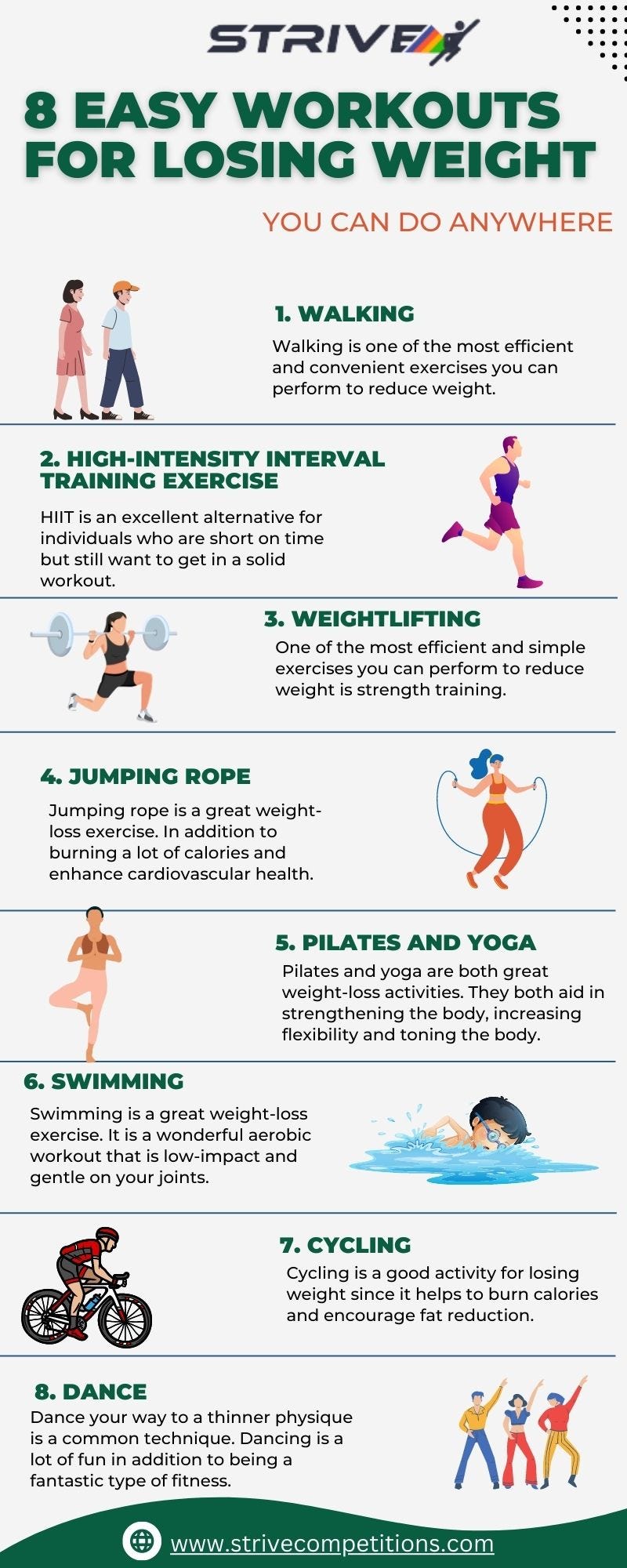
Common goals include losing weight, building strength, or improving endurance. Choose one or two to focus on at first.
- Weight loss: aim to reduce body fat steadily
- Strength: increase how much you can lift
- Endurance: improve how long you can exercise
- Flexibility: work on stretching and joint movement
- General health: boost overall fitness and energy
Tracking Progress Effectively
Keep track of your workouts and results to see how you improve. Tracking helps you adjust your routine as needed.
Use simple tools like a notebook or an app to record your exercises, sets, and reps. Note your body changes too.
- Write down the date and exercises done
- Record weights, sets, and repetitions
- Measure body weight or inches regularly
- Note how you feel after workouts
- Adjust goals if progress is slow or fast
Essential Equipment For Beginners
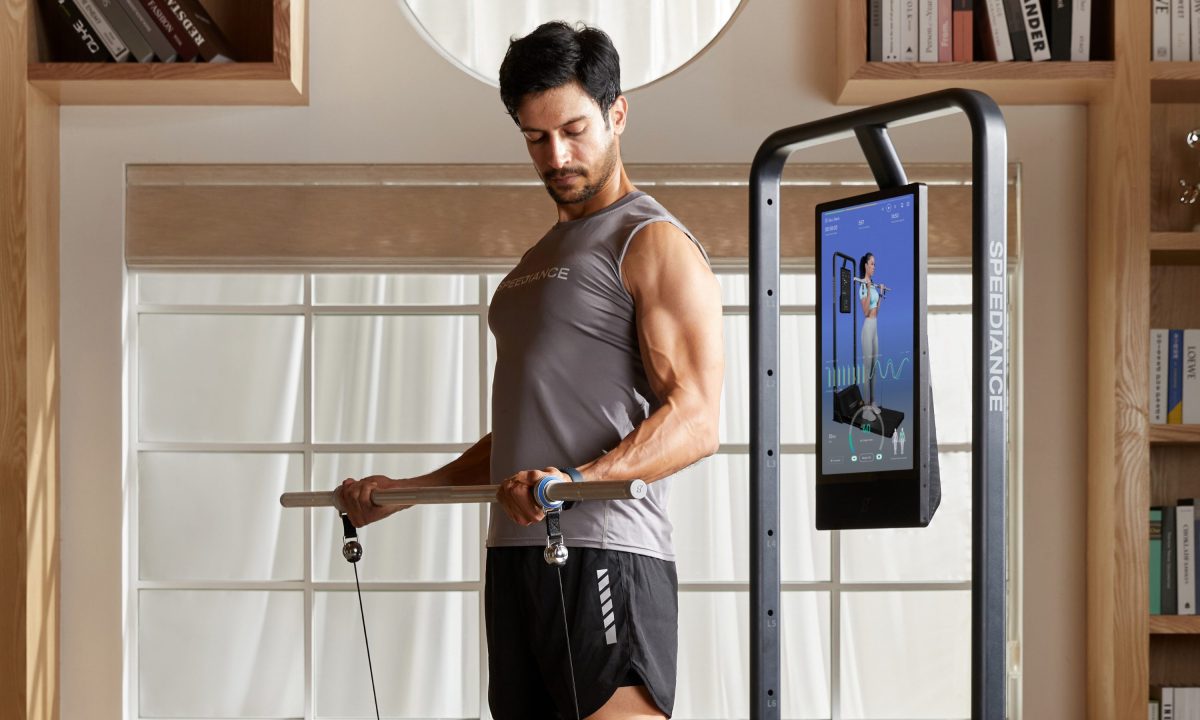
Starting a home gym can be simple and affordable. You only need some basic equipment to begin your workouts.
This equipment helps you do different exercises safely and effectively at home.
Budget-friendly Options
You do not have to spend a lot to start a home gym. Some equipment is cheap but very useful for beginners.
These tools help you build strength and improve fitness without high costs.
- Resistance bands: They are light and good for many exercises.
- Jump rope: Great for cardio and very inexpensive.
- Yoga mat: Provides comfort and support for floor exercises.
- Adjustable dumbbells: Save space and money by combining weights.
- Bodyweight exercises: Use your own body without any equipment.
Versatile Tools For Multiple Workouts
Choosing tools that work for many exercises saves space and time. These items help you train different muscle groups.
They let you do strength, cardio, and flexibility workouts all in one place.
- Adjustable dumbbells: Use for curls, presses, and rows.
- Resistance bands: Good for stretching, strength, and rehab exercises.
- Stability ball: Helps with balance, core, and flexibility.
- Pull-up bar: Works arms, back, and shoulders.
- Kettlebell: Useful for swings, squats, and cardio moves.
Warm-up And Stretching Tips
Starting a home gym routine is easier with a good warm-up and stretching. These prepare your body for exercise and help prevent injuries.
Spending a few minutes warming up and stretching improves your workout performance. It also reduces muscle soreness later.
Simple Warm-up Exercises
Warm-up exercises increase your heart rate and blood flow. They help your muscles get ready to work hard.
- Jumping jacks: Do 30 seconds to get moving.
- Arm circles: Move arms forward and backward for 30 seconds.
- Leg swings: Swing each leg forward and backward 10 times.
- Marching in place: Lift knees high for one minute.
These exercises are easy and need no equipment. They activate your whole body gently before exercise.
Key Stretching Techniques
Stretching increases flexibility and reduces muscle tightness. Focus on major muscle groups used in your workout.
- Hamstring stretch: Sit and reach for your toes for 15 seconds.
- Quadriceps stretch: Stand and pull one foot to your buttocks for 15 seconds.
- Shoulder stretch: Bring one arm across your chest and hold it with the other arm.
- Calf stretch: Place hands on a wall and step one foot back, keeping it straight.
Hold each stretch gently without bouncing. Stretch both sides of your body equally for balance.

Full-body Workout Plan
Starting a home gym routine can be easy and effective. A full-body workout helps beginners build strength and stay active.
This plan includes strength training, cardio, and exercises for core and flexibility. It works all major muscle groups.
Strength Training Basics
Strength training helps build muscle and improve bone health. Use light weights or bodyweight to start.
Focus on major muscle groups like legs, back, chest, and arms. Perform each exercise with good form.
- Squats for legs and glutes
- Push-ups for chest and arms
- Dumbbell rows for back
- Planks for core strength
Incorporating Cardio
Cardio improves heart health and burns calories. Beginners should aim for moderate activities.
Choose exercises that get your heart rate up but feel comfortable. Include cardio 3 times a week.
- Jumping jacks
- Brisk walking or jogging in place
- High knees
- Jump rope
Core And Flexibility Moves
Strong core muscles support your whole body. Flexibility reduces injury risk and improves movement.
Include exercises that stretch and strengthen your core and muscles. Practice these after workouts.
- Plank holds
- Bird-dog exercise
- Seated hamstring stretch
- Cat-cow stretch
Scheduling Your Workout Routine
Creating a workout schedule helps beginners stay consistent. It also makes exercise easier to follow daily.
Good scheduling balances workout days and rest days. This balance supports progress and prevents injury.
Optimal Frequency And Duration
Start with three to four workouts each week. Each session should last 30 to 45 minutes.
This frequency allows your body to adapt without feeling too tired. Short workouts keep you motivated and focused.
- Workout 3-4 times per week
- Each session lasts 30-45 minutes
- Include warm-up and cool-down
- Focus on full-body exercises
Balancing Rest And Activity
Rest days are as important as workout days. Muscles need time to recover and grow stronger.
Plan at least one rest day after two workout days. Use rest days for light stretching or walking.
- Take 1-2 rest days weekly
- Rest after two workout days
- Do light activity on rest days
- Avoid intense exercise every day
Avoiding Common Mistakes
Starting a home gym routine can be exciting but tricky. Many beginners make simple mistakes that slow progress.
Knowing what to avoid helps you stay safe and enjoy your workouts more.
Preventing Injury
Injuries stop you from exercising and cause pain. You can prevent them by using correct form and equipment.
Take time to warm up before workouts. Stretch muscles gently to avoid strains.
- Learn proper techniques for each exercise
- Start with light weights and increase slowly
- Use a mirror or record yourself to check form
- Rest between workouts to let muscles recover
- Stop if you feel sharp pain or discomfort
Staying Motivated
Staying motivated helps you keep your routine going. Set small goals and celebrate progress.
Try to make workouts fun and vary exercises. This keeps your interest and challenges your body.
- Create a schedule and stick to it
- Track your workouts and improvements
- Reward yourself for meeting goals
- Find a workout buddy or join online groups
- Focus on how exercise makes you feel
Adapting And Progressing Over Time
Starting a home gym routine is exciting but needs planning. Your body changes as you exercise. It is important to adjust your workouts to match your progress.
Changing your routine helps you avoid plateaus. It also lowers injury risk. This guide shows how to increase intensity safely and add variety to stay motivated.
Increasing Intensity Safely
To get stronger, you must increase workout intensity over time. Increase weights, reps, or sets slowly. Never push too hard too fast.
Listen to your body. If you feel pain or extreme tiredness, take a break. Proper form is more important than lifting heavier weights.
- Add small weight increases, about 5% at a time.
- Increase reps by 1 or 2 before adding weight.
- Take longer rest periods if needed.
- Focus on slow, controlled movements.
Adding Variety To Workouts
Doing the same exercises can get boring. Your muscles also adapt and stop growing. Change exercises every few weeks to keep progress.
Try different types of workouts like cardio, strength, and flexibility. Use different equipment or bodyweight moves to challenge your body.
- Switch between dumbbells, resistance bands, and bodyweight exercises.
- Include different movement patterns like pushing, pulling, and squatting.
- Try short workout circuits or interval training.
- Add stretching or yoga for flexibility.
Frequently Asked Questions
What Equipment Do Beginners Need For A Home Gym?
Beginners need basic equipment like dumbbells, resistance bands, a yoga mat, and a stability ball. These items support versatile workouts and build strength safely. Start with light weights and gradually increase as you progress.
How Often Should Beginners Work Out At Home?
Beginners should aim for 3 to 4 workouts per week. This frequency allows muscle recovery and steady progress. Each session should last 30 to 45 minutes, focusing on full-body exercises for balanced fitness.
What Is The Best Warm-up For A Home Gym Routine?
A good warm-up includes 5 to 10 minutes of light cardio like jumping jacks or brisk walking. Follow with dynamic stretches targeting major muscle groups to prepare your body and reduce injury risk.
How Can Beginners Track Progress In A Home Gym?
Track progress by noting workout duration, weights used, and reps completed. Use a fitness journal or app to stay motivated and adjust routines. Regularly measuring results helps maintain focus and achieve goals.
Conclusion
Starting a home gym routine can be simple and effective. Focus on exercises that match your fitness level. Consistency is key for progress. Mix cardio and strength workouts for balanced results. Listen to your body and rest when needed. Adjust routines as you become more confident.
Remember, patience and persistence lead to success. Enjoy the journey and celebrate small victories. Keep track of your progress over time. This will motivate you. A well-planned routine builds a strong foundation for lifelong fitness. Stay committed and have fun.
Your health is worth the effort!
