
Scuba diving opens a hidden world beneath the water’s surface, offering adventure and discovery unlike any other activity. For many, it’s a way to explore coral reefs, shipwrecks, and marine life up close. But what exactly is scuba diving, and how does it work?
If you’re curious about the science, equipment, and experience of scuba diving, this guide will take you through everything you need to know.
What Is Scuba Diving?
Scuba diving is an underwater activity where people use a special breathing system to stay underwater for extended periods. The word “scuba” stands for Self-Contained Underwater Breathing Apparatus. This means divers carry their air supply with them, unlike snorkelers who breathe air from above the surface.
Scuba diving lets you swim and move freely underwater, often for 30–60 minutes or more per dive. It’s popular for recreation, research, underwater photography, and even as a profession in areas like marine biology or underwater welding.
The main attraction of scuba diving is the ability to explore underwater environments that most people never see. Oceans, lakes, rivers, and even flooded caves become accessible, revealing unique wildlife, geological formations, and human history.
The Basic Science Behind Scuba Diving
To understand how scuba diving works, you need to know a few simple science concepts:
- Pressure increases with depth: As you go deeper underwater, the weight of the water above you increases. For every 10 meters (33 feet) of depth, pressure adds another atmosphere (atm) on top of normal air pressure.
- Air volume changes: The higher pressure underwater compresses the air in your lungs and scuba tank. This means you use air faster at greater depths.
- Breathing underwater: Humans can’t breathe liquid water, so scuba gear provides air at the same pressure as the water around you. This lets you breathe comfortably even deep below the surface.
Most important, scuba divers must learn to manage these changes in pressure and air to stay safe.
Essential Scuba Diving Equipment
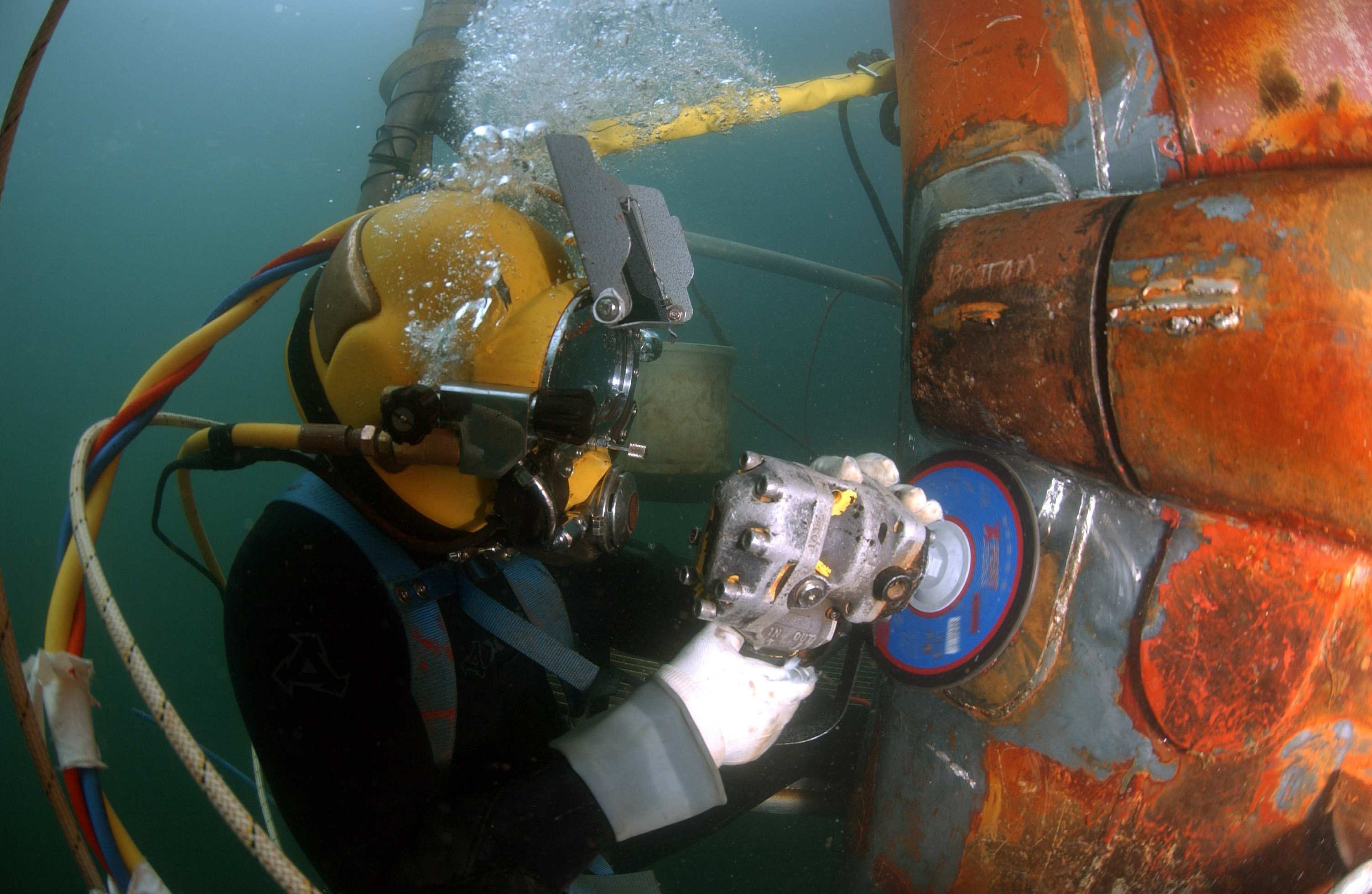
Every scuba diver uses a set of special equipment to survive and move underwater. Here’s a breakdown of the main gear and what each part does:
| Equipment | Main Purpose | Typical Features |
|---|---|---|
| Scuba Tank | Holds compressed air or special gas blends | Made of aluminum or steel; 200–300 bar (3000–4350 psi) |
| Regulator | Delivers air from tank to diver at ambient pressure | First and second stage; mouthpiece |
| Buoyancy Control Device (BCD) | Controls ascent/descent and neutral buoyancy | Inflatable vest with adjustable straps |
| Weights | Counters body’s natural floatation | Lead weights worn on belt or integrated in BCD |
| Mask | Creates air space for clear vision | Tempered glass, silicone skirt |
| Fins | Efficient movement underwater | Open-heel or full-foot design |
| Depth & Pressure Gauges | Monitor depth and air supply | Analog or digital displays |
| Wetsuit/Drysuit | Keeps diver warm | Neoprene (wetsuit) or sealed suit (drysuit) |
Each item is vital for safety and comfort. For example, without a regulator, you couldn’t breathe from the tank. Without a BCD, you might sink or float uncontrollably.
How Does Scuba Diving Work?
Step-by-step Process
1. Preparation And Gear Check
Before entering the water, divers inspect and assemble their gear. This includes attaching the regulator to the tank, testing air flow, and checking gauges for pressure.
2. Entry Into The Water
Divers usually enter from a boat, dock, or the shore. Common methods are the giant stride, backward roll, or walking in with fins.
3. Descent
Using a controlled release of air from their BCD, divers sink slowly. Equalizing pressure is critical—pinching the nose and blowing gently helps balance ear pressure.
4. Underwater Exploration
Divers breathe slowly and move with fins, adjusting buoyancy to hover. They monitor depth and air supply, staying within safe limits.
5. Ascent
As the dive ends, divers ascend slowly—never faster than 9 meters (30 feet) per minute. This prevents decompression sickness.
6. Exit And Post-dive
After surfacing, divers remove gear and check for any issues. Rinsing equipment and reviewing the dive are standard.
Breathing And Air Management
The regulator gives air at the right pressure, so you can breathe naturally. However, the deeper you go, the faster you use air. For example, a tank that lasts 60 minutes at 10 meters may last only 20–30 minutes at 30 meters.
Knowing how to read your pressure gauge and manage air is essential. Running out of air underwater is extremely dangerous.
Buoyancy Control
The BCD lets you add or release air to float, sink, or stay “neutral”—not rising or falling. Good buoyancy control is a key skill for all divers. It prevents damage to reefs, saves energy, and allows you to stay at a steady depth.
Safety Stops And Decompression
At the end of most dives, divers make a safety stop at 5 meters (15 feet) for 3–5 minutes. This gives your body time to release extra nitrogen, which reduces the risk of decompression sickness.
Deep or long dives may require special decompression stops based on dive tables or computers. Beginners usually stay within “no-decompression limits.”
Scuba Diving Certification And Training
You can’t just buy scuba gear and jump in the ocean. Proper training is vital for safety. Most divers begin with an Open Water Diver course through organizations like PADI (Professional Association of Diving Instructors) or SSI (Scuba Schools International).
Training covers:
- Basic theory (pressure, gases, risks)
- Equipment use
- Underwater skills (mask clearing, buoyancy, emergency procedures)
- Pool practice
- Open water dives (usually 4–5)
After certification, you can rent equipment, book guided dives, and dive with a buddy up to a set depth—usually 18 meters (60 feet) for beginners.
More advanced courses teach deeper diving, navigation, rescue, and specialties like wreck or night diving.
Safety And Risks In Scuba Diving
Scuba diving is generally safe if you follow training and guidelines. However, it carries real risks, especially if divers ignore rules or panic underwater.
Common Risks
- Decompression sickness (“the bends”): Caused by ascending too fast; nitrogen bubbles form in the body.
- Barotrauma: Damage to ears, sinuses, or lungs from pressure changes.
- Nitrogen narcosis: Impaired thinking at depths over 30 meters.
- Running out of air: Always check gauges and plan dives.
- Marine hazards: Some sea creatures can sting or bite, but most are not aggressive.
Safety Tips
- Always dive with a buddy.
- Never hold your breath while ascending.
- Plan your dive and stick to the plan.
- Monitor your air and depth constantly.
- Do not dive if you have a cold or ear problem.
- Get proper training and refresh skills regularly.
Two key insights many beginners miss:
- Fitness matters: You don’t need to be an athlete, but you must be comfortable in water and generally healthy.
- Equalizing pressure: Ear pain can ruin a dive. Learning to equalize early and often is essential—don’t wait until you feel discomfort.
Types Of Scuba Diving
Scuba diving isn’t just one thing. There are many styles, each with its own excitement:
| Type of Diving | Description | Typical Location |
|---|---|---|
| Recreational | Standard dives for fun and exploration | Oceans, lakes, quarries |
| Technical | Advanced, deeper dives with special gases | Deeper reefs, shipwrecks, caves |
| Cave Diving | Exploring flooded caves with guidelines | Mexico, Florida, Mediterranean |
| Wreck Diving | Visiting sunken ships and aircraft | Caribbean, Red Sea, Great Lakes |
| Night Diving | Diving after sunset with lights | Coral reefs, piers, lagoons |
| Drift Diving | Letting currents carry you along | Rivers, ocean channels |
| Ice Diving | Diving under frozen surfaces | Alps, Antarctica, Scandinavia |
| Search & Recovery | Finding lost objects underwater | Lakes, harbors, accident sites |
Each type requires special training and preparation. For example, cave diving is for experts only—it’s risky and requires extra gear.
Popular Destinations For Scuba Diving
The world is full of incredible dive spots. Some of the most famous include:
- Great Barrier Reef (Australia) – The world’s largest reef system, teeming with life.
- Blue Hole (Belize) – A giant sinkhole, perfect for advanced divers.
- Red Sea (Egypt) – Clear water, shipwrecks, and colorful corals.
- Galapagos Islands (Ecuador) – Unique marine animals like hammerhead sharks.
- Palau – Stunning walls and WWII wrecks.
- Maldives – Warm water, manta rays, and whale sharks.
- Silfra Fissure (Iceland) – Dive between two tectonic plates.
Each location offers something unique. Beginners often start in the Caribbean or Southeast Asia, where conditions are calm and visibility is excellent.
Environmental Impact Of Scuba Diving
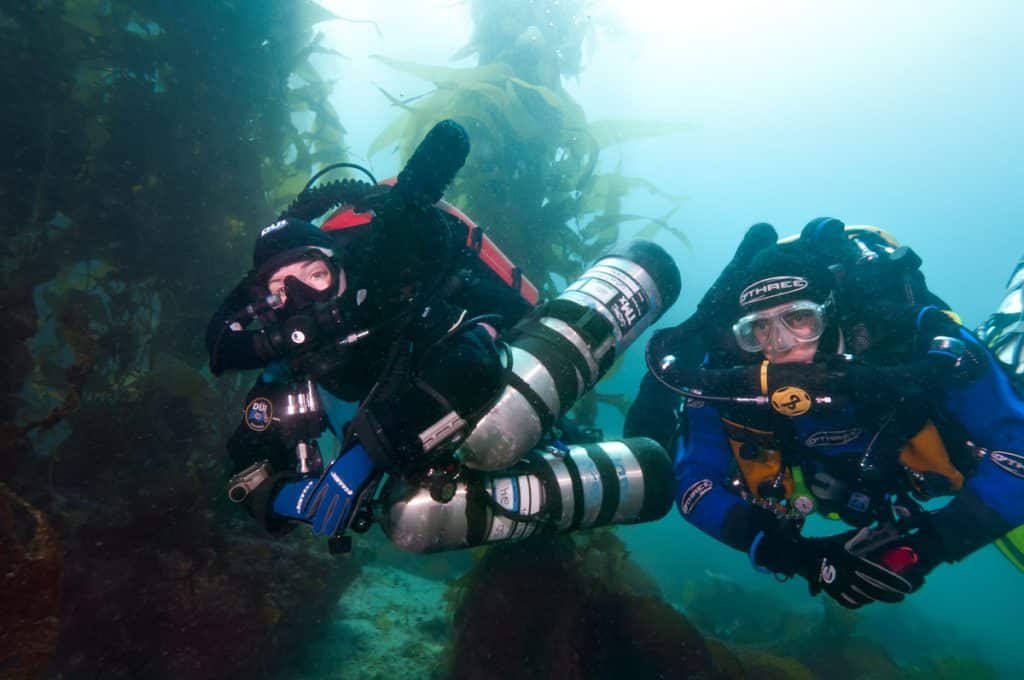
Scuba diving can harm underwater environments if not done carefully. Touching corals, stirring up sand, or chasing animals can damage fragile ecosystems.
Responsible divers follow “leave no trace” principles:
- Maintain good buoyancy to avoid touching reefs
- Don’t collect souvenirs or feed animals
- Use reef-safe sunscreen
- Support eco-friendly dive operators
Diving can also raise awareness about ocean conservation. Many divers become passionate about protecting the seas after seeing their beauty firsthand.
Scuba Diving Costs And What To Expect
Getting into scuba diving involves some investment. Here’s what beginners should know:
Training And Certification Costs
- Entry-level course: $300–$600 (includes gear rental, pool, and open water dives)
- Advanced or specialty courses: $200–$500 extra
Equipment Costs
Buying all your own gear is not required at first. Most new divers rent equipment. If you decide to buy:
- Mask, fins, snorkel: $100–$200
- Full set of gear (BCD, regulator, wetsuit, tank): $1500–$3000
Dive Trip Costs
- Local dives (with rental): $50–$100 per dive
- Guided boat dive (tropical): $100–$200 per trip
- Liveaboard (multi-day boat): $1000+ for a week
Planning a trip? Check water temperature, visibility, and season before you go.
The Scuba Diving Community
Scuba diving is a social activity. Most dives are done in pairs or groups for safety. Clubs, online forums, and local dive shops offer a way to meet other divers, join trips, and share advice.
New divers sometimes feel anxious about joining the community. Don’t worry—most divers are friendly and love to help beginners. Asking questions is always encouraged.
Frequently Asked Questions
What Is The Minimum Age For Scuba Diving?
Most organizations set the minimum age at 10 years old for junior certification. Full adult certification is usually available from age 15. Children must meet physical and maturity requirements.
How Deep Can You Go With Basic Certification?
Open Water Divers can go to 18 meters (60 feet). Advanced courses allow for deeper dives, up to 30 meters (100 feet) or more, with special training.
Is Scuba Diving Dangerous For People With Health Problems?
Certain conditions, like heart or lung disease, can make diving risky. Always get a doctor’s approval if you have health concerns. Some mild conditions (like controlled asthma) may be acceptable with medical clearance.
Can You Scuba Dive If You Wear Glasses?
Yes, but not with regular glasses. Divers use prescription masks or contact lenses. Many dive shops offer rental masks with prescription lenses.
Where Can I Learn More About Scuba Diving?
For more detailed information, visit the Wikipedia entry on scuba diving. It covers history, equipment, and safety in depth.
Scuba diving offers a fascinating way to see the underwater world, combining adventure, science, and skill. With the right training and respect for nature, almost anyone can enjoy this unforgettable experience. Whether you dream of swimming with turtles, exploring shipwrecks, or just floating weightless in the blue, scuba diving is a journey worth taking.

