Ice hockey is a fast-paced sport loved by millions. Its speed and excitement come from rules that keep play fair and competitive. One rule that often confuses new fans and players is the offside rule. If you are new to ice hockey, understanding offside is important. It affects how teams attack, defend, and move the puck. This article explains everything you need to know about offside in ice hockey, with clear examples, practical tips, and answers to common questions.
What Does Offside Mean In Ice Hockey?
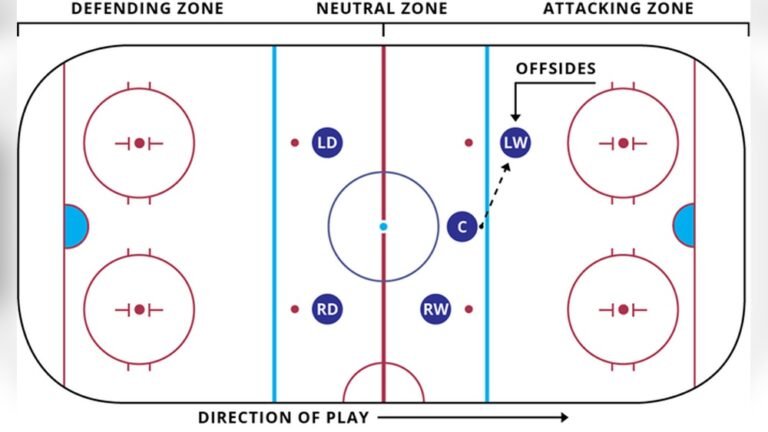
Offside in ice hockey is when an attacking player enters the offensive zone (the area beyond the opponent’s blue line) before the puck does. The purpose of this rule is to stop players from waiting near the opponent’s net for an easy scoring chance. It makes sure the game stays fair and skill-based.
In simple terms: you cannot cross the opponent’s blue line before the puck. If you do, play stops and a faceoff happens outside the offensive zone.
How The Blue Line Defines Offside
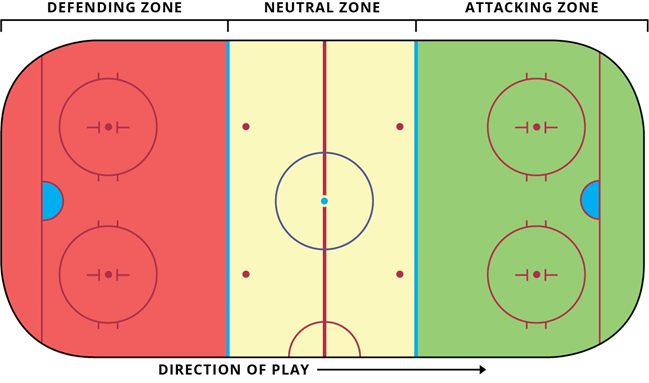
The blue line is key to the offside rule. Each rink has two blue lines that split the ice into three zones:
- Defensive zone: Closest to your own goal
- Neutral zone: The center area
- Offensive zone: Closest to the opponent’s goal
A player must keep both skates out of the offensive zone until the puck crosses the blue line. If even one skate touches the blue line or neutral zone, the player is not offside.
Here’s a comparison of what is onside and what is offside:
| Situation | Onside | Offside |
|---|---|---|
| Player enters zone after puck | Yes | No |
| Player enters zone before puck | No | Yes |
| Player straddling blue line as puck crosses | Yes | No |
The Main Types Of Offside
Ice hockey has a few variations of offside, depending on how the play develops.
Standard Offside
This is the most common. If an attacking player is across the blue line before the puck, the play is stopped.
Delayed Offside
If an attacking player is offside but the defending team has control of the puck, the referee may signal delayed offside. The attacking team has a chance to “clear” the zone by leaving it. If all attacking players get back to the neutral zone before touching the puck, play continues. If they do not, play stops.
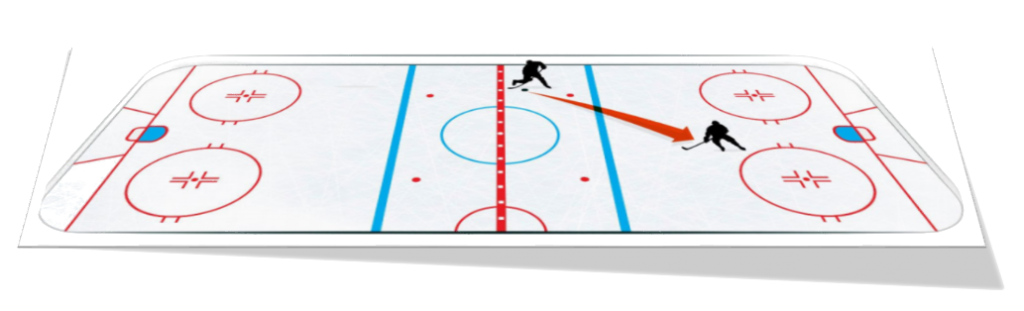
Offside Pass (two-line Pass)
This rule used to stop players from making long passes across two lines (the blue line and center red line). The NHL removed this rule in 2005 to speed up the game. Some leagues still use it for younger players.
Why Is The Offside Rule Important?
The offside rule is not just for fairness. It changes how teams play:
- Promotes teamwork: Players must move together as a unit.
- Prevents cherry-picking: No one can wait near the opponent’s net for an easy goal.
- Rewards skill: Teams must pass and skate well to enter the offensive zone legally.
Without offside, the game would lose much of its strategy and balance.
Common Offside Scenarios
Many offside calls are close, and even experienced players make mistakes. Here are some situations to watch for:
- Skating ahead of the puck: A fast winger gets excited and crosses the blue line before the puck.
- Delayed puck handling: A defender passes the puck, but a teammate is already in the zone.
- Changing lines: Players leaving the ice must be careful not to cause offside during a line change.
- Regaining the zone: If the puck leaves the offensive zone, all attacking players must exit before the puck comes back in.
These moments show how important timing and awareness are on the ice.
Non-obvious Insights About Offside
Many beginners miss these details about offside:
- The puck can be in the air: Offside counts if the puck crosses the blue line even while in the air. It does not have to be on the ice.
- The blue line is part of the zone: When entering, the blue line is neutral. But once the puck crosses, it becomes part of the offensive zone.
These small details often lead to confusion, especially for new players and fans.
How Officials Enforce Offside
On-ice referees and linesmen watch the blue lines closely. They use hand signals and whistles to stop play if offside happens.
Some leagues use video review for close offside calls, especially on goals. The NHL introduced coach’s challenges to check if a goal should count. This makes sure the calls are as accurate as possible.
Here’s a summary of how offside calls are handled:
| Action | Result |
|---|---|
| Offside occurs | Play stops, faceoff outside zone |
| Delayed offside, attackers clear | Play continues |
| Missed offside leads to goal (NHL) | Coach can challenge the goal |
Offside And Tactics
Coaches build strategies around the offside rule. Here’s how it shapes play:
- Defensemen “hold the line”: Defenders try to keep the puck in the offensive zone without causing offside.
- Forwards “time their entry”: Wingers and centers match their speed to the puck handler.
- Breakout plays: Teams use quick passes to enter the zone together.
A good team learns to push the limits of offside without breaking the rule. It takes practice and communication.
Offside In International And Youth Hockey
While the basic rule is the same worldwide, some leagues have small changes:
- International games (like the Olympics) follow the International Ice Hockey Federation (IIHF) rules, which are very similar to NHL rules.
- In youth hockey, coaches may focus more on teaching the concept than strict enforcement, especially for very young players.
Some leagues use “tag-up” offside, where players can “tag up” at the blue line to become onside again. This helps keep the game flowing.
Penalties And Faceoff Locations After Offside
Offside does not lead to a penalty, but it does stop play. After an offside, the faceoff usually happens just outside the offensive zone at the nearest dot.
Here’s a quick guide to faceoff locations after offside:
| Offside Location | Faceoff Spot |
|---|---|
| Standard offside | Nearest neutral zone dot |
| Intentional offside (rare) | Defending team’s end |
Intentional offside (where a player clearly ignores the rule) can lead to the faceoff deep in their own zone, giving an advantage to the other team.
Key Tips For Players And Fans
- Watch the blue line: Learn to time your entry with the puck.
- Communicate with teammates: Help each other avoid accidental offside.
- Stay aware: Offside can be close—listen for the linesman’s whistle and watch their signals.
Beginners often worry too much about offside. With practice, you will develop a natural sense for it.
Frequently Asked Questions
What Is The Main Reason For The Offside Rule In Ice Hockey?
The offside rule stops players from gaining an unfair advantage near the opponent’s net. It encourages teamwork and skillful play, making the game fairer and more exciting.
Does Offside Apply If The Puck Is In The Air?
Yes. Offside applies no matter if the puck is on the ice or in the air. The puck must cross the blue line before any attacking player, regardless of height.
What Happens If A Goal Is Scored On An Offside Play?
If a goal is scored after an offside, it does not count. In the NHL, coaches can challenge a goal if they believe the play was offside. Video review is used to make the final decision.
Is There Offside In All Levels Of Ice Hockey?
Most levels of organized ice hockey use an offside rule. Some beginner leagues or small children’s games may relax the rule to help new players learn.
Where Can I Learn More About Ice Hockey Rules?
A great place to start is the Wikipedia page on ice hockey rules, which covers offside and other important rules in detail.
Ice hockey is a thrilling sport. Understanding offside helps you enjoy the game more, whether you play or just watch. Now, when you see the linesman raise his arm, you’ll know exactly what’s happening on the ice.