
Ice hockey is a fast and intense sport where seconds matter and every rule has a reason. One rule that often confuses new fans is icing. It’s a simple word, but on the ice, it can change the flow of the game in an instant. If you want to enjoy hockey or even play it, understanding icing is key. This article will break down what icing is, why it exists, when it applies, and what exceptions exist. You’ll also see real examples, common mistakes, and what happens after the whistle blows for icing.
The Basics Of Icing
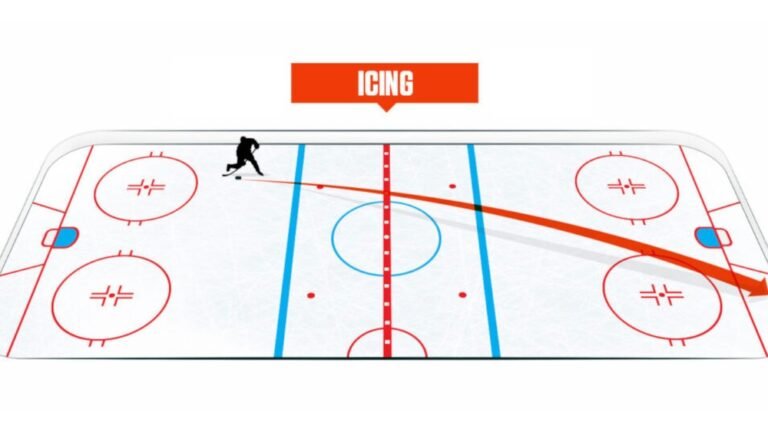
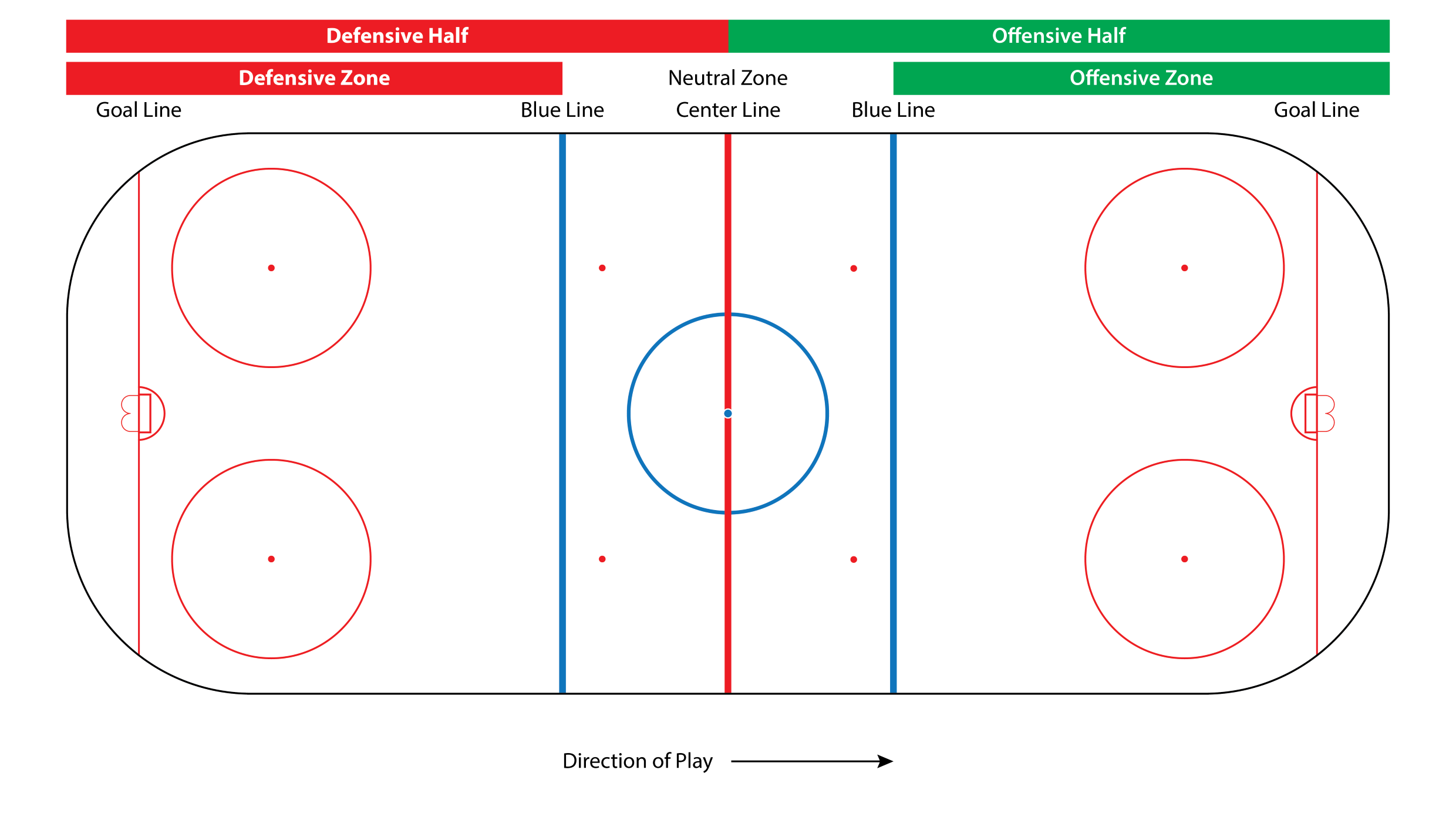
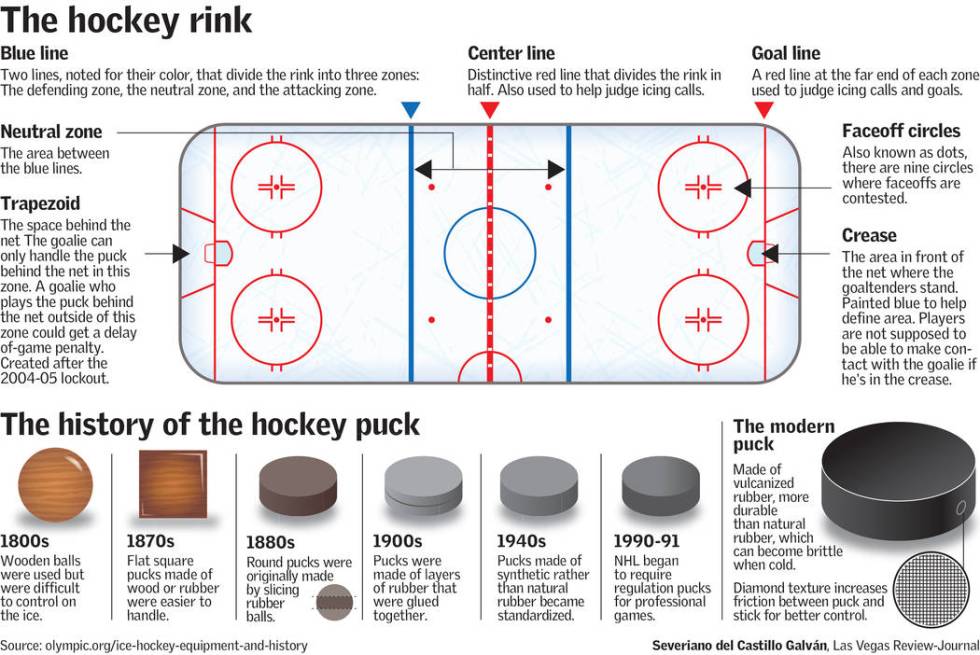
In ice hockey, icing is a rule violation involving shooting the puck across at least two red lines—the center red line and the opponent’s goal line—without the puck touching anyone. This usually happens when a player sends the puck from their own side of the center line all the way down the ice to the other end.
When icing occurs, the play stops, and a faceoff is held in the offending team’s defensive zone. This rule is standard in most ice hockey leagues, including the NHL, IIHF, and international competitions.
Why Does Icing Exist?
Icing is designed to keep the game fair and exciting. Without it, teams under pressure could just shoot the puck down the ice every time they felt threatened. This would slow the game and make it less skillful.
Main reasons for the icing rule:
- Encourage skillful play: Teams must try to move the puck out of their zone with passes, not just clear it.
- Keep the game fast: Icing stops teams from just dumping the puck and wasting time.
- Give the attacking team an advantage: Stopping play in the defensive zone helps teams that are pressing for a goal.

How Does Icing Happen?
To call icing, a few things must happen:
- A player shoots the puck from behind the center red line.
- The puck crosses the opponent’s goal line without being touched.
- No player (from either team) touches the puck before it crosses the goal line.
- The puck is not a result of a faceoff.
If all these are true, the linesman signals icing and blows the whistle. The play is stopped immediately.
Let’s look at a simple example. Imagine a defenseman on Team A is behind the center red line and slaps the puck down the ice. It slides past every player and crosses Team B’s goal line. No one touches it.
That’s icing.
When Is Icing Not Called?
There are important exceptions to the icing rule. Here’s when icing does not apply:
- Short-handed team: If your team is killing a penalty (short-handed), you can shoot the puck down the ice without icing being called.
- Goaltender plays the puck: If the goalie leaves his crease and touches the puck, icing is waved off.
- Linesman’s judgment: If the linesman thinks an opposing player could have played the puck but didn’t, he can “wave off” icing.
- Pass attempt: If the puck is clearly a pass that the teammate misses, sometimes icing is not called.
- Puck goes into the net: If the puck goes into the net, it’s a goal, not icing.
This means players must always be aware of their situation on the ice and know when they can safely clear the puck.
How Icing Is Judged: The Touch Vs. No-touch Rule
Different leagues use different icing rules. The two most common are touch icing and no-touch (hybrid) icing.
| Type of Icing | How It Works | Used In |
|---|---|---|
| Touch Icing | Play stops only when a defender touches the puck after it crosses the goal line | Some lower-level leagues |
| No-Touch (Hybrid) Icing | Play stops as soon as the puck crosses the goal line if a defender is likely to win the race | NHL, IIHF, most pro leagues |
Hybrid icing is now the standard in the NHL and most pro leagues. This was adopted for safety reasons, so players don’t crash dangerously into the boards racing for the puck.
What Happens After Icing?
When icing is called, the game stops. The referee places the puck in the defensive zone of the team that iced it. The offending team cannot make a line change, which means tired players must stay on the ice.
Here’s what happens next:
- The linesman blows the whistle and signals icing.
- Players skate to the faceoff dots in the defensive zone.
- The team that committed icing can’t change their players.
- The other team can put fresh players on the ice.
- The puck is dropped for a faceoff.
This creates a big advantage for the attacking team. They can put their best scorers out against tired defenders.
Common Mistakes And Misunderstandings
Even experienced players sometimes misunderstand icing. Here are a few mistakes to watch for:
- Shooting before the red line: Players must make sure they cross the center line before dumping the puck in.
- Not recognizing the penalty kill: Some forget that icing is allowed when short-handed.
- Assuming the goalie will play the puck: If the goalie doesn’t touch the puck, icing stands.
- Misjudging passes: Sometimes a failed pass is mistaken for icing, but if the referee sees a clear pass attempt, icing may not be called.
Real-world Examples
Imagine Team A is defending a 1-goal lead with only 30 seconds left. Under pressure, their tired defenseman fires the puck from deep in his zone, trying to relieve pressure. But he shoots it before the red line, and the puck goes all the way down untouched.
The linesman calls icing. Now Team A must defend with tired legs, and Team B gets a faceoff in the attacking zone. This often leads to last-minute goals.
Another example: Team B is killing a penalty. Their defenseman clears the puck all the way down. No icing is called, because they’re short-handed.
Icing Vs. Offside: What’s The Difference?
Many new fans confuse icing with offside. Both stop play, but for different reasons.
| Rule | When It Happens | Result |
|---|---|---|
| Icing | Puck shot from behind center line, crosses goal line untouched | Faceoff in defensive zone, no line change allowed |
| Offside | Player enters offensive zone before the puck | Faceoff outside offensive zone |
It’s important for players and fans to know the difference, as the strategies and consequences are not the same.
The Impact Of Icing On Game Strategy
Coaches and players plan for icing. Smart teams avoid it unless absolutely necessary. Here’s why:
- Tired defenders: Being forced to defend after icing can lead to goals against.
- Loss of momentum: Icing disrupts the flow of play and hands control to the opponent.
- Faceoff disadvantage: Defensive zone faceoffs are risky, especially late in games.
Some teams use the “dump and chase” style, but they always try to cross the center line first to avoid icing.
Frequently Asked Questions
What Is The Main Purpose Of The Icing Rule?
The main purpose is to stop teams from just clearing the puck to waste time and avoid pressure. It encourages smart, skillful play and keeps the game fast.
Can You Ice The Puck When Killing A Penalty?
Yes. If your team is short-handed (killing a penalty), you can clear the puck down the ice without getting called for icing.
What Happens If Icing Is Called?
Play stops, and a faceoff is held in your defensive zone. The team that iced the puck cannot change players. The attacking team can put on their best line.
Is Icing Called In Overtime Or During Power Plays?
Icing is still called in overtime. However, during a power play, the short-handed team can clear the puck without icing being called.
Where Can I Read The Official Icing Rule?
You can find the official NHL icing rule on the NHL Rulebook.
Ice hockey is a thrilling sport, and understanding icing makes watching and playing it much more enjoyable. It’s one of those simple rules that has a big impact on game flow and strategy. Now, when you see the linesman’s arm go up and hear the whistle, you’ll know exactly what happened—and why it matters.
