
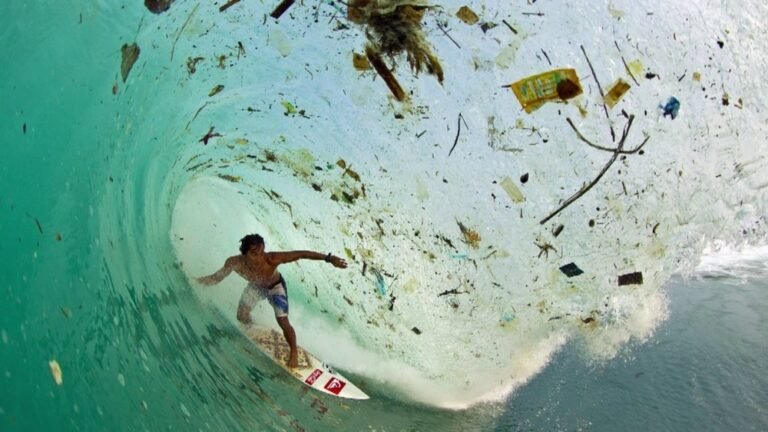
Eco-friendly surfing is gaining attention as more people want to protect the ocean while enjoying it. Many surfers love the sea, but traditional surfing can harm the environment. Boards, wetsuits, and even our travel choices leave a mark. Now, surfers are asking: how can we ride the waves and protect the planet at the same time?
If you want to understand eco-friendly surfing, you’re in the right place. This guide explains what it means, why it matters, and what you can do to make your surf life greener. Let’s dive in.
What Does Eco-friendly Surfing Mean?
Eco-friendly surfing means making choices that reduce harm to the ocean and the planet. It’s about more than just picking up trash on the beach. It includes the gear you buy, how you travel, and even the surf brands you support.
The goal is to surf in a way that helps the environment, not hurts it. Eco-friendly surfers think about the full impact of their actions, from manufacturing to disposal.
Why Is Eco-friendly Surfing Important?
The ocean is under pressure from pollution, climate change, and overfishing. Surfing, if we’re not careful, can add to these problems. Consider these facts:
- Traditional surfboards are made with petroleum-based foam and toxic resins.
- One board can create 200 pounds of CO₂ during production.
- Neoprene wetsuits are made from oil and take hundreds of years to break down.
- Popular surf spots can get crowded, leading to damage to coral reefs and coastal plants.
If surfers, who spend so much time in the ocean, don’t protect it, who will? Eco-friendly surfing is a way to show respect to the waves and keep them healthy for the future.
Key Elements Of Eco-friendly Surfing
Eco-friendly surfing covers many areas. Here’s how you can make a difference.
1. Eco-friendly Surfboards
The classic surfboard is not green. Most are made with polyurethane or polystyrene foam and coated in fiberglass and polyester resin. These materials are toxic to make, can’t be recycled, and pollute the air and water.
Eco-friendly boards use:
- Recycled foam or wood cores
- Plant-based resins (like bio-epoxy)
- Bamboo or cork instead of fiberglass
Some brands use algae-based foams or recycled plastics. These boards work as well as traditional boards but have a much smaller environmental impact.
Example
Firewire’s “EcoBoard” uses recycled foam and bio-resin. It has the same performance but cuts emissions by about 30%.
2. Sustainable Wetsuits
Most wetsuits are made from neoprene, a synthetic rubber from petroleum. Making neoprene creates dangerous chemicals and lots of CO₂.
Eco wetsuits use:
- Natural rubber (like Yulex, made from rubber trees)
- Limestone-based neoprene (uses less oil, but still not perfect)
- Recycled materials
Natural rubber suits now perform as well as standard wetsuits. Patagonia was the first big brand to switch, and many others now offer plant-based options.
3. Green Surf Accessories
Eco-friendly surfing is not just about boards and wetsuits. Leashes, fins, wax, and even board bags matter.
- Recycled plastic leashes
- Bamboo or recycled fins
- Organic surf wax (no petroleum)
- Upcycled or recycled board bags
Choosing these products helps reduce waste and pollution.
4. Responsible Travel
Many surfers travel to find the best waves. Airplane flights, long car rides, and boat trips all create CO₂.
To lower your footprint:
- Surf local spots more often
- Use public transport or carpool
- If you must fly, offset your carbon
- Pick surf trips with eco-friendly camps or lodges
Traveling less but staying longer is also better for the environment.
5. Protecting The Ocean
Eco-friendly surfers go beyond their gear. They help keep beaches and water clean.
- Join or organize beach cleanups
- Don’t leave trash
- Use reef-safe sunscreen (no oxybenzone)
- Support marine protection projects
A single plastic bag can kill a sea turtle. Small actions matter.
How Traditional Surfing Impacts The Environment
It’s easy to forget the hidden costs of surfing. Here are the main ways traditional surfing harms nature:
| Surfing Activity | Environmental Impact |
|---|---|
| Making surfboards | Air and water pollution, carbon emissions, toxic waste |
| Neoprene wetsuits | Petroleum use, non-biodegradable waste, greenhouse gases |
| Travel to surf spots | CO₂ emissions, noise, habitat disturbance |
| Surf wax and accessories | Microplastics, chemical runoff |
A single board might not make a big difference, but millions of surfers add up. That’s why switching to eco-friendly options is so important.
How To Start Eco-friendly Surfing
You don’t need to change everything overnight. Start small and build better habits.
Choose Sustainable Surf Gear
When you need new gear, look for eco alternatives. Even just switching your wax or leash helps.
Take Care Of Your Equipment
Making gear last longer is one of the greenest things you can do.
- Rinse your wetsuit with fresh water
- Store boards out of the sun
- Repair, don’t replace, when possible
Support Eco-conscious Brands
Some surf brands are leading the way in sustainability. Research before you buy. Look for:
- Sustainable sourcing
- Fair labor practices
- Recycling programs
Some companies will even take your old gear for recycling.
Reduce And Reuse
Before buying new, check if you can get used gear. Many surf shops sell second-hand boards and wetsuits.
Get Involved Locally
Join cleanups, protect dunes, and help educate others. Every action counts.
Eco-friendly Surfing Vs. Traditional Surfing
Here’s a simple comparison:
| Aspect | Traditional Surfing | Eco-Friendly Surfing |
|---|---|---|
| Board materials | Petroleum foam, fiberglass | Recycled foam, wood, plant resin |
| Wetsuits | Neoprene (oil-based) | Natural rubber, recycled materials |
| Accessories | Plastic, synthetic | Bamboo, recycled, biodegradable |
| Travel | Frequent flights, driving | Local surf, carpool, offset CO₂ |
| Beach care | Leave trash, ignore habitat | Cleanups, respect nature |
Eco-friendly surfing isn’t just a trend. It’s the future of the sport.

Common Mistakes In Eco-friendly Surfing
Many surfers want to be greener but make mistakes without knowing.
- Buying new eco gear too often: Even green products use resources. Only replace gear when you need to.
- Ignoring the small stuff: Surf wax, sunscreen, and even clothing have an impact.
- Believing all “green” labels: Some brands use “eco” as marketing. Always check for real certifications.
- Not thinking about travel: Flying to surf every weekend is not eco-friendly, no matter what board you ride.
- Forgetting end-of-life: Make sure your gear can be recycled or reused, not just dumped.
Leading Eco-friendly Surf Brands
Some companies are making real changes. Here are a few examples:
- Patagonia: Pioneered natural rubber wetsuits and supports ocean campaigns.
- Firewire: Makes EcoBoards and offsets emissions.
- Swell Vision: Uses bamboo for sunglasses and accessories.
- Wave Tribe: Offers recycled leashes, bags, and eco wax.
These brands prove that performance and sustainability can go together.
Eco-friendly Surfing And Community
Eco-friendly surfing is not just personal—it’s about community. Surfers have always been close to nature. By sharing knowledge and working together, we can make a bigger difference.
Some surf communities organize regular beach cleanups, teach kids about ocean health, and work with local governments to protect surf zones. This helps protect waves for everyone.
The Future Of Eco-friendly Surfing
The surf world is changing fast. New materials, better recycling, and more awareness are making green surfing easier. Some innovations to watch for:
- Algae-based foams: Even greener than recycled plastic.
- Closed-loop recycling: Old boards become new boards.
- Solar-powered surf camps: Use clean energy for everything.
- Biodegradable accessories: Fins, wax, and even packaging that disappear without a trace.
Still, the biggest change is in attitude. Surfers now see themselves as ocean guardians, not just wave riders.

Eco-friendly Surfing Myths
There are some common myths that can hold people back:
- “Eco boards don’t work as well.” Modern green boards perform just as well as traditional ones.
- “It’s too expensive.” Prices are dropping as demand grows. Used gear is often cheaper.
- “One person can’t make a difference.” Every choice adds up, and others will follow your example.
Understanding these myths helps you make better choices.
How To Tell If A Surf Product Is Truly Eco-friendly
With so many brands claiming to be green, it’s hard to know what’s real.
Look for:
- Third-party certifications (like ECOBOARD Project)
- Detailed information on materials (not just “eco”)
- Transparent supply chains
- Brands that support ocean causes
If you’re not sure, ask the shop or check online reviews.

Eco-friendly Surfing In Numbers
A few statistics show the impact:
- Over 500,000 new surfboards are made each year.
- 90% of boards use petroleum-based foam.
- Switching to recycled foam can cut CO₂ by up to 40%.
- Natural rubber wetsuits use 80% less energy in production compared to neoprene.
Even small changes by many surfers can make a real difference.
Frequently Asked Questions
What Makes A Surfboard Eco-friendly?
An eco-friendly surfboard uses recycled or natural materials, like recycled foam, bamboo, or plant-based resin. It is made with less energy and produces fewer toxic chemicals. Some brands use new materials like algae foam.
Are Eco Wetsuits As Warm And Strong As Traditional Wetsuits?
Yes. Natural rubber wetsuits (like Yulex) are now as warm, flexible, and durable as neoprene. Top brands test them in cold, big waves. They last as long, but break down faster when thrown away.
How Can I Check If A Surf Brand Is Truly Eco-friendly?
Look for third-party certifications (like the ECOBOARD Project), clear information about materials, and support for environmental projects. Brands that are truly green are transparent about their process. For more details, check resources like Surfrider Foundation.
Is Eco-friendly Surfing More Expensive?
Not always. Prices for eco gear are getting closer to regular gear as more surfers buy them. Used or recycled gear can be cheaper. In the long run, better-made products can last longer and save money.
What Else Can I Do To Help The Ocean As A Surfer?
Besides using green gear, you can join beach cleanups, use reef-safe sunscreen, avoid flying for short trips, and teach others about eco-friendly surfing. Every action helps protect the waves you love.
Eco-friendly surfing is more than a trend—it’s a way to connect with nature and keep it healthy for the next generation. Every small step makes a difference. The ocean gives us so much; it’s time to give back.
