Cross-country skiing is more than just sliding across snow. It’s a sport, a fitness activity, a way to explore nature, and a beloved winter tradition in many countries. With its roots stretching back thousands of years, cross-country skiing continues to attract beginners and experts alike, thanks to its unique blend of endurance, skill, and adventure.
This guide will help you understand what cross-country skiing is, how it works, and why it has won the hearts of millions around the world.
What Is Cross-country Skiing?
At its core, cross-country skiing is a winter sport where people use skis to move across snow-covered landscapes. Unlike alpine (downhill) skiing, it does not rely on gravity or steep slopes. Instead, the skier pushes themselves forward using their own strength and technique. This means you can do it on flat ground, gentle hills, or rolling terrain, making it both a sport and a practical way to travel in snowy regions.
Cross-country skiing is also called Nordic skiing, a term that covers several types of skiing where the heel of the boot can lift off the ski. This is different from alpine skiing, where the heel is fixed to the ski.
The History Of Cross-country Skiing
Cross-country skiing is one of the world’s oldest sports. Its history goes back at least 5,000 years, with ancient rock carvings in Norway and Sweden showing people on skis. Skiing began as a way for hunters and travelers to move through snowy forests and fields in winter.
In the 19th century, Norwegians helped turn skiing into a sport, with the first cross-country ski race held in 1842. By the early 20th century, cross-country skiing had become popular in other parts of Europe, Russia, and North America. It was included in the first Winter Olympic Games in 1924.
Today, cross-country skiing is a competitive sport, a popular fitness activity, and a peaceful way to enjoy winter landscapes.
Types Of Cross-country Skiing
Not all cross-country skiing is the same. There are two main styles, each with its own technique, equipment, and challenges.
Classic Style
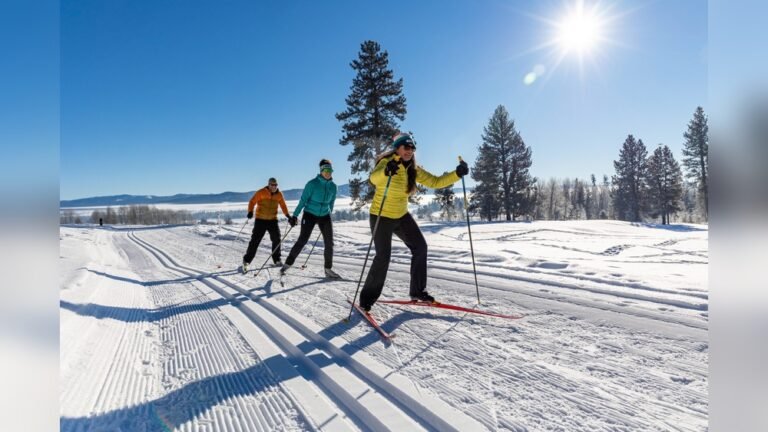
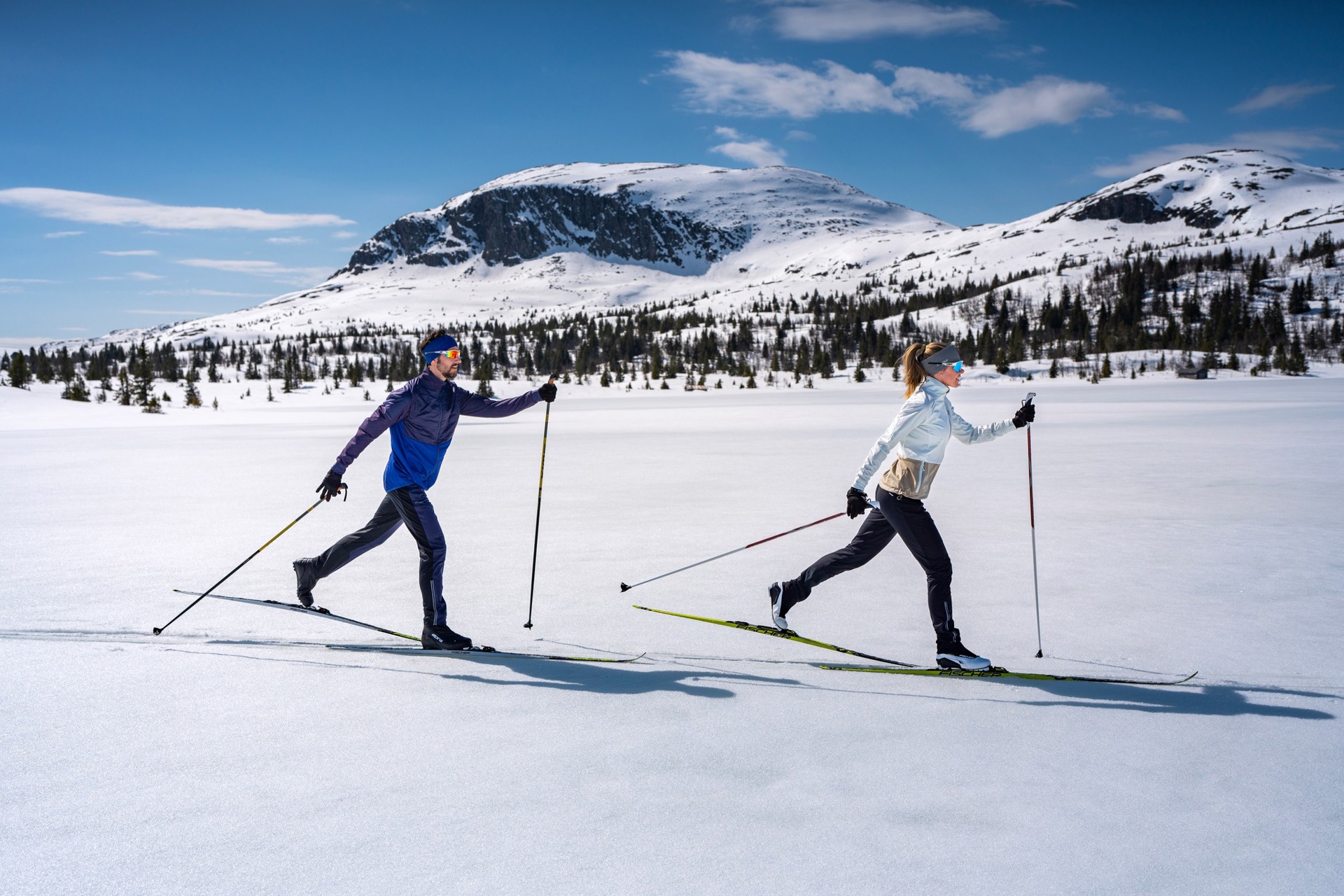
The classic style is the traditional way of cross-country skiing. The skis move back and forth in straight lines, staying in parallel tracks set in the snow. It’s similar to walking or running, but on skis. Classic skiing is great for beginners and is used on groomed trails with parallel tracks.
Skate Skiing
The skate skiing style is faster and more dynamic. The skier pushes off the edge of each ski, making a V-shape pattern, like ice skating. This technique requires wide, smooth trails and is often used in races. Skate skiing is more intense and needs good balance and strength.
Other Forms
- Backcountry cross-country skiing: Done off groomed trails, often in deep snow, using wider skis for stability.
- Ski touring: Involves longer trips, sometimes with a backpack, often in remote areas.
- Ski orienteering: A navigation sport where skiers find checkpoints using a map and compass.
Cross-country Skiing Equipment
The right equipment is key to enjoying cross-country skiing safely and comfortably. Let’s look at the main items you’ll need.
Skis
Cross-country skis are long and narrow compared to downhill skis. They are lighter, which helps with gliding over snow. Classic skis are a bit longer and have a grip zone under the foot, while skate skis are shorter and stiffer.
Boots
Cross-country ski boots are warm but lighter than downhill ski boots. They allow your heel to lift, which is necessary for the skiing motion. Classic boots are flexible, while skate boots offer more ankle support.
Bindings
Bindings connect the boots to the skis. In cross-country skiing, they allow the heel to rise. Two popular binding systems are NNN (New Nordic Norm) and SNS (Salomon Nordic System).
Poles
Poles help with balance and propulsion. They are usually longer for skate skiing, reaching up to your chin or lips, while classic poles reach your armpits.
Clothing
Dress in layers to stay warm but avoid overheating. A typical outfit includes:
- Base layer: Wicks sweat away from the skin.
- Mid layer: Provides insulation.
- Outer layer: Windproof and water-resistant jacket and pants.
Don’t forget gloves, a hat, and sunglasses or goggles to protect your eyes from glare.
Wax
Ski wax is important for grip and glide. Grip wax helps classic skis hold the snow, while glide wax makes skis move faster. Some skis have “fish scale” patterns or skins that provide grip without wax.
:max_bytes(150000):strip_icc()/benefits-of-cross-country-skiing-promo-20100e8b66404d0c90e62b3cfdd0a0c6.jpg)
How Does Cross-country Skiing Work?
The basic idea is simple: push with your legs and poles to glide over snow. But mastering the technique takes practice.
Classic Technique
In classic skiing, you move one ski forward, then the other, using your arms to help push with the poles. Your weight shifts from one ski to the other, just like walking.
Skate Technique
For skate skiing, you push off the edge of each ski at an angle, using your poles to help. Your legs make a V-shape pattern, and your arms swing in time with your legs.
Uphill And Downhill
Going uphill, you can use the herringbone technique, where skis point outward for grip. Downhill, you keep your skis parallel and use a snowplow or wedge to slow down.
Learning Curve
Beginners often struggle with balance and sliding backward on uphills. A useful tip is to keep your weight centered over each ski and use your poles for stability. Lessons from a certified instructor can speed up progress.
Health And Fitness Benefits
Cross-country skiing is famous for being one of the best full-body workouts. Here’s why:
- Cardio exercise: It raises your heart rate and improves lung capacity.
- Strength: Works muscles in the legs, core, arms, and back.
- Low impact: Easier on the joints than running.
- Calories burned: A person weighing 70 kg (154 lbs) can burn 500–900 calories per hour, depending on speed and terrain.
- Mental health: Time in nature and regular exercise reduce stress and improve mood.
Studies show that cross-country skiers have high levels of aerobic fitness and low rates of heart disease.
Where Can You Cross-country Ski?
You can cross-country ski almost anywhere there’s snow, but some places are especially good.
Groomed Trails
Many parks and ski centers offer groomed trails with set tracks for classic skiing and smooth lanes for skate skiing. These trails are maintained and often have signs, maps, and rest areas.
Backcountry
For more adventure, skiers head into backcountry areas, forests, or open fields. Here, you make your own tracks, so it’s important to know the terrain and have navigation skills.
Popular Regions
- Scandinavia (Norway, Sweden, Finland): Birthplace of the sport, with many trails and events.
- Canada: Large networks of trails, especially in Quebec and Alberta.
- United States: Great skiing in states like Minnesota, Wisconsin, Vermont, and Colorado.
- Central Europe: The Alps, Dolomites, and Carpathians offer beautiful scenery and well-maintained trails.
Cross-country Skiing Vs. Other Winter Sports
Cross-country skiing has some key differences compared to other snow sports. Here’s a quick look:
| Sport | Main Terrain | Equipment Weight | Physical Demand | Skill Level Needed |
|---|---|---|---|---|
| Cross-Country Skiing | Flat & rolling hills | Light | High (full-body) | Beginner to expert |
| Alpine Skiing | Steep slopes | Heavy | Medium (mostly legs) | Beginner to expert |
| Snowshoeing | Flat & hilly | Moderate | Medium | Easy to moderate |
| Snowboarding | Slopes/parks | Heavy | Medium | Beginner to expert |

Popular Cross-country Ski Events
Cross-country skiing is a major part of the Winter Olympics and many world championships. Some well-known events include:
- Vasaloppet (Sweden): Oldest and largest ski race in the world, 90 km long.
- Birkebeinerrennet (Norway): Historic race across mountains, 54 km.
- American Birkebeiner (USA): Largest race in North America, 50 km.
- World Cup: International series of races every winter.
These events attract thousands of skiers and even more spectators.
How To Get Started With Cross-country Skiing
Starting cross-country skiing doesn’t need to be expensive or difficult. Here’s how you can begin:
- Rent gear: Many ski centers offer rental packages with skis, boots, and poles.
- Take a lesson: A short lesson helps with basic technique and safety.
- Dress smart: Wear layers and bring snacks and water.
- Start small: Choose easy, flat trails at first.
- Go with friends: Skiing with others is safer and more fun.
An insight many newcomers miss: waxing can be tricky. Ask staff at the ski center for help, or start with waxless skis to keep things simple.
Common Mistakes Beginners Make
Many first-timers struggle with similar issues. Avoid these mistakes:
- Leaning too far back (makes it hard to balance and move forward).
- Using poles incorrectly (poles should help push, not just balance).
- Wearing too much clothing (you get warm quickly).
- Ignoring trail etiquette (let faster skiers pass, stay in your track).
Another tip: Don’t be discouraged if it feels awkward at first. Progress comes quickly with a little practice.
Cross-country Skiing Safety Tips
While cross-country skiing is safe, a few precautions help you stay protected:
- Know the weather: Check forecasts before heading out.
- Carry a map and phone: Especially if skiing outside managed areas.
- Tell someone your plan: Let friends or family know where you’ll be.
- Bring snacks and water: Skiing burns energy fast.
- Stay on marked trails: Avoid getting lost or entering dangerous areas.
For backcountry trips, carry a small repair kit and first aid kit.
Environmental Impact And Sustainability
Cross-country skiing has a low environmental impact compared to other winter sports. There are no lifts or noisy machines, and trails can be groomed with little disruption to wildlife. However, always respect nature:
- Stay on marked trails to protect plants and animals.
- Pack out all trash.
- Avoid skiing in sensitive areas during animal breeding seasons.
Many ski areas are working to use renewable energy and eco-friendly grooming machines.
Cross-country Skiing For All Ages
One of the best things about cross-country skiing is its accessibility. People of all ages, from young children to seniors, can enjoy the sport. It builds balance, coordination, and strength, making it a lifelong activity. Many ski clubs offer lessons and group outings for kids, families, and older adults.
Cost Comparison With Other Winter Sports
Cross-country skiing is often more affordable than alpine skiing or snowboarding. Here’s a quick price comparison:
| Item | Cross-Country Skiing | Alpine Skiing |
|---|---|---|
| Day Pass | $10–$25 | $50–$150 |
| Equipment Rental | $15–$30 | $40–$70 |
| Lessons | $20–$50 | $50–$100 |
There’s no need for expensive lift tickets or helmets, making it easier for families to try.
Why Try Cross-country Skiing?
Cross-country skiing offers a special mix of fun, fitness, and freedom. You can move at your own pace, explore quiet forests, or race for the finish line. It’s a sport that challenges both body and mind, but it’s also gentle on your joints and wallet.
Whether you’re looking for a new way to exercise, spend time with family, or connect with nature, cross-country skiing has something to offer.
For even more information, check out the official resources at the Wikipedia page on cross-country skiing.
Frequently Asked Questions
What Is The Difference Between Classic And Skate Cross-country Skiing?
Classic skiing uses a straight-ahead motion with skis in parallel tracks, much like walking or jogging. Skate skiing uses a V-shaped stride, pushing off the edge of each ski, similar to ice skating. Skate skiing is usually faster but requires more balance and strength.
How Fit Do I Need To Be To Start Cross-country Skiing?
You don’t need to be very fit to start. Cross-country skiing can be as easy or hard as you want. Beginners can start slow on flat trails. Over time, it will build your strength and endurance.
Can I Cross-country Ski Anywhere There Is Snow?
You can ski almost anywhere with enough snow and open space. Groomed trails make learning easier, but open fields, parks, and golf courses are also popular. Always check if skiing is allowed in the area.
Is Cross-country Skiing Safe For Children And Older Adults?
Yes, cross-country skiing is safe and healthy for all ages. It’s low impact, so it’s gentle on joints. Many ski centers offer lessons and equipment for kids and seniors.
Do I Need Special Clothes For Cross-country Skiing?
You don’t need special clothes to start. Wear layers: a moisture-wicking base, an insulating mid-layer, and a windproof outer layer. Avoid cotton, as it stays wet. Gloves, a hat, and sunglasses are also helpful.
Cross-country skiing is a wonderful way to enjoy winter, build fitness, and connect with nature. With the right preparation and a bit of curiosity, anyone can discover the joy of gliding across the snow.
