
In a baseball game, almost every play can be the difference between victory and defeat. That’s why understanding the rules is so important for players, coaches, and fans. One rule that often causes confusion—even for people who have watched many games—is the foul ball.
What makes a ball foul? When does a foul ball matter? And how do the rules change in different situations? Learning the details behind the foul ball will help you appreciate the game more, and avoid surprises the next time you hear the umpire shout “Foul!”
The Basics: What Is A Foul Ball?
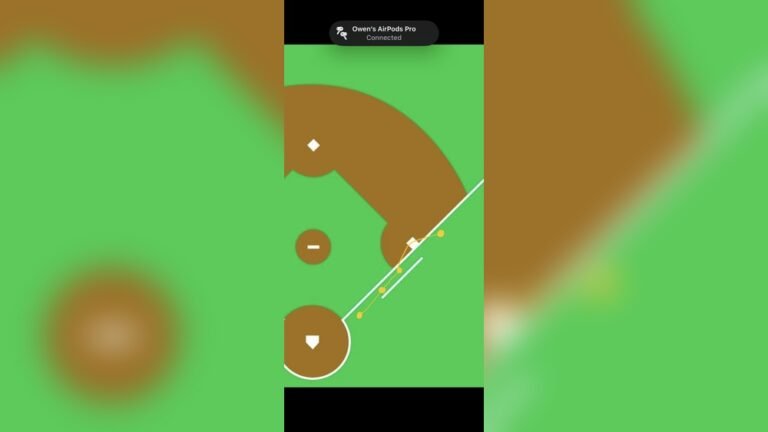
A foul ball is a batted ball that lands or is touched in foul territory. In professional baseball, the field is divided into fair territory and foul territory. The lines that run from home plate through first and third base, and then extend to the outfield fence, are called the foul lines. These lines are part of fair territory.
When a batter hits a ball, it can travel in several directions. If the ball settles or is first touched in fair territory, it’s a fair ball. If it settles or is first touched in foul territory, it’s a foul ball.
But the rules go deeper than this simple definition.
How Foul Territory Is Defined
Foul territory is any area outside the two foul lines. This includes:
- The ground outside first and third base lines
- The area beyond home plate, outside the foul lines
- The stands and dugouts (if a batted ball reaches these areas)
The foul lines themselves are considered fair. This means if a ball lands directly on the line, it’s a fair ball.
Here’s a simple way to remember:
- On the line = Fair
- Off the line = Foul
Official Rulebook Definition
The Major League Baseball (MLB) rulebook gives a detailed definition. According to Rule 2.00, a foul ball is:
> “A batted ball that settles on foul territory between home and first base or between home and third base, or that bounds past first or third base on or over foul territory, or that first falls on foul territory beyond first or third base, or that, while on or over foul territory, touches the batter or any part of his clothing or equipment, or an umpire, or any object foreign to the natural ground.
“
This official language covers almost every situation you’ll see on the field.
Key Moments When Foul Ball Rules Matter
Knowing whether a ball is foul or fair can completely change the outcome of a play. Here are some important moments where the foul ball rule comes into play:
- Batting Counts: A foul ball counts as a strike, but not for strike three (unless it’s a bunt attempt).
- Base Runners: A foul ball means runners must return to their original bases.
- Home Runs: A ball hit over the outfield fence in foul territory is just a foul ball—not a home run.
- Catches in Foul Territory: If a fielder catches a foul ball before it touches the ground, the batter is out.
Foul Ball Vs. Foul Tip
Many people mix up a foul ball and a foul tip. Here’s the difference:
- A foul ball is any batted ball that lands or is touched in foul territory.
- A foul tip is a ball that goes sharply and directly from the bat to the catcher’s hand or glove and is caught. This counts as a strike, even for strike three, and the ball stays live.
Foul Ball Scenarios Explained
Let’s look at some common and uncommon situations involving foul balls.
1. Ball Hits The Ground In Foul Territory
If a batter hits the ball and it lands in foul territory between home plate and first or third base, it’s a foul ball—even if it rolls back into fair territory.
2. Ball Passes First Or Third Base In The Air
If the ball passes first or third base in the air and lands in foul territory, it’s a foul ball. However, if it passes over the base (even just touching the corner) and then goes foul, it’s a fair ball.
3. Ball Settles On Foul Territory Beyond Bases
Beyond first and third base, if a ball lands or is touched in foul territory, it’s a foul ball. If it lands in fair territory first, it’s fair—even if it bounces foul after.
4. Bunt Attempt With Two Strikes
A unique rule applies here. If a batter bunts the ball foul with two strikes, it counts as strike three and the batter is out. This is one of the few ways a foul ball can cause a strikeout.
5. Ball Hits Batter In The Box
If a batted ball hits the batter while he’s still in the batter’s box, it’s automatically a foul ball, regardless of where the ball lands.
What Happens After A Foul Ball?
When a foul ball is called, the play is usually dead. This means:
- Runners must return to their original bases.
- The count on the batter is updated.
- The pitcher gets a new ball if the previous one went into the stands.
There are a few exceptions, such as a foul tip or if a foul ball is caught for an out, but most of the time, action stops.
Comparing Foul Ball And Fair Ball Outcomes
Understanding the difference between a foul and a fair ball helps explain why these rules matter so much. The table below summarizes the main outcomes:
| Play Type | Action | Result for Batter | Result for Runners |
|---|---|---|---|
| Foul Ball | Lands or touched in foul territory | Strike (unless 2 strikes, except on bunt) | Return to original base |
| Fair Ball | Lands or touched in fair territory | Live ball (potential hit or out) | May advance at own risk |
| Foul Tip | Directly caught by catcher | Strike (can be strike three) | Live ball (can be stolen) |
Foul Ball Rules For Different Leagues
While professional baseball follows MLB rules, other leagues like Little League or college baseball often use similar foul ball definitions. However, the way the rules are enforced can vary. For example, in some youth leagues, a ball that hits the backstop may be declared dead immediately, while in professional baseball, play might continue until the umpire calls time.
Unique Foul Ball Situations
Some plays are rare but important to understand.
Ball Hits An Umpire Or Object
If a batted ball hits an umpire or any foreign object in foul territory, it’s a foul ball. This includes things like a bird, a fan, or even a dropped hat.
Ball Caught In Foul Territory
If a fielder catches a fly ball in foul territory, it’s still an out. Runners may tag up and advance after the catch, just as with a fly ball in fair territory.
Ball Hits The Foul Pole
The foul poles help umpires decide if a ball is fair or foul on home run attempts. If a ball hits the foul pole above the fence, it’s considered a fair ball and a home run.

Foul Ball And The Batter’s Count
The way foul balls affect the batter’s count is a key strategy point in baseball.
- First and second strike: Foul balls count as strikes.
- Third strike: A foul ball does not count as strike three, unless it’s a bunt attempt.
- Foul tip: Counts as a strike, even for strike three.
This rule gives batters a chance to keep battling, especially with two strikes.
Strategic Use Of Foul Balls
Experienced hitters sometimes foul off tough pitches on purpose to stay alive in the at-bat. This is especially common with two strikes, as a foul ball can extend the at-bat and tire out the pitcher.
For example, in a 2021 MLB game, Yadier Molina fouled off eight pitches in a single at-bat before finally getting a hit. These long at-bats can change the momentum of a game.
Foul Ball Data And Statistics
Foul balls are more common than many fans realize. In the 2022 MLB season, about 18% of all pitches resulted in a foul ball. This means nearly one in five pitches ends up in foul territory.
Here’s a data comparison for context:
| Season | Total Pitches | Foul Balls | Foul Ball Rate |
|---|---|---|---|
| 2022 | ~720,000 | ~130,000 | 18% |
| 2015 | ~700,000 | ~115,000 | 16.5% |
| 2010 | ~680,000 | ~108,000 | 15.9% |
Foul balls have increased slightly over the years, as hitters try to avoid strikeouts by making contact with tough pitches.
Safety And Foul Balls
Foul balls can be dangerous for fans sitting close to the field. In recent years, MLB teams have extended protective netting to shield fans from high-speed foul balls. Some foul balls leave the bat at speeds over 100 miles per hour, making them a real hazard.
Fans are advised to stay alert, especially along the first and third base lines.
Common Misunderstandings About Foul Balls
Many people believe a ball that rolls foul before first or third base is always foul. The truth is, umpires wait to see where the ball settles or is touched. If it rolls back into fair territory before passing the base, it’s fair!
Another common myth: a foul ball with two strikes always means strike three. Remember, this is only true on a foul bunt.
How Fans Can Catch Foul Balls
Catching a foul ball is a thrilling moment for many fans. In most professional parks, you can keep the ball as a souvenir. However, safety comes first—never reach onto the field or over railings, and always be aware of your surroundings.
The Role Of Umpires In Foul Ball Calls
Umpires have to make split-second decisions on foul balls. They watch the flight of the ball, listen for contact, and check where the ball lands or is touched. Their job is not easy, especially on line drives near the foul line.
In close cases, instant replay can be used in Major League Baseball to review fair or foul ball calls on home runs and boundary plays.
How Foul Ball Rules Affect Game Strategy
Coaches and players use foul ball rules to make smart choices. For example:
- Pitchers may throw fastballs inside to try to induce foul balls.
- Batters may try to foul off pitches to increase the pitcher’s pitch count.
- Fielders must decide whether to try for a tough catch in foul territory or let the ball drop and get another chance at the batter.
These decisions can influence the outcome of an inning or even the entire game.
Foul Ball Fun Facts
- The longest at-bat in MLB history (21 pitches) included 16 foul balls.
- Some stadiums have “foul ball zones” where fans are more likely to catch a souvenir.
- A rare event: A ball can hit the foul pole, bounce back onto the field, and still be a home run.
Famous Foul Ball Moments
In the 2003 National League Championship Series, Chicago Cubs fan Steve Bartman reached for a foul ball, interfering with a Cubs player’s chance to catch it. This moment is still talked about today as a turning point in the series.
Another example: In 2017, a young fan was hit by a foul ball at Yankee Stadium, leading MLB to require more protective netting in all parks.
Frequently Asked Questions
What Is The Difference Between A Foul Ball And A Foul Tip?
A foul ball is any batted ball that lands or is touched in foul territory. A foul tip is a ball that goes sharply and directly from the bat to the catcher’s glove and is caught. Foul tips are counted as strikes and can be the third strike for an out.
Does A Foul Ball Count As A Strike?
Yes, a foul ball counts as a strike, except when the batter already has two strikes. Then, a foul ball does not count as strike three—unless the batter attempts a bunt and fouls it off.
Can A Runner Advance On A Foul Ball?
Usually, runners must return to their original base after a foul ball. The exception is if a fielder catches a foul fly ball; runners can tag up and try to advance after the catch.
What Happens If A Ball Hits The Foul Pole?
If a batted ball hits the foul pole above the fence, it is considered a fair ball and a home run. The poles are used to help umpires judge close calls on home run attempts.
Are Foul Ball Rules The Same In All Leagues?
Most leagues use similar definitions for foul balls, but some local or youth leagues may have small differences. Always check your league’s rulebook for the exact details. For the official MLB rules, you can visit the MLB Rules Wikipedia page.
A clear understanding of foul balls makes watching or playing baseball much more enjoyable. The next time you see a dramatic play near the foul line, you’ll know exactly why every inch matters. Foul ball rules are more than just technicalities—they’re a big part of what makes baseball unique and exciting.
