
Scuba diving is an incredible activity that lets people explore underwater worlds. Whether you dive in the ocean, lake, or pool, you are surrounded by water, and your body reacts differently compared to being on land. One of the most important concepts in scuba diving is buoyancy. Understanding buoyancy is essential for safety, comfort, and enjoyment underwater. Many new divers struggle with buoyancy, but learning how it works and how to control it can transform your diving experience.
The Meaning Of Buoyancy In Scuba Diving
Buoyancy is the force that makes things float or sink in water. In simple words, it is the upward force that water puts on an object. If buoyancy is stronger than gravity, the object rises. If gravity is stronger, it sinks. If both forces are equal, the object stays at the same depth. In scuba diving, managing buoyancy means controlling whether you float, sink, or stay neutral (hovering at one spot).
For divers, neutral buoyancy is the goal. Neutral means you neither go up nor down, but stay exactly where you want in the water. This helps you move easily, save energy, and protect the underwater environment.
How Buoyancy Works: The Science Explained
The basic idea of buoyancy comes from Archimedes’ Principle. This principle says that any object in water is pushed up by a force equal to the weight of the water it displaces. For example, if you drop a stone in water, it displaces some water and feels lighter due to the upward force.
When you scuba dive, your body, wetsuit, equipment, and air in your lungs all affect buoyancy. Here is a simple breakdown of the forces:
- Gravity: Pulls you down toward the bottom.
- Buoyancy: Pushes you up toward the surface.
If both forces are equal, you have neutral buoyancy. If gravity wins, you sink. If buoyancy wins, you float.
Types Of Buoyancy In Diving
There are three main types of buoyancy:
- Positive Buoyancy: You float upwards. This happens when you have more air in your BCD (buoyancy control device) or lungs.
- Negative Buoyancy: You sink downwards. This happens when your weight is too heavy or you have less air in your BCD.
- Neutral Buoyancy: You stay at one depth. This is the ideal state for divers.
Understanding these types helps you adjust your equipment and body position for safe and enjoyable dives.
Why Buoyancy Matters Underwater
Controlling buoyancy is not just about floating or sinking. It affects many parts of your dive:
- Safety: Poor buoyancy can cause uncontrolled ascents or descents, leading to dangerous situations like decompression sickness.
- Comfort: Good buoyancy lets you glide smoothly, avoiding fatigue.
- Environmental Protection: Neutral buoyancy prevents you from touching, kicking, or damaging corals and marine life.
- Air Consumption: Proper buoyancy reduces effort, so you use less air and can dive longer.
Most diving accidents happen because of poor buoyancy control. Learning to manage it is essential for every diver.

The Role Of Equipment In Buoyancy
Several pieces of equipment help divers control their buoyancy. The main tools are:
Buoyancy Control Device (bcd)
The BCD is a jacket or vest that can be inflated or deflated with air. It is the primary tool for adjusting buoyancy. By adding air, you increase buoyancy (float more). By releasing air, you decrease buoyancy (sink more).
Weights
Divers wear weights to offset their natural buoyancy. Humans and wetsuits are often positively buoyant, so weights help achieve balance. Weights are usually made of lead and worn on a belt or integrated into the BCD.
Wetsuit And Exposure Suits
Wetsuits add buoyancy because they are made from neoprene, which contains air bubbles. Thicker wetsuits give more buoyancy, so divers need more weights to balance.
Tanks
The scuba tank affects buoyancy too. When full, it is heavier, but as air is used, the tank becomes lighter and more buoyant.
Fins And Other Gear
Even small items like fins, masks, and accessories can change your buoyancy slightly. Every piece of gear matters when achieving perfect balance.
How To Achieve Neutral Buoyancy
Getting neutral buoyancy takes practice and attention. Here are the main steps:
- Check Your Weight: Start with the right amount of weight. Too much weight makes you sink, too little makes you float. Most divers need a weight check before each dive.
- Adjust Your BCD: Add or release air to your BCD as needed. Small adjustments are best.
- Control Your Breathing: Your lungs act like a mini BCD. If you take a deep breath, you become more buoyant. Exhale, and you sink slightly.
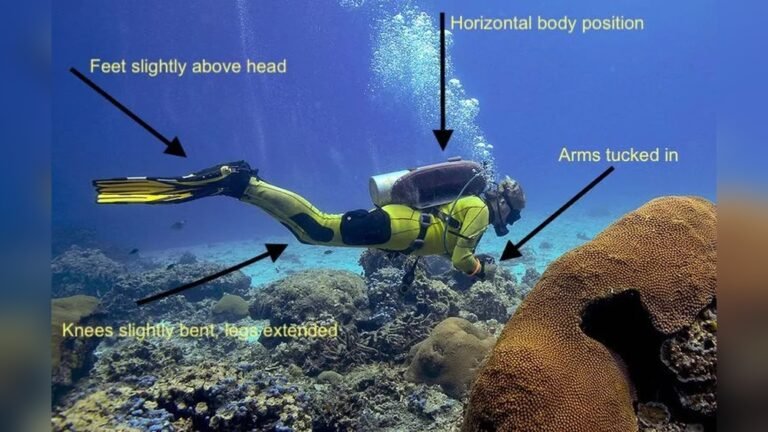
- Body Position: Keeping your body flat and streamlined helps maintain balance. Spread your arms and legs gently.
- Practice Hovering: Try to stay still at one depth without moving fins or arms. This is the real test of neutral buoyancy.
Many beginners forget to adjust for changes during the dive, such as wetsuit compression or tank weight. Stay alert and adjust as needed.
Buoyancy Changes During A Dive
Buoyancy is not static; it changes during your dive. Some key factors:
- Wetsuit Compression: As you dive deeper, water pressure squeezes your wetsuit, making it less buoyant. You may need to add air to your BCD as you go deeper.
- Tank Weight: Your tank gets lighter as you use air, making you more buoyant near the end of your dive.
- Saltwater vs. Freshwater: Saltwater is denser and gives more buoyancy. You need more weights in the ocean than in a lake or pool.
Here is a comparison of buoyancy in saltwater and freshwater:
| Water Type | Buoyancy Effect | Weight Needed |
|---|---|---|
| Saltwater | More buoyant | More weight required |
| Freshwater | Less buoyant | Less weight required |
Many divers do not realize that even a small change in water salinity can affect buoyancy. Always check your weighting for each environment.
Common Buoyancy Mistakes And How To Avoid Them
New divers often make mistakes with buoyancy. Here are some of the most frequent errors:
- Overweighting: Carrying too much weight makes you sink and work harder, increasing air use.
- Underweighting: Not enough weight means you float uncontrollably, especially at safety stops.
- Poor BCD Use: Adding or releasing too much air at once causes big changes. Small adjustments are key.
- Ignoring Breathing: Forgetting how breath affects buoyancy leads to sudden rises or drops.
- Not Practicing Hovering: Skipping buoyancy practice means poor control in real dives.
- Wrong Body Position: An unbalanced posture can push you up or down unexpectedly.
Avoiding these mistakes improves your diving experience and protects underwater life.
Training And Practice For Buoyancy Control
Proper training is essential for good buoyancy. Most scuba courses, like Open Water Diver, include buoyancy lessons and practice sessions. These usually cover:
- Weight checks
- BCD operation
- Breathing techniques
- Hovering skills
More advanced courses, such as Peak Performance Buoyancy, focus on perfecting your control. Experienced instructors can help you find the right balance for your body and equipment.
Practice is just as important as theory. Try these exercises:
- Hovering for 1 minute: Stay still at one depth, using only breath control.
- Fin pivots: Use your fins to gently adjust your position.
- Swimming through hoops: Challenge your control by passing through underwater rings.
Consistent practice builds muscle memory, so you react naturally during real dives.
Buoyancy And Marine Conservation
Good buoyancy is essential for protecting the underwater world. Many beautiful reefs and marine creatures are fragile. Poor control can cause:
- Broken corals
- Stirred-up sand, reducing visibility
- Harm to sea creatures
Divers with neutral buoyancy float above the reef, avoiding contact and damage. Marine parks often require divers to show buoyancy skills before entering sensitive areas.
Here’s a comparison of diver impact based on buoyancy skill:
| Buoyancy Skill | Environmental Impact | Visibility |
|---|---|---|
| Poor Control | High (damages reef) | Low (stirs sand) |
| Good Control | Low (protects reef) | High (clear water) |
If you want to be a responsible diver, buoyancy control is one of the most important skills to master.
Advanced Buoyancy Techniques
Experienced divers use advanced techniques for better control:
- Trim Adjustment: Trim means your body’s angle in the water. Good trim makes you glide smoothly.
- Breath Control: Mastering slow, deep breathing lets you make fine adjustments without touching your BCD.
- Minimal Movement: Staying still and moving only when needed saves energy and keeps you balanced.
- Streamlining Equipment: Reducing drag by keeping gear close to the body improves buoyancy.
These techniques are often missed by beginners but are vital for advanced diving, photography, or exploring wrecks.
Real-life Examples Of Buoyancy Problems
To see how buoyancy affects diving, consider these cases:
- A diver with too much weight struggles to ascend and uses air quickly, ending the dive early.
- Another diver with too little weight floats up during a safety stop, risking decompression sickness.
- A third diver with perfect neutral buoyancy hovers easily, explores longer, and protects the reef.
Even experienced divers make mistakes if they forget to adjust for equipment changes or dive conditions. Regular checks and practice are necessary.

Buoyancy In Technical Diving
Technical diving, such as cave or wreck exploration, demands even greater buoyancy control. Divers often use multiple tanks, dry suits, and special gear. Here’s a comparison of buoyancy needs:
| Dive Type | Buoyancy Challenge | Solution |
|---|---|---|
| Recreational | Basic balance | BCD and weights |
| Technical | Complex gear | Advanced trim and training |
Technical divers must master buoyancy to avoid accidents in tight spaces or deep water.
Latest Developments And Research
New research and technology continue to improve buoyancy control. Modern BCDs, better training methods, and digital tools help divers achieve safer and more enjoyable dives. For example, some BCDs have integrated weights and smart inflators for precise control. Scientific studies show that divers with better buoyancy skills protect marine life and dive longer.
If you want to learn more about the science behind buoyancy and diving, visit Wikipedia’s Buoyancy page.

Frequently Asked Questions
What Is Neutral Buoyancy In Scuba Diving?
Neutral buoyancy means staying at one depth without rising or sinking. Divers achieve it by balancing weights, BCD air, and breathing.
How Do I Know If I Have The Right Amount Of Weight?
The right weight lets you sink slowly with an empty BCD and float at eye level with lungs full at the surface. Adjust before each dive for best results.
Why Does My Buoyancy Change During The Dive?
Buoyancy changes due to wetsuit compression, air use in the tank, and different water types. Always adjust your BCD and weights as needed.
Can Poor Buoyancy Harm The Environment?
Yes, poor control can damage corals, stir up sand, and hurt marine life. Good buoyancy protects the underwater world.
What Is The Best Way To Practice Buoyancy?
Practice hovering at one depth, try fin pivots, and get feedback from instructors. Consistent practice builds skill and confidence.
Mastering buoyancy in scuba diving is a journey worth taking. With knowledge, practice, and the right equipment, you can dive safer, longer, and protect the amazing underwater world for everyone.
