
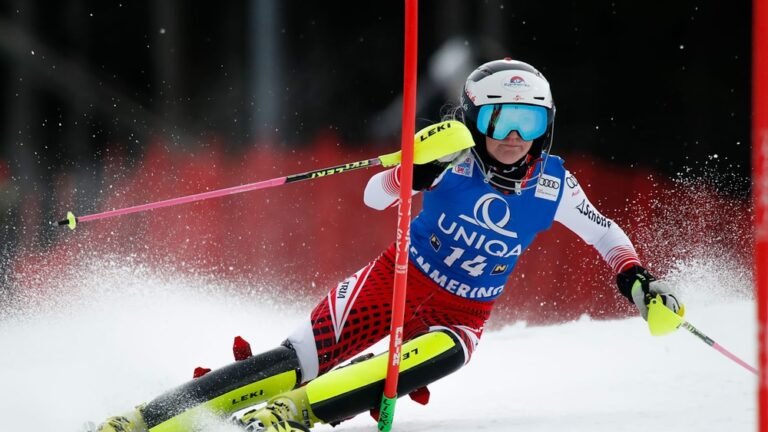
Alpine skiing is a sport that combines speed, skill, and breathtaking mountain scenery. For many people, it is more than just a winter pastime—it is a thrilling challenge that tests both body and mind. Whether you have watched the Olympics or just seen skiers gliding down snowy slopes, you might wonder what exactly alpine skiing is, how it works, and why so many are passionate about it.
This article will explain everything you need to know, from the basics to the details that even some beginners miss.
What Is Alpine Skiing?
Alpine skiing is a type of skiing where the skier slides down snow-covered hills using fixed-heel bindings. In simple words, your boots are attached firmly to the skis, and you control your movement by shifting your weight and using the edges of your skis.
Unlike cross-country skiing, which takes place on flatter terrain, alpine skiing is all about going downhill. This sport is also called “downhill skiing” in some countries.
This style of skiing developed in the European Alps—hence the name “alpine. ” Today, it is popular worldwide, with ski resorts in North America, Europe, Asia, and beyond. Alpine skiing is not only a recreational activity; it is also a major competitive sport, featured in the Winter Olympic Games and other international competitions.
The Main Alpine Skiing Disciplines
There are five main disciplines in competitive alpine skiing. Each requires different skills and equipment.
- Downhill: The fastest event in alpine skiing. Skiers race down a long, steep course with very few turns. Speeds can reach up to 130 km/h (over 80 mph). Downhill is all about courage, control, and aerodynamics.
- Super-G (Super Giant Slalom): Similar to downhill, but with more turns and a slightly shorter course. It combines the speed of downhill with the technical demands of turning.
- Giant Slalom: Features many wide, sweeping turns. The gates (poles marking the course) are set farther apart than in slalom, but closer together than in Super-G.
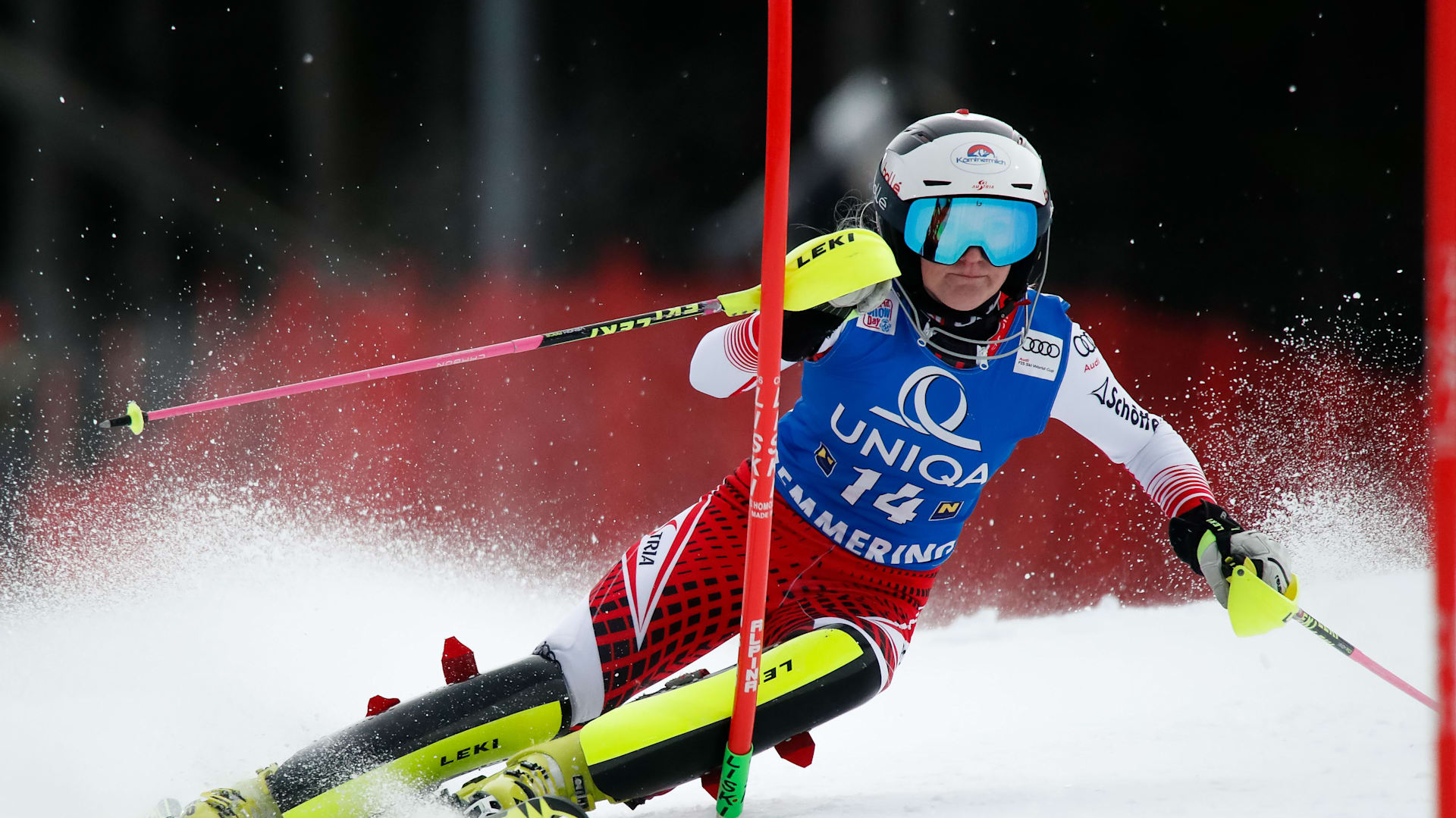
- Slalom: Known for its quick, sharp turns. Gates are very close together, requiring rapid direction changes. This is the most technical discipline.
- Alpine Combined: A mix of downhill (or Super-G) and slalom. The skier’s times from both runs are added together. It tests both speed and technical ability.
These disciplines each have unique rules and challenges. Many top athletes specialize in one or two, while some compete in all.

Basic Equipment Used In Alpine Skiing
Alpine skiing requires specialized equipment to ensure safety and performance. Each item has a specific role.
- Skis: Designed for control and speed. Race skis are usually longer and stiffer, while recreational skis are shorter for easier turning.
- Bindings: Attach your boots to the skis. They are designed to release during a fall to reduce injury risk.
- Ski Boots: Hard plastic boots that provide ankle support and precise control.
- Poles: Help with balance, timing, and pushing on flat areas.
- Helmet: Protects your head from injury.
- Goggles: Shield your eyes from snow, wind, and UV rays.
- Ski Suit: Tight, wind-resistant clothing for racers; insulated clothing for recreational skiers.
- Gloves: Keep hands warm and offer protection.
Comparison Of Equipment For Racing Vs. Recreational Skiing
| Equipment | Racing | Recreational |
|---|---|---|
| Skis | Longer, stiffer, discipline-specific | Shorter, more flexible, all-mountain |
| Boots | Very stiff, tight fit | More comfortable, medium flex |
| Ski Suit | Skin-tight, aerodynamic | Insulated, for warmth |
How Alpine Skiing Competitions Work
Competitive alpine skiing is organized with strict rules to ensure fairness and safety. Let’s break down how these events are held.
The Course
Each discipline has its own type of course, marked by colored gates (pairs of poles). The layout changes for every race. Course setters adjust the number of turns, the steepness, and the length to match the discipline. For example, slalom courses are shorter with more gates, while downhill courses are long and fast.
Timing
Races are timed to hundredths of a second. In most events, each skier gets one or two runs. The fastest total time wins. In slalom and giant slalom, the combined time of two runs (on different courses) determines the winner.
In downhill and Super-G, there is usually only one run.
Safety
Alpine skiing can be dangerous. Organizers use safety nets, padding, and strict equipment checks. Helmets are mandatory in all races. Medical teams are always present.
Levels Of Competition
- Local and regional races: For young and amateur skiers.
- National championships: Each country crowns its best skiers.
- International races: The FIS World Cup is the highest level, followed by World Championships and the Winter Olympics.
The History Of Alpine Skiing
Alpine skiing has a rich history. Early forms of skiing date back thousands of years in Scandinavia, but modern alpine skiing began in the European Alps in the late 19th and early 20th centuries.
- First races: The first recorded alpine ski race was held in 1911 in Montana, Switzerland.
- Growth: The sport spread rapidly across Europe and North America. Ski lifts and resorts made it more accessible.
- Olympics: Alpine skiing became an Olympic sport in 1936 at the Garmisch-Partenkirchen Games.
- FIS World Cup: Launched in 1967, it is now the main international circuit.
Today, millions of people ski for fun or competition every year. Alpine skiing is a major industry, supporting tourism and local economies in mountain regions.
How To Start Alpine Skiing
Getting started in alpine skiing is easier than you might think. Here’s what you need to do:
- Choose a ski resort: Look for one with beginner slopes and a ski school.
- Rent or buy equipment: Beginners should rent to learn what they like before buying.
- Take lessons: Professional instructors can teach you proper technique, safety, and how to use lifts.
- Dress for the weather: Wear layers, waterproof clothing, and sunscreen.
- Practice basic skills: Learn to stop, turn, and control your speed.
Example: Learning To Turn
Turning is the key to controlling your speed. Most beginners use the “snowplow” or “pizza” technique—pointing ski tips together and pushing heels out. As you improve, you’ll learn “parallel turns” for more speed and style.
Common Mistakes And How To Avoid Them
Even enthusiastic beginners make errors that slow their progress or cause frustration. Here are some you should watch out for:
- Leaning back: Many new skiers lean away from the slope, which makes it harder to turn or stop. Try to keep your weight balanced over the middle of your feet.
- Stiff legs: Locking your knees makes it harder to absorb bumps and control your skis. Stay relaxed and bend your knees slightly.
- Ignoring lessons: Some skip professional lessons, but good instruction can help you learn faster and avoid bad habits.
- Using advanced slopes too soon: Stick to green (easy) or blue (intermediate) runs until you are confident.
Physical Benefits Of Alpine Skiing
Alpine skiing is more than fun—it’s great for your body and mind. Here’s how:
- Cardio fitness: Skiing is an excellent aerobic workout. It raises your heart rate and burns calories (up to 500 calories per hour).
- Strength: It builds leg muscles, core stability, and even upper body strength from using poles.
- Balance and coordination: Every turn and movement improves your body control.
- Mental health: The fresh mountain air, beautiful scenery, and sense of accomplishment boost your mood and reduce stress.
Alpine Skiing Vs. Other Types Of Skiing
Some people confuse alpine skiing with other styles. Here’s a quick comparison.
| Type | Bindings | Terrain | Main Focus |
|---|---|---|---|
| Alpine Skiing | Fixed-heel | Downhill slopes | Speed, turns |
| Cross-country Skiing | Free-heel | Flat & rolling | Endurance, distance |
| Freestyle Skiing | Varies | Parks, jumps | Tricks, jumps |
| Ski Touring | Free-heel (switchable) | Uphill & downhill | Exploration, backcountry |
The World’s Most Famous Alpine Skiers
Some athletes have become legends in this sport. A few names you might recognize:
- Ingemar Stenmark (Sweden): Holds the record for the most World Cup wins in men’s alpine skiing.
- Lindsey Vonn (USA): One of the most successful female skiers, with 82 World Cup victories.
- Marcel Hirscher (Austria): Won the overall World Cup title eight times in a row.
- Mikaela Shiffrin (USA): Known for her slalom dominance and still active.
Their achievements have inspired millions and pushed the limits of what is possible on skis.
Alpine Skiing In The Olympics
Alpine skiing is one of the biggest attractions at the Winter Olympic Games. Since 1936, it has been a highlight for both athletes and fans. The Olympic program currently includes:
- Downhill
- Super-G
- Giant Slalom
- Slalom
- Alpine Combined
- Team Parallel Event (since 2018)
Each event awards gold, silver, and bronze medals for men and women. The Olympics showcase the highest level of skill and often introduce new fans to the sport.
Environmental Impact And Sustainability
Alpine skiing depends on mountain environments, which are sensitive to climate change. Resorts use snowmaking machines, which require large amounts of water and energy. Skiing can also affect local wildlife.
However, many resorts are now adopting eco-friendly practices:
- Using renewable energy for lifts and snowmaking.
- Limiting construction to protect habitats.
- Educating visitors about conservation.
If you care about nature, choose resorts that have strong environmental policies.
Tips For Safe And Enjoyable Alpine Skiing
To have a positive experience, keep these practical tips in mind:
- Warm up before skiing: Stretch and move to prevent muscle injuries.
- Check weather and avalanche reports: Conditions can change quickly.
- Respect the rules: Stay on marked runs and follow resort guidelines.
- Take breaks: Fatigue leads to mistakes and accidents.
- Stay hydrated and eat well: Energy is essential for skiing all day.
Remember, it’s not just about speed—it’s about having fun and staying safe.
Non-obvious Insights For Beginners
Most guides tell you the basics, but here are two insights that many beginners overlook:
- Snow quality changes everything: Fresh powder, icy patches, or wet snow all feel different under your skis. Learning to adjust your technique for different snow types will make you a much better skier.
- Vision is key: Many new skiers focus on their feet, but looking ahead (10–20 meters) helps you anticipate turns and spot hazards early. Good vision leads to smoother, safer skiing.
Frequently Asked Questions
What Is The Difference Between Alpine Skiing And Nordic Skiing?
Alpine skiing uses fixed-heel bindings and is focused on going downhill on steep slopes. Nordic skiing, including cross-country, uses free-heel bindings and is mostly on flat or rolling terrain. The techniques and equipment are quite different.
How Fast Do Alpine Skiers Go?
In the downhill event, top racers can reach speeds of 120–130 km/h (about 75–80 mph). Recreational skiers usually go much slower, between 20–50 km/h, depending on their skill and the slope.
Do I Need To Be Very Fit To Start Alpine Skiing?
You do not need to be an athlete, but basic fitness helps. Good leg strength and balance will make learning easier and reduce your risk of injury. Most people can start with gentle slopes and improve their fitness as they ski.
What Is The Best Age To Start Alpine Skiing?
Children as young as 3 or 4 can begin learning in special ski schools. However, it is never too late to start! Many adults learn to ski and enjoy the sport for decades.
Where Can I Learn More About Alpine Skiing Rules And Events?
You can visit the official website of the International Ski Federation (FIS) for detailed information about rules, events, and athlete rankings: FIS Wikipedia.
Alpine skiing brings together adventure, skill, and the beauty of winter mountains. Whether you dream of racing or just want to try a new sport, the world of alpine skiing welcomes everyone. With the right approach and knowledge, your journey down the slopes can be exciting, safe, and unforgettable.

