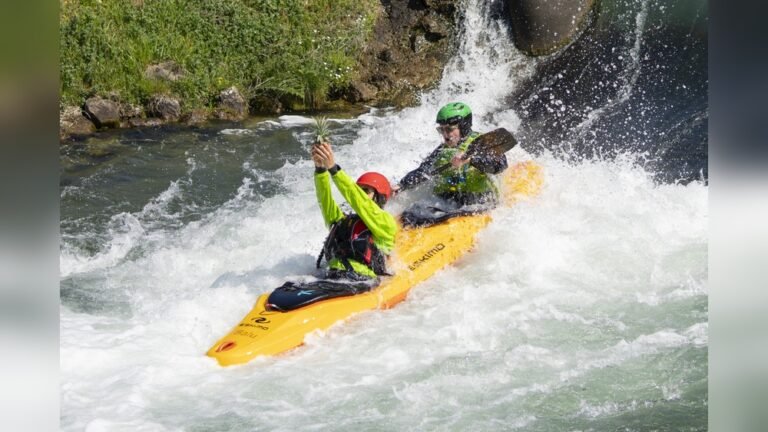
Whitewater kayaking is more than just a sport—it’s an adventure on fast-moving rivers. But for many, the term whitewater kayak is a bit confusing. What makes it different from a regular kayak? Why are these boats so specialized? This article will help you understand exactly what a whitewater kayak is, how it works, and why it’s designed the way it is. Whether you’re curious about river sports or thinking of trying it yourself, you’ll find answers to questions you didn’t even know you had.
What Is A Whitewater Kayak?
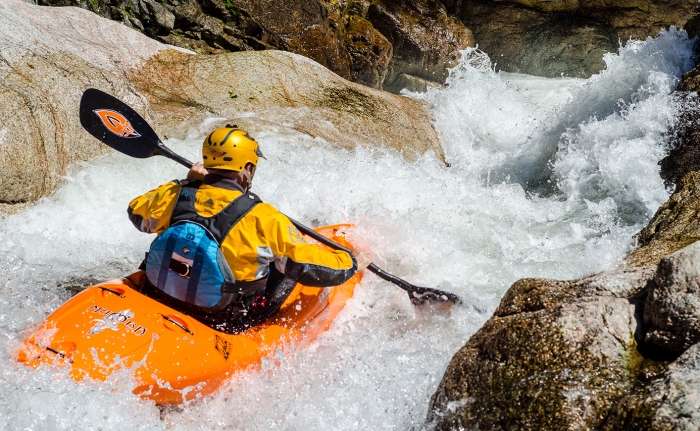
A whitewater kayak is a small, specialized boat designed for navigating rivers with rapids and fast-moving water. These kayaks are built to handle rough conditions that would be dangerous or impossible for regular kayaks. The main goal is to give the paddler control, safety, and the ability to perform quick maneuvers.
The name “whitewater” comes from the frothy, white appearance of water as it rushes over rocks and drops. This type of kayaking is not about speed in a straight line. Instead, it’s about handling unpredictable water, avoiding obstacles, and sometimes even doing tricks.
The design of a whitewater kayak is a result of decades of experimentation and innovation. Today’s models are made using tough plastics, strong paddles, and safety features that help kayakers explore challenging rivers worldwide.
Key Features Of A Whitewater Kayak
Whitewater kayaks have several unique features that set them apart from other types of kayaks. Understanding these features helps explain why these boats look and behave the way they do.
Hull Shape
The hull is the bottom part of the kayak that touches the water. In whitewater kayaks, the hull is often rounded or slightly flat (planing hull). This shape helps the kayak spin, surf, and move quickly from side to side. It also makes the boat less likely to get stuck on rocks.
Length And Width
Whitewater kayaks are usually much shorter than sea or touring kayaks. Most are between 5 and 9 feet (1. 5 to 2. 7 meters) long. The shorter length means the kayak can turn quickly and fit into tight spaces. The width gives more stability in rough water.
Rocker
Rocker is the curve from the front to the back of the kayak. More rocker means the boat’s ends are raised above the water. This helps the kayak go over waves and drops without getting stuck or “pearling” (diving into the water).
Cockpit Size
The cockpit is the opening where the paddler sits. Whitewater kayaks have small cockpits to keep water out and to help the paddler fit snugly. A tight fit is important for control, but it also means you need to learn how to get in and out safely.
Materials
Most whitewater kayaks are made from rotomolded polyethylene plastic. This material is strong, flexible, and can survive hits from rocks. Some high-end models use composite materials, but plastic is the standard for durability.
Safety Features
Modern whitewater kayaks include grab handles, foot braces, and a backrest. These features not only add comfort but also help in rescue situations. Many models have reinforced ends for dragging and rescue lines attached.
Types Of Whitewater Kayaks
There is no single type of whitewater kayak. In fact, several designs exist for different river conditions and paddling styles. Each type has pros and cons, depending on what you want to do.
| Type | Length | Main Use | Typical Features |
|---|---|---|---|
| Creek Boat | 7–9 ft | Steep, technical rivers | High volume, lots of rocker |
| River Runner | 7–9 ft | General whitewater, all-round | Balanced design, moderate rocker |
| Playboat | 5–7 ft | Tricks, surfing, play waves | Short, flat hull, low volume ends |
| Crossover | 9–12 ft | Flatwater + whitewater | Longer, sometimes with skeg |
Creek Boats
Creek boats are for steep, technical rivers with lots of drops. They have a high volume (more space inside) to stay above water and make it easier to resurface after big drops. They are forgiving for beginners but heavy to carry.
River Runners
These are the most versatile whitewater kayaks. They work for beginners and advanced paddlers alike. River runners are good for learning skills, running medium rivers, and playing in small waves.
Playboats
If you want to spin, surf, and do tricks, a playboat is for you. These boats are short and have flat hulls, making them easy to throw around. They are less stable in big rapids but perfect for freestyle kayaking.
Crossover Kayaks
Crossover kayaks combine features from touring and whitewater kayaks. They are good for people who want to paddle both flatwater and some easy rapids. They are longer, more stable, and sometimes have storage space.
How Whitewater Kayaks Differ From Other Kayaks
To really understand whitewater kayaks, it helps to compare them with sea, recreational, and touring kayaks.
| Feature | Whitewater Kayak | Sea Kayak | Recreational Kayak |
|---|---|---|---|
| Length | 5–9 ft | 12–18 ft | 8–12 ft |
| Hull Shape | Round or flat | Long, narrow, V-shaped | Flat, wide |
| Purpose | Rapids, tricks | Long-distance, ocean | Calm lakes, short trips |
| Material | Plastic | Plastic, fiberglass | Plastic |
Whitewater kayaks prioritize maneuverability and durability. Sea kayaks are made for straight-line speed and carrying gear. Recreational kayaks are for calm water and easy use. Each type has its own strengths and weaknesses, so using the right one for the job is key.
The Science Behind Whitewater Kayak Design
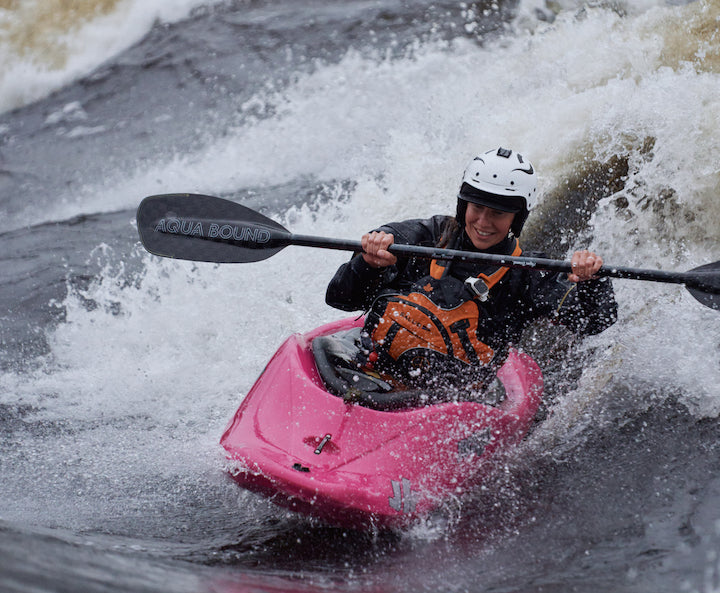
Designing a whitewater kayak is a mix of art and science. Small changes in shape or size can make a big difference in how the kayak feels and handles.
Volume And Buoyancy
The volume of a kayak affects how it sits in the water. High-volume kayaks stay on top of waves and resurface quickly after drops. Low-volume playboats sink more easily, making tricks possible but also catching on underwater rocks.
Edges
Sharp edges on the bottom of the kayak help grab the water, making it easier to turn or surf. Soft or rounded edges make the boat more forgiving and less likely to flip, but harder to do advanced moves.
Weight
Modern whitewater kayaks weigh between 35 and 55 pounds (16–25 kg). Lighter boats are easier to carry but may not be as tough. Heavier boats can take more abuse but tire you out faster.
Outfitting
Outfitting is how the inside of the kayak fits your body. Good outfitting means you can control the kayak with your hips, knees, and feet, not just your arms. This “body control” is why whitewater kayaking feels so different from other paddling sports.
How To Choose The Right Whitewater Kayak
Picking the right whitewater kayak depends on your goals, skill level, and local rivers. Here are some tips to help you make a smart choice:
- Skill Level: Beginners should start with a stable, forgiving river runner or creek boat. Avoid playboats until you have experience.
- Body Size: Kayaks come in different sizes for different weights and heights. Make sure to test the fit before you buy.
- Type of Rivers: If your local rivers are steep and technical, choose a creek boat. For gentler water, a river runner is best.
- Demo Before Buying: Many shops let you try kayaks before you buy. This helps you find the best fit for your paddling style.
- Used or New: Beginners can often find good deals on used boats. Make sure to check for deep scratches or repairs.
A common mistake is buying a kayak based only on looks or price. Comfort, fit, and purpose are far more important. If possible, ask local paddlers for advice or join a kayak club for guidance.
Safety Considerations
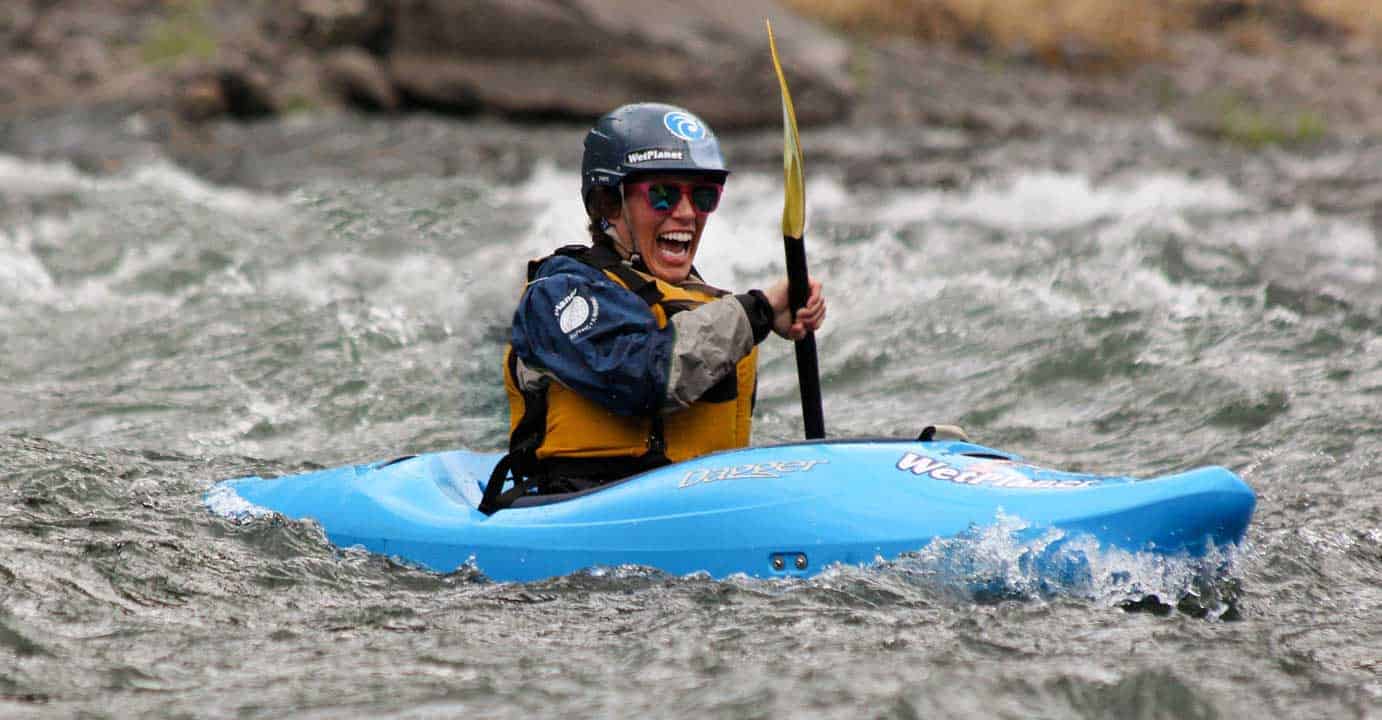
Whitewater kayaking is exciting, but it’s also risky if you don’t prepare. Here are essential safety tips:
- Always wear a helmet and life jacket (PFD).
- Learn how to do a wet exit (getting out if you flip).
- Take a class in basic river safety and rescue.
- Never paddle alone in unfamiliar rivers.
- Check weather, water levels, and obstacles before each trip.
Advanced kayakers carry extra gear such as throw ropes, knives, and first aid kits. Beginners should stick to easy rivers and paddle with a group.
Whitewater Kayaking Around The World
Whitewater kayaking is a global sport. Famous rivers like the Zambezi in Africa, the Futaleufú in Chile, and the Colorado River in the United States attract paddlers from everywhere. Some rivers are great for beginners, while others are only for experts.
In recent years, artificial whitewater parks have made the sport more accessible. These parks have man-made rapids and safety staff, making it easier to learn and practice close to home.
Non-obvious Insights For Beginners
- Learning to roll is more important than paddling hard. The “roll” is a skill to flip yourself upright after a capsize. It’s a game-changer for safety and confidence.
- Boat control comes from your hips, not your arms. Many beginners try to steer with the paddle, but real control comes from moving your body inside the kayak.
- River reading is a crucial skill. Understanding how water flows around rocks, drops, and waves helps you choose the safest line.
- Spray skirts are not just for keeping water out—they’re also for safety. Make sure you can remove yours quickly in an emergency.
Common Beginner Mistakes
- Choosing a kayak that’s too advanced for their skills.
- Ignoring the importance of proper safety gear.
- Not practicing self-rescue techniques before going into tough rapids.
- Underestimating the power and unpredictability of moving water.
The Future Of Whitewater Kayaks
New materials, better safety features, and improved designs are making the sport more accessible every year. Inflatable whitewater kayaks and sit-on-top models are growing in popularity, especially for people who want to try the sport without a big investment.
If you’re interested in the latest innovations and trends, check out the Whitewater Kayaking Wikipedia page for up-to-date information and resources.
Frequently Asked Questions
What Is The Main Difference Between A Whitewater Kayak And A Regular Kayak?
The main difference is design purpose. Whitewater kayaks are shorter, have more rocker, and are built to handle rapids and obstacles. Regular kayaks are longer, more stable, and designed for calm water or long distances.
Is Whitewater Kayaking Safe For Beginners?
Yes, but only with the right training and equipment. Beginners should start with easy rivers, take a class, and always paddle with a group. Wearing proper safety gear is a must.
Can I Use A Whitewater Kayak On Flatwater Lakes?
You can, but it’s not ideal. Whitewater kayaks are hard to paddle straight and are slower on flatwater. They are made for quick turns, not for covering long distances.
How Do I Transport A Whitewater Kayak?
Most whitewater kayaks fit on standard car roof racks. They are light enough for one person to carry, but always secure the boat well. Some people use inflatable models for easier transport and storage.
What Gear Do I Need Besides The Kayak?
You’ll need a helmet, personal flotation device (PFD), paddle, and a spray skirt. For cold water, a wetsuit or drysuit is recommended. Rescue gear, first aid, and proper footwear are also important for safety.
Whitewater kayaking opens a door to adventure and challenge. With the right knowledge and preparation, you can enjoy rivers in a whole new way. Understanding what makes a whitewater kayak special is the first step toward joining this exciting world.
