

What does it really mean when someone talks about a “surf session”? For many, the phrase sounds simple—it’s just a time when you go surfing, right? But for surfers, both beginners and experts, a surf session is much more than just catching a few waves.
It’s a combination of preparation, technique, timing, and even emotion. This article explains every part of a surf session, from the first steps on land to the final moments in the water. Whether you’re new to surfing or just want to understand the culture better, you’ll learn what makes a surf session unique—and why surfers talk about their sessions with such excitement.
Defining A Surf Session
A surf session is the period from when a surfer enters the water to when they leave. It includes all activities—paddling out, waiting for waves, catching them, and even breaks between sets. A session can last from 30 minutes to several hours, depending on the waves, weather, and personal energy. But a surf session is not just about the physical act of surfing. It’s also about connection to the ocean, reading the environment, and even socializing with other surfers.
Many surfers treat their sessions as both sport and ritual. For some, it’s a daily practice to clear the mind. For others, it’s a rare adventure. Each session is different due to changing tides, wind, and waves, making every experience unique.
Before The Session: Preparation And Mindset
Checking Conditions
Before grabbing a surfboard, surfers always check the surf conditions. This involves:
- Swell size: Measures how big the waves are.
- Wind direction: Offshore winds are usually better for surfing.
- Tide level: Some surf spots only work at certain tides.
- Crowds: Fewer people often means a better session.
Surfers use online tools, apps, and local knowledge to decide when and where to surf. Understanding these conditions can make the difference between a fun session and a frustrating one.
Choosing Equipment
The right surfboard matters. Beginners often use longboards, which are stable and easy to paddle. Advanced surfers might choose shortboards for quick turns. Wetsuits are needed in cold water, while board wax or traction pads help with grip. Sometimes, surfers bring extra fins or leashes.
Warming Up
A good warm-up prevents injuries. Simple stretches target the shoulders, back, and legs. Some surfers do quick sprints on the sand or practice their pop-up (the move from lying to standing on the board). This not only prepares the body but also helps focus the mind.
The Start Of A Surf Session
Entering The Water
The session truly begins when the surfer steps into the ocean. Respect for the surf etiquette starts here—don’t run over others, and watch out for swimmers. It’s common to pause and watch a few waves before paddling out, both to check the lineup and to feel the rhythm of the ocean.
Paddling Out
Paddling past the breaking waves can be hard, especially for beginners. Surfers use techniques like the “duck dive” (pushing the board under a wave) or “turtle roll” (flipping the board over) to get past the whitewater. This stage is tiring but exciting—the promise of waves is just ahead.
The Main Session: Catching Waves
Positioning In The Lineup
Once outside the breaking waves, surfers join the lineup. This is where everyone waits for waves. The lineup’s “pecking order” is based on who is closest to the breaking part of the wave, who has been waiting longest, and sometimes local rules. Good surfers respect others and take turns.
Reading And Selecting Waves
Not every wave is worth catching. Surfers watch the horizon for incoming sets, trying to guess which wave will be best. Factors include:
- Wave shape: Some are steep, others are more mellow.
- Left or right: Surfers often have a preferred direction.
- Crowd: If many people are paddling for the same wave, it might be better to wait for the next.
This skill, called “wave selection,” often separates beginners from experts.
The Takeoff And Ride
Catching a wave involves strong paddling, timing, and confidence. Surfers feel the wave lift their board, pop up to their feet, and ride the face. The ride itself can be short—just a few seconds—or long, depending on the wave and spot.
On the wave, surfers perform maneuvers like:
- Bottom turn: The first turn at the base of the wave.
- Cutback: Turning back toward the breaking part of the wave.
- Floater: Riding over a breaking section.
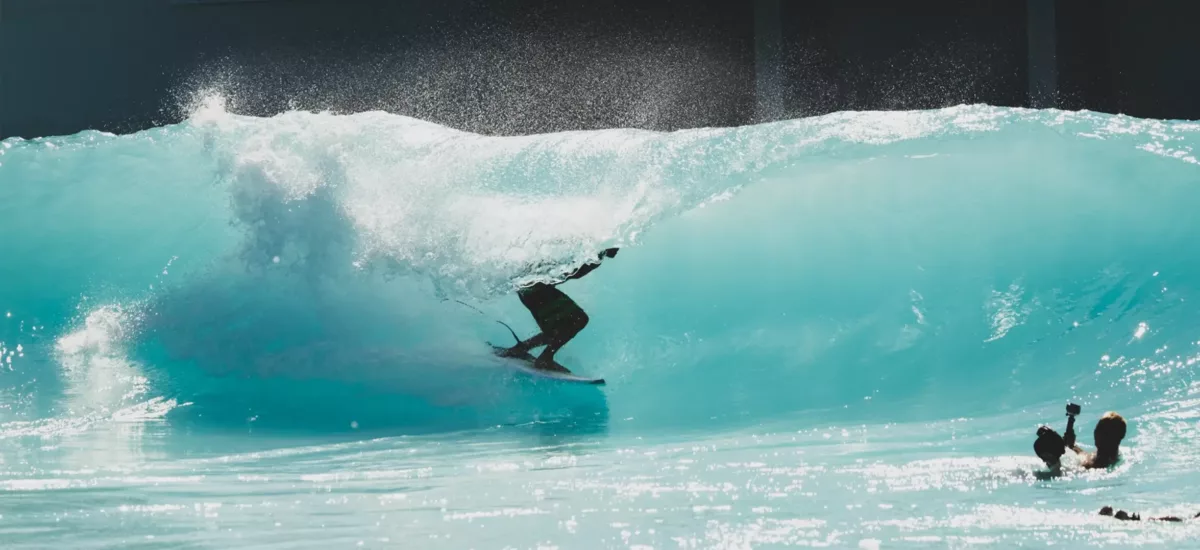
- Tube ride: Surfing inside the hollow part of the wave.
Each maneuver requires practice and ocean awareness. Even wiping out (falling) is part of the learning process.
Sharing The Space
Surfing is social. In the lineup, people chat, encourage each other, and sometimes compete for waves. Good surfers respect surf etiquette, such as:
- Not “dropping in” (taking a wave someone else is already riding).
- Apologizing for mistakes.
- Helping others in trouble.
These unspoken rules keep everyone safe and happy.
How Long Is A Surf Session?
There is no set length for a surf session. Some factors that decide the duration include:
- Wave quality: If the waves are great, sessions last longer.
- Physical fitness: Tiredness or cold can cut a session short.
- Time of day: Many surfers go at sunrise or sunset, when winds are calm.
- Personal goals: Some just want quick exercise, while others aim for hours of practice.
Most surfers spend between one and two hours in the water. Advanced surfers might stay longer, while beginners often get tired faster.
Average Session Times At Popular Surf Spots
Here’s a comparison of average session lengths at well-known surf destinations:
| Surf Spot | Average Session Time | Best Time to Surf |
|---|---|---|
| Bondi Beach, Australia | 1.5 hours | Early morning |
| Huntington Beach, USA | 2 hours | Sunrise or sunset |
| Uluwatu, Bali | 2.5 hours | Mid-morning |
| Hossegor, France | 1 hour | Late morning |
Sessions can be much shorter in cold water or crowded conditions.
Ending The Session
Signs It’s Time To Finish
You know a session is ending when:
- Muscles feel tired or heavy.
- The wind shifts and waves get messy.
- The tide changes and waves stop breaking well.
- You feel cold or start to shiver.
- The sun is setting or you have other commitments.
Some surfers “call one more wave” but end up catching several before actually leaving. Knowing when to stop prevents injuries and keeps the experience positive.
Getting Out Safely
Exiting the water requires attention. Watch for strong currents, rocks, or people. Hold your board securely and walk carefully on slippery rocks or reefs. Rinse your gear with fresh water if possible.
After The Session: Reflection And Recovery
Stretching And Hydration
A few minutes of stretching after surfing helps prevent muscle soreness. Drinking water is important, especially after long sessions in the sun. Some surfers eat a snack to refuel energy.
Reviewing The Session
Many surfers replay their waves in their minds, thinking about what went well and what could improve. Some even keep a surf journal. This helps track progress, remember conditions, and set goals for next time.
Social Time
Surfing is a community sport. After a session, it’s common to talk with friends, share stories, or just relax on the beach. This social side is a big part of the surf lifestyle.
What Makes A Great Surf Session?
Not every session is perfect, but the best ones share a few qualities:
- Good waves: Clean, rideable, and consistent.
- Few crowds: More waves for everyone.
- Personal progress: Landing a new maneuver, catching bigger waves, or feeling more confident.
- Connection to nature: Sunrises, dolphins, or simply the feel of the water.
Often, the best sessions are not the ones with the biggest waves, but the ones that leave you smiling and eager to surf again.
Common Mistakes During A Surf Session
Many beginners make the same errors. Avoiding these can help you progress faster.
- Skipping the warm-up: Leads to injuries or slow reactions.
- Ignoring local surf etiquette: Can cause arguments or even accidents.
- Choosing the wrong board: Makes catching waves much harder.
- Not checking conditions: You might end up in dangerous or flat water.
- Staying out too long: Exhaustion increases risk of accidents.
- Focusing only on others: Comparing yourself to better surfers can be discouraging.
Remember, even experts make mistakes sometimes. The key is to learn and improve.
Surf Session Types
Surf sessions are not all the same. Here’s a look at different session styles:
| Session Type | Who It’s For | Main Focus |
|---|---|---|
| Solo Session | All levels | Personal practice, relaxation |
| Group Session | Friends, surf schools | Fun, learning, socializing |
| Training Session | Competitive surfers | Improving specific skills |
| Sunset Session | All levels | Enjoying scenery, often calmer winds |
| Dawn Patrol | Dedicated surfers | Empty waves, best conditions |
Trying different session types can keep surfing fresh and exciting.

How To Make The Most Of Your Surf Session
If you want to improve your experience, try these tips:
- Arrive early to avoid crowds.
- Be honest about your skill level—choose spots that match.
- Watch the ocean for a few minutes before entering.
- Respect others and the environment.
- Practice one new skill each session.
- Celebrate small wins—a good wave, a better turn, or just time in nature.
Pro tip: Many beginners focus only on catching waves. But the time between rides—watching the sea, talking with others, or simply floating—can be just as rewarding.
Why Surf Sessions Matter
A surf session is more than just time in the water. For many, it’s a form of therapy, exercise, and even meditation. Studies show that regular surfing can reduce stress, build confidence, and improve fitness. The ocean’s changing conditions mean that no two sessions are ever the same.
This keeps surfing exciting and helps surfers adapt, learn, and grow.
For those new to surfing, remember: every session counts. Progress may feel slow, but with each paddle, wipeout, and wave, you’ll gain new skills and a deeper connection to the ocean.
For more on surfing’s health and cultural benefits, the Wikipedia page on surfing is a great resource.

Frequently Asked Questions
What Is The Minimum Time For A Surf Session?
Most surfers recommend at least 30–45 minutes in the water to warm up, catch a few waves, and enjoy the experience. Shorter sessions may not offer enough time for learning or fun.
What Equipment Do I Need For A Surf Session?
You need a surfboard suitable for your level, a leash (to keep your board close), and possibly a wetsuit if the water is cold. Board wax or traction pads help with grip. Sunscreen and water are also good to bring.
Can You Surf Alone Or Is It Better With Friends?
Both are common. Solo sessions can be peaceful and focused, while group sessions offer social support and extra safety. Beginners often feel more comfortable with friends or instructors.
How Do I Know If The Surf Conditions Are Good?
Check the swell size, wind direction, and tide for your local spot. Many apps and websites provide surf reports. Talking to local surfers is also helpful.
What Should I Do If I Get Tired During A Session?
If you feel tired, paddle to the inside (closer to shore), take a break, or exit the water. Never push beyond your limits, especially in strong currents. Safety always comes first.
A surf session is a journey—physical, mental, and even emotional. Whether you catch the best wave of your life or simply enjoy a quiet moment floating on the ocean, each session adds to your story as a surfer.
