Snowboarding is a sport that mixes creativity, skill, and adrenaline. Among the many events, the snowboard halfpipe stands out as one of the most exciting. If you have ever watched the Winter Olympics or the X Games, you have likely seen athletes flying high above the snow, spinning and flipping in a giant curved structure. But what exactly is a snowboard halfpipe? How is it made, and why does it matter in snowboarding? This article will dive deep into everything you need to know about the snowboard halfpipe, from its design to the tricks performed, and why it continues to capture the imagination of riders and fans worldwide.
What Is A Snowboard Halfpipe?
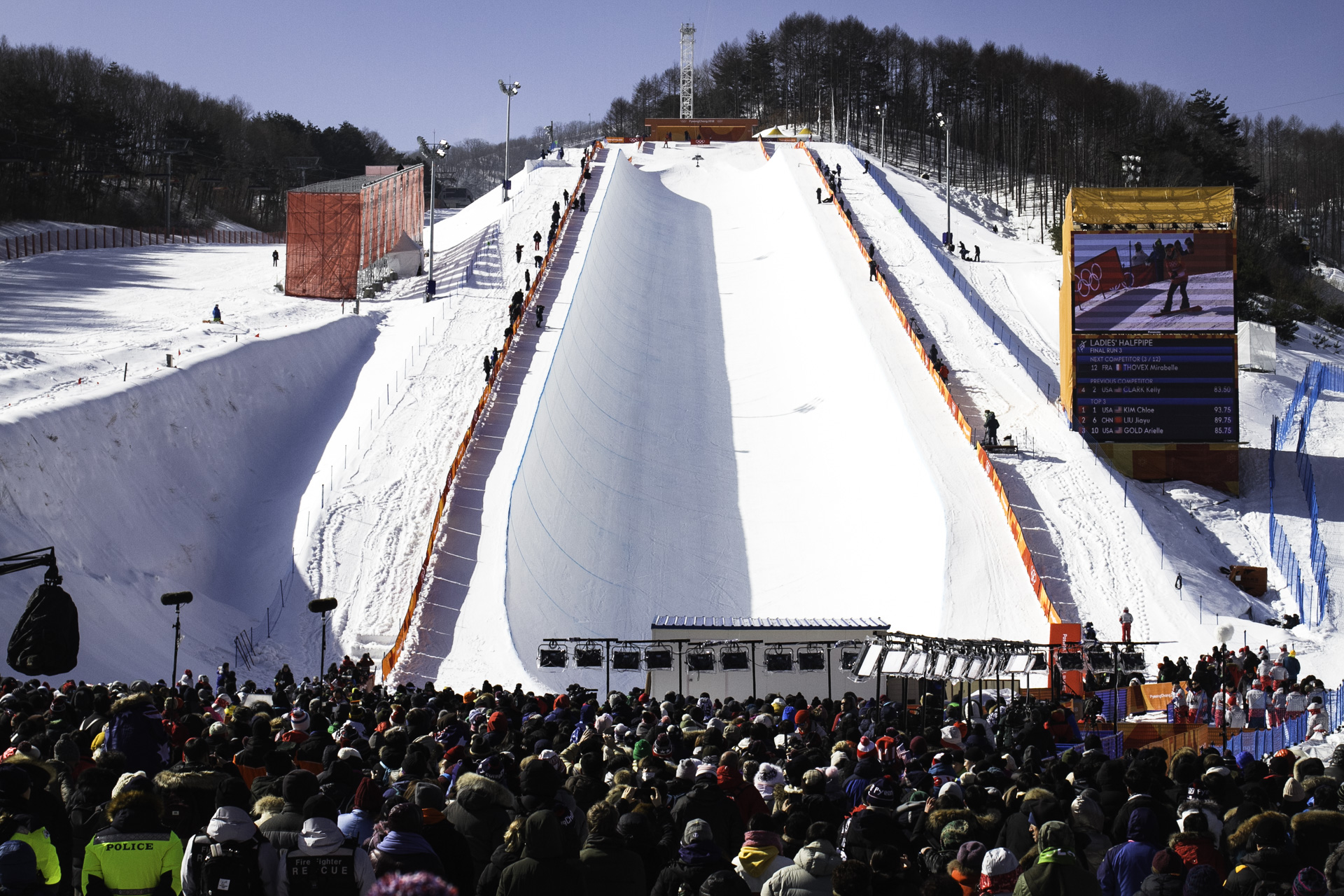
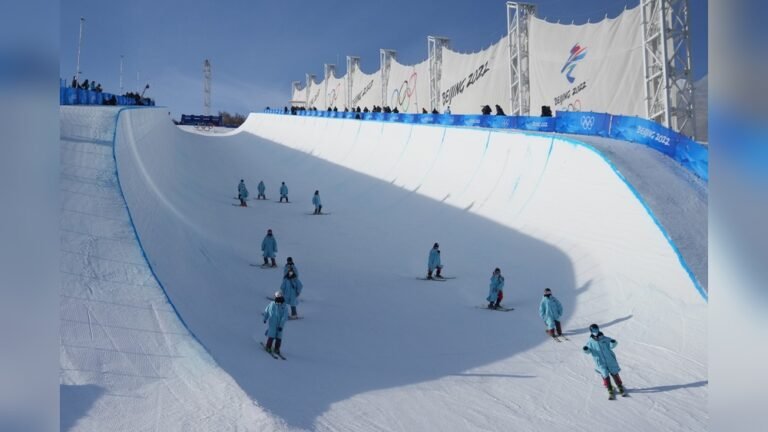
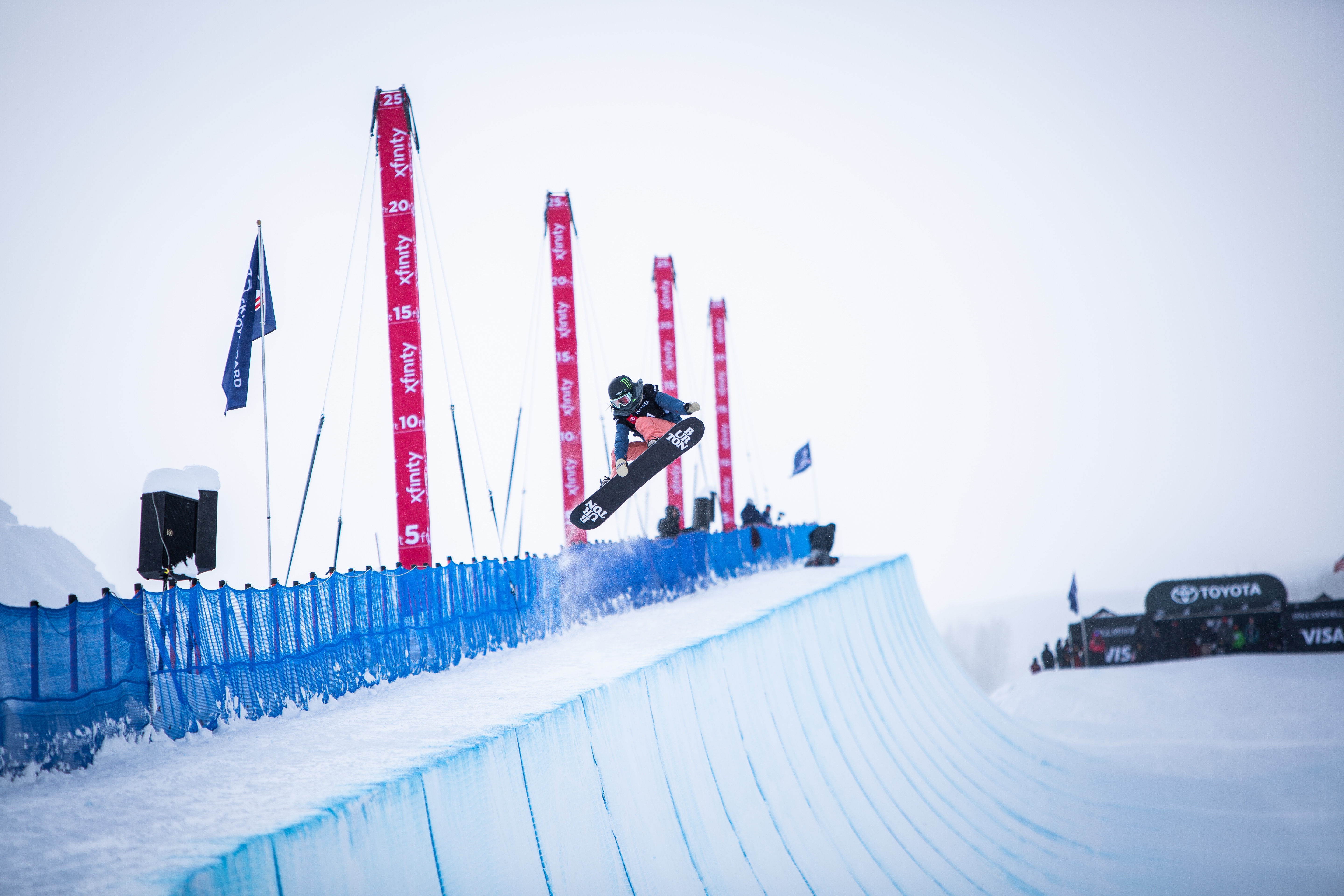
A snowboard halfpipe is a large, U-shaped snow structure built for snowboarding and freestyle skiing. Riders drop into one end, gain speed, and move from wall to wall, performing tricks above the curved edges, known as “coping.” The halfpipe allows riders to use the walls for launching into the air, creating a space for spins, flips, and stylish maneuvers.
Unlike a simple hill, a halfpipe is carefully engineered for smooth transitions and consistent height. The walls are steep and high, while the flat bottom gives room for picking up speed. Modern halfpipes are huge, often called “superpipes” due to their size.
History And Evolution Of The Snowboard Halfpipe
The halfpipe’s story begins in the 1970s, inspired by skateboarding. Skateboarders used empty swimming pools and pipes to perform tricks, and snowboarders adapted this idea to snow. The first snow halfpipes were small and hand-dug, often uneven and inconsistent. Early halfpipes were about 2–3 meters high and much shorter than today’s standards.
As snowboarding grew, so did the halfpipe. By the 1990s, events like the X Games and the Olympics pushed for bigger, better designs. Machines called “pipe dragons” and later “Zaugg” cutters made it possible to create larger, more precise halfpipes.
Today, Olympic halfpipes are about 22 feet (6. 7 meters) high and over 500 feet (152 meters) long.
One non-obvious point: the evolution of halfpipes was not just about size. Early halfpipes had rough transitions, which made tricks dangerous. The invention of grooming machines made the walls smoother, allowing athletes to go higher and attempt more complex tricks.
Key Features And Design Of A Snowboard Halfpipe
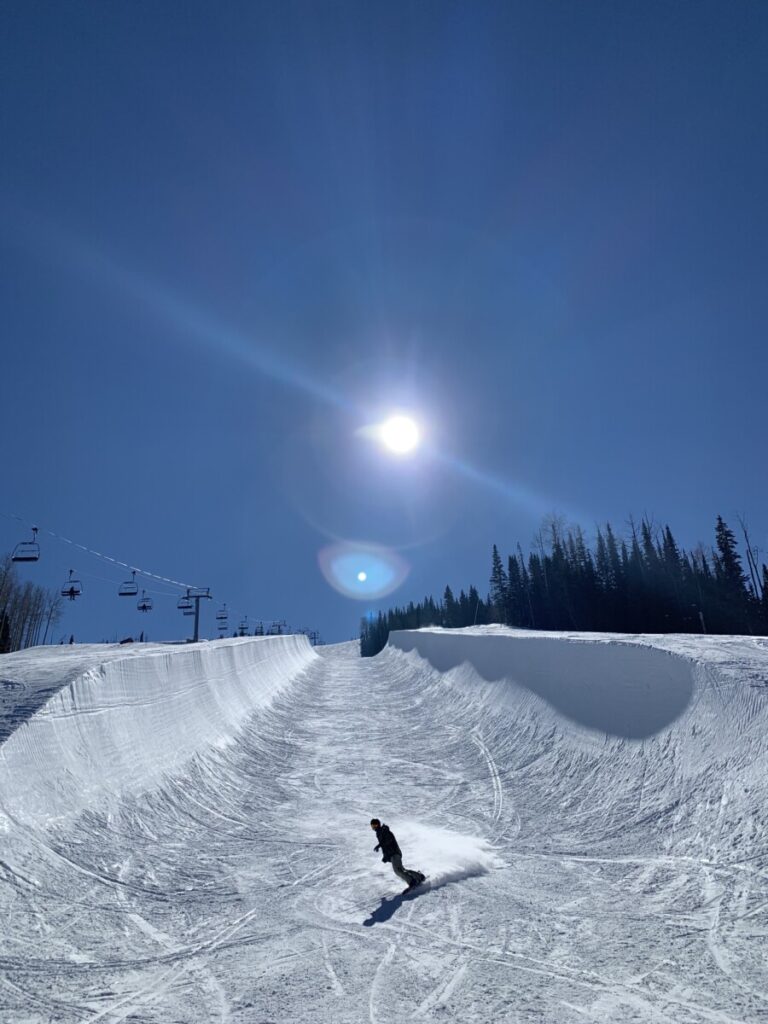
The design of a snowboard halfpipe is critical for both safety and performance. Each part of the halfpipe serves a purpose:
- Walls: The steep, curved sides where riders launch their tricks.
- Flat Bottom: The area between the walls where the rider picks up speed.
- Coping: The lip or top edge of each wall, usually sharpened and smooth.
- Deck: The flat surface above the coping, where riders never ride.
Standard Dimensions
Let’s compare the key dimensions of halfpipes from local parks to Olympic-level superpipes:
| Type | Wall Height | Width (deck to deck) | Length |
|---|---|---|---|
| Small (Beginner Park) | 6–8 feet (1.8–2.4 m) | 30–40 feet (9–12 m) | 100–200 feet (30–60 m) |
| Standard Competition | 12–18 feet (3.6–5.5 m) | 50–62 feet (15–19 m) | 300–400 feet (91–122 m) |
| Superpipe (Olympic) | 22 feet (6.7 m) | 64 feet (19.5 m) | 500–600 feet (152–183 m) |
The bigger the halfpipe, the higher the riders can go and the more complex the tricks become.
How A Halfpipe Is Built
Building a halfpipe is a technical process. First, snow is piled and shaped into a rough U-form. Then, special machines carve the snow, creating perfectly smooth walls and transitions. Snowmaking machines often help maintain the halfpipe, especially in warm conditions.
A little-known detail: the snow in halfpipes is often denser and more compact than on regular slopes. This density reduces ruts and helps riders maintain speed. Also, the angle of the walls (about 85 degrees) is steep enough for big airs but still safe for landings.
How Snowboard Halfpipe Competitions Work
Halfpipe competitions test both style and difficulty. Riders are judged on:
- Amplitude: How high the rider goes above the lip.
- Difficulty: Complexity of tricks (spins, flips, grabs).
- Execution: Smoothness, control, and landings.
- Variety: Mixing up tricks, not repeating the same moves.
Judging System
The scoring is not just about the biggest tricks. Judges look for a full run that flows from start to finish. A mistake like catching an edge or falling can ruin a rider’s score.
Here’s a simplified breakdown of what judges watch for:
| Criteria | What It Means | Max Points |
|---|---|---|
| Amplitude | Height above the coping | 20 |
| Difficulty | Trick complexity | 20 |
| Execution | Control and style | 20 |
| Variety | Different tricks used | 20 |
| Overall Impression | Creativity and flow | 20 |
The highest possible score is 100 points, but most winning runs score in the 80–95 range.
Common Tricks In The Snowboard Halfpipe
Tricks in the halfpipe range from basic grabs to advanced spins and flips. Here are some of the most popular:
- Straight Air: A simple jump out of the pipe without spinning.
- Method Grab: Grabbing the heel edge of the board, arching the back for style.
- Frontside 540: Spinning 1.5 times (540 degrees) while facing forward.
- Backside 720: Two full backward spins (720 degrees).
- McTwist: A front flip combined with a 540-degree spin.
- Crippler: An inverted backflip with a 180-degree spin.
- Double Cork: Two off-axis flips combined with a spin.
- Switch Tricks: Riding and spinning in the opposite stance (adds difficulty).
- Alley-Oop: Spinning uphill, opposite to the pipe’s direction.
- 900 or 1080: Spinning 2.5 or 3 full rotations before landing.
Non-obvious insight: Many top riders “set up” their biggest tricks by using easier tricks earlier in the run to build speed and confidence. Also, landing a trick “clean” (without hand drags or wobbles) can be worth more than trying a harder trick but landing messy.
Famous Snowboard Halfpipe Athletes
Some names have become legendary in the world of halfpipe. Here are a few standout riders:
- Shaun White: Known as “The Flying Tomato,” he has won three Olympic gold medals and pushed halfpipe riding to new heights.
- Chloe Kim: Olympic gold medalist who landed the first back-to-back 1080s in women’s competition.
- Ayumu Hirano: The first rider to land a triple cork in competition.
- Kelly Clark: One of the most decorated female halfpipe riders with multiple Olympic medals.
These athletes are celebrated not just for their tricks, but for raising the standard of what’s possible in the halfpipe.
What Makes Riding The Halfpipe Unique
Riding a halfpipe is different from any other snowboarding experience. Here’s why:
- Constant Motion: Riders move from wall to wall, using gravity and their own energy to maintain speed.
- Edge Control: Turning up the wall at the right angle is key; too sharp, and you lose speed, too shallow, and you can’t get enough height.
- Timing: Tricks must be timed perfectly to land back on the transition, not on the flat bottom or coping.
- Mental Focus: Riders must memorize their trick sequence and adjust quickly if something goes wrong.
A common mistake beginners make is focusing only on tricks, not on learning how to “pump” the walls for speed. Mastering the basic movement in the pipe is essential before big airs and spins.
Safety And Risks In The Halfpipe
Snowboard halfpipe riding is thrilling, but not without risks. Falls from high above the lip or awkward landings can lead to injuries. Here are some key safety aspects:
- Proper Gear: Wearing a helmet is essential. Many riders also use spine protectors and padded shorts.
- Inspect the Pipe: Always check the halfpipe for icy patches or ruts before riding.
- Progress Slowly: Beginners should start with small pipes and basic tricks. Trying advanced tricks too soon is a recipe for injury.
- Warm-Up: Stretching and warming up muscles helps prevent pulls and strains.
A lesser-known tip: Snowboarders often “wax” their boards specifically for halfpipes to maximize speed on the denser snow.
Where To Find Snowboard Halfpipes
Not every ski resort has a halfpipe, and even fewer have superpipes. Some of the world’s best are found at:
- Laax, Switzerland: Home to one of the longest and most famous superpipes.
- Copper Mountain, USA: Hosts many major competitions.
- Cardrona, New Zealand: Popular for off-season training.
- Aspen Snowmass, USA: Regular X Games venue.
When choosing a resort, check if the halfpipe is open and maintained. Warm weather or lack of snow can close halfpipes even at top resorts.
The Role Of The Halfpipe In Snowboarding Culture
The halfpipe is more than just a competition venue; it has become a symbol of freestyle snowboarding. It encourages creativity and progression. Riders push each other to invent new tricks and break records. The halfpipe is also popular in snowboarding videos and media, showing off the sport’s most exciting side.
Another insight: Halfpipes helped snowboarding gain Olympic acceptance. Before the 1998 Nagano Games, snowboarding was often seen as rebellious. The high level of skill and athleticism in the halfpipe helped change public opinion.
Future Of The Snowboard Halfpipe
Technology and rider skills continue to push the boundaries. Possible future changes include:
- Even Bigger Superpipes: Higher walls and longer pipes for more airtime.
- New Tricks: Riders are already landing triple corks, and more complex spins are on the way.
- Safer Designs: Better snowmaking and grooming for softer landings and fewer injuries.
- Virtual Training: Some athletes now use VR to plan and practice runs before hitting the snow.
As snowboarding grows, the halfpipe will likely remain a key showcase for talent and innovation.
Frequently Asked Questions
What Is The Difference Between A Halfpipe And A Superpipe?
A halfpipe is any U-shaped snow structure for tricks. A superpipe is a much larger version, with walls at least 22 feet high and over 60 feet wide. Superpipes are used in top-level competitions like the Olympics.
How Are Snowboard Halfpipes Maintained?
Resorts use special machines called “pipe cutters” to shape and smooth the walls. Snow is added or shaved off as needed, and the surface is compacted for speed. After heavy use or bad weather, the halfpipe may be closed for repairs.
Can Beginners Ride In A Halfpipe?
Yes, but it’s best to start in a small or mini halfpipe. Beginners should practice basic turns and learn to ride up and down the walls before trying any tricks.
What Kind Of Snowboard Is Best For The Halfpipe?
Freestyle snowboards are best. They are usually shorter, lighter, and more flexible. This makes it easier to spin, flip, and control the board in tight transitions.
Where Can I Learn More About Snowboard Halfpipe Competitions?
You can find up-to-date information and event schedules on the Wikipedia: Snowboarding at the Winter Olympics page.
Snowboard halfpipe riding is a thrilling mix of skill, style, and courage. Whether you are a fan or a rider, understanding the halfpipe helps you appreciate the art and effort behind every trick. The next time you see someone soaring above the coping, you’ll know what makes the halfpipe special in the world of snowboarding.