The slam dunk is one of the most exciting and powerful moves in basketball. Whether you watch professional games or play on your neighborhood court, you have probably seen players soar through the air and throw the ball down with force.
The slam dunk is not just a simple way to score points; it is a statement of athleticism, skill, and sometimes even intimidation. This article explores what a slam dunk is, its history, why it matters in basketball, the different types of dunks, the skills needed to perform one, and its impact on basketball culture.
Along the way, you will learn facts, examples, and details that will help you fully understand this iconic move.
What Is A Slam Dunk?
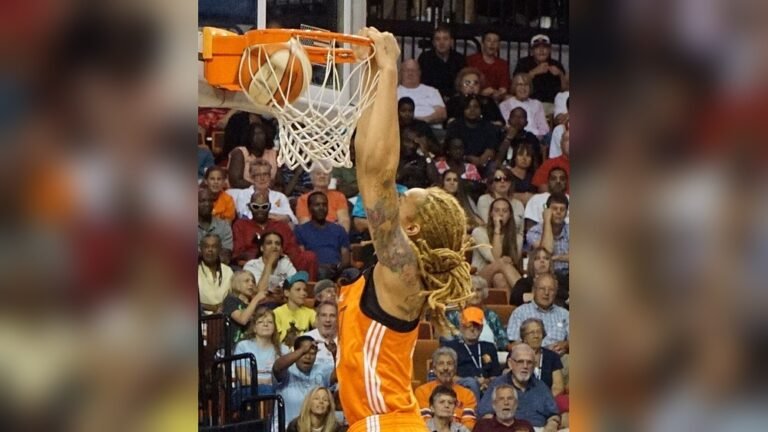
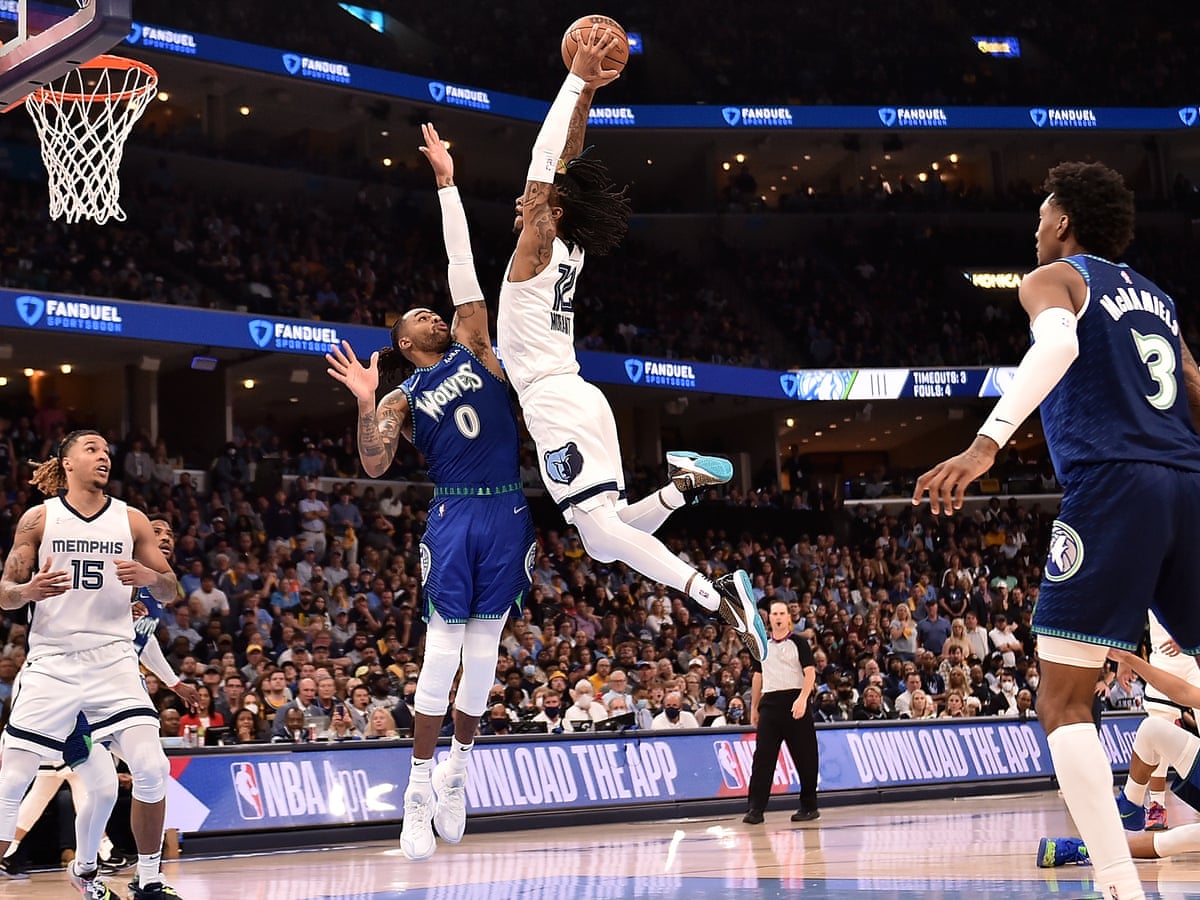
A slam dunk in basketball happens when a player jumps and forcefully pushes the ball down through the hoop with one or both hands. Unlike a regular shot or layup, the dunk requires the player to be high enough in the air for their hand(s) to be above the rim. The ball is not simply dropped in; it is slammed, often making the backboard shake and energizing the crowd.
Dunks are worth two points, just like a layup or jump shot. However, the way a dunk is executed often brings much more excitement. The move is allowed in most levels of basketball, from high school to the NBA. In some leagues, especially for younger players, dunks might be discouraged or banned to avoid injuries.
The Origins And Evolution Of The Dunk
The slam dunk was not always part of basketball. In the early days, players rarely left their feet to score. Jump shots and layups were the main methods. The first recorded dunk in a college game was by Bob Kurland in the 1940s. At that time, players were getting taller and more athletic, which made it possible to reach the rim.
By the 1960s and 1970s, dunking became more common, especially with the arrival of players like Julius Erving (Dr. J) and Kareem Abdul-Jabbar. In fact, Abdul-Jabbar’s dominance led the NCAA to ban dunks from 1967 to 1976. This rule, known as the “Lew Alcindor Rule,” was a response to concerns that dunking gave tall players too much advantage.
After the ban was lifted, dunking exploded in popularity. The NBA, especially in the 1980s, saw stars like Michael Jordan and Dominique Wilkins make the dunk a symbol of excellence. The annual NBA Slam Dunk Contest, first held in 1984, became a showcase for creativity and athleticism.
Today, dunks are part of every highlight reel, and players continue to invent new styles and push the limits of what is possible.
Why Slam Dunks Matter In Basketball
The slam dunk is more than just a way to score. Here are a few reasons why dunks are so important:
- Momentum Shifter: A big dunk can change the energy of the game. It can lift a team, excite the fans, and even intimidate opponents.
- Confidence Booster: Players often feel more confident after a successful dunk, which can lead to better performance in the rest of the game.
- Crowd Engagement: Dunks are crowd-pleasers. The noise and excitement in the arena often reach their peak after a spectacular slam.
- Highlight Material: Most of the top plays on sports news and social media are dunks. They are easy to share and fun to watch.
- Skill Showcase: Dunks show off a player’s athleticism—jumping ability, strength, and coordination.
Types Of Slam Dunks
Not all dunks are the same. Over the years, players have developed different types and styles of dunks. Here are some of the most popular:
One-handed Dunk
This is the most basic dunk, where the player jumps and slams the ball with one hand. It is often used on fast breaks or when the defender is not close.
Two-handed Dunk
Using both hands gives the player more control and power. It is also safer, reducing the risk of losing the ball mid-air.
Windmill Dunk
In a windmill dunk, the player swings their arm in a circular motion before slamming the ball. This move looks spectacular and requires great timing and athleticism.
Tomahawk Dunk
Here, the player brings the ball behind their head with one or both hands before dunking it forcefully. The tomahawk is dramatic and often used in contests.
Alley-oop Dunk
This dunk involves two players: one throws the ball near the basket, and the other catches it mid-air and dunks it. Alley-oops require teamwork and perfect timing.
Reverse Dunk
The player jumps and dunks the ball with their back to the rim. It is tricky because the player cannot see the basket as clearly.
360 Dunk
The player spins 360 degrees in the air before dunking. This move is difficult and usually seen in dunk contests.
Putback Dunk
After a missed shot, a player jumps, grabs the rebound, and dunks the ball in one motion. This move is powerful and shows quick reaction.
Double Clutch Dunk
The player brings the ball down while in the air, then lifts it up again before dunking. This move is flashy and shows hang time.
Between-the-legs Dunk
A very advanced move: the player passes the ball between their legs while airborne, then dunks it. This is usually seen only in contests.
These are just some of the most well-known dunks, but creative players keep inventing more.
Skills And Physical Abilities Needed For Dunking
Not everyone can dunk. It takes a mix of skills and physical traits. Here are the most important:
Vertical Jump
The most obvious requirement is a strong vertical leap. Most basketball rims are 10 feet (3.05 meters) high. To dunk, a player usually needs to jump at least 30–35 inches (76–89 cm) off the ground.
Strength And Power
Leg strength is key for jumping high, while upper body strength helps finish the dunk with force. Core strength also plays a role in balance and control.
Hand Size And Grip
Being able to palm the basketball makes it easier to control during a dunk. Players with bigger hands have a slight advantage, but grip strength can be trained.
Timing And Coordination
A successful dunk often happens in traffic or during fast plays. Good timing and coordination help players avoid defenders and finish the play.
Speed And Agility
Quick footwork and the ability to change direction help players set up dunks, especially when driving to the basket.
Who Can Dunk? Height, Age, And Gender
While many people think only tall players can dunk, this is not completely true. Height helps, but it is not the only factor. Here is a look at who can dunk:
- Tall Players: Most players over 6’6″ (198 cm) can dunk if they have average jumping ability.
- Shorter Players: Many players under 6 feet (183 cm) have dunked in games, including Spud Webb (5’7″, 170 cm) and Nate Robinson (5’9″, 175 cm).
- Younger Players: Dunking is rare below the age of 14–15, mainly due to lower strength and size.
- Women: Some female players, like Brittney Griner, have dunked in college and professional games. However, it is less common due to average height and jumping differences.
The Slam Dunk In Professional Basketball
Dunking is a major part of professional basketball, especially in the NBA. Many of the greatest moments in NBA history involve dunks, from Michael Jordan’s “Air Jordan” moments to Vince Carter’s legendary in-game dunks.
In international basketball, like FIBA tournaments and the Olympics, dunks are also common. However, the style and frequency can vary by country and league.
Here is a comparison of dunk statistics in different basketball leagues:
| League | Average Dunks per Game | Notable Dunkers |
|---|---|---|
| NBA | 15–18 | LeBron James, Giannis Antetokounmpo |
| NCAA (Men) | 3–5 | Zion Williamson, Anthony Edwards |
| WNBA | Rare | Brittney Griner |
| FIBA EuroLeague | 5–8 | Walter Tavares, Jan Vesely |
These numbers show that dunking is most common in the NBA, thanks to the high level of athleticism.
Famous Dunks And Dunkers
Some dunks are remembered forever. Here are a few legendary moments:
- Michael Jordan’s “Free Throw Line” Dunk: In the 1988 NBA Dunk Contest, Jordan took off from the free-throw line and soared through the air for an iconic slam.
- Vince Carter’s 2000 Dunk Contest: Carter wowed fans with a 360 windmill and a between-the-legs dunk, setting a new standard for creativity.
- Blake Griffin’s Car Jump: In 2011, Griffin dunked over a car during the Dunk Contest, combining power and showmanship.
- Shawn Kemp’s In-Game Poster: Kemp dunked over defenders with force in the 1990s, often celebrating with memorable reactions.
These moments are more than just points—they are part of basketball history.
How To Train For A Slam Dunk
If you want to dunk, you need to train your body and technique. Here are some steps to help you get started:
- Strength Training: Focus on exercises like squats, lunges, and calf raises to build leg power.
- Plyometrics: Jumping drills such as box jumps, depth jumps, and skipping increase explosive strength.
- Practice Jumping: Try to touch the rim or backboard regularly. Measure your progress.
- Flexibility: Stretch your legs and hips to improve your jumping mechanics.
- Grip Training: Work on hand strength to control the ball in the air.
- Lower Body Fat: Extra weight can slow you down, so a healthy diet may help your jumping ability.
A common mistake is focusing only on jumping. Upper body strength, core stability, and technique are just as important. Also, do not try to dunk before your body is ready—this can lead to injuries.
The Dunk Contest: Where Art Meets Sport
The NBA Slam Dunk Contest is a yearly event during the All-Star Weekend. It is a place where players show off their wildest, most creative dunks. Judges give scores based on creativity, difficulty, and execution.
Here are some key facts about the contest:
- First held in 1984, with Larry Nance as the first winner.
- Michael Jordan, Vince Carter, and Zach LaVine are among the most famous champions.
- Dunks like the “free throw line,” “off the backboard,” and “over people or objects” are crowd favorites.
Here is a comparison of top dunk contest performances:
| Year | Winner | Signature Dunk |
|---|---|---|
| 1988 | Michael Jordan | Free Throw Line Dunk |
| 2000 | Vince Carter | Between-the-Legs, Elbow Hang |
| 2016 | Zach LaVine | 360 Windmill, Between-the-Legs from FT Line |
The contest has inspired young players around the world to practice and invent new dunks.

The Slam Dunk In Global Basketball Culture
The impact of the slam dunk goes far beyond the court. Here are some ways dunks influence basketball and culture:
- Style and Fashion: Dunking is often linked with coolness and style. Basketball shoes and gear are marketed using images of high-flying dunks.
- Street Basketball: In playgrounds worldwide, dunks are symbols of skill and dominance.
- Social Media: Dunks are among the most shared basketball clips online, helping players become famous quickly.
- Video Games: Basketball video games often feature dunk animations and even special “dunk modes.”
Some countries and leagues, especially outside the U. S. , are seeing more dunks as basketball grows in popularity and training methods improve.
For more on the history and influence of the slam dunk, you can visit the Wikipedia page on Slam Dunk.
Frequently Asked Questions
What Is The Difference Between A Dunk And A Layup?
A dunk is when a player jumps high enough to force the ball down through the rim with one or both hands. A layup is a softer shot, where the player uses one hand to gently place the ball off the backboard and into the hoop, usually without grabbing the rim.
Can Anyone Learn To Dunk With Training?
Most people can improve their jumping ability, but not everyone will be able to dunk. Genetics, height, and body type play a big role. However, with the right training, many athletes can increase their vertical jump by several inches.
Why Was Dunking Banned In College Basketball?
Dunking was banned in college basketball from 1967 to 1976. The main reason was to reduce the dominance of tall players, especially Kareem Abdul-Jabbar. The ban was also for safety concerns, but it was lifted after players and fans pushed for its return.
Are There Rules About How To Dunk In Games?
There are no special rules for dunking, but players cannot hang on the rim unless it is to avoid injury. Hanging on the rim for show can result in a technical foul.
Is Dunking Common In Women’s Basketball?
Dunking is less common in women’s basketball due to average differences in height and jumping ability. However, some female players, like Brittney Griner, have dunked in college and professional games, inspiring more women to try it.
The slam dunk is not just a way to score—it is a symbol of power, creativity, and excitement in basketball. Whether you are a player or a fan, understanding the dunk adds a new level of appreciation for the game.
As basketball continues to evolve, the slam dunk will remain one of its most thrilling and admired moves.

