Kayaking is a wonderful way to explore lakes, rivers, and even the open sea. If you have ever noticed people gliding smoothly on the water, sitting high above the deck, you might have seen a sit-on-top kayak. These kayaks look different from the traditional “cockpit” style boats, and they are popular for many reasons. For beginners, families, anglers, and even experienced paddlers, the sit-on-top design offers many advantages that are easy to overlook. Let’s explore what a sit-on-top kayak is, how it works, and why it might be the perfect choice for your next adventure.
What Makes A Sit-on-top Kayak Unique?
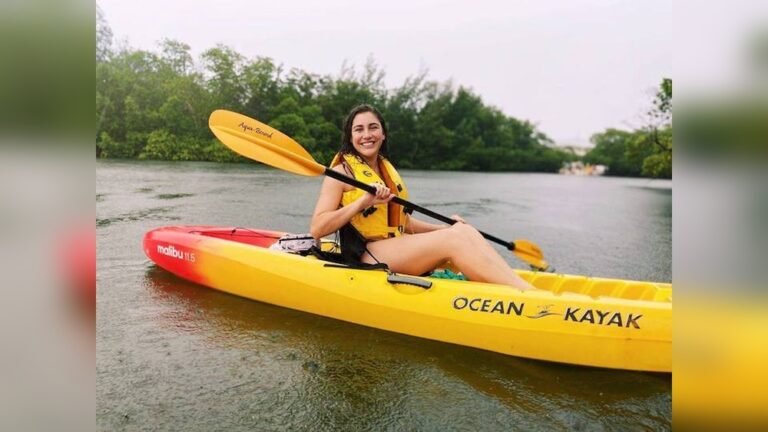
A sit-on-top kayak is a type of kayak where the paddler sits on top of the deck, instead of inside a cockpit. There are no walls or decks covering your legs. The seat is open, and your feet rest on molded footwells or adjustable footrests above the surface of the kayak. This open design changes the way you paddle, enter, and exit the kayak.
Sit-on-top kayaks are made from durable plastic, usually polyethylene. Their hull is sealed, which makes them unsinkable even if they flip over. Water drains out through small holes called scupper holes, so you are less likely to get water pooling in your seat.
What truly sets them apart is the focus on stability, safety, and ease of use. They are wider than sit-inside kayaks, making them harder to tip. If you fall off, you can easily climb back on the kayak from the water, which is much harder with a sit-inside model.
Key Features Of Sit-on-top Kayaks
Let’s look at the main features that define a sit-on-top kayak.
Open Deck Design
The most obvious feature is the open deck. There is no cockpit rim or spray skirt. The paddler is fully exposed to the sun, wind, and water. This makes them ideal for hot climates and activities where you often get wet, such as fishing, snorkeling, or surfing small waves.
Self-bailing With Scupper Holes
Sit-on-top kayaks use scupper holes—small drain holes in the deck—to let water out. If a wave splashes over the side or you tip, water will not collect inside. Gravity drains it back into the sea or lake through these holes.
Wide, Stable Hull
The hull of a sit-on-top is often wider and flatter than a traditional kayak. This extra width gives more stability, making it harder to tip over. It is especially helpful for beginners or people who want to stand up, like anglers.
Molded Footwells Or Adjustable Footrests
Instead of a closed cockpit, your legs stretch out in front of you on the deck. Most sit-on-tops have molded footwells or adjustable footrests for comfort and leverage while paddling.
Storage Options
Sit-on-top kayaks usually have open storage wells with bungee cords, sealed hatches for dry storage, and sometimes even rod holders or mounts for accessories. The open design makes it easy to grab gear while you are on the water.
Durable And Unsinkable
The sealed hull design means the kayak is unsinkable under normal conditions. Most are made from tough, impact-resistant plastics that can handle rocks and rough landings.
Main Types Of Sit-on-top Kayaks
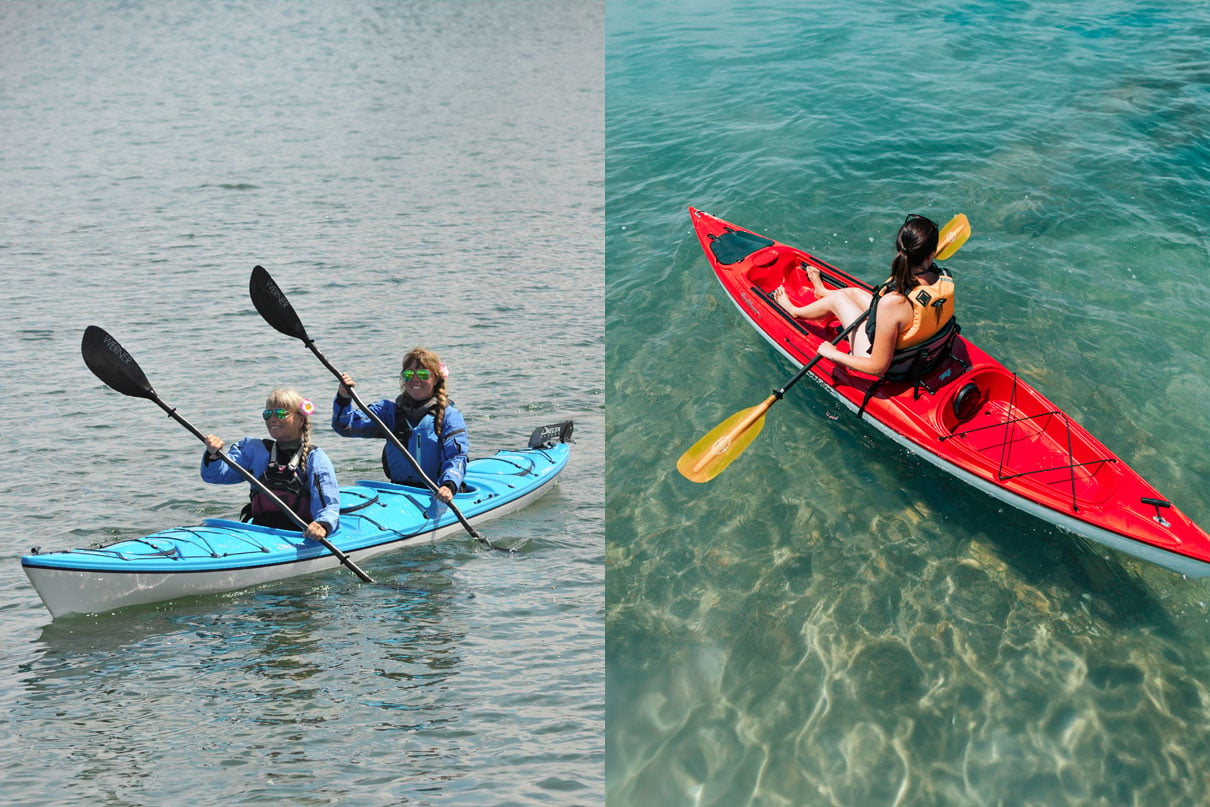
There are several types of sit-on-top kayaks to fit different activities. Here’s a quick overview:
| Type | Main Use | Key Feature |
|---|---|---|
| Recreational | Casual paddling, families | Wide, stable, easy entry |
| Fishing | Anglers, standing possible | Rod holders, gear mounts |
| Tandem | Two or more paddlers | Extra seats, more space |
| Touring | Longer trips, open water | Longer, faster hulls |
| Surf/Whitewater | Waves, rough water | Short, strong, quick-turning |
Who Should Choose A Sit-on-top Kayak?
Sit-on-top kayaks are not just for beginners. They offer advantages for many people:
- Beginners: The stability and easy re-entry make them great for learning.
- Families: Kids can get on and off easily, and there is less risk if they tip over.
- Anglers: The open deck is perfect for fishing gear and moving around.
- Swimmers and Divers: Easy to climb on from the water, making them ideal for snorkeling or swimming breaks.
- Casual Paddlers: People who want to relax and enjoy the water without advanced skills.
However, they are not the best choice for every situation. If you want to paddle in cold weather, rough seas, or need speed and long-distance comfort, a sit-inside kayak might be better.
Comparing Sit-on-top Vs Sit-inside Kayaks
Let’s compare the two main types so you can see the differences clearly.
| Feature | Sit-On-Top Kayak | Sit-Inside Kayak |
|---|---|---|
| Entry/Exit | Very easy | Harder, especially in water |
| Stability | High | Medium to high |
| Speed | Slower | Faster |
| Protection from Weather | Low | High |
| Self-Rescue | Very easy | Difficult |
| Storage Access | Easy, open | Inside hull, less access |
| Best For | Warm, calm water | Cold, rough water |
Pros And Cons Of Sit-on-top Kayaks
Choosing the right kayak means knowing both the benefits and the drawbacks.
Advantages
- Stability: Almost impossible to tip in calm water.
- Easy to Use: Simple for beginners, children, and those with limited mobility.
- Self-Bailing: Water drains out automatically through scupper holes.
- Open Design: Easy access to gear; perfect for fishing, swimming, or sunbathing.
- Safety: If you fall off, you can climb back on without special skills.
- Low Maintenance: No cockpit to clean or drain after use.
Disadvantages
- Wet Ride: You will get wet, especially in waves or choppy water.
- Slower Speed: The wide, stable hull means more drag.
- Less Protection: Wind, sun, and rain hit you directly.
- Heavy: Some sit-on-tops are heavier due to wider hulls and thick plastic.
- Limited for Cold Water: Not ideal for cold climates or long-distance touring.
One insight many beginners miss: scupper holes are not a design flaw. Some people try to plug them, but they are essential for draining water. Another common mistake is to overload the kayak. Each model has a weight limit, and going over it can reduce stability and make the kayak sit lower in the water, increasing the chance of getting wet.
Common Uses For Sit-on-top Kayaks
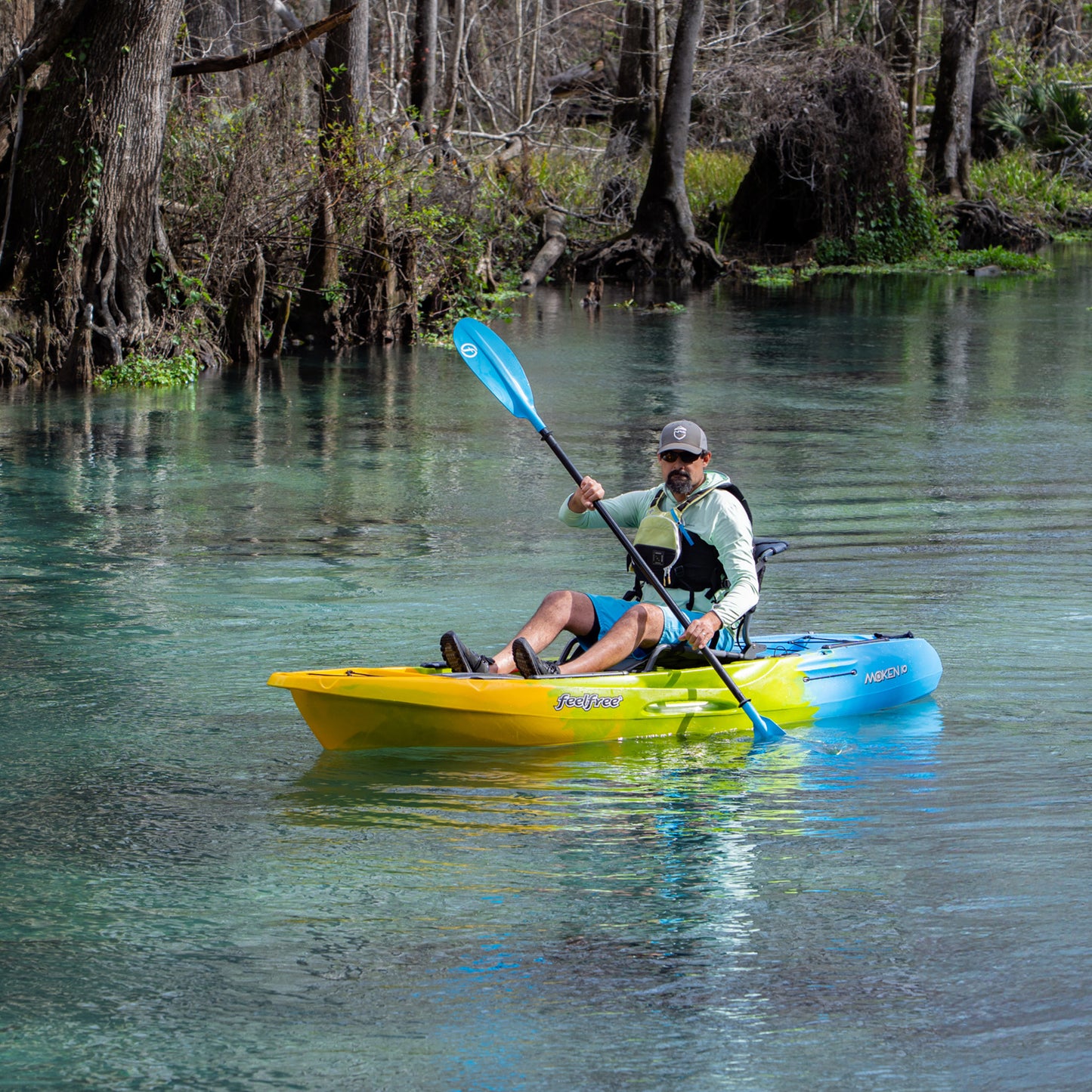
Sit-on-top kayaks are versatile. Here are some popular ways people use them:
- Recreational Paddling: Exploring calm lakes, bays, or slow rivers.
- Fishing: Extra space for rods, tackle boxes, and coolers.
- Snorkeling or Diving: Quick entry and exit from the water.
- Family Fun: Kids love jumping on and off for swimming breaks.
- Surfing or Playing: Some models are designed for small surf or playful paddling.
Safety Tips For Sit-on-top Kayak Paddlers
Even though sit-on-top kayaks are safe, you still need to follow basic rules:
- Wear a life jacket at all times.
- Check weight limits and don’t overload with people or gear.
- Dress for the water temperature, not the air. Even in warm climates, water can be cold.
- Use sunscreen and a hat, as you are exposed to the sun.
- Keep scupper holes clear for proper drainage.
- Practice re-entry in shallow water before venturing far.
One practical tip: if you are paddling alone or with children, practice climbing back onto the kayak from the water. It is easy once you know how, but surprising the first time you try.
How To Choose A Sit-on-top Kayak
When picking your kayak, consider these factors:
Weight And Size
Think about how much weight the kayak can hold (including you and your gear), and how heavy the kayak itself is. Will you need to lift it onto a car or carry it by yourself?
Length And Width
- Shorter kayaks (8-10 feet): Easier to turn, good for kids or small adults.
- Longer kayaks (12-15 feet): Track straighter, better for distance or speed.
- Wider kayaks: Offer more stability but can be slower.
Intended Use
Do you want to fish, paddle with your family, or explore for hours? Fishing models have extra mounts and storage. Tandem models let you bring a friend or child. Touring models are longer and faster but less stable.
Budget
Sit-on-top kayaks range from $200 for basic models to over $2,000 for high-end fishing or touring versions. Don’t forget accessories like paddles, life jackets, and dry bags.
Transport And Storage
Can you fit the kayak in your vehicle or on your roof rack? Some models are heavy and may need a cart to move to the water.
Here’s a quick look at how size affects weight and handling:
| Kayak Length | Average Weight | Best For |
|---|---|---|
| 8-10 feet | 35-50 lbs | Kids, small adults, easy transport |
| 10-12 feet | 45-65 lbs | All-around use, families |
| 12-15 feet | 55-80 lbs | Touring, fishing, speed |
Care And Maintenance
Sit-on-top kayaks are tough, but a little care helps them last longer:
- Rinse with fresh water after use, especially in saltwater.
- Store in the shade or use a cover to prevent sun damage.
- Check scupper holes for sand or debris before and after each trip.
- Inspect for cracks or dents, especially if you bump rocks.
- Lubricate moving parts like adjustable seats or footrests.
Unlike sit-inside kayaks, you do not need to dry out the inside, but you should still check hatches or storage areas for water.
Environmental Impact And Responsible Kayaking
Kayaking is a low-impact way to enjoy nature, but paddlers should respect wildlife and local rules:
- Avoid disturbing animals or nesting birds.
- Pack out all trash and gear.
- Use established launch sites to protect shorelines.
- Respect fishing rules if you fish from your kayak.
You can read more about responsible paddling at the American Rivers site.
Frequently Asked Questions
What Is The Main Difference Between A Sit-on-top And A Sit-inside Kayak?
The main difference is the seating position. In a sit-on-top kayak, you sit on an open deck above the hull, fully exposed. In a sit-inside kayak, you sit inside a cockpit, with your legs enclosed by the kayak body. This changes comfort, safety, and how you use the boat.
Will I Get Wet On A Sit-on-top Kayak?
Yes, you will likely get wet. The open design means water can splash or drip onto you, and scupper holes drain water but can let some back in. Wear quick-drying clothes and be ready for a wet ride.
Are Sit-on-top Kayaks Safe For Children And Beginners?
Yes, they are very safe for most beginners and children. The high stability and easy self-rescue make them perfect for learning. Always supervise children and wear life jackets.
Can You Use A Sit-on-top Kayak In The Ocean?
Yes, but with caution. Sit-on-top kayaks are good for calm, coastal waters or mild surf. Choose a model designed for ocean use, and always check weather and wave conditions. Avoid strong offshore winds or large waves.
How Much Weight Can A Sit-on-top Kayak Hold?
Weight capacity depends on the model. Most recreational sit-on-tops hold 250 to 400 pounds, while tandem and fishing models can hold more. Always check the manufacturer’s specs and do not overload your kayak.
A sit-on-top kayak is a great way to enjoy the water with confidence and ease. Whether you are fishing, paddling with your family, or just relaxing, the open design offers fun and freedom. With the right choice and care, a sit-on-top can give you years of safe, enjoyable adventures.

