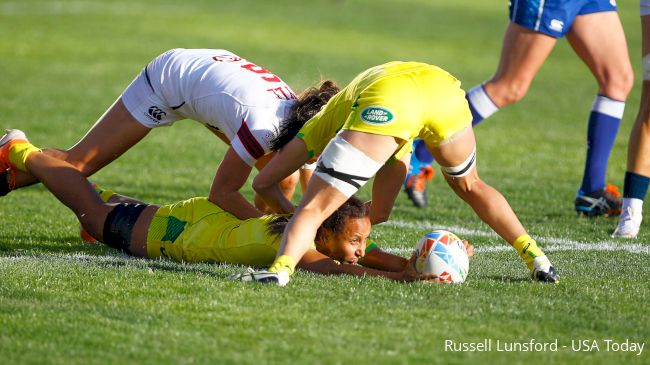
Rugby is a fast, physical sport that can look confusing to new viewers. One part that often puzzles beginners is the ruck. If you’ve watched a match and seen players pile over the ball after a tackle, you’ve seen a ruck in action. Understanding what a ruck is, why it matters, and how it works will help you follow the game with much more confidence. Let’s break it all down in simple terms.
The Basics Of A Ruck
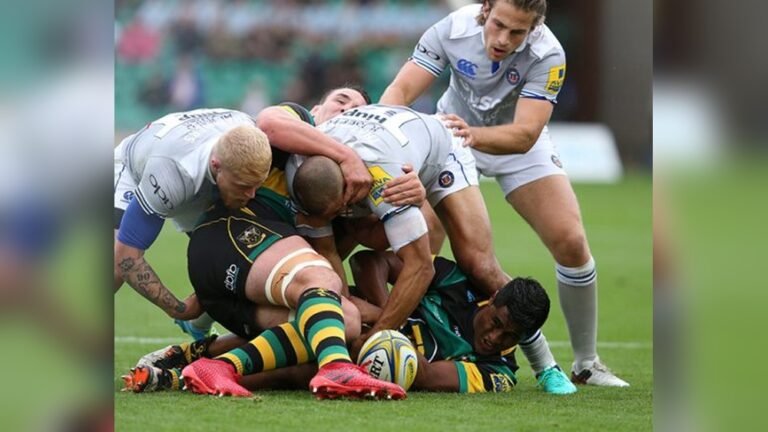
A ruck happens in rugby when at least one player from each team is on their feet, over the ball, after a tackle on the ground. The ball is trapped between the players’ feet, and no one can use their hands to pick it up. The main goal is to win possession and keep the game moving.
Think of a ruck as a battle for the ball after a tackle. The tackled player must release the ball, and then both teams try to push each other back to win it. Only the feet can be used to move the ball until it comes out at the back of the ruck.
How A Ruck Forms
A ruck starts just after a tackle when:
- A player carrying the ball is tackled and brought to the ground.
- The ball is released and is on the ground.
- At least one player from each team stands over the ball and binds (holds onto) other players, creating a physical contest.
Players from both teams then join in, forming what looks like a brief, intense pile-up. But there are clear rules to keep things fair and safe.
Key Rules Of The Ruck
Understanding the main rules of the ruck is important for both players and fans. Here are some of the most important ones:
- No hands: Once a ruck has formed, players cannot use their hands to pick up the ball until it comes out.
- On your feet: Players must always stay on their feet. Diving or crawling is not allowed.
- Enter from the back: Players can only join the ruck from behind their own side. Entering from the side is a penalty.
- No collapsing: Players cannot deliberately fall on the ruck to stop the ball.
- Release the ball: The tackled player must let go of the ball immediately.
If any of these rules are broken, the referee will blow the whistle and award a penalty.
What Happens During A Ruck
During a ruck, players push, drive, and use their bodies to move the opposing team off the ball. The main aim is to keep or win possession. The scrum-half, often wearing the number 9 jersey, waits for the ball to come out at the back.
When it does, they can pick it up and start the next phase of play.
The ruck usually lasts only a few seconds, but these moments can decide the flow of the game. Winning a ruck gives your team a chance to attack, while losing it can put you on defense.
Why Rucks Matter In Rugby
Rucks are central to rugby’s strategy. Teams that win more rucks often control the game because they keep the ball longer. Here’s why rucks are so important:
- Possession: Winning rucks means your team gets more chances to score.
- Quick ball: Fast rucks can catch the defense off guard and create attacking opportunities.
- Field position: Rucks help teams move the ball up the field, gaining valuable territory.
Teams practice rucking skills every week because it’s so vital to their success.
Ruck Vs. Maul: What’s The Difference?
Many beginners mix up rucks and mauls. The key difference is the ball’s position:
- In a ruck, the ball is on the ground.
- In a maul, the ball carrier is still standing, and players bind around them.
This quick comparison helps clarify:
| Aspect | Ruck | Maul |
|---|---|---|
| Ball Position | On the ground | In a player’s hands, standing |
| Hands Allowed | No | Yes (for ball carrier) |
| When Formed | After a tackle | When ball carrier is held up |
The Ruck: Positions And Roles
Different players have different jobs in the ruck. Here’s a look at who does what:
- Forwards: Usually the first to arrive, they clear out opponents and protect the ball.
- Scrum-half: Stays behind the ruck, ready to pass the ball when it’s available.
- Backs: Often stay further away, preparing to attack when the ball is released.
This table shows who is most involved in rucks:
| Position | Ruck Role |
|---|---|
| Prop/Lock | Drive and clear opponents |
| Flanker/Number 8 | Arrive quickly, secure ball |
| Scrum-half | Retrieve and pass ball |
| Backs | Support or stay wide |
Penalties At The Ruck
Mistakes at the ruck often lead to penalties, which can change a match’s momentum. Some common penalties include:
- Not releasing the ball: The tackled player holds on too long.
- Hands in the ruck: Trying to pick up the ball illegally.
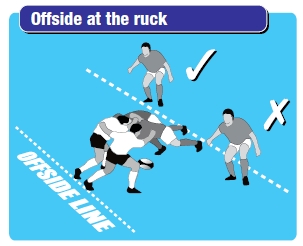
- Offside: Joining the ruck from the wrong position.
- Collapsing the ruck: Pulling players down on purpose.
Penalties give the other team a chance to kick for goal, kick for touch, or take a quick tap.
Non-obvious Insights About Rucks
Most beginners miss two key facts:
- Timing matters more than strength: Arriving at the ruck a second earlier can be the difference between winning and losing the ball. Speed and awareness are as important as power.
- Ruck traps: Smart teams sometimes set up rucks in certain places to draw defenders in, then attack where there are fewer defenders. This tactical side is invisible to casual viewers but critical at the top level.
Example: How A Ruck Changes A Game
Imagine Team A is attacking and gets tackled near the opponent’s try line. They form a ruck. The forwards quickly arrive, clearing out defenders, and the scrum-half passes the ball out wide to the backs. Because they won the ruck fast, the defense is not ready, and Team A scores a try in the corner.
This example shows how winning rucks can create scoring chances and decide matches.

Ruck Statistics And Impact
In a professional rugby match, there can be more than 100 rucks per team. Teams that win at least 95% of their own rucks usually win the game. Coaches track these numbers closely to improve performance.
For more details on rugby rules and ruck data, see the official World Rugby resource.
Frequently Asked Questions
What Is The Main Purpose Of A Ruck In Rugby?
The main purpose is to compete for the ball on the ground after a tackle. Teams try to keep or win possession and continue their attack.
Can Players Use Their Hands In A Ruck?
No, once a ruck is formed, players cannot use their hands to pick up the ball. They must use their feet until the ball is out of the ruck.
How Does A Ruck End?
A ruck ends when the ball comes out and can be played, or if the referee calls a penalty or scrum due to an infringement.
What Happens If A Player Enters A Ruck From The Side?
Entering from the side is against the rules and results in a penalty for the other team.
Is A Ruck Dangerous?
Rucks can be physical, but strict rules and refereeing help keep them safe. Players are trained to protect themselves and others during contact.
Rucks are a core part of rugby. Knowing what a ruck is, why it matters, and how it works will help you enjoy the sport more, whether you’re watching or playing. Next time you see players battling over the ball, you’ll know exactly what’s happening and why it’s so important.