Ice hockey is a fast, intense sport with rules that can change the flow of the game instantly. One of the most exciting and important moments is the power play. This situation can create big scoring chances and often decides who wins or loses. But what exactly is a power play, and why does it matter so much? Let’s break down everything you need to know.
What Is A Power Play In Ice Hockey?
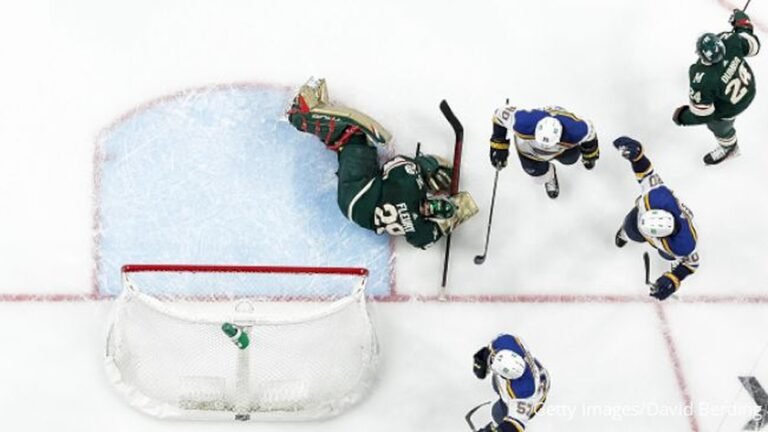
A power play happens when one team has more skaters on the ice because the other team has one or more players serving penalties. Usually, teams play with five skaters and a goalie. If a player breaks a rule and gets a penalty, they must sit in the penalty box for a set time (often two minutes). Their team plays with fewer skaters, called shorthanded. The other team is on the power play, using their advantage to try and score.
This rule keeps the game fair and discourages dangerous or unfair play. But it also adds extra drama, as teams must defend or attack with a different strategy.
Types Of Power Plays
There are a few main types of power plays, depending on how many players are penalized.
| Situation | Skaters (Power Play) | Skaters (Shorthanded) | Description |
|---|---|---|---|
| Standard Power Play | 5 | 4 | One player serving a minor penalty |
| Two-Man Advantage | 5 | 3 | Two players serving penalties |
| Four-on-Three Power Play | 4 | 3 | Multiple penalties in overtime (fewer skaters) |
The most common is the standard power play (5-on-4). Sometimes, teams have a two-man advantage (5-on-3), which is rare but very dangerous for the shorthanded team. In overtime, teams may have even fewer skaters, leading to 4-on-3 situations.
:max_bytes(150000):strip_icc()/Hockey_power_play_477488513-56a77fc43df78cf7729683e6.jpg)
How Long Does A Power Play Last?
Most power plays last two minutes. This is called a minor penalty. Some more serious penalties, called major penalties, last five minutes. Here’s how it works:
- Minor penalty: 2 minutes, ends if the power play team scores.
- Major penalty: 5 minutes, full time served even if a goal is scored.
- Double minor: 4 minutes, often for more serious infractions.
If the team with more skaters scores during a minor penalty, the penalty ends early, and the penalized player returns to the ice. For major penalties, the shorthanded team must play the full time, no matter how many goals are scored.
Why Is The Power Play So Important?
A power play can change a game’s outcome quickly. With one less defender, the shorthanded team must cover more space, making it easier for the power play team to pass, shoot, and score. In the NHL, power play teams score on about 20% of their opportunities, but top teams can be much higher.
Teams work hard to develop special power play units—players who are very skilled at passing, shooting, and moving the puck quickly. Coaches design special plays and practice them often.
Power Play Strategies
Teams use different strategies to make the most of their advantage. The main goal is to move the puck quickly and find open shooting lanes. Here are some common strategies:
- Umbrella formation: Three players at the top of the offensive zone, two near the goal.
- Overload: Extra skaters crowd one side, creating passing options.
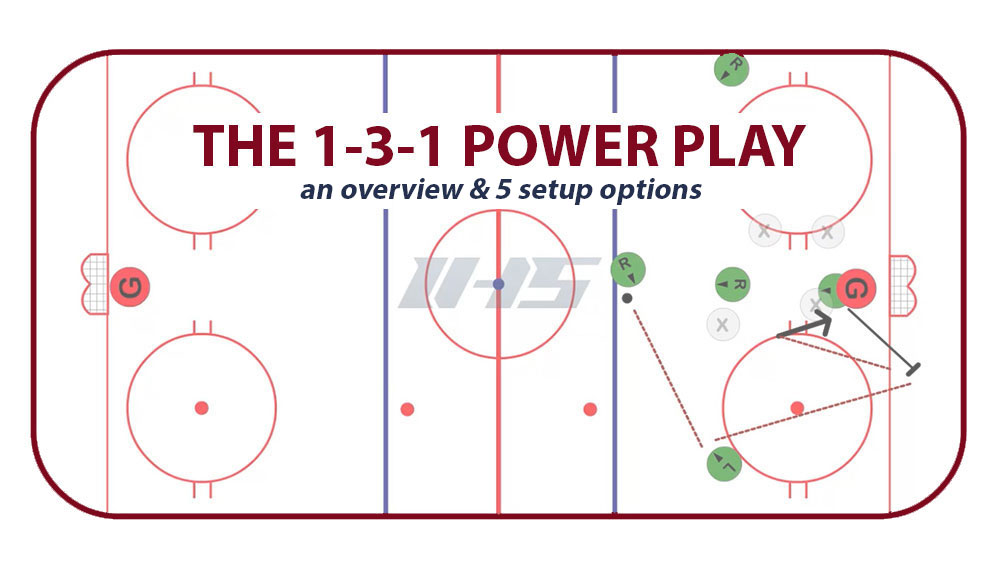
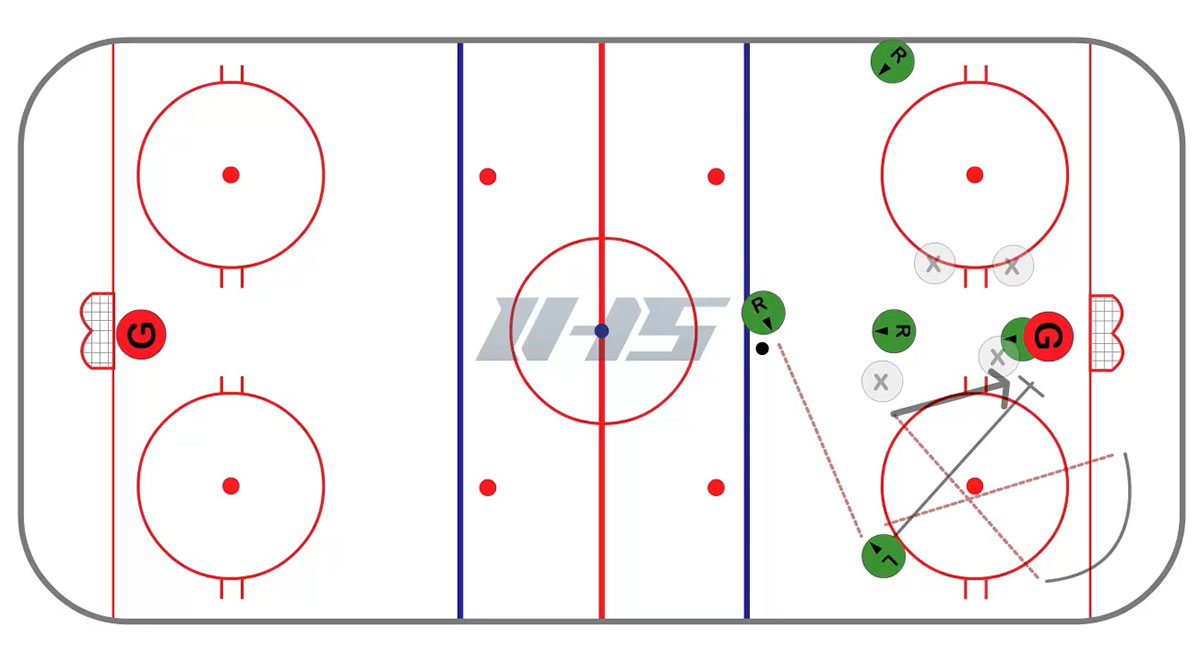
- 1-3-1 formation: One player in front, three across the middle, one at the point.
Each formation has strengths. For example, the umbrella gives more options to shoot from the blue line, while the overload creates close passing plays near the net.
Shorthanded Play: The Penalty Kill
While one team is on the power play, the other is trying to survive with fewer skaters. This is called the penalty kill. The penalty-killing team focuses on:
- Blocking shots
- Clearing the puck out of their zone
- Keeping the puck on the boards (sides of the rink)
- Limiting dangerous passes
Surprisingly, sometimes the shorthanded team scores a shorthanded goal by catching the power play team off-guard. However, this is rare and usually only happens when the power play team makes a mistake.
Comparing Power Play Success
Different teams have different levels of success on the power play. Let’s look at some NHL power play statistics from the 2022–2023 season:
| Team | Power Play % | Goals Scored |
|---|---|---|
| Edmonton Oilers | 32.4% | 89 |
| Tampa Bay Lightning | 25.4% | 71 |
| Boston Bruins | 22.2% | 62 |
The Edmonton Oilers, for example, had one of the most dangerous power plays in NHL history.
Common Power Play Mistakes
Even top teams sometimes waste their advantage. Here are some frequent mistakes:
- Poor puck movement: Holding the puck too long makes it easy for defenders to predict plays.
- Bad shot selection: Taking shots from far away or bad angles usually does not result in goals.
- Turnovers: Losing the puck at the blue line often leads to shorthanded rushes.
- Not screening the goalie: Without a player in front, goalies see the puck and make easier saves.
Watching games, you’ll notice that successful power plays are fast, patient, and always moving players and the puck.
Non-obvious Insights About Power Plays
One thing beginners may miss is that faceoffs become much more important during a power play. Winning the faceoff in the offensive zone gives the power play team more time with the puck. Losing it means the shorthanded team can clear the puck and waste valuable seconds.
Another detail: penalty timing can overlap. If a shorthanded team takes another penalty, the power play becomes even longer or turns into a two-man advantage. Managing these moments is a huge test for both teams.
The Role Of The Goalie
The goalie on the shorthanded team is often the busiest player. They must be ready for quick passes, one-timers, and screens. A great penalty-killing goalie can steal a game with a few big saves during power plays. Teams sometimes rely on their goalie’s skills when their penalty kill is weak.
Power Play In International And Amateur Hockey
Power play rules are almost the same in international hockey (like the Olympics) and youth leagues. However, some leagues have small rule changes, such as different penalty times or overtime formats. Always check your league’s specific rules if you play or coach.
Frequently Asked Questions
What Is The Main Goal Of A Power Play?
The main goal is to use the extra skater to create open shots and score, taking advantage of the other team’s penalty.
Can The Shorthanded Team Score During A Power Play?
Yes, if the shorthanded team scores, it’s called a shorthanded goal. It’s less common but can change the game’s momentum.
How Does A Power Play End?
A power play ends when the penalty time runs out, or if the power play team scores during a minor penalty. Major penalties must be served in full.
Who Decides If A Penalty Causes A Power Play?
The on-ice referees decide if a play deserves a penalty. If a player breaks the rules, the referee signals, and the player goes to the penalty box.
Where Can I Learn More About Power Plays In Ice Hockey?
You can find more details and rules on the Wikipedia Power Play page.
A power play is one of the most exciting and important moments in ice hockey. Understanding how it works—both for the team with the advantage and the team defending—adds a lot to watching or playing the game. Next time you see a penalty, you’ll know exactly what’s happening and why every second matters.
