What Is A Kayak Paddle?
If you’ve ever watched someone gliding smoothly across a lake in a kayak, you’ve probably noticed one thing: the movement of their paddle. The kayak paddle is not just a simple stick with blades; it’s an essential tool that connects the paddler to the water. While it might look basic at first glance, there’s a lot more to a kayak paddle than most beginners realize. Understanding its design, purpose, and how to choose the right one can make a huge difference in your kayaking experience. Let’s explore what makes the kayak paddle unique, why it matters, and how you can pick the best one for your needs.
The Basics: What Is A Kayak Paddle?
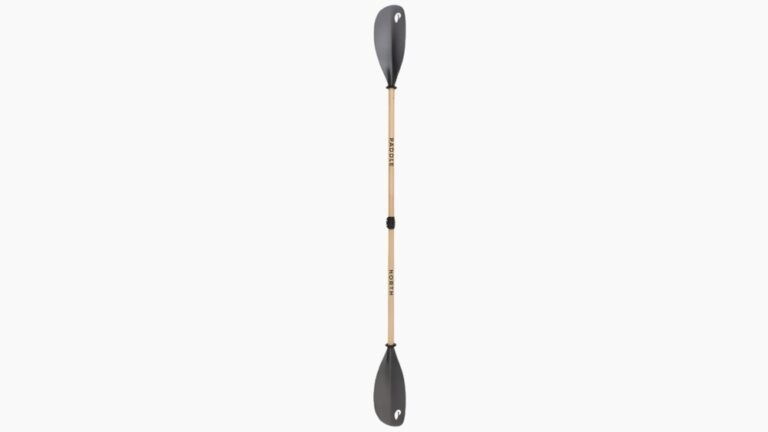
A kayak paddle is a long, lightweight tool with a blade at each end. The paddler holds the shaft in the middle and dips each blade into the water, using an alternating motion to propel the kayak forward or backward. This double-bladed design is different from a canoe paddle, which has only one blade.
Key elements of a kayak paddle:
- Shaft: The long, central part you hold.
- Blades: The flat ends that move water.
- Drip rings: Small rings near the blades to keep water from sliding down the shaft onto your hands.
The main job of a kayak paddle is to move the kayak through the water efficiently. But a good paddle also helps with steering, balancing, and even rescue techniques.
History And Evolution Of Kayak Paddles
The kayak paddle has a rich history going back thousands of years. The Inuit and Aleut people of the Arctic invented early kayaks and paddles, using driftwood and whalebone for shafts and animal skins for blades. These paddles were designed for long-distance travel, hunting, and surviving in harsh environments.
Over time, the design evolved:
- Traditional paddles were often long and narrow.
- Modern paddles use materials like aluminum, fiberglass, and carbon fiber for lightweight strength.
- Blade shapes and shaft designs have adapted for different kayaking activities, from calm lakes to whitewater rapids.

How Does A Kayak Paddle Work?
A kayak paddle turns your arm and body movements into forward motion. Here’s how:
- Catch: The blade enters the water near your feet.
- Power phase: You pull the blade back alongside the kayak, pushing water behind you.
- Exit: The blade leaves the water near your hip.
- Recovery: You lift the blade, twist the shaft, and prepare for the next stroke with the opposite blade.
This alternating motion gives a smooth, continuous glide. The double-bladed design makes it easier to paddle straight and turn quickly.
Main Types Of Kayak Paddles
Not every kayak paddle is the same. Different types suit different activities and body types.
1. Recreational Kayak Paddle
- Simple and affordable.
- Often made of aluminum or plastic.
- Good for beginners and casual paddling.
2. Touring/sea Kayak Paddle
- Designed for long-distance trips.
- Lighter materials like fiberglass.
- Slimmer blades for less fatigue.
3. Whitewater Kayak Paddle
- Strong and durable.
- Shorter shaft for fast, powerful strokes.
- Reinforced blades to handle rocks and impacts.
4. Fishing Kayak Paddle
- Special features like measuring tape on the shaft.
- Hook retrieval notches in the blade.
- Designed for stability and easy handling in sitting positions.
5. Performance/racing Paddle
- Made from carbon fiber for ultra-lightweight.
- Asymmetrical blades for maximum speed.
- Designed for athletes and competitors.
Comparing Major Types
To see how these paddles differ, look at the table below:
| Type | Material | Blade Shape | Best For |
|---|---|---|---|
| Recreational | Aluminum/Plastic | Symmetrical | Casual paddling |
| Touring/Sea | Fiberglass | Asymmetrical | Long trips |
| Whitewater | Fiberglass/Carbon | Wide, strong | Rough water |
| Fishing | Aluminum/Composite | Wide, notched | Kayak fishing |
| Performance | Carbon Fiber | Asymmetrical | Racing |
Anatomy Of A Kayak Paddle
Every part of a paddle serves a purpose. Let’s break down the main components:
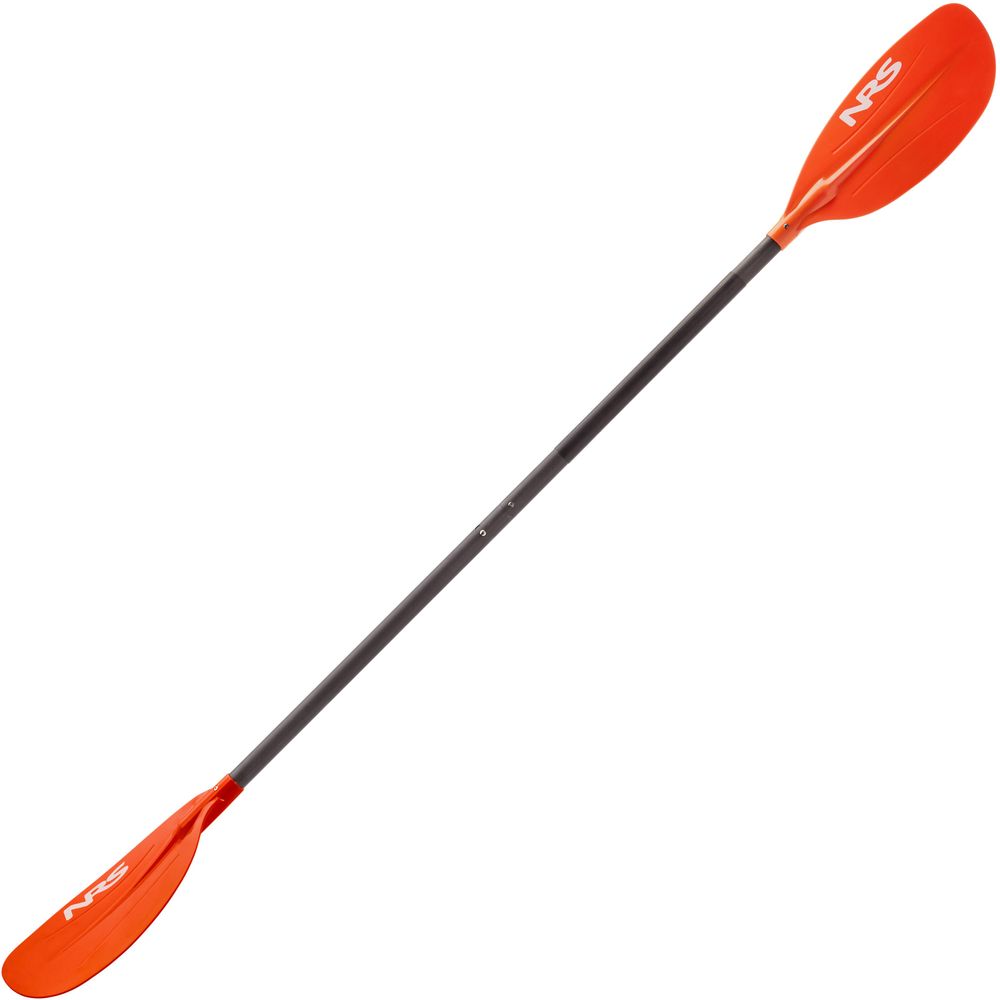
- Blade: The wide, flat part that pushes against the water. Blades can be symmetrical or asymmetrical, long or short, flat or spoon-shaped.
- Shaft: The central pole connecting the blades. Shafts can be straight or bent (ergonomic), and come in one or two pieces for transport.
- Drip Rings: Prevent water from running down onto your hands.
- Ferrule: The connection point in two-piece paddles, sometimes adjustable for feathering (angling the blades).
Some paddles also have markings, grip areas, or extra features for specific sports like fishing.
Paddle Length: Why Size Matters
Choosing the right paddle length is essential for comfortable and efficient kayaking. The wrong size can tire you out quickly or make paddling awkward.
What affects paddle length?
- Your height: Taller paddlers need longer paddles.
- Kayak width: Wider kayaks require longer paddles.
- Paddling style: High-angle (aggressive) paddlers use shorter paddles, while low-angle (relaxed) paddlers use longer ones.
Here’s a quick reference for paddle sizing:
| Paddler Height | Kayak Width | Paddle Length |
|---|---|---|
| Under 5’5″ (165 cm) | Under 24″ (61 cm) | 210-220 cm |
| 5’5″–5’11” (165–180 cm) | 24″–28″ (61–71 cm) | 220-230 cm |
| 6’0″+ (183 cm+) | 28″+ (71 cm+) | 230-250 cm |
Non-obvious tip: If you switch between different kayaks, a two-piece adjustable paddle gives you flexibility for sizing.
Blade Shapes And Their Impact
Blades come in different shapes, and each one affects your paddling style.
- Symmetrical blades: Same shape on both sides. Good for beginners and relaxed paddling.
- Asymmetrical blades: Angled, with a longer side. Cuts through water more efficiently, reduces flutter.
- Dihedral blades: Have a ridge down the center. Helps water flow smoothly, making the paddle more stable.
- Spoon-shaped blades: Slight curve or scoop. Grabs more water for a stronger stroke.
Example: A whitewater kayaker might pick a wide, spoon-shaped blade for explosive moves, while a touring kayaker prefers a narrow, asymmetrical blade for endurance.
Paddle Shaft Design
The shaft design affects comfort and control.
- Straight shaft: The most common. Simple, affordable, and works for most people.
- Bent shaft: Has bends near the grips. Reduces wrist strain and improves ergonomics.
- One-piece: Strongest but harder to transport.
- Two-piece or four-piece: Easier to store, good for travel or emergency backups.
Insight: If you have wrist or joint pain, a bent shaft can make a big difference over long trips.
Materials: What’s Inside Your Paddle?
The material of a kayak paddle influences its weight, durability, and price.
- Aluminum: Cheapest, heavier, durable. Good for beginners or rentals.
- Plastic/Polypropylene: Used for blades, tough but can feel “soft” in the water.
- Fiberglass: Light and strong, a good balance for most paddlers.
- Carbon fiber: Ultra-light, stiff, and expensive. Best for serious paddlers and racers.
- Wood: Classic look and feel, good flex, but needs more care.
Real-world tip: A lighter paddle may cost more, but it reduces fatigue, especially on longer trips.
Feathering: What Does It Mean?
Feathering is the angle difference between the two blades. Some paddles let you rotate the blades so they are offset, usually between 30° and 60°.
Why feather?
- Reduces wind resistance on the blade that’s out of the water.
- Makes paddling more efficient in strong winds.
Many modern paddles have a push-button ferrule or adjustable system for easy feathering.
Common Kayak Paddle Mistakes
Even experienced kayakers sometimes make these errors:
- Choosing the wrong length: Too short makes paddling hard; too long wastes energy.
- Ignoring weight: Heavy paddles can tire arms quickly.
- Bad grip: Holding the shaft too tight or in the wrong place causes blisters.
- Not adjusting feather angle: Missing out on efficiency in windy conditions.
- Using the wrong blade shape: Makes paddling less effective for your activity.
How To Choose The Right Kayak Paddle
Finding your ideal paddle can feel confusing, but focus on these steps:
- Know your kayak type: Sit-in, sit-on-top, touring, whitewater.
- Measure your size and kayak width: Use sizing charts.
- Decide on your main activity: Speed, fishing, recreation, or whitewater.
- Set a budget: Lighter and stronger paddles cost more but last longer.
- Try before you buy: If possible, borrow or rent paddles to find your preference.
Advanced tip: For long trips, prioritize weight and comfort over price. The difference is noticeable after several hours on the water.

Caring For Your Kayak Paddle
A well-maintained paddle lasts for years.
- Rinse after use: Especially in saltwater.
- Check connections: Make sure ferrules are clean and tight.
- Store properly: Out of direct sunlight and extreme heat.
- Inspect for damage: Cracks in blades or shaft can worsen quickly.
Kayak Paddle In Competition And Adventure
In sports like Olympic kayaking, the paddle design is highly specialized. Racing paddles use carbon fiber and unique blade shapes for speed. In adventure kayaking, reliability and strength matter most—many paddlers carry a spare paddle for emergencies.
Fact: The world record for a solo kayak marathon is over 200 km in 24 hours, showing how much efficiency and comfort matter in paddle design.
For more about kayak history and technology, you can visit the Wikipedia page on kayaks.
Frequently Asked Questions
What’s The Difference Between A Kayak Paddle And A Canoe Paddle?
A kayak paddle has two blades, one on each end, and is used with both hands. A canoe paddle has only one blade and is used with a single side at a time.
How Do I Know If My Paddle Is The Right Length?
The best length depends on your height and the width of your kayak. Use the sizing chart above or ask for help at a local shop. If you feel your arms are reaching too far or the paddle hits the kayak, it’s the wrong size.
Are Expensive Paddles Really Worth It?
Higher-priced paddles are usually lighter and more comfortable. If you paddle often or go on long trips, the reduced fatigue and better performance are worth the investment.
Can I Use The Same Paddle For All Types Of Kayaking?
You can use a general paddle for different types, but specialized paddles perform better for certain activities (like whitewater or racing). If you do one type most of the time, choose a paddle designed for it.
How Do I Hold A Kayak Paddle Correctly?
Hold the paddle with both hands about shoulder-width apart. The concave side of the blades should face you. Keep your grip relaxed to avoid blisters and fatigue.
A kayak paddle may look simple, but choosing the right one and using it properly can transform your time on the water. Whether you’re just starting out or looking to upgrade, understanding the details makes all the difference. Happy paddling!
