Ice hockey is a fast game, full of excitement, skill, and quick moments that can change everything. For fans and players, some achievements stand out as special. One of these is the hat trick. You might hear the crowd cheer even louder, see hats thrown onto the ice, and watch players celebrate in a unique way. But what exactly is a hat trick in ice hockey? Why is it so important? Let’s dive into the story behind this famous term, how it happens, and why it’s remembered in hockey history.
The Meaning Of A Hat Trick
A hat trick in ice hockey means that a single player scores three goals in one game. It does not matter if the goals are scored in regular play or overtime. The goals must be in the same match and by the same player. This achievement shows great skill and timing, and it is not easy to do. While two goals in a game is impressive, three goals take a player’s performance to another level.
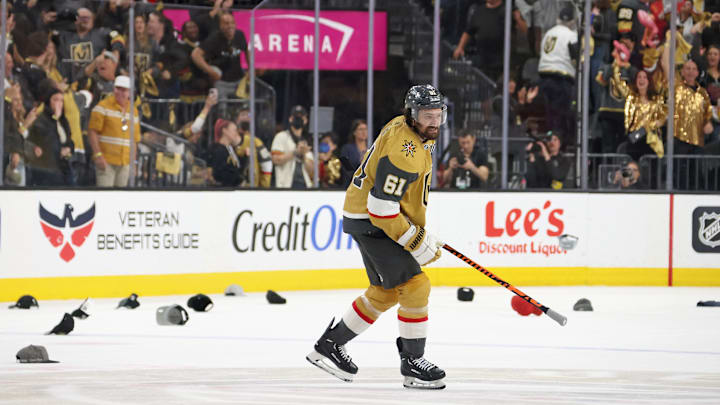
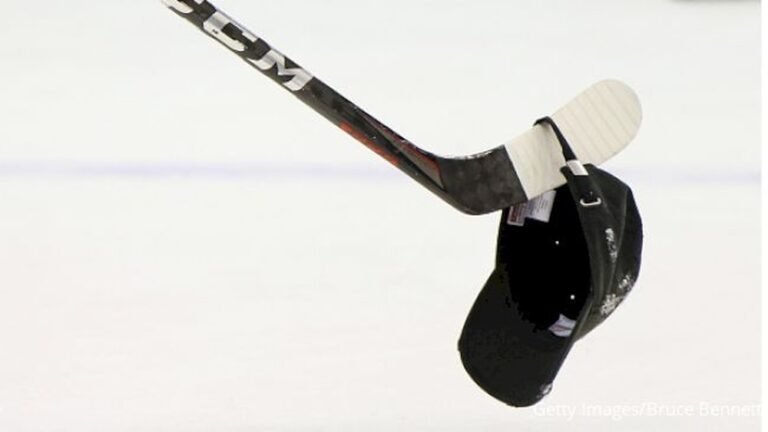
The name “hat trick” comes from the tradition of fans throwing hats onto the ice to celebrate. This custom started many years ago and is now a common sight in hockey arenas.
How A Hat Trick Happens
Scoring a hat trick is rare in professional hockey. Here’s what must happen:
- The player scores one goal—could be early or late in the game.
- The player scores a second goal, raising excitement among fans and teammates.
- The third goal is often the most dramatic, as everyone knows a hat trick is within reach.
The goals can be at even strength, during a power play, or even short-handed (when a team has fewer players due to a penalty). The main rule is that the player must score all three in the same game.
Types Of Hat Tricks
There are several types of hat tricks in ice hockey. Here are the main ones:
- Natural Hat Trick: A player scores three goals in a row, with no other player from either team scoring in between.
- Regular Hat Trick: Three goals by the same player in one game, but not necessarily in a row.
- Power Play Hat Trick: All three goals are scored when the player’s team has a one-man advantage due to a penalty.
- Short-Handed Hat Trick: All three goals happen while the player’s team is short-handed.
- Gordie Howe Hat Trick: This is special—it means a player gets a goal, an assist, and a fight in the same game. It is named after Gordie Howe, a famous NHL player.
Here’s a table comparing different types of hat tricks:
| Type | Description | Rarity |
|---|---|---|
| Natural | Three goals in a row by one player | Very rare |
| Regular | Three goals in a game by one player | Uncommon |
| Power Play | All goals during a power play | Rare |
| Short-Handed | All goals while short-handed | Extremely rare |
| Gordie Howe | Goal, assist, and fight in one game | Unique |
Why The Hat Trick Is Special
Scoring three goals in one game is difficult. In the NHL, only about 5% of games see a player score a hat trick. Most players never score one in their whole career. This is why fans and teams celebrate so much when it happens.
Another reason the hat trick is special is the effect it has on the game. One player’s three goals can change the result, inspire teammates, and make headlines.
The Hat Throwing Tradition
You might wonder why fans throw hats onto the ice. This tradition has several possible origins, but most believe it started in Canada in the early 1900s. Some say that hat shops would reward a player who scored three goals with a free hat.
Over time, fans began to throw their own hats onto the ice to show respect for the player’s achievement.
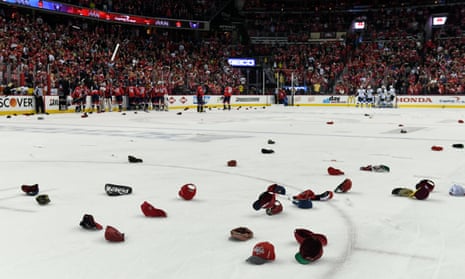
Today, when a hat trick happens, the ice gets covered with hats of all kinds—baseball caps, winter hats, and even team merchandise. It takes several minutes to clear the ice, but for fans, it’s worth it.
Famous Hat Tricks In Nhl History
Hat tricks often become part of hockey history. Here are a few memorable ones:
- Wayne Gretzky holds the NHL record with 50 hat tricks in his career.
- Mario Lemieux once scored five goals in five different ways in a single game: Even strength, power play, short-handed, penalty shot, and empty net.
- Alex Ovechkin scored his first NHL hat trick as a rookie and has since had over 30 in his career.
Let’s look at the players with the most career hat tricks in the NHL:
| Player | Number of Hat Tricks | Era |
|---|---|---|
| Wayne Gretzky | 50 | 1979–1999 |
| Mario Lemieux | 40 | 1984–2006 |
| Mike Bossy | 39 | 1977–1987 |
| Brett Hull | 33 | 1986–2006 |
| Phil Esposito | 32 | 1963–1981 |
Comparing Hat Tricks Across Different Leagues
Hat tricks are celebrated in leagues around the world, but their frequency can vary. Here’s a quick look:
| League | Average Hat Tricks per Season | Typical Fan Celebration |
|---|---|---|
| NHL (North America) | 50-60 | Hats thrown on ice |
| KHL (Russia/Europe) | 30-40 | Hats, scarves, or other items |
| SHL (Sweden) | 15-20 | Hats or symbolic gestures |
This shows the NHL has the most hat tricks, likely because it has the most games and highest scoring rates.
Non-obvious Insights About Hat Tricks
Most beginners think a hat trick is just about goals. But there are a few things many do not realize:
- Assisted Goals Count: Even if a player gets help from teammates, the goal still counts toward a hat trick.
- Empty Net Goals: If a goalie is pulled for an extra attacker, scoring into an empty net still counts toward a hat trick.
- Postseason Hat Tricks: Scoring a hat trick in the playoffs is even more special, as games are tighter and defense is stronger.
- Penalty Shots: Goals from penalty shots count toward a hat trick, making it possible for a player to get all three in different ways.
Understanding these points can help fans appreciate just how skilled a player must be to score three times in one game.
The Hat Trick In Youth And Amateur Hockey
Hat tricks are not just for the pros. They are common in youth leagues and amateur games, where the skill levels can vary more. Coaches often use hat tricks to motivate young players, and local fans celebrate them with the same joy as in big arenas.
But even in these games, three goals in one match is a big achievement.
Frequently Asked Questions
What Happens To The Hats Thrown On The Ice After A Hat Trick?
Most teams collect the hats and sometimes donate them to charity. Some hats are kept by the team as souvenirs.
Can A Player Score More Than One Hat Trick In A Game?
Yes, but it is very rare. A player would need to score at least six goals in one game for two hat tricks.
Do Assists Count For A Hat Trick?
No, only goals count. The player must score three goals, not just help others score.
Is There A Reward For Scoring A Hat Trick?
Besides the celebration, some teams give a puck, a game puck, or a small trophy to the player. The real reward is the respect from teammates and fans.
Where Did The Term “hat Trick” Come From?
It likely started in cricket, where players were given hats for special achievements. It moved to hockey with the tradition of fans throwing hats on the ice.
For more details about the history and meaning of a hat trick, you can visit the Wikipedia page on hat tricks.
A hat trick is more than just three goals. It is about skill, timing, and a little bit of hockey magic. Whether you are a new fan or a long-time follower, the next time you see hats rain onto the ice, you will know why this moment is so celebrated.