Catching your first wave is an unforgettable moment. For many, the excitement of learning to surf is balanced by the challenge of finding the right conditions. One of the most important questions new surfers ask is: what is a good wave height for beginners? The answer is not only about numbers. It also depends on safety, skill level, and the type of board you use. If you pick the wrong waves, your first experiences could be scary or even dangerous. But if you find the right wave height, you can build your confidence and skills in a fun, safe way.
Understanding the best wave height for beginners is not just about what feels comfortable. It’s about learning to read the ocean, knowing your limits, and making smart choices. This article breaks down everything you need to know, from the basics of wave height to tips for a safe and enjoyable start in surfing.
What Does Wave Height Mean?
Wave height is the vertical distance between the top (crest) of a wave and the bottom (trough). It is usually measured in feet or meters. When you hear a forecast say “waves 1-2 feet,” it means the distance from the lowest point to the highest point of the wave is between one and two feet. This number may sound small, but even small waves have power.
There are different ways of measuring wave height, and sometimes forecasts use terms like “face height” (the front of the breaking wave) or “Hawaiian scale” (which is about half the face height). For beginners, it’s best to focus on the face height—the part of the wave you actually ride.
Why Wave Height Matters For Beginners
Wave height is one of the most important factors for safety and learning. Bigger waves move faster and have much more power. If you start on waves that are too big, you can get hurt or lose confidence. On the other hand, waves that are too small might not carry you at all, making it hard to practice catching waves or standing up.
Starting with the right wave height helps you:
- Learn basic skills safely
- Gain confidence
- Reduce risk of injury
- Have more fun
It’s also easier to practice paddling, popping up, and balancing on smaller waves. Mastering these basics is key before moving to larger waves.
The Ideal Wave Height Range For Beginners
For most people learning to surf, the best wave height is between 1 to 3 feet (0.3 to 1 meter) on the face of the wave. This range is gentle enough for safety, but still provides enough push to catch and ride the wave.
Why 1-3 Feet Is Best
- Easier to handle: Small waves are less intimidating. You can practice without fear.
- Less power: Falls are softer. The chance of injury is much lower.
- Enough energy: Waves in this range will push most beginner boards (like longboards and foamies).
Many surf schools and instructors recommend starting with white water (the foamy part after a wave breaks), which is usually less than 2 feet high. Once you are comfortable, you can move to unbroken waves in the 2-3 feet range.
How To Judge Wave Height At The Beach
Reading a surf forecast is helpful, but the real test is what you see at the beach. Here’s how to judge wave height:
- Watch other surfers: Compare wave size to the people in the water. If a wave comes up to their waist, it’s about 2-3 feet.
- Look for white water: The foamy, broken waves near shore are usually smaller and perfect for practice.
- Ask locals: Lifeguards or regular surfers can give you advice about today’s conditions.
Here’s a quick comparison for reference:
| Wave Height (Feet) | Wave Height (Meters) | Experience Level |
|---|---|---|
| 0-1 | 0-0.3 | Absolute beginner (white water only) |
| 1-3 | 0.3-1 | Beginner (small unbroken waves) |
| 3-5 | 1-1.5 | Intermediate (starting to turn, more power) |
Other Factors That Affect Wave Choice
Wave height is important, but it’s not the only thing you should consider. Here are some other factors that matter for beginners:
Wave Shape
Gentle, slow-breaking waves are best for learning. Fast, steep waves are more difficult and dangerous for beginners.
Wave Frequency
This means how often waves come. If waves are too close together, you have less time to recover after a fall. Look for breaks with a longer time between sets (8-12 seconds is good).
Wind And Tides
Wind changes the shape of waves. Offshore wind (blowing from land to ocean) makes waves smoother and easier to ride. Onshore wind (blowing from ocean to land) can make waves choppy and messy.
Tides also affect wave size. At some beaches, high tide makes waves smaller and safer for beginners.
Crowds And Hazards
A crowded lineup can be tricky for new surfers. You have less space and more risk of accidents. Also, check for rocks, reefs, or strong currents. Always choose a sandy beach with lifeguards if possible.
Types Of Waves For Beginners
Not all waves are created equal. Here are three main types of waves and which are best for learning:
- White Water Waves: The broken, foamy part of a wave. Safe and gentle. Great for the first lessons.
- Rolling Unbroken Waves: Small, gentle waves before they break. Perfect for practicing catching “green waves.”
- Reef or Point Breaks: These can be good if the waves are small, but often they are more powerful and dangerous.
For most learners, starting in white water and then moving to small, unbroken waves at a sandy beach is best.
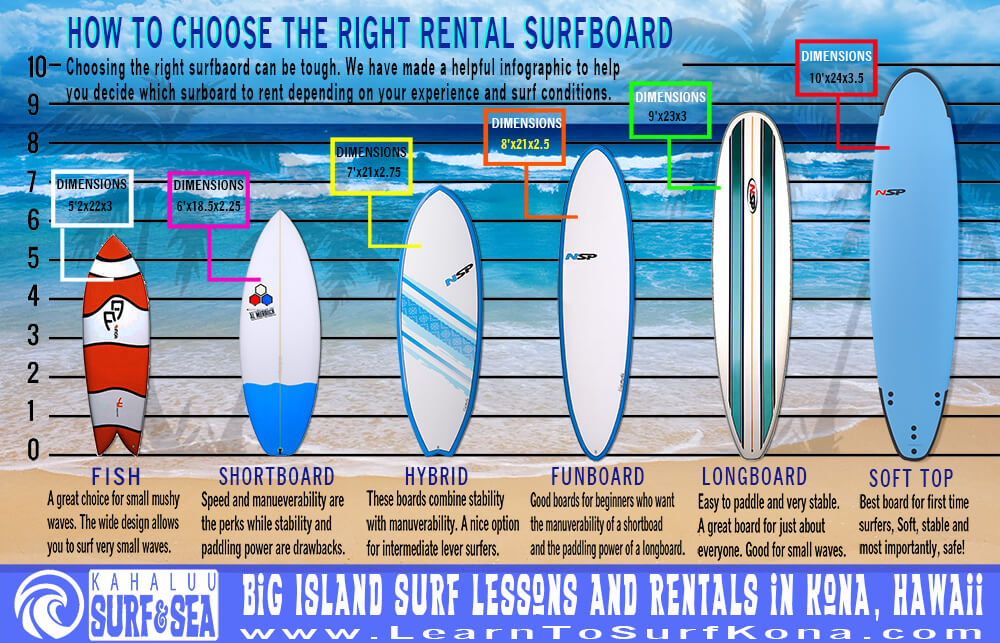
Choosing The Right Board For Small Waves
The board you use makes a big difference. Beginners should use boards that are:
- Long: At least 8 feet for adults. The extra length makes paddling and catching waves easier.
- Wide: More stability.
- Thick: Extra float helps you catch smaller waves.
Foam boards (soft tops) are perfect for small waves and beginners. They are safer if you fall, and they help you learn balance faster.
Here’s a quick comparison of board types for small waves:
| Board Type | Length (ft) | Ideal For | Notes |
|---|---|---|---|
| Soft-top Longboard | 8-9+ | Absolute beginner | Very stable and safe |
| Mini Mal | 7-8 | Beginner to intermediate | Easier turns, still stable |
| Shortboard | 5-6.5 | Advanced | Not recommended for beginners |
How Wave Height Feels In Reality
A one-foot wave may sound small, but for a beginner, it can feel much bigger. Remember:
- Even small waves have power. If you fall, protect your head.
- Waves are often bigger than they look from shore.
- Two feet of moving water is enough to knock you down and push you along the beach.
If you’re unsure, start smaller. It’s better to practice on tiny waves and have fun than to get scared or injured in bigger surf.
Common Mistakes Beginners Make About Wave Height
Many new surfers make the same errors when choosing wave height:
- Overestimating abilities: Trying bigger waves too soon leads to frustration or injury.
- Underestimating wave power: Even “small” waves can feel strong.
- Ignoring other factors: Only thinking about height, not shape, wind, or crowd.
- Copying others: Just because someone else is out in bigger waves doesn’t mean you should be.
- Not checking the forecast: Missing important information about conditions.
To avoid these mistakes, always start small, ask for advice, and watch the ocean before you paddle out.
Practical Tips For Surfing In Beginner-friendly Waves
Here’s how to make the most of your early sessions:
- Arrive early: Mornings usually have smaller, cleaner waves and fewer people.
- Warm up: Stretch before entering the water to prevent injury.
- Use the right spot: Pick a sandy beach with gentle, rolling waves.
- Practice in white water: Get comfortable paddling and popping up before heading to unbroken waves.
- Respect your limits: If it looks too big or rough, wait for a better day.
- Buddy up: Surf with a friend or near lifeguards, especially if you’re new.
When To Move Up To Bigger Waves
You’ll know you’re ready for more challenging waves when:
- You can paddle out and catch white water easily.
- You stand up and ride to the beach without falling, most of the time.
- You feel comfortable in the ocean and can handle small wipeouts.
- You can control your board and avoid other surfers.
When you reach this stage, try unbroken waves in the 2-3 feet range. Don’t rush—confidence and safety come first.
Safety Advice For New Surfers
Ocean conditions change quickly. Here are a few safety reminders:
- Check the surf report: Look for wave height, wind, tides, and any warnings.
- Know your limits: There’s no shame in waiting for smaller waves.
- Watch for currents: If you see water moving quickly out to sea (rip current), avoid that area.
- Use a leash: Always wear your board leash to avoid losing your board.
- Respect others: Give space to other surfers and follow surf etiquette.
If you want more about ocean safety, visit the National Geographic Ocean Safety Guide for additional tips.
Summary Table: What To Look For In Beginner Waves
Here’s a quick reference for picking your first waves:
| Feature | Best for Beginners | Avoid |
|---|---|---|
| Wave Height | 1-3 feet (0.3-1m) | Over 3 feet |
| Wave Shape | Gentle, rolling | Steep, fast, dumping |
| Wave Type | White water, small green waves | Hollow, reef, shore break |
| Crowds | Less crowded | Very crowded spots |
Frequently Asked Questions
What Is The Safest Wave Height For Absolute Beginners?
The safest wave height for absolute beginners is 1-2 feet (0.3-0.6 meters) in the white water. These waves are gentle and less likely to cause injury.
Can I Learn To Surf On Waves Under 1 Foot?
Yes, you can practice basic skills like paddling and popping up on waves under 1 foot, especially in white water. However, you may need a bigger or more buoyant board to catch these smaller waves.
When Should I Try Unbroken Or “green” Waves?
Once you can catch and ride white water waves comfortably and stand up most of the time, try small unbroken waves around 2-3 feet. Start with gentle, rolling waves at a sandy beach.
What If The Waves Are Too Big For Me?
If the waves look too big or powerful, wait for a smaller day or find a more protected spot. Never push yourself into conditions you’re not ready for—it’s safer and more fun to surf within your limits.
Do I Need A Surf Lesson To Start In Small Waves?
Taking a lesson is highly recommended. An instructor can help you choose the right wave height and teach you about ocean safety, board handling, and surf etiquette. This makes your first sessions more enjoyable and much safer.
Finding the right wave height is the foundation of a great surfing experience. For beginners, sticking to 1-3 feet is the smart, safe choice. With practice, patience, and the right conditions, you’ll build the confidence and skills to enjoy bigger waves in the future. Remember: the ocean is always there, so start small and enjoy the ride.

