

Golf is a sport that looks simple from a distance, but anyone who’s tried it knows the truth: the golf swing is a challenging movement to master. Whether you are new to the game or want to lower your handicap, understanding what a golf swing is—and how to improve it—is essential. With the right approach, even beginners can see real progress. This guide will walk you through the basics and offer practical, detailed advice to help you swing with more confidence and consistency.
What Is A Golf Swing?
A golf swing is the coordinated movement a golfer makes to hit the ball toward the target. It is not just about brute force; it’s a blend of balance, timing, power, and technique. The swing starts with the setup, moves through the backswing, transitions at the top, and ends with the downswing and follow-through.
The main goal of every swing is simple: strike the ball cleanly and send it where you want it to go. However, there are many small parts that make a golf swing work. Most instructors break the swing into these main phases:
- Setup – Positioning your body and club before you start the swing.
- Backswing – Lifting the club up and away from the ball.
- Transition – Changing direction at the top of the swing.
- Downswing – Swinging the club down and striking the ball.
- Follow-through – Completing the swing after the ball is hit.
Each phase requires good posture and timing. Even small mistakes can lead to missed shots or slices. Many golfers struggle for years before finding a swing that works for them, but with practice and the right knowledge, you can avoid the most common mistakes.
The Core Elements Of A Good Golf Swing
A strong golf swing is built on a few key elements. Understanding these will help you focus your practice and make faster progress.
Grip
Your grip is how you hold the club. There are three main types: the overlap, interlock, and baseball grip. The right grip keeps the club stable and allows you to transfer power without twisting the clubface.
Stance And Posture
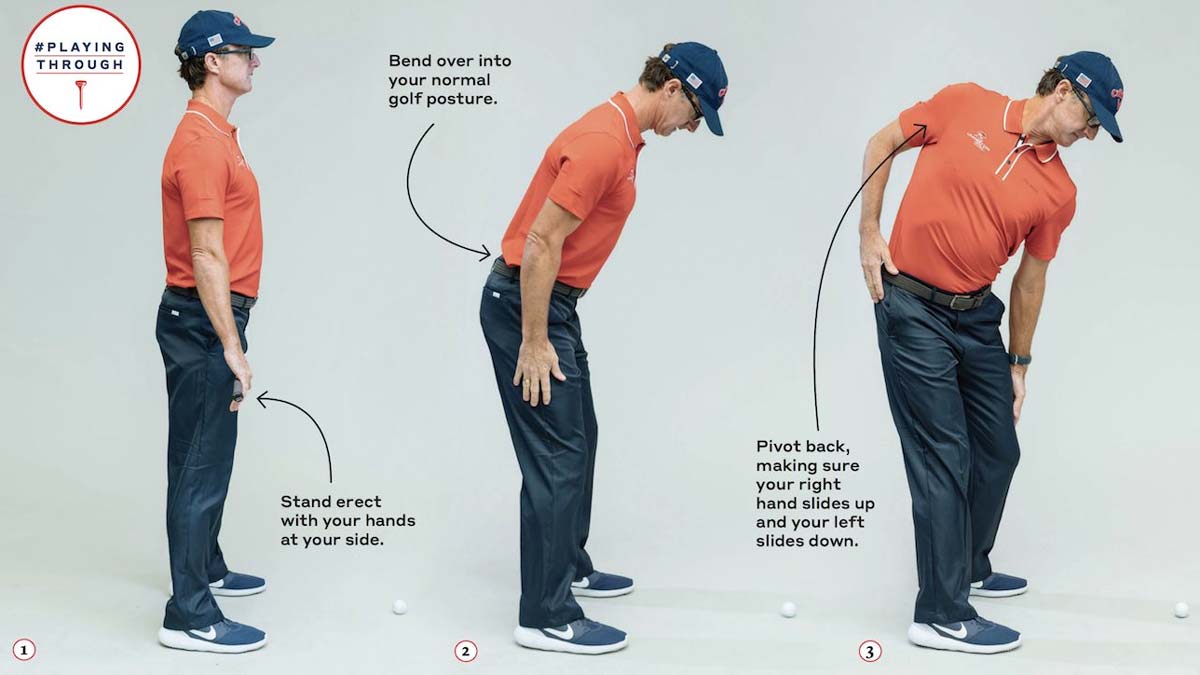
A good stance means your feet are shoulder-width apart, knees slightly bent, and your weight balanced. Your posture should be athletic: back straight, hips out, and your arms hanging relaxed.
Alignment
Alignment is making sure your body and clubface are aimed at the target. Poor alignment is a hidden cause of many bad shots.
Tempo And Rhythm
A smooth, even tempo helps you stay in control. Fast swings often lead to mistakes, while a steady rhythm produces better results.
Balance
Without balance, it’s easy to lose control. Good players finish their swings standing tall, not falling over.
Common Swing Mistakes (and How To Fix Them)
Every golfer makes mistakes. Knowing the most common errors can help you spot and fix problems quickly.
- Gripping too tightly – This creates tension and reduces clubhead speed. Try holding the club firmly but not squeezing.
- Poor alignment – Many shots miss because the body or clubface is aimed incorrectly. Check your feet, hips, and shoulders before swinging.
- Swinging too hard – Power comes from technique, not muscle. Focus on a smooth motion.
- Standing too far or too close – Find the right distance so your arms can hang naturally.
- Not finishing the swing – Many beginners stop after hitting the ball. Make sure to follow through.
Steps To Improve Your Golf Swing
Improvement does not happen overnight, but with the right steps, you can see real changes in your game. Here are essential actions every golfer should take:
1. Get A Proper Grip
Start by finding a grip that feels secure but relaxed. Most coaches recommend the overlap grip for beginners. Place your left hand (for right-handed golfers) on the club, then position your right hand so the pinky overlaps the index finger of your left.
2. Master Your Setup
Begin with your feet shoulder-width apart. The ball should be in line with the inside of your front foot. Bend from your hips, keep your back straight, and let your arms hang naturally.
3. Practice Your Alignment
Lay a club or stick on the ground parallel to your target line. Use it as a guide for your feet and clubface. Practicing alignment helps train your body to aim correctly.
4. Focus On A Smooth Backswing
Take the club back slowly, keeping your arms straight and your left shoulder under your chin. Avoid lifting the club with your hands alone—rotate your shoulders and hips together.
5. Transition With Control
At the top of the swing, pause for a split second. This helps you change direction smoothly, not jerk into the downswing.
6. Accelerate Through The Ball
Let your lower body lead as you swing down. Your hips should start moving before your arms. Don’t try to “hit” the ball—let your swing carry through naturally.
7. Finish In Balance
Hold your finish until the ball lands. If you can’t do this, you may be swinging too hard or off balance. A good finish is a sign of a controlled, powerful swing.

Drills To Build A Better Golf Swing
Practicing specific drills is one of the fastest ways to improve. Here are three that golfers at any level can use:
The Slow-motion Drill
Swing the club in slow motion, focusing on each part of the swing. This builds muscle memory and helps you feel the correct positions.
The One-handed Drill
Practice hitting balls with only your lead hand (left for right-handers). This drill builds control and helps you avoid “casting” (flipping the club too early).
The Tee Drill
Place a tee in the ground a few inches ahead of the ball. Try to strike the ball and brush the tee in one swing. This encourages a full, balanced follow-through.
The Role Of Fitness In Your Golf Swing
A powerful, consistent swing is not just about technique—it also depends on your body. Many golfers overlook how important flexibility, core strength, and mobility are for a good swing.
Golfers with strong cores rotate better and swing more powerfully. Simple exercises like planks or seated twists can help. Flexibility in the shoulders, hips, and hamstrings allows for a bigger, more controlled swing. Stretching before and after practice can prevent injuries and improve your range of motion.
Equipment: Does The Club Matter?
The type of golf club you use can affect your swing. Beginners often wonder if expensive clubs are necessary. The truth is, any modern set will work, but choosing the right shaft flex, club length, and grip size for your body is important.
Here’s a quick comparison of club shaft flex and who should use each:
| Shaft Flex | Who It’s For | Typical Swing Speed |
|---|---|---|
| Extra Stiff | Advanced, high-power players | Over 105 mph |
| Stiff | Intermediate to advanced | 95–105 mph |
| Regular | Most male players | 85–95 mph |
| Senior | Older or slower swingers | 75–85 mph |
| Ladies | Women or very slow swings | Under 75 mph |
If your clubs are too long, short, heavy, or light, it can make learning proper technique much harder. Consider getting a club fitting if you’re serious about improvement.
The Mental Side Of The Golf Swing
Many golfers focus only on the physical side, but the mental game is just as important. Staying relaxed, confident, and focused can make a big difference in your swing results.
One useful tip: pick a small target, not a general area. Instead of aiming “down the fairway,” pick a specific spot. This helps your mind and body work together.
Visualization is another powerful tool. Before each shot, picture the swing and the flight of the ball. This mental rehearsal helps your body repeat good motions.
How To Track Your Progress
Without feedback, it’s hard to know if you’re improving. Here are a few ways to measure your progress:
- Video your swing – Watching yourself helps you spot flaws and track changes.
- Track shot results – Write down how many fairways and greens you hit each round.
- Use swing analyzers – Devices can measure club speed, angle, and more.
Most golfers see the biggest improvements in their first year. Keep a simple log to see what’s working.
Golf Swing Speed And Distance: What’s Average?
Many new golfers wonder how they compare to others. Here’s a look at typical swing speeds and distances:
| Golfer Type | Average Swing Speed (Driver) | Typical Driver Distance |
|---|---|---|
| PGA Tour Pro | 113 mph | 295–310 yards |
| Male Amateur | 85–95 mph | 200–240 yards |
| Female Amateur | 65–75 mph | 140–170 yards |
Don’t worry if your swing speed is lower—consistency and accuracy matter more for most golfers.
Two Non-obvious Insights For Beginners
- Small changes make big differences – Fixing a minor grip or alignment issue can add 10–20 yards to your shots. Don’t ignore the basics, even if they seem boring.
- Your swing may not be “textbook” perfect, and that’s okay – Many pro golfers have unique swings. The key is finding a repeatable motion that works for you, not copying someone else exactly.
Practical Tips For Faster Improvement
- Practice with a purpose – Don’t just hit balls randomly. Work on one thing at a time.
- Take lessons – Even a few sessions with a coach can fix problems before they become habits.
- Rest and recover – Golf uses muscles you may not use often. Give your body time to adapt.

Useful Resources
For deeper study, check out the instructional materials from the PGA of America. They offer tips from top coaches and articles for all levels.
Frequently Asked Questions
What Is The Most Important Part Of The Golf Swing?
The setup is often the most important. A good stance, grip, and alignment make it much easier to swing correctly.
How Long Does It Take To Improve A Golf Swing?
Many golfers see improvement in a few weeks with focused practice, but making lasting changes can take several months.
Should I Copy A Professional Golfer’s Swing?
Not exactly. Learn from pros, but find a swing that matches your body, flexibility, and style.
Do I Need Expensive Clubs To Swing Better?
No. Properly fitted clubs help, but technique is far more important than price.
Can I Practice My Swing Without A Golf Course?
Yes. You can practice your grip, stance, and even slow-motion swings at home or in your backyard.
Golf is a lifelong journey, and the swing is always a work in progress. By focusing on the key elements, practicing with intention, and staying patient, you’ll build a swing you can trust—and enjoy the game even more.
