
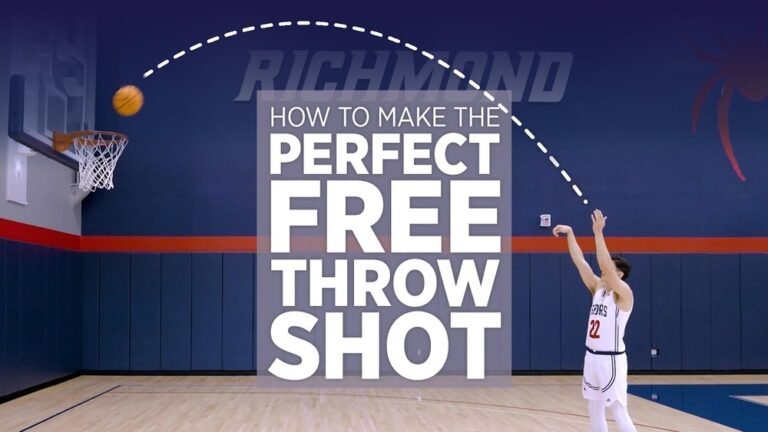
A basketball game is filled with action—fast passes, high jumps, and intense moments. But sometimes, everything stops. One player stands alone at a line, bouncing the ball, the crowd silent or buzzing with tension. This is the free throw—a simple yet powerful part of basketball. It can decide games, change the mood, and show a player’s nerves and skill. But what exactly is a free throw? Why does it matter so much? And how do players get so good at it? Let’s break down the world of free throws, from the rules to the techniques, and uncover why this shot is more than just a point on the scoreboard.
What Is A Free Throw?
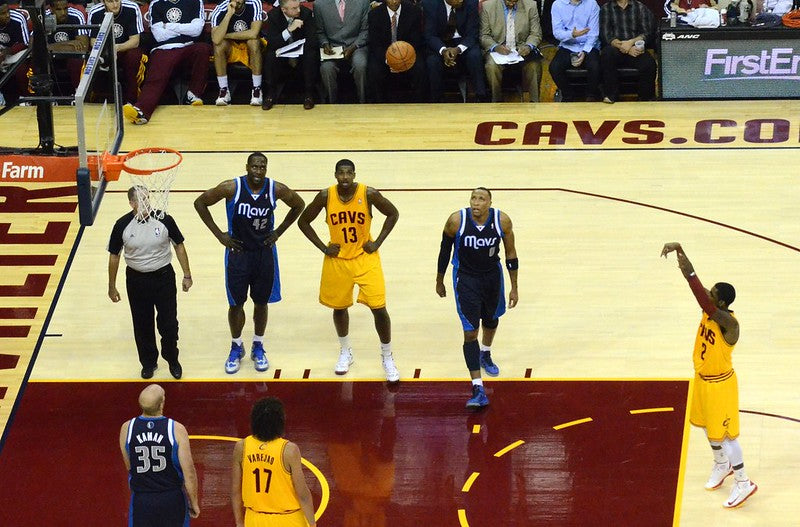
A free throw in basketball is a special shot given to a player after certain fouls. The player stands at the free throw line, unguarded, and tries to score by shooting the ball into the basket. Each successful free throw is worth one point. It’s called “free” because no defenders can block or interfere with the shot.
Free throws may look simple, but they test a player’s focus, confidence, and technique. In close games, even one missed free throw can make the difference between winning and losing.
The History And Purpose Of Free Throws
The free throw has been part of basketball since the early days. James Naismith, the game’s inventor, added free throws to punish rough play and give the offended team a fair chance to score. At first, the rules changed often.
For example, early free throws were taken from 20 feet away, and sometimes the fouled player chose who shot them.
Today, free throws are a core rule in every league, from the NBA to local schools. They reward skill and punish fouls, helping keep the game fair and under control.
When Are Free Throws Awarded?
Players do not get free throws after every foul. Here are the main situations:
- Shooting Foul: If a player is fouled while shooting, they get free throws. The number depends on where the shot was taken.
- Bonus Situation: After a team commits a set number of fouls in a period, the other team enters the “bonus” and gets free throws for non-shooting fouls.
- Technical Foul: If a player or coach breaks certain rules, the other team is awarded free throws.
- Flagrant Foul: Serious or dangerous fouls can also lead to free throws and extra penalties.
Let’s look at each in detail.
Shooting Fouls
- If a player is fouled while shooting a two-point shot and misses, they get two free throws.
- If fouled during a three-point shot and misses, they get three free throws.
- If the shot goes in, the player gets one extra free throw—this is called an “and-one”.
Bonus And Double Bonus
- In the NBA, after a team commits five team fouls in a quarter, the other team gets two free throws for each new foul (except offensive fouls).
- In college basketball (NCAA), after seven team fouls in a half, the other team gets a “one-and-one” free throw. After ten fouls, it’s two shots (double bonus).
Technical And Flagrant Fouls
- Technical fouls (like arguing with referees or illegal substitutions) lead to one or two free throws for the other team.
- Flagrant fouls (dangerous or violent actions) usually give two free throws and the ball back.
The Free Throw Line And Court Layout
The free throw line is 15 feet (4.57 meters) from the backboard. The width of the lane (also called the “paint”) varies:
- NBA: 16 feet wide
- High School/College: 12 feet wide
Here’s a quick comparison:
| League | Distance from Backboard | Lane Width |
|---|---|---|
| NBA | 15 ft (4.57 m) | 16 ft (4.88 m) |
| NCAA/High School | 15 ft (4.57 m) | 12 ft (3.66 m) |
| FIBA (International) | 15.09 ft (4.6 m) | 11.81 ft (3.6 m) |
Players must stand behind the free throw line and cannot cross it until the ball touches the rim.
The Free Throw Process: Step By Step
Taking a free throw is more than just throwing the ball. Here are the steps:
- Referee Hands the Ball: The official gives the ball to the shooter.
- Shooter Prepares: The shooter stands behind the line, usually with a routine (like bouncing the ball).
- Other Players Line Up: Teammates and opponents line up on both sides of the lane, ready to rebound.
- Shooter Takes the Shot: The shooter has ten seconds (NBA) or five seconds (FIBA) to shoot.
- Ball Hits or Misses: If it goes in, one point is scored. If it misses, the ball is live for a rebound.
A key detail: Only one player shoots the free throw. No substitutions can be made until the shots are completed.
Techniques For A Good Free Throw
Shooting a free throw is about consistency and focus. Here are the main techniques:
Stance And Balance
- Stand shoulder-width apart.
- Keep feet behind the line, balanced.
Grip And Hand Position
- Place the shooting hand under the ball.
- Guide hand on the side for control.
Routine
Most top players have a “pre-shot routine”—for example, three bounces, a deep breath, then shoot. This calms nerves and builds muscle memory.
Shooting Motion
- Bend knees slightly.
- Use one smooth motion to release the ball.
- Follow through with wrist “snapping” toward the basket.
Focus
Top shooters block out distractions and focus on a target, usually the back of the rim.

Free Throw Statistics And Why They Matter
Free throws make up a significant part of basketball scoring. For example:
- In the 2022–23 NBA season, the average team took about 23 free throws per game.
- NBA players make about 75–80% of their free throws on average.
- The best shooters, like Stephen Curry and Steve Nash, make over 90%.
Here’s a look at some famous free throw shooters:
| Player | Career FT % | Notes |
|---|---|---|
| Stephen Curry | 90.9% | NBA All-Star, MVP |
| Steve Nash | 90.4% | 8x All-Star, 2x MVP |
| Ray Allen | 89.4% | All-time great shooter |
| Shaquille O’Neal | 52.7% | Struggled at the line |
Free throws can decide championships. In close games, a missed shot can cost a win. Teams often target poor free throw shooters late in games, a tactic called “Hack-a-Shaq”.
Common Free Throw Mistakes And How To Fix Them
Many players—beginners and pros—struggle with free throws. Here are common mistakes:
- Rushing the Shot: Not following a routine causes missed shots.
- Poor Balance: Leaning or uneven feet can push the ball off target.
- No Follow Through: Stopping the wrist motion too soon leads to flat shots.
- Distraction: Focusing on the crowd or score instead of the basket.
- Changing Technique: Trying new styles during games instead of sticking with what works.
How to fix them: Always practice with the same routine, focus on technique, and use visualization (imagine the shot going in before shooting). Coaches recommend at least 50–100 free throws in each practice session to build confidence.
How Free Throws Affect Game Strategy
Free throws are not just about shooting. They shape team strategy:
- End-of-game Tactics: Teams foul on purpose to stop the clock and hope for missed free throws.
- Foul Trouble: Star players in “foul trouble” may play less aggressively to avoid giving up free throws.
- Player Selection: Coaches sometimes substitute strong free throw shooters late in games.
Some games are won or lost at the free throw line, even if teams are equal in other areas.
Unique Free Throw Rules Around The World
Rules can change depending on the league or country. Here are some examples:
- FIBA (International): The shooter has five seconds, not ten.
- Youth Leagues: Sometimes allow stepping over the line for young players.
- Streetball/Pickup: Free throws are sometimes skipped to keep games moving.
Knowing local rules can help players avoid mistakes.
Psychological Side: The Pressure Of Free Throws
Shooting a free throw can feel easy in practice, but in a crowded gym, the pressure is real. Many players struggle more with nerves than with technique.
Some use visualization or breathing exercises to stay calm. Others develop routines to block out the crowd. The best shooters learn to control their emotions and focus only on the shot.
A non-obvious tip: Practice shooting free throws when tired. In real games, you often shoot them after running hard, not when fresh.
Free Throws In Famous Basketball Moments
Free throws have shaped basketball history. Some examples:
- Michael Jordan’s “Flu Game” (1997): Hit clutch free throws late in the NBA Finals.
- Shaquille O’Neal: Missed free throws led to the “Hack-a-Shaq” strategy.
- 2016 NCAA Championship: Villanova’s Kris Jenkins made a game-winning three, but the free throws leading up to it set the stage.
Free throws may look simple, but they often carry the most pressure.
How To Practice And Improve Free Throws
Consistent practice is the only way to master free throws. Here’s a sample practice routine:
- Warm up with basic shooting.
- Shoot 25 free throws, focusing on routine.
- Take game-like free throws (after running).
- Track makes and misses.
- End practice with 10 free throws in a row.
Extra tips:
- Record your shooting form on video.
- Challenge yourself: Make 10 in a row before leaving the gym.
- Compete with teammates for fun under pressure.
Unique Insights Most Beginners Miss
- Fatigue Changes Everything: Your free throw style can break down when tired. Always practice when you’re breathing hard.
- Mental Reset is Key: If you miss a shot, mentally “reset” before the next one. Don’t rush or get frustrated—treat every shot as a new start.
Frequently Asked Questions
Why Do Some Players Struggle With Free Throws Despite Being Good Shooters?
Some players, like Shaquille O’Neal, were great scorers but struggled with free throws. This is often due to poor technique, hand size, or nerves. Shooting from distance in a game is different from standing alone with all eyes on you.
Can A Team Choose Any Player To Shoot A Free Throw?
Usually, the player who was fouled takes the free throw. The only exception is after a technical foul or if the player is injured and cannot continue, then another player on the court is chosen.
How Many Points Can You Score From Free Throws In A Game?
There is no set limit. It depends on the number of fouls and how many shots a player makes. In some games, teams score over 30% of their points from free throws.
Is There A Perfect Free Throw Shooter In History?
No player has finished a career with 100%. The best, like Stephen Curry, make about 91%. Perfection is extremely rare even for the best.
Where Can I Find Official Free Throw Rules For Different Leagues?
You can read official rules on the Wikipedia page for Free Throws, which covers NBA, NCAA, and FIBA regulations.
Free throws may look simple, but they’re one of basketball’s most important skills. With the right practice, routine, and focus, anyone can become a reliable shooter when the pressure is on. Whether you’re a new player, a coach, or a fan, understanding free throws will help you enjoy the game at a deeper level.
