What Is A Birdie
Golf is a game of skill, patience, and numbers. If you watch or play golf, you often hear words like “par,” “bogey,” or “birdie.” Among these, birdie is one of the most celebrated terms. But what exactly is a birdie? Why does it matter so much in golf? And how did this simple word become a sign of success on the course? This article will answer all your questions, explain the meaning and history of a birdie, and show you why it is a big deal for golfers of all skill levels.
The Definition Of A Birdie
In golf, a birdie means scoring one stroke under par on a hole. Every hole on a golf course has a “par” number. Par is the number of strokes an expert golfer is expected to need to complete the hole. For example, a par-4 hole should take four strokes to finish. If you complete a par-4 hole in three strokes, you have made a birdie.
Let’s break it down:
- Par 3 hole: Birdie is 2 strokes
- Par 4 hole: Birdie is 3 strokes
- Par 5 hole: Birdie is 4 strokes
Scoring a birdie is always a good thing. It means you played the hole better than expected.
The History And Origin Of The Term “birdie”
The term birdie has a fun and interesting history. It comes from American slang in the late 19th and early 20th centuries, where “bird” meant something excellent or cool. According to golf historians, the first official use of “birdie” happened in 1903 at the Atlantic City Country Club in New Jersey.
Golfers Ab Smith and his partners were playing when Smith hit a shot close to the hole. He called it a “bird of a shot. ” His group agreed that finishing the hole in one stroke under par was special, so they started calling it a “birdie.
” The term quickly became popular and is now used worldwide.

How Is A Birdie Scored?
To score a birdie, a golfer must finish the hole in one fewer stroke than par. This can happen in different ways, depending on the length and difficulty of the hole. For example, on a par-4 hole, you might:
- Hit a great drive down the fairway.
- Play your second shot onto the green, close to the flag.
- Sink the putt in one try.
That’s three strokes, which is a birdie on a par-4.
A birdie is not just about luck. It requires good planning, strong shots, and sometimes a bit of risk. Players often aim for a birdie when they see a chance, especially on shorter or easier holes.
Birdie Vs. Par And Other Scores
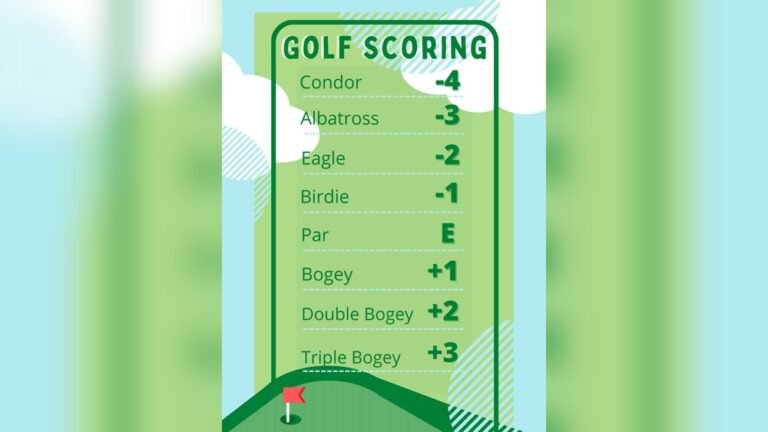
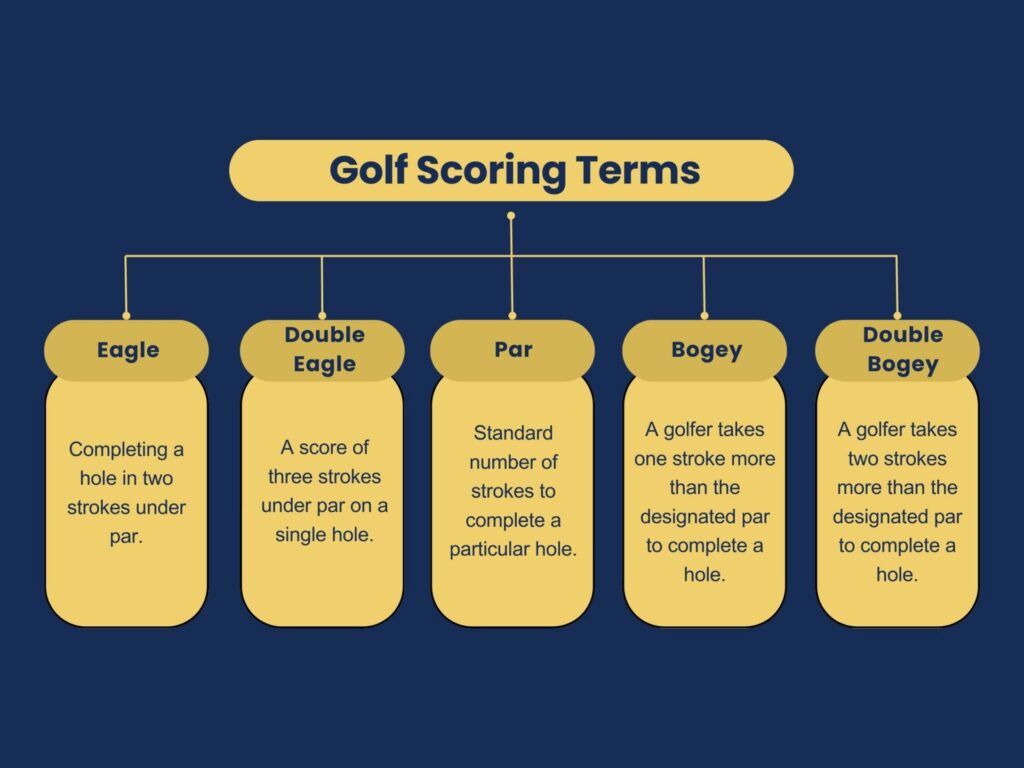
To understand why birdies are special, it helps to compare them to other common golf scores. Here is a simple table comparing the main golf terms:
| Score Name | Strokes Compared to Par | Example on Par 4 |
|---|---|---|
| Albatross (Double Eagle) | –3 | 1 stroke on par 4 (rare) |
| Eagle | –2 | 2 strokes |
| Birdie | –1 | 3 strokes |
| Par | Even | 4 strokes |
| Bogey | +1 | 5 strokes |
| Double Bogey | +2 | 6 strokes |
A birdie is a sign that you played the hole better than the average golfer. It’s not as rare as an eagle or albatross, but it is still an achievement, especially for amateur players.
Why Birdies Matter In Golf
Birdies are important for several reasons:
- Lower Scores: Each birdie reduces your total score, moving you closer to winning.
- Boosts Confidence: Making a birdie gives a mental lift and can help you play better on the next holes.
- Shows Skill: Consistently scoring birdies is proof of strong golf skills.
- Excitement: Fans and players both get excited by birdies. They make tournaments more interesting.
Professional golfers often aim to get as many birdies as possible. In fact, tournaments often keep a “birdie count” for each player. The player with the most birdies usually ranks high on the leaderboard.
Birdies In Professional Golf
Birdies play a big role at the highest levels of golf. Let’s look at some real data from the PGA Tour to show just how important they are.
| Player | Birdies per Round (2023) | Average Score |
|---|---|---|
| Scottie Scheffler | 4.5 | 68.3 |
| Jon Rahm | 4.2 | 68.7 |
| Rory McIlroy | 4.1 | 69.0 |
As you can see, top players often score more than four birdies per round. This is a key reason why their scores are so low, and why they win tournaments.
The Psychology Of Making A Birdie
Golf is as much a mental game as a physical one. Scoring a birdie can:
- Increase motivation: You feel proud and want to keep playing well.
- Change your strategy: After a birdie, some players play more aggressively, while others become cautious to avoid mistakes.
- Affect your competition: When you make a birdie, your playing partners may feel pressure to catch up.
However, it’s easy to get too excited after a birdie and make mistakes on the next hole. Experienced golfers learn to stay calm and focused, using the boost from a birdie without letting it distract them.
How To Improve Your Chances Of Making A Birdie
Many golfers dream of making more birdies. Here are some practical tips:
- Know the Course: Study each hole before you play. Look for holes where birdies are possible, such as short par-4s or reachable par-5s.
- Work on Your Approach Shots: Birdies often come from hitting your ball close to the hole with your second or third shot.
- Practice Putting: Most birdie chances are lost on the green. Spend extra time on your putting.
- Take Calculated Risks: Sometimes, you must take a risk to set up a birdie. For example, try for the green in two shots on a par-5.
- Stay Positive: Don’t get upset if you miss a birdie chance. Stay confident for the next hole.
One non-obvious tip: don’t always aim for the flagstick. Sometimes, aiming for a safe spot on the green gives you a better birdie chance, especially if the flag is in a tricky position.
Another common beginner mistake is trying too hard for birdies on every hole. It’s better to play smart and take birdie chances when they come naturally.
Birdie Streaks And Records
Some golfers go on a “birdie streak,” making several birdies in a row. This is rare and exciting. The PGA Tour record for most consecutive birdies in one round is 9, achieved by Mark Calcavecchia in 2009.
In a full tournament, players may score 20 or more birdies over four rounds. For example, Dustin Johnson scored 31 birdies during his win at the 2020 Masters. These streaks show just how powerful birdies can be in changing a player’s position in a tournament.
Birdies In Other Golf Formats
While stroke play (counting every stroke) is the most common format, birdies also play a role in other types of golf:
- Match Play: Winning a hole with a birdie can give you a big advantage.
- Best Ball: In team events, a birdie by one player can help the team’s score.
- Skins Games: Birdies often win the “skin” (prize) for a hole.
In all formats, making birdies helps you win or gain points.
Birdie Celebrations And Traditions
Golfers often celebrate birdies with a fist pump or a smile. Some tournaments have special traditions. For example, at the Waste Management Phoenix Open, fans cheer loudly when players make birdies on the famous 16th hole.
Some golf clubs give small prizes for birdies, especially in amateur events. This adds fun and motivation for players to aim for birdies.
Birdie-related Products And Terms
The popularity of the term “birdie” has led to its use in golf products and services. For example, you might see:
- Birdie balls: Practice balls for indoor or backyard use.
- Birdie books: Guides to help players plan for more birdies.
- Birdie badges: Pins or patches for junior golfers who achieve birdies in events.
Some video games and golf apps even play a happy sound or animation when you score a birdie.

Common Misconceptions About Birdies
Many beginners think a birdie is only for pros, but that’s not true. With practice, any golfer can make a birdie, especially on shorter holes. Another misconception is that a birdie always requires risky shots. In reality, smart play and good putting are more important than taking big risks.
It’s also important to know that a birdie’s value depends on your overall skill. For a beginner, one birdie in a round is a big achievement. For a pro, it’s expected on certain holes.
Average Birdies Per Round: Amateurs Vs. Professionals
Let’s compare how often amateurs and professionals make birdies during a round:
| Player Type | Birdies per Round | Typical Handicap |
|---|---|---|
| PGA Tour Pro | 4–5 | +5 to +8 |
| Low-Handicap Amateur | 2–3 | 0–5 |
| Mid-Handicap Amateur | 0–1 | 10–18 |
| Beginner | Rare | 20+ |
As you can see, birdies are much more common for professional golfers, but they are a good goal for players at every level.
How Birdies Affect Your Handicap
A handicap in golf is a number that measures a player’s skill. Making birdies can lower your handicap over time. If you consistently score birdies, your handicap will drop, which means you are improving.
However, don’t focus only on birdies. Avoiding big mistakes (like double bogeys) is also important for lowering your handicap.
Birdies Around The World
While the term “birdie” is English, it is used globally. In some languages, it is translated, but most golf communities use the English word. This shows how golf connects people and traditions worldwide.
For more on the history of golf scoring terms, you can check Wikipedia.
Frequently Asked Questions
What Is A Birdie In Golf?
A birdie means scoring one stroke under par on a hole. For example, if a hole is a par-4 and you finish in 3 strokes, that’s a birdie.
How Rare Is A Birdie For Amateur Golfers?
For most amateurs, birdies are not common. Low-handicap players might make a few each round. Beginners may only see a birdie once in a while, often on par-3 holes.
Can You Get A Birdie On Any Hole?
Yes, a birdie can be scored on any hole, whether it is par 3, par 4, or par 5. The key is to finish in one fewer stroke than par.
What Is Better Than A Birdie?
An eagle is better than a birdie. It means two strokes under par on a hole. An albatross (double eagle) is even better, at three under par.
Does Scoring A Birdie Affect Your Handicap?
Yes, making birdies helps lower your handicap over time. The more birdies you score, the better your average scores become, which reduces your handicap.
Making a birdie is always a reason to celebrate, no matter your skill level. It shows good planning, solid play, and a little bit of magic. Whether you play golf for fun or competition, chasing birdies adds excitement to every round.
