When you watch an ice hockey game, the excitement is clear, especially when the score is tied at the end of regular time. Fans hold their breath, coaches strategize, and players know every second counts. But what exactly happens during overtime in ice hockey? This period can feel confusing if you’re not familiar with the rules. Whether you’re new to the sport or want a deeper understanding, let’s break down overtime and why it’s one of the most thrilling parts of the game.
Why Overtime Exists In Ice Hockey
Regular play in ice hockey is fast and intense, but sometimes both teams are so evenly matched that the game ends in a tie after three periods. Overtime is used to decide a clear winner. It adds drama and tests the teams’ skills under serious pressure. The format and rules for overtime aren’t the same everywhere—they depend on the league, the level of play, and whether it’s the regular season or playoffs.
Overtime Rules: Regular Season Vs Playoffs
The rules for overtime are not universal. Here’s a look at the main differences between regular season and playoff overtime in the NHL (National Hockey League), which sets the standard for most of the hockey world.
| Regular Season | Playoffs | |
|---|---|---|
| Overtime Period Length | 5 minutes | 20 minutes |
| Number of Skaters | 3-on-3 (plus goalies) | 5-on-5 (plus goalies) |
| Sudden Death? | Yes | Yes |
| Shootout Possible? | Yes (if still tied) | No (overtime continues) |
Regular Season Overtime
In the regular season, if the game is tied after 60 minutes, the teams play a 5-minute overtime period. Each side puts out only three skaters instead of the usual five, creating more open ice and scoring chances. The first team to score wins the game immediately—this is called sudden death. If no one scores in overtime, the game moves to a shootout, where players take turns trying to score one-on-one against the goalie.
Playoff Overtime
When it comes to the playoffs, overtime is a much bigger test. Teams play 20-minute periods of 5-on-5 hockey, just like in regulation. There is no shootout. Instead, they play as many overtime periods as needed until someone scores. This can lead to marathon games lasting deep into the night.
What Happens During Overtime: Step By Step
Let’s walk through what you’ll see during an overtime period in a typical NHL game.
- Short Break: After regulation, there is a short pause so teams can regroup, get instructions, and switch sides.
- Faceoff at Center Ice: Overtime starts with a faceoff at the center circle, just like at the start of the game.
- 3-on-3 Play (Regular Season): Only three skaters per team are on the ice, which means more space, faster transitions, and more breakaways.
- Strategy Shifts: Teams often use their fastest and most skilled players in overtime. Coaches look for quick scoring chances but must balance risk because one mistake can end the game.
- Penalties: If a player gets a penalty, their team goes down a skater. This can lead to 4-on-3 or even 4-on-4 play, but never less than three skaters per side.
- Game Ends With a Goal: The first team to score wins, and the game ends instantly.
In the playoffs, these steps are similar, but with full-strength teams and longer periods. Fatigue becomes a real factor.
Key Overtime Strategies
Teams and coaches approach overtime with a different mindset. Here’s how they adapt:
- Possession is Critical: Teams value puck control even more. Losing possession can lead to quick goals for the other team.
- Line Changes: Players switch out more often to stay fresh. With fewer skaters, tired legs lead to mistakes.
- Defensive Awareness: One missed assignment can end the game, so players are careful not to take big risks.
- Goaltending: Goalies must stay sharp, as they face higher-quality chances during overtime.
A smart coach might keep top players on the ice longer, but overusing them can lead to exhaustion—especially in playoff overtime.
Notable Overtime Moments In Nhl History
Overtime has created some of the most unforgettable moments in hockey. Here are a few examples:
- In 2000, the Philadelphia Flyers and Pittsburgh Penguins played the third-longest NHL game ever—five overtimes before a winner was decided.
- The 1999 Stanley Cup was won in overtime when Brett Hull scored a controversial goal for the Dallas Stars.
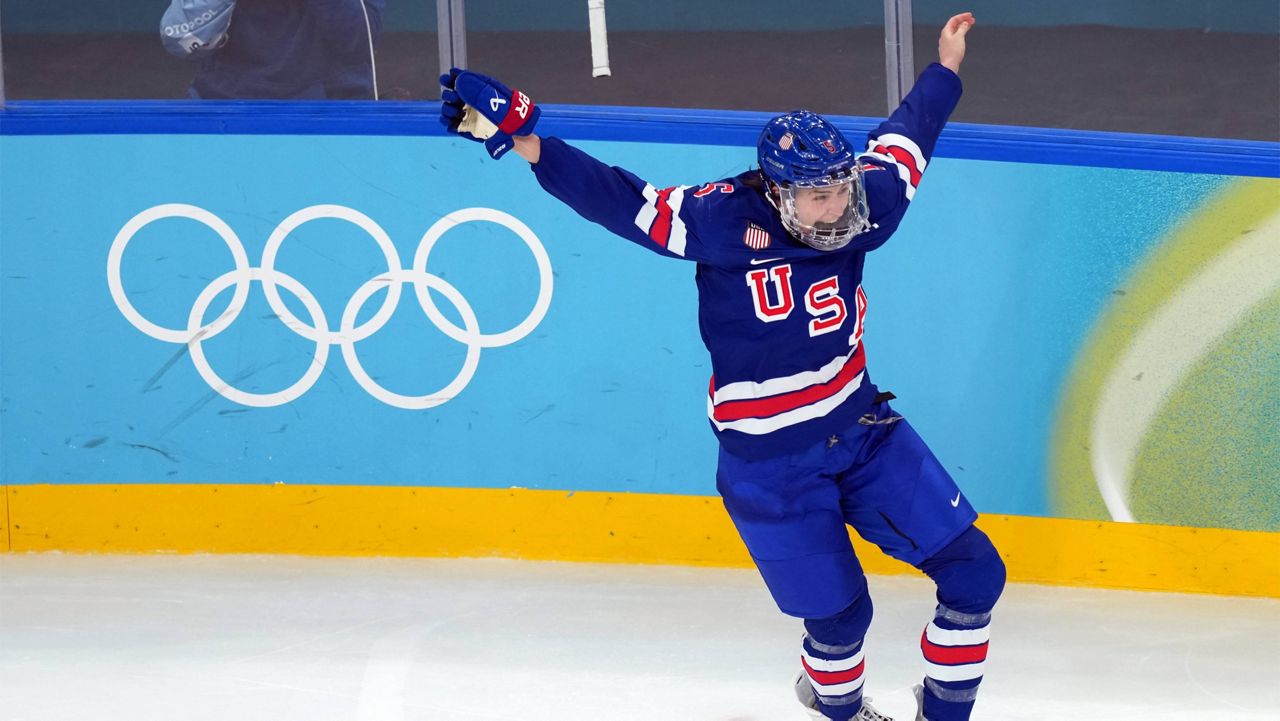
- The 2010 Olympic gold medal game ended in overtime, with Sidney Crosby scoring the famous “golden goal” for Canada.
These moments show how overtime can turn regular games into legendary battles.
Overtime In International And Other Leagues
Not all leagues follow the NHL overtime system. International tournaments (like the Olympics or World Championships) often use 10-minute overtimes in the early rounds and longer periods in the finals. Some leagues still use 4-on-4 overtime. Junior and youth hockey may have shorter overtime periods or go straight to shootouts.
Here’s a quick comparison:
| League/Tournament | Overtime Length | Shootout? |
|---|---|---|
| NHL Regular Season | 5 minutes | Yes |
| NHL Playoffs | 20 minutes (multiple if needed) | No |
| IIHF (World Championships) | 10 minutes (preliminary) | Yes |
| Olympics (Finals) | 20 minutes | Yes |
Always check the specific rules for the league you’re watching.
What Makes Overtime Different From Regulation Play
There are a few unique things about overtime in ice hockey:
- Open Ice: With fewer players (in regular season OT), the game is faster and more open.
- Higher Stakes: One mistake can end the game.
- Sudden Death: Unlike soccer’s extra time, hockey’s overtime ends the moment a goal is scored.
- Fatigue Factor: Especially in playoff overtime, tired players make the action unpredictable.
Two Insights Beginners Often Miss
First, the importance of line changes in overtime is huge. Because there are fewer players, getting caught on a long shift can leave you exhausted and lead to quick goals against. Coaches watch the bench closely to keep legs fresh.
Second, penalties have an even bigger impact in overtime. With less ice traffic, a power play becomes much more dangerous. Teams must be extra disciplined to avoid giving up penalties that could end their night.
How Overtime Points Affect The Standings
In the NHL, the outcome of overtime changes how teams earn points in the standings:
- Win in Overtime/Shootout: 2 points
- Loss in Overtime/Shootout: 1 point
- Loss in Regulation: 0 points
This system rewards teams for reaching overtime, even if they lose, which can make a difference in playoff races.
| Result | Points Earned |
|---|---|
| Win (regulation, OT, or shootout) | 2 |
| Loss (OT or shootout) | 1 |
| Loss (regulation) | 0 |
For more about the NHL’s point system, visit the NHL’s official Wikipedia page.
Frequently Asked Questions
How Many Players Are On The Ice During Overtime?
In NHL regular season overtime, each team has three skaters plus a goalie. In the playoffs, it’s five skaters plus a goalie, just like regulation play.
What Is A Sudden Death Goal?
A sudden death goal is the first goal scored in overtime, which ends the game instantly. The scoring team wins, and play stops immediately.
Is There A Shootout In Playoff Overtime?
No. In playoff overtime, teams keep playing full overtime periods (20 minutes each) until someone scores. There are no shootouts in the playoffs.
What Happens If A Player Gets A Penalty In Overtime?
The player’s team plays short-handed (fewer skaters) for the penalty duration. This can create a big scoring chance for the other team.
Can A Regular Season Game End In A Tie?
No. The NHL regular season uses overtime and, if needed, a shootout to make sure every game has a winner.
Overtime in ice hockey is one of the sport’s most exciting features. Next time you watch, you’ll know exactly what’s happening—and why every play matters more than ever.