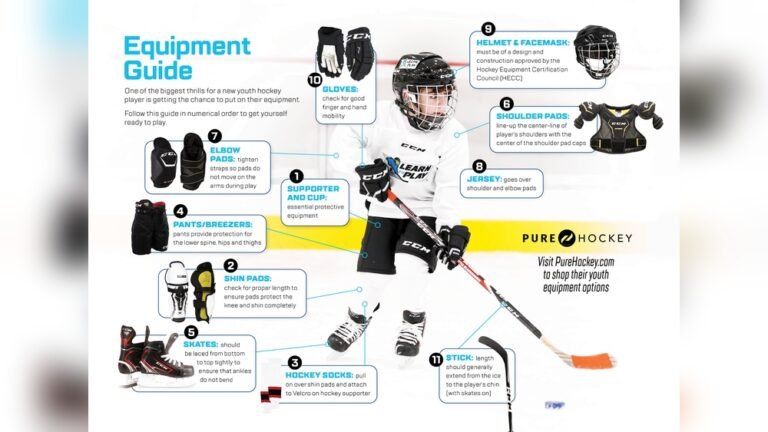
Playing ice hockey is more than just gliding on ice and chasing a puck. It’s a fast, physical sport that requires the right equipment to play safely and perform well. Whether you’re a beginner or thinking of joining a team, understanding the gear you need is essential. The right equipment protects you from injuries, helps you move efficiently, and ensures you follow the rules on the rink.
Ice hockey gear can seem overwhelming because every part of your body needs protection. From your head down to your toes, each item has a special purpose. Let’s break down what you need, why it matters, and how to choose the right options.
You’ll also find practical tips, helpful comparisons, and answers to common questions.
Essential Protective Equipment
To play ice hockey safely, you need protective gear designed for intense contact and high-speed collisions.
Helmet With Cage Or Visor
Your head is the most important area to protect. Helmets are required in all organized leagues.
- Helmet: Must fit snugly and be certified by the HECC or CSA standards.
- Cage/Visor: A full cage covers the face, ideal for youth and beginners. Visors offer partial protection, common in adult leagues.
Non-obvious insight: Many beginners wear helmets too loosely. Always adjust the chin strap so the helmet doesn’t shift during play.
Mouthguard
A mouthguard protects your teeth and jaw from pucks, sticks, or falls. Custom-fitted types offer better comfort and protection than generic boil-and-bite options.
Neck Guard
Neck guards are often overlooked but can prevent serious injuries from skate blades or sticks. Some leagues require them, especially for youth players.
Shoulder Pads
Shoulder pads shield your shoulders, chest, and upper back. Modern designs are lighter and allow more movement than older, bulky versions.
Non-obvious insight: Make sure your pads don’t restrict arm movement. If they do, passing and shooting become harder.
Elbow Pads
Elbow pads protect your elbows from falls and hits. They should cover the joint fully and not slide down your arm during play.
Gloves
Ice hockey gloves protect your fingers, knuckles, and wrists while letting you grip the stick well. Look for gloves with reinforced padding on the backhand and thumb.
Hockey Pants (or Breezers)
Hockey pants cover your thighs, hips, and tailbone. They should fit securely but allow you to skate freely.
Shin Guards
Shin guards protect the front of your legs from pucks and sticks. They must cover from the knee cap to the top of your skate.
Cup/jockstrap
A cup (for males) or pelvic protector (for females) is essential for groin protection. Never skip this, even during practice.
Socks And Jersey
Hockey socks cover your shin guards and keep them in place. Jerseys are worn over your pads and often show your team colors.
Skates And Stick
Without the right skates and stick, playing ice hockey is impossible.
Ice Hockey Skates
Hockey skates are different from figure skates. They have a rounded blade for quick turns and a stiff boot for ankle support.
- Fit: Skates must feel tight but not painful. Loose skates can cause blisters or make it hard to control your movements.
- Sharpening: Skates need regular sharpening, usually after 5-10 hours of ice time.
Hockey Stick
Sticks come in different lengths, flex ratings, and blade curves.
- Material: Most players use composite sticks, which are lighter and more responsive than wood.
- Length: Stand in skates; the stick should reach your chin.
- Flex: Beginners usually need a lower flex rating for easier shots.
Here’s a quick comparison of stick materials:
| Material | Weight | Durability | Price |
|---|---|---|---|
| Wood | Heavy | High | Low |
| Composite | Light | Medium | High |
| Two-Piece | Medium | Medium | Medium |

Goalie Equipment
If you play as a goalie, your gear is different and even more protective.
- Goalie mask: Covers the whole head and neck with a reinforced cage.
- Chest and arm protector: Bulkier than player shoulder pads.
- Blocker and catcher gloves: One for blocking shots, one for catching the puck.
- Leg pads: Wider and longer than regular shin guards.
- Goalie skates: Extra protection around the toes and sides.
- Throat protector: Plastic piece that hangs from the mask for extra neck safety.
Additional Items
Some gear isn’t mandatory but can improve your comfort and performance.
- Base layer clothing: Wicks away sweat and prevents chafing.
- Equipment bag: Big enough to hold all your gear.
- Water bottle: Stay hydrated on the bench.
- Tape and laces: For securing socks, pads, and skates.
- Hockey stick wax: Helps control the puck and reduce ice buildup on the blade.
Buying Vs. Renting Equipment
New players often ask if they should buy or rent equipment. Renting is cheaper if you’re just trying the sport, but buying gives a better fit and longer-term value. Used gear is fine for most items except helmets, which should always be new for safety reasons.
Compare costs for beginners:
| Item | New Gear (USD) | Used Gear (USD) | Rental (Season USD) |
|---|---|---|---|
| Helmet | $80-150 | $30-60 | $20-40 |
| Full Set | $400-800 | $150-350 | $80-150 |
Caring For Your Equipment
Regular maintenance keeps your gear in good shape and prevents odor or damage.
- Dry all equipment after every use to avoid bacteria growth.
- Wash jerseys, socks, and base layers often.
- Inspect helmets and pads for cracks or worn straps.
- Sharpen skates as needed for best performance.
Common Mistakes To Avoid
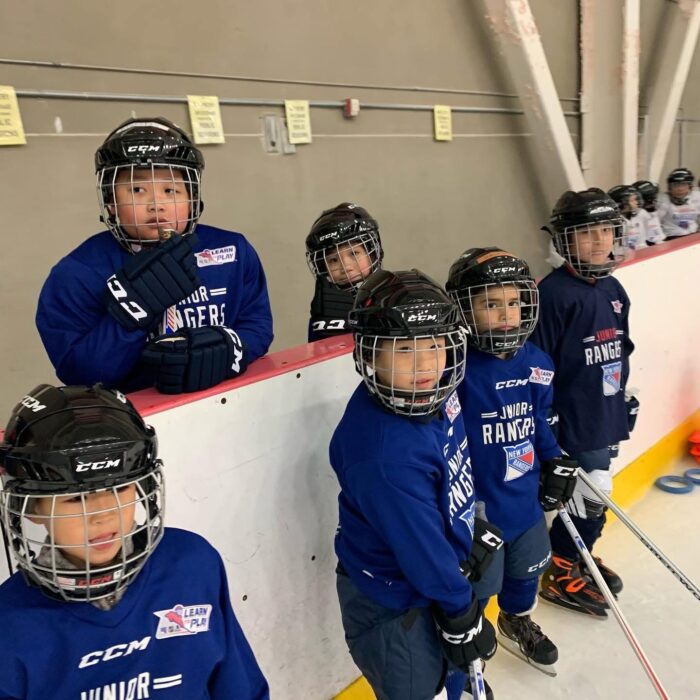
- Buying gear that’s too big “to grow into”—this can reduce protection and affect skating.
- Neglecting proper fit, especially for helmets and skates.
- Forgetting small items like mouthguards or neck guards.
- Not wearing full gear during practice—injuries can happen anytime.
- Skipping maintenance, leading to bad smells or broken equipment.
Frequently Asked Questions
What Is The Minimum Equipment Needed For Ice Hockey?
At a minimum, you need skates, a helmet, stick, gloves, and shin guards. For organized games, full protective gear is required.
How Do I Choose The Right Size Of Equipment?
Always try on gear before buying. Items should fit snugly but not restrict movement. Each brand may size differently, so check their charts.
Can I Use Figure Skates For Ice Hockey?
No. Hockey skates are designed for speed and agility, while figure skates have a toe pick and different blade shape not suitable for hockey.
Is It Okay To Buy Used Hockey Equipment?
Yes, except for helmets. Helmets should be bought new to ensure no hidden damage. Other gear can be used if it’s still in good condition.
Where Can I Learn More About Hockey Equipment Safety Standards?
Visit the Wikipedia page on ice hockey equipment for detailed safety guidelines and certification information.
Proper equipment is the first step to enjoying ice hockey, staying safe, and building confidence on the ice. Take time to find gear that fits and protects you well. With the right setup, you’ll be ready for the challenges and excitement of the game.

