Scuba diving opens a new world under the sea, full of color and life. Many people dream of floating with fish, exploring shipwrecks, or observing coral reefs close up. But before you can safely enjoy these underwater adventures, you need the right equipment.
Using correct gear is not just about comfort—it is also about safety and having the best experience possible. In this guide, we will look at everything you need for scuba diving, from the most basic items to special tools for advanced dives.
Whether you are new or looking to upgrade your kit, you will find clear advice here.
Essential Scuba Diving Equipment
Every diver, from beginner to expert, must have certain core items. These keep you alive, help you see, and let you move safely underwater.
1. Mask
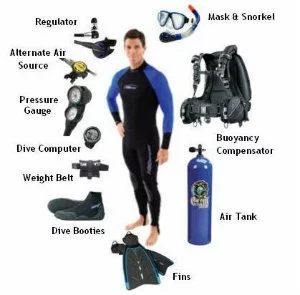
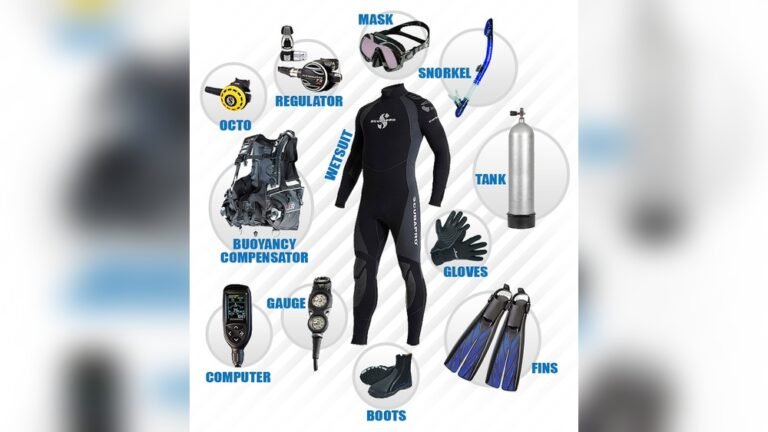
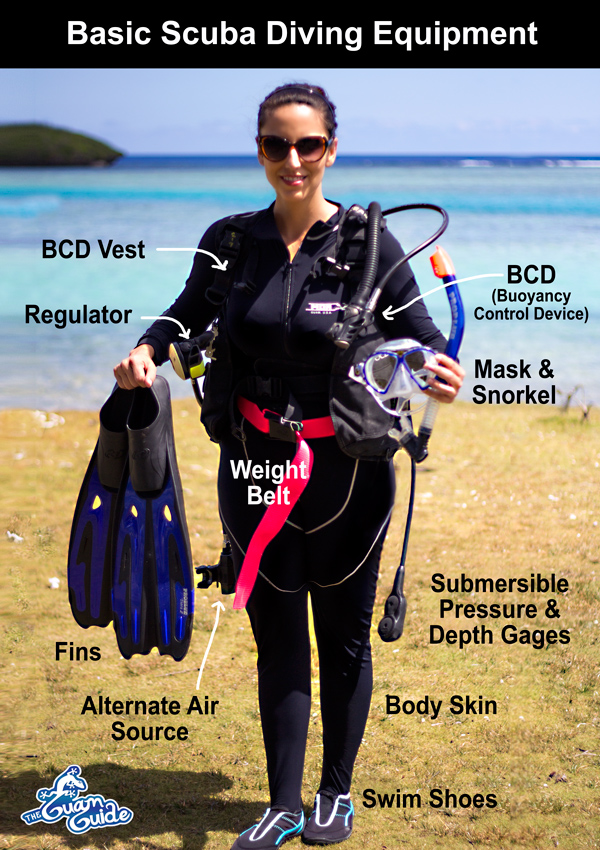
A scuba mask lets you see clearly underwater. Human eyes cannot focus well in water alone, so a mask creates an air pocket in front of your eyes. The silicone skirt of a good mask forms a seal on your face, keeping water out. Choose a mask that fits comfortably and does not leak. Some masks have side or bottom windows for a wider view, and others can be fitted with prescription lenses if you need vision correction.
2. Snorkel
The snorkel is a simple tube that allows you to breathe with your face in the water at the surface. It is useful before and after diving, as you wait for your group or swim to the boat. Most divers choose a flexible snorkel with a soft mouthpiece for comfort. Some snorkels have a splash guard or a purge valve to make clearing water easier.
3. Fins
Fins give you the power to swim efficiently with less effort. There are two main types: open-heel fins, which you wear with booties, and full-foot fins, which you wear barefoot. Open-heel fins are best for cold water or rocky entry points. Look for fins that fit snugly but do not pinch. The right size will help you avoid cramps and blisters.
4. Wetsuit Or Drysuit
A wetsuit keeps you warm by trapping a thin layer of water next to your skin, which your body heats up. Wetsuits come in different thicknesses, usually 3mm, 5mm, or 7mm, for various water temperatures. A drysuit is used in very cold water; it keeps you dry by sealing out water completely. The choice depends on where you dive—warmer seas need lighter suits, while cold lakes or oceans require thicker or drysuits.
5. Buoyancy Control Device (bcd)
The BCD is a vest that you wear over your wetsuit. It holds your tank and helps you control your position in the water. With a BCD, you can add or release air to float, hover, or sink easily. Look for a BCD with enough lift for your body and gear, comfortable straps, and pockets for accessories.
6. Regulator
The regulator lets you breathe from your tank. It reduces high-pressure air in the tank to normal pressure, so you can breathe safely. A regulator set usually has a primary second stage (the mouthpiece you use), an alternate air source (for emergencies), a first stage (connects to the tank), and a submersible pressure gauge (SPG). Some also include a dive computer or compass.
7. Dive Tank
The dive tank, or cylinder, holds compressed air (or sometimes special gas mixes). Most recreational tanks are made of aluminum or steel and hold 2000–3500 psi (pounds per square inch). The most common size is 80 cubic feet. Tanks must be inspected and tested regularly for safety.
8. Weight System
Weights help you sink and control your buoyancy. Some divers use a weight belt; others use weight pockets in their BCD. The amount of weight you need depends on your body, wetsuit thickness, and tank type. Too much or too little weight makes diving difficult, so always test your buoyancy before each dive.
Secondary And Optional Equipment
Some equipment is not strictly required but makes diving safer and more enjoyable. Many divers add these items as they gain experience.
1. Dive Computer
A dive computer tracks your depth, time, and nitrogen absorption. This helps you avoid decompression sickness. Modern computers are worn on the wrist or console and give real-time information about your dive.
2. Underwater Compass
Navigation underwater is harder than on land. A compass helps you return to your starting point or explore a set path. Many compasses attach to your BCD or wrist.
3. Dive Knife Or Cutting Tool
A knife is not for protection but for safety. It can cut fishing line or seaweed if you get tangled. Stainless steel or titanium knives resist rust.
4. Surface Marker Buoy (smb)
An SMB is an inflatable tube you send to the surface while underwater or at the end of your dive. It signals your position to boats or shore support, helping you avoid accidents.
5. Underwater Torch (flashlight)
Light fades quickly underwater, especially red and yellow colors. A torch helps you see in caves, at night, or in murky water. Choose a waterproof, pressure-rated torch with a long battery life.
6. Signaling Devices
Whistles, air horns, or mirrors help you signal for help at the surface. Some divers also carry a dive alert device that makes a loud sound using their tank’s air.
7. Dive Slate Or Wet Notes
A waterproof slate or notebook lets you write messages or record information underwater. This is useful for communication or noting marine life.
8. Gloves And Boots
In cold water or rocky places, gloves and boots protect your hands and feet. Gloves must not be too thick, or you might lose dexterity.
9. Hoods
A hood covers your head and neck, reducing heat loss. Even in warm water, a hood can protect from sunburn or jellyfish stings.
10. Underwater Camera
Many divers want to record their experiences. Waterproof cameras and action cams are popular choices. Some attach to your mask or BCD.

Equipment Comparison
Choosing the right scuba gear can be confusing. Here’s a comparison of common items to help you decide:
| Item | Beginner | Advanced | Key Features |
|---|---|---|---|
| Mask | Single lens, basic silicone | Low-volume, prescription | Wide view, anti-fog |
| Fins | Full-foot, basic blade | Open-heel, split fin | Power, comfort, efficiency |
| Wetsuit | 3mm shorty | 7mm full suit or drysuit | Warmth, fit, stretch |
| Dive Computer | Basic, air only | Multi-gas, air integration | Safety, features |
How To Choose The Right Equipment
Picking your scuba gear is personal. Here are some tips to help you get it right:
Fit And Comfort
Always try gear before buying. Masks should seal with a gentle breath, fins should not slip, and wetsuits should hug your body without restricting movement. Uncomfortable gear ruins dives.
Environment
If you dive in tropical water, light wetsuits and full-foot fins are enough. For cold water, you need thicker suits, boots, gloves, and sometimes a drysuit. The right gear keeps you safe and lets you focus on the dive.
Quality And Maintenance
Invest in trusted brands and check reviews. Well-made gear lasts longer and is safer. Learn to rinse and dry your equipment after each dive. Check for leaks, cracks, or rust often.
Renting Vs. Buying
New divers often rent equipment. Renting is fine for masks, fins, or wetsuits, but buying your own mask and snorkel ensures better fit and hygiene. As you gain experience, owning a BCD and regulator is a good investment.
Cost Comparison
Here is an example of typical prices for scuba gear (in US dollars):
| Equipment | Typical Price (New) | Rental Price (Per Day) |
|---|---|---|
| Mask | $50–$120 | $5–$10 |
| Fins | $60–$200 | $8–$15 |
| Wetsuit | $100–$300 | $12–$25 |
| BCD | $300–$700 | $18–$30 |
| Regulator | $250–$900 | $18–$30 |
Buying gear is expensive at first, but it pays off if you dive often. Renting is good for travel or if you dive rarely.
Common Mistakes When Choosing Scuba Gear
Even experienced divers make mistakes. Watch out for these:
- Buying without trying: Gear that fits your friend may not fit you.
- Skipping the basics: A fancy computer will not help if your mask leaks.
- Too much weight: Overweighting makes diving harder and uses more air.
- Ignoring maintenance: Dirty or damaged gear can fail when you need it most.
- Not checking local needs: Some places require special gear, like gloves or SMBs.
Why Proper Equipment Matters
Having the right equipment is about more than comfort. It affects your safety, enjoyment, and even the marine environment. For example, a poorly adjusted BCD can make you float up or sink fast, risking injury. A foggy mask or weak fins can ruin your view and tire you out.
Good gear lets you focus on the beauty around you, not on problems.
One often-missed insight: even small items like a whistle or SMB can save your life if you surface far from your boat. Another detail beginners miss is the importance of regular servicing. Regulators, BCDs, and tanks must be checked and maintained by professionals at least once a year. Skipping this step can lead to dangerous failures underwater.
Equipment For Special Types Of Diving
As you gain experience, you might want to try new types of diving. Each needs special equipment.
Night Diving
A powerful torch, backup light, and sometimes a tank marker light are needed. Reflective tape helps your buddy find you in the dark.
Deep Diving
A dive computer with decompression planning, a redundant air supply (like a pony bottle), and stronger fins help manage greater depths.
Wreck Or Cave Diving
You need reels, lines, a backup mask, and more powerful lights. Training is essential for these environments.
Underwater Photography
A camera with a waterproof housing, strobes, and lens filters will help you get the best shots. Some divers also carry a focus light.
Care And Maintenance Tips
Scuba gear is an investment. Simple habits can make it last longer:
- Rinse all gear in fresh water after every dive.
- Dry thoroughly before storing.
- Store in a cool, dry place out of direct sunlight.
- Check O-rings and seals often.
- Get tanks and regulators serviced by professionals yearly.
Where To Learn More
If you want more details on scuba equipment, safety, or training, visit the Wikipedia Scuba Diving page for in-depth resources.
Frequently Asked Questions
What Is The Most Important Piece Of Scuba Equipment?
The regulator is often seen as the most vital, as it lets you breathe underwater. However, all core items (mask, fins, BCD, tank) are essential for a safe dive.
Can I Scuba Dive Without Buying My Own Gear?
Yes, most dive shops rent all basic equipment. Many divers buy personal items like masks and snorkels for comfort and hygiene, but rent the rest until they are ready to invest.
How Do I Know How Much Weight I Need?
Your weight needs depend on your body, wetsuit, and tank. Do a buoyancy check: with an empty BCD and normal breath, you should float at eye level. Add or remove weights as needed.
How Often Should I Service My Scuba Gear?
Have your regulator and BCD serviced by professionals once a year or after about 100 dives. Tanks need visual inspection yearly and hydrostatic testing every 3–5 years.
Is Scuba Diving Safe If I Use The Right Equipment?
With proper training, well-maintained gear, and safe practices, scuba diving is very safe. Always follow instructor advice, check your gear, and never dive beyond your experience.
Scuba diving is a unique and rewarding experience, but only if you are prepared. With the right equipment and knowledge, you can safely explore the wonders beneath the waves. Start with the essentials, learn about your gear, and remember—your safety always comes first.