Rugby is a fast, physical sport loved by millions around the world. Whether you are a beginner or thinking about joining a local club, you need the right equipment to play safely and enjoy the game. Many newcomers think rugby only needs a ball and some determination.
In reality, having the right gear helps protect your body, improves your performance, and keeps you within the official rules. Knowing what to buy (and what you can skip) saves time and money, and helps you step on the field with confidence.
Essential Rugby Equipment
Getting started in rugby does not require a huge investment, but some items are absolutely necessary. Here is what you must have before your first game or training session.
Rugby Ball
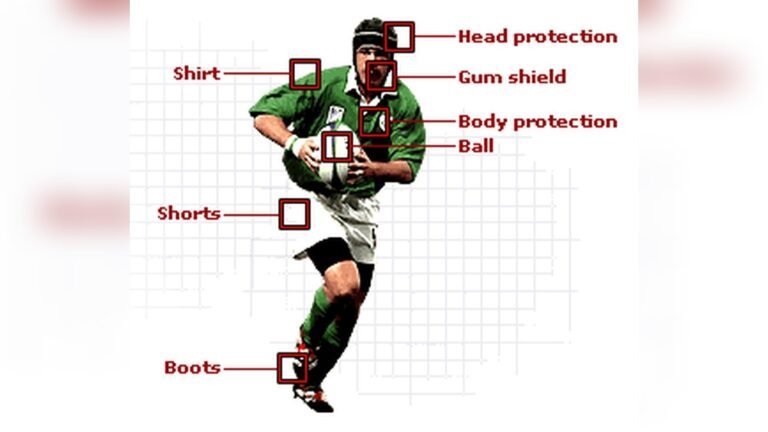
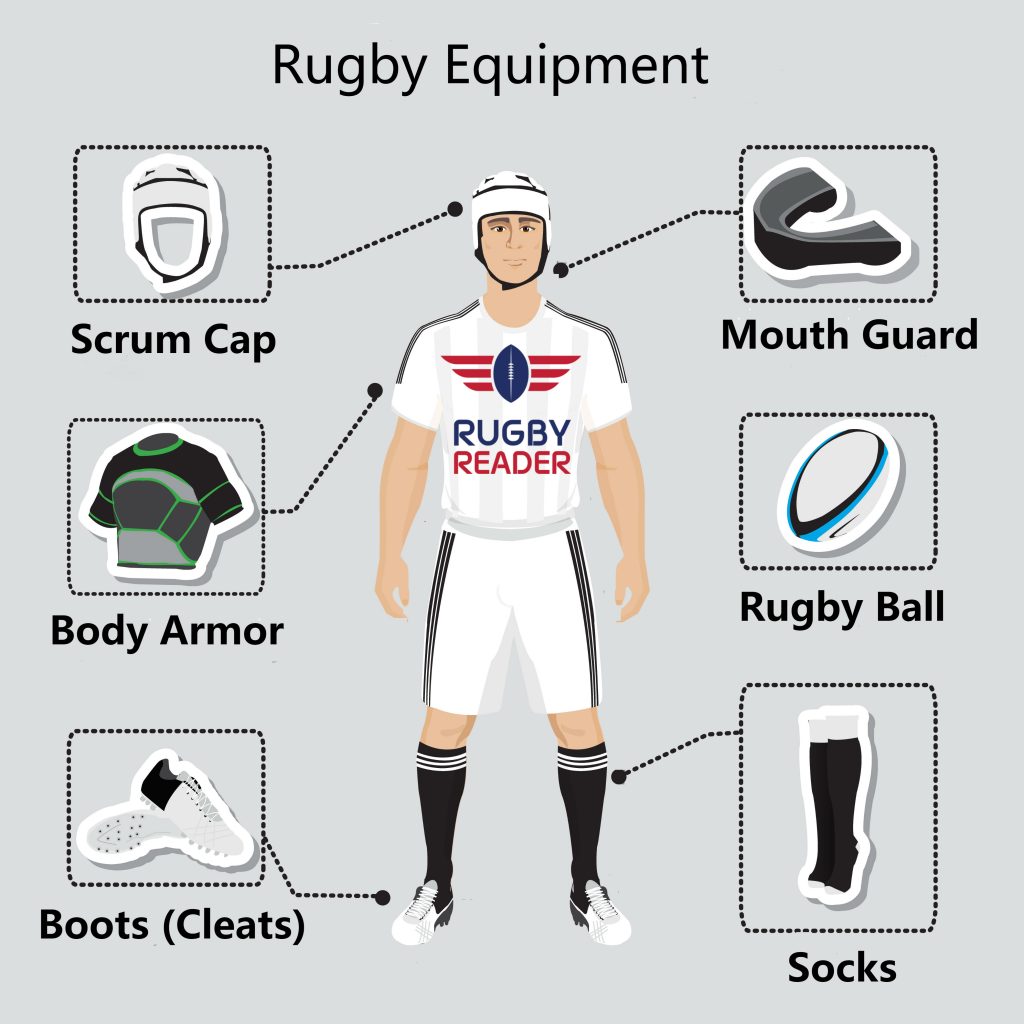
The rugby ball is oval-shaped, larger and heavier than a soccer ball. It is made of synthetic or leather material, designed for a secure grip even in wet conditions. For adult games, the standard size is Size 5. Children use smaller sizes (Size 3 or 4), which are easier to handle.
Rugby Boots
Rugby boots have strong soles and special studs for grip on grass or muddy fields. Unlike soccer shoes, rugby boots often have extra ankle support and longer studs. The right boots help prevent slipping and reduce injury risk. Always check if your league requires specific stud types (metal or plastic).
Mouthguard
A mouthguard protects your teeth, gums, and jaw. Rugby is a contact sport, and mouthguards can prevent serious dental injuries. Most leagues make them mandatory. You can buy custom-fitted ones from a dentist, or boil-and-bite versions from sports stores.
Rugby Jersey
The jersey is made from strong, breathable fabric. Rugby shirts are tighter than soccer shirts to make it harder for opponents to grab you. Each team has its own unique colors and designs. Avoid wearing shirts with buttons or zippers, as these can cause injuries.
Rugby Shorts
Rugby shorts are shorter and stronger than regular gym shorts. They must be tough enough to survive pulling and tackles. Some have reinforced stitching for extra durability. Do not use shorts with pockets, as fingers can get caught during play.
Rugby Socks
Long socks are standard in rugby. They cover the shin and help hold shin guards in place. Most teams require specific colors to match the uniform.
Protective Gear
Some protective gear is optional but highly recommended for safety.
- Shoulder pads: Thin, flexible pads worn under the jersey to absorb impacts.
- Scrum cap: A soft helmet that protects the ears and head from cuts and bumps.
Unlike American football, rugby does not allow hard helmets or heavy padding. Most protective items are lightweight and designed to reduce injury without affecting movement.
Water Bottle
Staying hydrated is crucial during rugby matches and practice. Bring a large water bottle and drink regularly, especially in hot weather.
Optional Equipment
Some gear is not required but can make playing easier or more comfortable.
- Gloves: Thin gloves can help grip the ball in wet or cold weather.
- Compression clothing: Worn under the jersey and shorts, these can reduce muscle fatigue.
- Kit bag: A strong bag to carry all your equipment to and from the field.
- Shin guards: Not required for rugby, but some players prefer a thin guard for extra protection.
Equipment Comparison: Rugby Vs. Soccer
Many beginners wonder how rugby equipment compares to other sports, especially soccer. Here’s a simple comparison to highlight the main differences:
| Item | Rugby | Soccer |
|---|---|---|
| Ball | Oval, Size 5 (adult) | Round, Size 5 (adult) |
| Boots | Studs, ankle support | Cleats, lighter, less ankle support |
| Jersey | Tight, durable | Loose, lightweight |
| Protective Gear | Mouthguard, pads, scrum cap | Shin guards |
Buying Rugby Equipment: What To Look For
When buying rugby equipment, focus on quality, fit, and league requirements.
Fit And Comfort
Badly fitting gear can make you uncomfortable and even lead to injuries. For example, boots that are too big can cause blisters, while a loose mouthguard will not protect your teeth. Always try on items before buying, or check size guides carefully.
Durability
Rugby gear takes a lot of punishment. Choose items made from strong materials, especially for boots and shorts. Cheaper gear often wears out quickly, so investing a little more at the start saves money in the long run.
Safety Standards
Check if your league or club has rules about what equipment is allowed. Some require specific stud types or ban certain protective gear. Look for equipment that meets World Rugby safety standards.
Budgeting For Beginners
You do not need to buy everything at once. Here is an example of a beginner’s budget for essential rugby gear:
| Item | Average Cost (USD) |
|---|---|
| Rugby Ball | $25 |
| Rugby Boots | $60 |
| Mouthguard | $15 |
| Jersey | $35 |
| Shorts | $25 |
| Socks | $10 |
| Shoulder Pads (optional) | $40 |
| Scrum Cap (optional) | $30 |
Non-obvious tip: Many clubs provide team jerseys for matches, so you may not need to buy your own immediately. Also, used or second-hand equipment is common for beginners and can save money.

Common Mistakes To Avoid
New players often make simple mistakes when choosing rugby gear:
- Wearing soccer boots: These do not give enough grip or ankle support, increasing injury risk.
- Forgetting the mouthguard: Dental injuries are painful and expensive.
- Choosing the wrong ball size: Young players struggle with adult-sized balls.
- Ignoring league rules: Some leagues do not allow metal studs or certain pads.
Second non-obvious insight: Many players skip protective gear because it feels uncomfortable at first. However, as you adjust, lightweight pads and scrum caps become almost unnoticeable and can prevent injuries that keep you off the field for weeks.
Where To Buy Rugby Equipment
You can find rugby equipment at specialized sports stores, some online retailers, and even local clubs. Always check return policies and read reviews before buying. For a deeper look at official rugby rules and recommended gear, see the World Rugby equipment guidelines.

Frequently Asked Questions
What Is The Most Important Piece Of Rugby Equipment?
The mouthguard is often considered the most important. It protects against serious dental and jaw injuries, which are common in rugby.
Can I Use Soccer Boots For Rugby?
Soccer boots can work for casual play, but they lack the grip and support needed for rugby. It’s safer to use rugby-specific boots.
Do I Need To Wear Pads In Rugby?
Shoulder pads and scrum caps are optional but recommended, especially for beginners. They reduce the risk of cuts and bruises.
What Size Rugby Ball Should I Buy?
For adults, use Size 5. For children under 14, Size 3 or 4 is better. The right size helps with passing and catching.
How Do I Clean My Rugby Gear?
Wash jerseys and shorts in cold water. Let boots dry naturally, away from direct heat. Regular cleaning keeps gear in good condition and prevents bad smells.
Getting started in rugby is easier when you have the right equipment. With these tips and insights, you can make smart choices, avoid common mistakes, and enjoy your time on the field. Rugby is a sport where preparation makes a real difference—so gear up, stay safe, and have fun!
