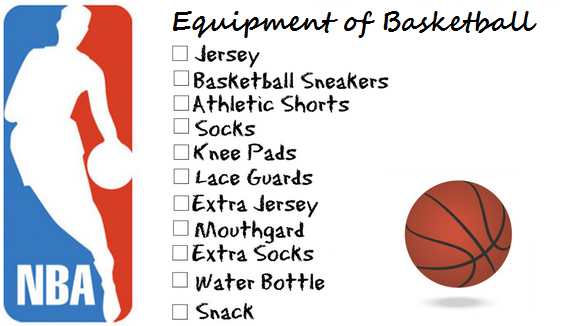
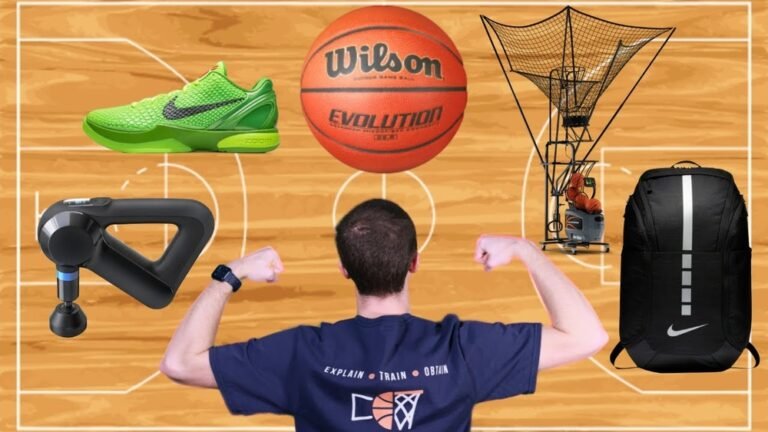
Basketball attracts players of all ages. The sport is fast, exciting, and easy to start. But before your first game, you need the right equipment. Whether you play outside on a concrete court or inside a gym, having the right gear makes a big difference.
Beginners often think they only need a ball and shoes. In reality, there are several things you should consider. This guide explains every essential and optional piece of equipment for playing basketball. By the end, you’ll know exactly what to buy, why each item matters, and how to get started safely.
The Essential Equipment For Basketball
Every player needs some basic gear to join a game. These items help you play well and stay safe.
Basketball
The most obvious need is a basketball. But not all balls are the same. There are different sizes, materials, and designs for various ages and skill levels.
- Size 7 is the standard for men and boys aged 15+. It measures about 29.5 inches in circumference.
- Size 6 is for women and boys aged 12–14, about 28.5 inches.
- Size 5 is for children aged 9–11, around 27.5 inches.
Material matters too. Rubber balls are best for outdoor courts because they handle rough surfaces. Composite leather and genuine leather balls are softer, grip better, and are used for indoor play.
A common mistake is buying a ball that is too big or small for your age. This can hurt your control and slow your improvement.
Basketball Hoop And Backboard
You cannot play basketball without a hoop and backboard. If you play at a gym or park, these are usually provided. But for home play, you have options:
- Portable hoops with wheels allow you to move the goal anywhere.
- In-ground systems are fixed and sturdy, often used for serious practice.
- Wall-mounted hoops attach to a garage or house.
The standard rim height is 10 feet from the ground. Beginners sometimes use lower hoops to practice dunking or layups.
Court
A proper basketball court has clear boundaries, a flat surface, and marked lines. Official courts are 94 feet by 50 feet for adults, but backyard courts can be smaller. The surface should be smooth, whether it’s wood, asphalt, or concrete.
If you play on a rough or slippery court, you risk injuries like sprained ankles. Always check the playing area before starting.
Basketball Shoes
Good basketball shoes are not regular sneakers. They give ankle support, grip, and cushion to handle jumping, running, and sudden stops.
Key features to look for:
- High-top shoes: More ankle support, better for forwards and centers.
- Low-top shoes: Lighter, allow quick movement, popular with guards.
- Non-marking soles: Important for indoor courts.
Wearing the wrong shoes is a common mistake and can lead to injuries. Never play in sandals, running shoes, or casual sneakers.
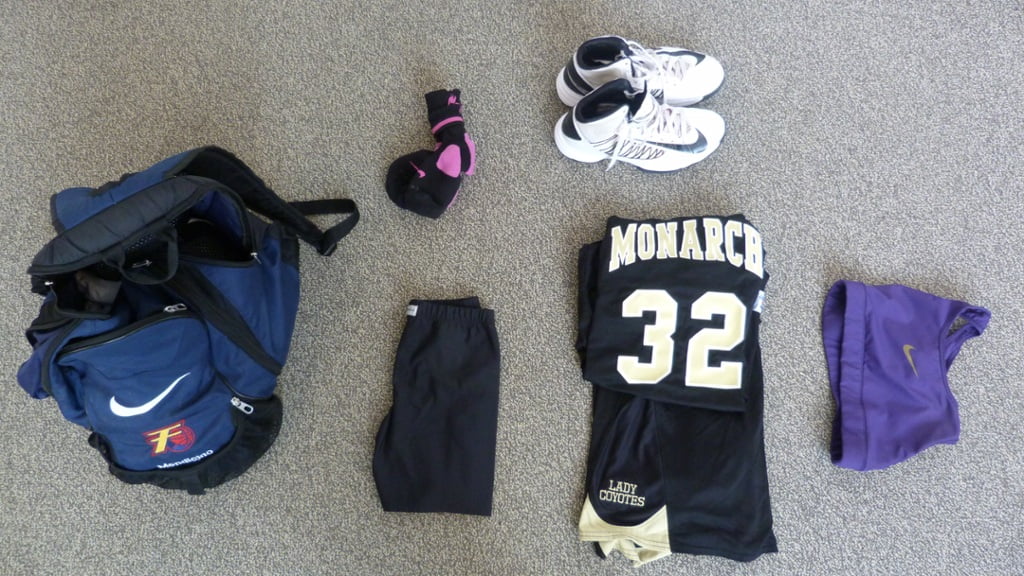
Uniform Or Clothing
Proper basketball clothing helps you move freely and stay cool. Most players wear:
- Jersey: Sleeveless, with a number for identification.
- Shorts: Loose fit for easy movement.
- Socks: Cushioned and moisture-wicking.
Avoid cotton shirts, which get heavy with sweat. Choose lightweight, breathable fabrics like polyester.
Water Bottle
Staying hydrated is vital. A water bottle should always be part of your equipment, especially if you play outside or for a long time.
Basketball Bag
A basketball bag keeps your gear organized. Look for one with separate sections for shoes, clothes, and the ball. This stops your sweaty gear from mixing with your clean items.
Protective Equipment
Injuries are common in basketball. Protective gear can lower your risk and boost your confidence.
Mouthguard
A mouthguard protects your teeth and jaw. Contact is frequent in basketball, and mouthguards are now recommended at all levels.
Knee And Elbow Pads
Knee pads and elbow pads cushion impacts and prevent scrapes when you fall. They’re especially useful on rough outdoor courts.
Ankle Braces
If you have weak ankles or a history of sprains, ankle braces add support. Many pros wear them to avoid injury.
Compression Gear
Compression sleeves for arms and legs improve blood flow and help muscles recover. They also reduce the risk of cuts and bruises.
Optional Equipment And Accessories
These items are not essential for every game, but they offer benefits for serious players.
Headbands And Wristbands
Headbands keep sweat out of your eyes. Wristbands wipe sweat from your face. Both help you stay focused.
Shooting Sleeves
A shooting sleeve is a tight sleeve worn on the shooting arm. It keeps muscles warm and may improve confidence, although there is little scientific proof.
Sports Glasses Or Goggles
If you wear regular glasses, use sports goggles. They protect your eyes and don’t break easily.
Towel
A small towel is handy for wiping sweat during breaks. It helps you grip the ball and stay comfortable.
Ball Pump And Needle
Basketballs lose air over time. A ball pump and needle let you keep the ball at the right pressure. Too much or too little air changes how the ball bounces.
Scoreboard And Timer
If you organize games, a scoreboard and timer help track the score and game time. Portable options are available for home use.
Cones And Training Equipment
To improve your skills, use cones for dribbling drills, agility ladders for footwork, and resistance bands for strength training.
Comparing Key Basketball Equipment
Understanding the differences between similar gear helps you make better choices. Here’s a quick comparison between indoor and outdoor basketballs:
| Feature | Indoor Basketball | Outdoor Basketball |
|---|---|---|
| Material | Leather or Composite | Rubber or Composite |
| Grip | Excellent on wood floors | Good on rough surfaces |
| Durability | Wears out on concrete | Handles outdoor wear |
| Price Range | Higher ($30–$100+) | Lower ($15–$40) |
Many beginners use an indoor ball on outdoor courts, which shortens the ball’s life. Always match your ball to the court surface.
Here’s a comparison of shoe types to help you choose:
| Shoe Type | Best For | Main Benefit | Drawback |
|---|---|---|---|
| High-top | Centers, Forwards | Ankle support | Heavier, less speed |
| Low-top | Guards, Fast players | Lighter, quick movement | Less ankle support |
| Mid-top | All positions | Balance of support and speed | None significant |
Choosing the right shoe style prevents injuries and improves your game.
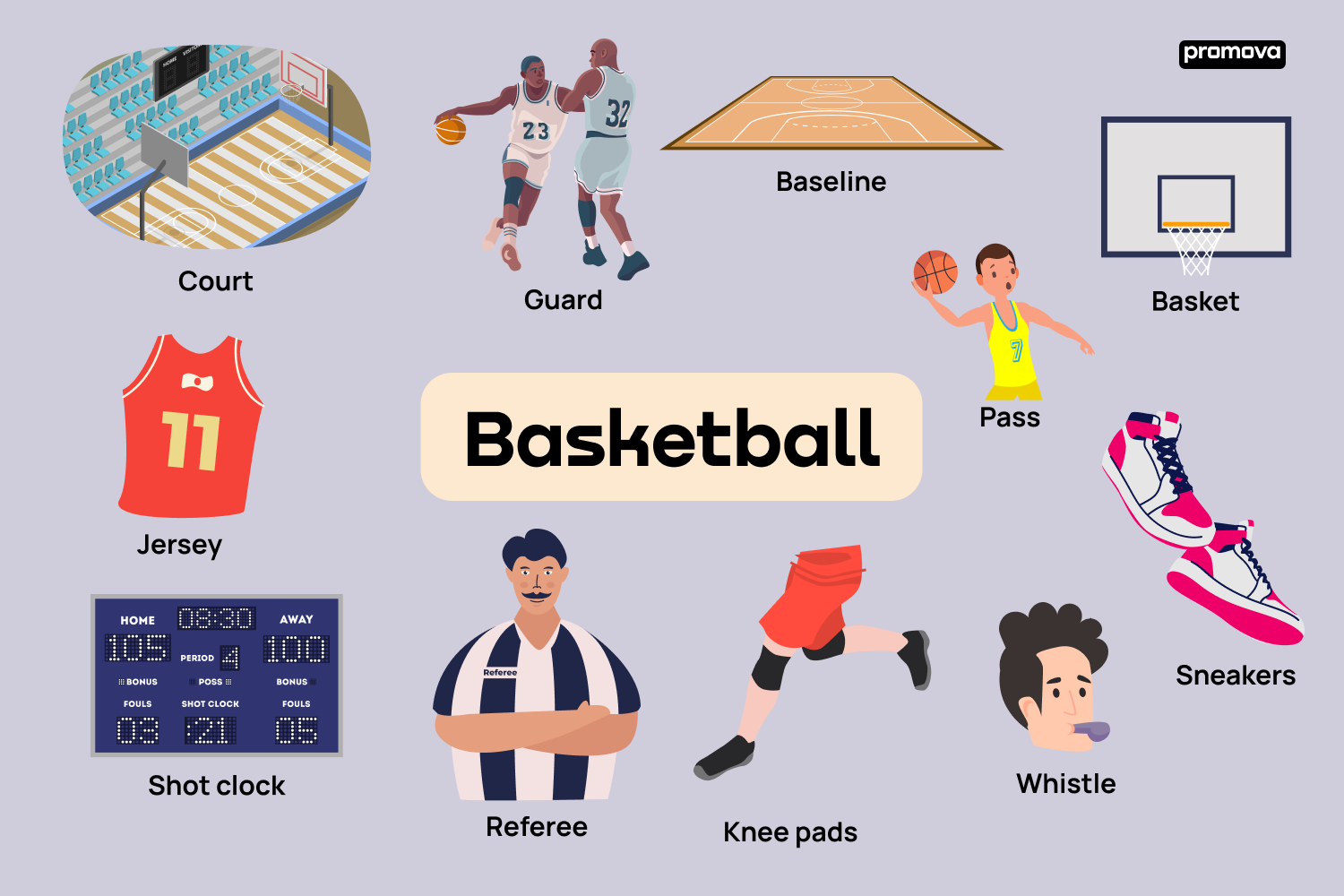
How To Choose The Right Basketball Equipment
Finding the right gear is not just about buying the most expensive items. Consider these factors:
- Skill level: Beginners need basic, durable gear. Advanced players may want specialized equipment.
- Age and size: Pick the right ball and shoe size for your body.
- Playing surface: Outdoor courts need tougher balls and shoes.
- Budget: High-quality gear lasts longer but costs more. Start with basics and upgrade as you improve.
Non-obvious insight: Many players skip buying good socks, but basketball socks with extra padding can prevent blisters and improve comfort more than you might expect.
Another tip: Always try on shoes with your usual playing socks. This ensures the fit is right and reduces the chance of foot pain later.
Where To Buy Basketball Equipment
You can find basketball gear at sports stores, online shops, and even some department stores. If you want to read reviews or compare prices, websites like Nike Basketball offer detailed information and the latest models.
When shopping online, check sizing charts and return policies. Not all brands fit the same way. If possible, visit a store to try on shoes and test how a ball feels in your hands.
Taking Care Of Your Basketball Equipment
Good equipment lasts longer if you take care of it. Here are some tips:
- Clean your shoes after every game, especially if you play outside.
- Store your basketball indoors and away from direct sunlight.
- Wash your jerseys and socks after each use to stop bacteria and odors.
- Check your ball’s air pressure often and pump it up if needed.
Neglecting your gear can lead to poor performance, injuries, or more expenses to replace worn-out items.
Equipment For Team And Organized Play
If you join a team or league, you may need extra items:
- Team jersey set: With your name and number.
- Practice pinnies: Reversible vests for team drills.
- Warm-up suits: Tracksuits for before and after games.
- Personal water bottles: Some leagues require each player to bring their own for health reasons.
- Medical kit: Teams should have a basic first aid kit on the bench.
Some schools and clubs provide gear, but check before your first practice.
Common Mistakes When Buying Basketball Equipment
- Ignoring fit: Shoes and clothing must fit well. Too tight or loose gear affects your movement.
- Choosing style over function: Flashy designs are tempting, but comfort and safety matter more.
- Skipping protective gear: Mouthguards and ankle braces are worth the small investment.
- Using indoor balls outdoors: This damages the ball and wastes money.
- Not replacing worn-out gear: Old shoes and flat balls hurt your game.
Frequently Asked Questions
What Size Basketball Should I Use?
Choose a ball that matches your age and gender. Size 7 (29. 5″) is for men and boys 15+, size 6 (28. 5″) is for women and boys 12–14, and size 5 (27. 5″) is for children 9–11.
Do I Really Need Special Basketball Shoes?
Yes. Basketball shoes give ankle support, grip, and cushioning for jumping and quick moves. Regular sneakers or running shoes are not designed for basketball and increase your injury risk.
What Is The Best Material For A Basketball?
For outdoor play, rubber or composite balls are best. For indoor courts, genuine or composite leather gives the best grip and feel. Use each type on the correct surface for longer life.
Is Protective Gear Necessary For Casual Games?
While not required, mouthguards, knee pads, and ankle braces can prevent injuries even in casual games. Many players skip these and regret it after the first injury.
How Do I Keep My Basketball In Good Condition?
Store it indoors, away from heat and sunlight. Check the air pressure regularly and clean the surface with a damp cloth. Avoid using indoor balls outdoors, as rough courts wear them out quickly.
Basketball is easy to start but requires the right equipment for the best experience. With the right gear, you’ll play better, stay safe, and have more fun on the court. Invest wisely, take care of your equipment, and you’ll enjoy the game for years.