

Surfing is more than just riding waves. Even the smallest details can change your experience on the board. One detail that surprises many beginners is surfboard wax. It looks simple—a bar of wax you rub on your board. But what does surfboard wax actually do? If you’ve ever slipped off your surfboard or wondered why surfers spend time waxing their boards, this guide will clear things up. You’ll learn the science, the practical uses, and even a few pro tips that most newcomers miss.
Why Do Surfers Use Wax?
Surfboards are made from materials like fiberglass, epoxy, and foam. These surfaces are smooth and slippery, especially when wet. The main reason surfers use wax is for traction. Without it, your feet and hands would slide off the board, making it almost impossible to stand or paddle confidently.
But wax does more than just stop you from slipping. It also helps in other areas:
- Gives you control when performing tricks or turns
- Protects the board’s surface from small scratches
- Adds a slight cushion, making it easier on your feet
Surfboard wax is not a cosmetic extra—it’s essential for both safety and performance.
How Does Surfboard Wax Work?
When you apply wax, it creates a sticky, textured layer on the board. This layer grips your feet, toes, and hands, so you can move with confidence, even in rough water. But there’s more happening at a microscopic level.
The wax forms small bumps, called beads or knobs, which increase friction. As you press down, your skin pushes into these bumps, creating more contact and grip. The wax is also slightly sticky, so even a thin layer can help prevent slips.
Temperature matters as well. Some waxes are designed for cold water, while others work best in warm or tropical water. The wrong wax can become too soft or too hard, reducing grip.
Types Of Surfboard Wax
Choosing the right wax is crucial. Not all surfboard waxes are the same, and using the wrong one can ruin your session. Here are the main types:
| Type | Water Temperature Range | Characteristics |
|---|---|---|
| Cold Water Wax | Below 15°C (59°F) | Soft and sticky, stays grippy in cold water |
| Cool Water Wax | 14–19°C (58–66°F) | Medium softness, good for spring/fall conditions |
| Warm Water Wax | 19–23°C (66–74°F) | Firmer, doesn’t melt quickly in warmer water |
| Tropical Wax | Above 24°C (75°F) | Hardest, resists melting in hot climates |
| Basecoat Wax | All temperatures (as base layer) | Very hard, helps topcoat stick better and last longer |
Non-obvious Insight
Many beginners use only one type of wax all year. This is a mistake. The water temperature changes by season and location, so you should check and switch your wax type accordingly.
How To Apply Surfboard Wax Properly
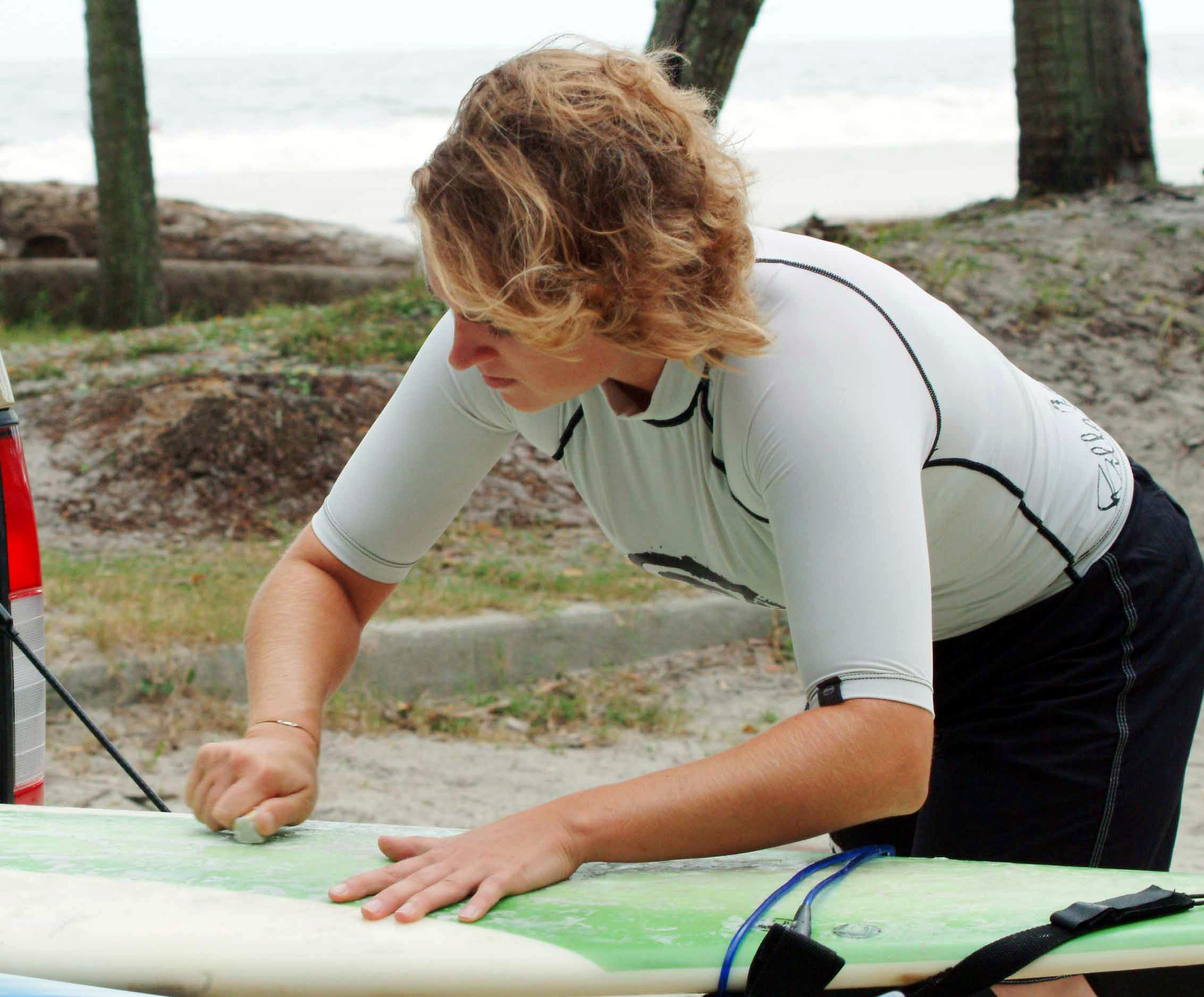
Waxing your board isn’t just about rubbing a bar back and forth. There is a technique that helps you get the best grip and longest life from your wax.
Step-by-step Waxing
1. Clean The Board
Before applying new wax, remove old wax and dirt. Use a wax comb or a bit of sunlight to soften and scrape off the old layer.
2. Apply A Basecoat
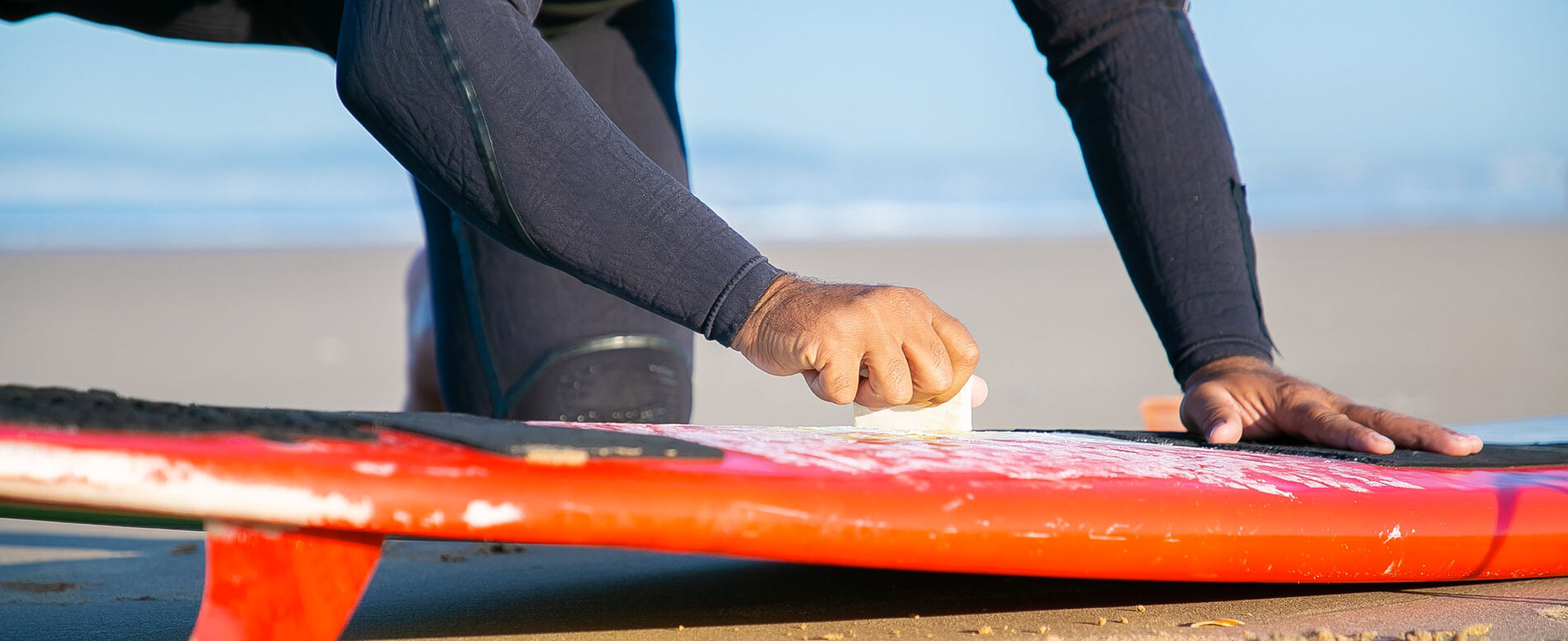
If you’re starting from scratch, use a basecoat wax. Rub it firmly in small circles or crosshatch patterns until you see a textured layer. The basecoat should cover only the areas where your feet and hands will touch.
3. Add The Topcoat
Choose the right topcoat for the water temperature. Use gentle, circular motions to build up bumps. Don’t press too hard—let the wax form small beads.
4. Check And Refresh
Before every session, check your board. If it feels smooth or shiny, add more wax or rough it up with a wax comb.
Common Mistakes
- Using too much wax: This makes your board heavy and messy.
- Skipping the basecoat: Topcoat alone wears off quickly and gives less grip.
- Waxing the wrong spots: Focus only on standing and paddling areas.
The Science Behind Surfboard Wax
Surfboard wax is a blend of paraffin, beeswax, and sometimes other additives for scent and color. The exact formula affects the texture, stickiness, and melting point.
The wax works by changing the surface energy of the board. It creates microscopic peaks and valleys that catch the skin’s natural oils and moisture, increasing friction. That’s why a freshly waxed board feels “sticky” to the touch.
Some waxes include natural resins or even eco-friendly materials. These can be less toxic and better for the environment, but may behave differently in the water.
How Surfboard Wax Affects Performance
Every surfer wants better control, but not everyone realizes how much wax influences performance. Here’s how:
- Grip for paddling: When paddling out, you use your chest and hands on the board. Wax gives your skin something to hold onto, so you move more efficiently.
- Pop-up control: Standing up on a moving board is hard. Waxed areas help your feet grip, so you don’t slip and fall.
- Sharp turns: Advanced tricks and turns need precise foot placement. Wax provides the friction needed to push and pivot quickly.
- Consistency: Wax ensures your grip is the same, wave after wave. This consistency builds confidence and helps you progress faster.
If you notice you’re slipping more, it’s often a sign your wax is old, melted, or the wrong type for the water.

Wax Alternatives: Are They Worth It?
Some surfers prefer alternatives to traditional wax. The most popular is the traction pad (also called a stomp pad or deck grip). These are foam pads glued to the tail or center of the board.
Wax Vs. Traction Pad
| Factor | Surfboard Wax | Traction Pad |
|---|---|---|
| Grip quality | Customizable, covers any area | Strong grip, but only where pad is placed |
| Maintenance | Needs reapplying | Lasts for months/years |
| Weight | Very light | Adds some weight |
| Feel | Natural, soft | Firm, textured |
| Customization | Can cover whole board | Fixed size/shape |
Some advanced surfers use both—a traction pad for the rear foot and wax everywhere else. This gives the best of both worlds.
How Often Should You Reapply Surfboard Wax?
There’s no strict rule, but most surfers refresh their wax before every session. The sun, salt, and sand wear it down. If you surf daily, a full re-wax every week or two is common.
Signs It’s Time To Re-wax
- The board feels slippery or shiny.
- The wax looks flat or melted.
- You see dark patches (old, dirty wax).
To remove old wax, leave your board in the sun for a few minutes, then use a wax comb or plastic scraper. There are also eco-friendly cleaners that dissolve wax without harming your board.
Surfboard Wax And The Environment
Traditional surfboard waxes use petroleum-based ingredients. Over time, these can break down in the ocean and harm marine life. Recently, more companies are making eco-friendly waxes from soy, beeswax, or tree resins.
If you care about the ocean, consider choosing a green wax brand. They work almost as well, and support a cleaner coastline.
Pro Tips For Better Waxing
- Use a wax comb during sessions to rough up the surface and restore grip.
- Store your wax in a cool, dry place. Heat and sun will melt it quickly.
- Mark your board (with tape or stickers) to remember where you need wax most.
- Try different brands—not all waxes feel the same. Some are stickier, others are more durable.
- Layer your wax: If you surf in changing climates, start with a warm water wax and add a top layer of cold water wax before paddling out.
Non-obvious Insights Most Beginners Miss
- Wax is not permanent. Many new surfers think one application is enough for the season. In reality, wax wears off with every session, so it needs regular care.
- Temperature matters more than you think. Using the wrong wax for the water can make your board dangerously slippery. Always check the water temp at your surf spot.
Waxing For Different Board Types
Shortboards, longboards, and foam boards each have unique needs.
- Shortboards: Wax only where your feet go—usually the back two-thirds.
- Longboards: Wax a larger area, including the nose, since you may walk up and down the board.
- Foam boards: Some come with built-in grip, but wax can add extra safety.
If you use a stand-up paddleboard (SUP), wax is optional but can help with balance, especially for surfing waves.
How To Choose The Best Wax Brand
There are many surfboard wax brands. Some of the most popular are Sex Wax, Sticky Bumps, Mrs. Palmer’s, and Bubble Gum. They all work, but you may prefer one for its smell, stickiness, or eco-friendliness.
What To Look For
- Matches your local water temperature
- Good reviews from local surfers
- Comfortable feel (not too sticky or too soft)
- Easy to apply and remove
If you’re unsure, ask for advice at a local surf shop. They’ll know what works best in your area.
What Happens If You Don’t Use Wax?
Surfing without wax is possible, but it’s like driving a car with bald tires—risky and uncomfortable. Here’s what you can expect:
- Slipping when paddling, popping up, or turning
- Poor control, especially in bigger or rougher waves
- Higher chance of falling and getting injured
Some boards have textured deck coatings or built-in grip, but most still need wax for best results.
Frequently Asked Questions
What Is The Main Purpose Of Surfboard Wax?
The main purpose of surfboard wax is to provide traction. It helps your feet and hands grip the board, so you don’t slip in the water.
How Do I Choose The Right Wax For My Surfboard?
Choose a wax based on your water temperature. Cold water needs softer wax; warm and tropical waters need harder wax. Read the label and ask local surfers for advice.
Can I Use Candle Or Household Wax On My Surfboard?
No, candle wax is too hard and slippery. It does not provide enough grip and can even damage your board’s surface. Only use wax made for surfboards.
How Do I Remove Old Wax From My Surfboard?
Leave your board in the sun for a few minutes to soften the wax. Use a wax comb or scraper to remove it. For a deeper clean, use special wax remover or eco-friendly cleaner.
Where Can I Learn More About Surfboard Wax And Surfing Safety?
You can find expert guides and safety tips at Wikipedia: Surfboard Wax.
Surfboard wax might seem simple, but it’s a game-changer for your surfing experience. With the right wax, good technique, and regular care, you’ll ride with more confidence and style—wave after wave.
