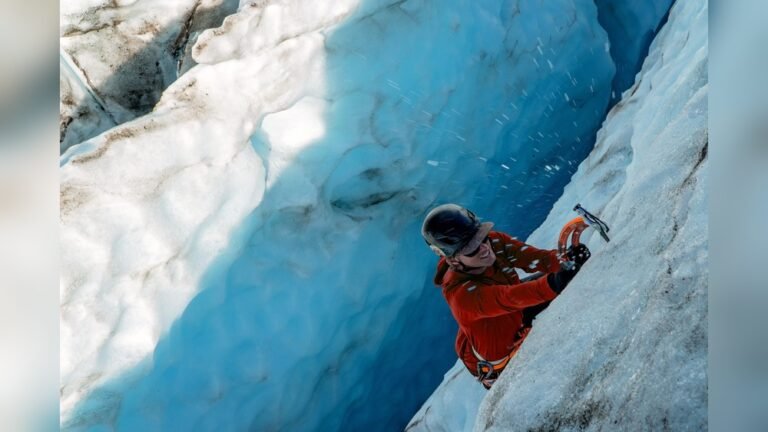
Ice climbing is an exciting sport that combines adventure, skill, and respect for nature’s raw power. Whether you dream of scaling frozen waterfalls or tackling icy mountain faces, the right certifications and courses are essential. Not only do these qualifications make you a safer climber, but they also open doors to guided trips, advanced routes, and international climbing destinations. Many people wonder: “What do I need to learn, and where do I start?” This guide explains every major certification, course, and knowledge area needed for ice climbing, from entry-level to professional. If you’re serious about ice climbing, understanding these steps will help you climb smarter, stay safer, and progress further.
Why Certifications Matter In Ice Climbing
Unlike hiking or basic rock climbing, ice climbing presents serious risks. The ice changes constantly, tools are sharp, and even a small mistake can be dangerous. Having the right certification shows that you know essential safety, rescue, and climbing techniques. In many countries, guided companies require proof of training before letting you join technical climbs. Even if you only climb with friends, formal courses teach you critical skills that YouTube videos or books simply can’t replace.
Another point beginners miss: many insurance providers won’t cover accidents in technical sports like ice climbing unless you can show proper training. Certifications may also be required to access some climbing areas, especially in Europe and North America.
Core Ice Climbing Certifications
Several organizations offer respected ice climbing certifications. The best one for you depends on your goals—recreational, guiding, or professional instruction.
American Mountain Guides Association (amga)
The AMGA is one of the most recognized bodies for climbing certifications in the USA. Their programs are respected worldwide.
- Single Pitch Instructor (SPI): Covers basic top-rope and lead climbing skills, including some ice techniques. Good for beginners.
- Ice Instructor Course: Focuses directly on ice climbing, including anchor building, ice tool use, movement, and rescue techniques.
- Alpine Guide Certification: For advanced guides who lead clients on ice, mixed, and alpine routes. Requires significant experience.
Most climbers start with a general SPI or Rock Instructor course, then add ice-specific courses later.
International Federation Of Mountain Guides Associations (ifmga/uiagm)
The IFMGA certification is the gold standard worldwide. It covers all aspects of mountain guiding, including ice, rock, and alpine climbing.
- IFMGA Mountain Guide: To earn this, you must complete a multi-year program with rock, alpine, and ice modules, plus exams in each. This is for those who want to guide professionally anywhere in the world.
Other Recognized Bodies
- Association of Canadian Mountain Guides (ACMG): Offers similar certifications to AMGA and IFMGA for Canada.
- British Mountaineering Council (BMC): Offers winter mountaineering and ice climbing modules.
- New Zealand Mountain Guides Association (NZMGA): For those planning to climb in the southern hemisphere.
All these programs require you to prove your experience, pass skills tests, and often complete a wilderness first aid course.

Essential Ice Climbing Courses
Not everyone needs a full professional certification. Many climbers start with short courses to build core skills. Here are the most important courses to consider:
1. Introductory Ice Climbing Course
This is where most people start. These courses usually last 1–2 days and cover:
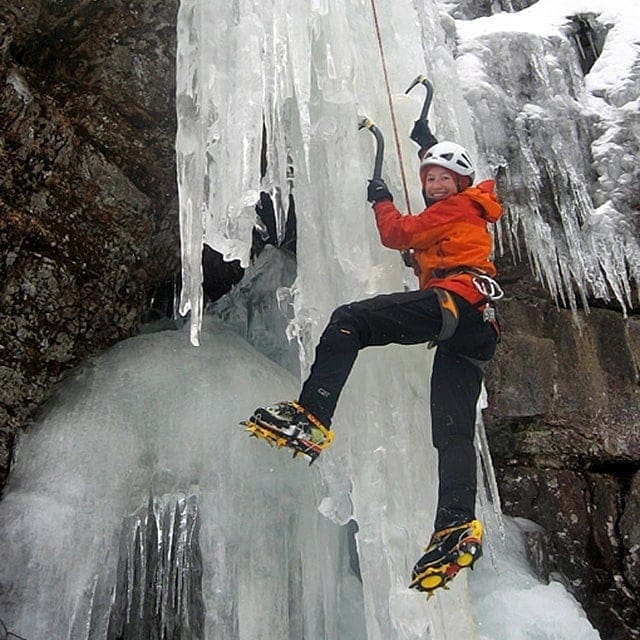
- Equipment basics: How to choose and use crampons, ice axes, harnesses, and helmets
- Movement: Footwork, tool placement, body position
- Safety basics: Belaying, communication, and hazard awareness
Look for certified instructors with good reviews. An introductory course will give you hands-on practice and help you decide if you want to continue.
2. Intermediate Ice Climbing Course
Once you master the basics, an intermediate course teaches:
- Lead climbing on ice
- Anchor building: V-threads, ice screws, and natural anchors
- Climbing technique: Steeper ice, mixed terrain, efficient movement
- Rescue techniques: Basic self-rescue and partner rescue
These courses often run over a weekend or 3–4 days.
3. Advanced Or Multi-pitch Ice Climbing Course
For those wanting to climb long, complex routes, advanced courses cover:
- Multi-pitch techniques
- Advanced rescue: Escaping the system, pulley setups, and emergency shelter
- Route finding: Reading ice conditions, avalanche safety, and group management
You’ll need solid experience before joining this level.
4. Avalanche Safety Training
Many ice climbs are exposed to avalanches. A formal Avalanche Safety Course (like AIARE Level 1 in the USA or AST 1 in Canada) teaches:
- Recognizing avalanche terrain
- Using beacons, probes, and shovels
- Decision making and emergency response
Some regions won’t let you join guided ice trips without this certificate.
5. Wilderness First Aid
Even short climbs are often far from help. A Wilderness First Aid Course (16–24 hours) teaches:
- Treating injuries in remote areas
- How to manage hypothermia, frostbite, and trauma
- Group evacuation methods
This is valuable for all ice climbers, not just leaders.
6. Rescue & Self-rescue Clinics
Many guide services offer focused rescue clinics, where you learn:
- Escaping the belay
- Building hauling systems
- Improvised splints and emergency procedures
These skills are rarely learned “on the fly” but can save lives.
How To Choose The Right Course Or Certification
Different courses suit different goals. Here’s a quick comparison to help you pick:
| Type | Who Needs It? | Time Needed | Main Focus |
|---|---|---|---|
| Introductory Course | New climbers | 1–2 days | Basic movement, safety |
| Intermediate Course | Recreational climbers | 2–4 days | Lead climbing, anchors |
| Avalanche Safety | All ice climbers | 2 days | Avalanche recognition, rescue |
| AMGA/IFMGA Cert | Professional guides | Months–years | All technical skills |
Most climbers start with an introductory course and avalanche training, then decide if they want to pursue guiding or advanced climbing.
Typical Ice Climbing Course Curriculum
What will you actually learn in a standard ice climbing course? Here’s a breakdown:
| Skill | Beginner | Intermediate | Advanced |
|---|---|---|---|
| Equipment Use | Yes | Yes | Yes |
| Lead Climbing | No | Yes | Yes |
| Anchor Building | Intro | Yes | Advanced |
| Rescue Skills | No | Basic | Advanced |
| Route Planning | No | Yes | Yes |
Courses may also include weather analysis, group communication, and environmental ethics.
How To Prepare For Ice Climbing Courses
Preparation makes a big difference. Here are practical tips:
- Get fit: Ice climbing uses your whole body. Focus on core, grip, and cardio.
- Practice knots: Learn the figure-eight, clove hitch, and alpine butterfly before your course.
- Research equipment: Know the difference between technical and general ice axes, crampon types, and proper clothing.
- Study weather and avalanche basics: Free resources online can help you learn the terminology.
- Book early: Courses fill up fast, especially in popular locations.
Bringing the right attitude is just as important as gear. Be ready to learn from mistakes and ask questions.
Non-obvious Insights For Beginners
Many beginners focus only on climbing technique, but two overlooked areas matter just as much:
- Environmental awareness: Ice routes change daily. Learning to read ice and weather conditions is just as important as physical skill.
- Mental preparation: Ice climbing can be intimidating. Courses often include mental strategies for staying calm under stress, but few people practice this at home.
Another thing most don’t realize: rescue skills are not “advanced”—they’re essential. Even on easy climbs, knowing how to escape a belay or improvise a splint could save your partner’s life.
The Role Of Online And Hybrid Courses
Some theory elements—like avalanche science, knots, and weather—can be learned online. However, practical skills like tool placement or anchor building must be learned in person. The best programs mix classroom and field sessions. As technology improves, expect more hybrid options, but always choose hands-on practice for safety-critical skills.
International Differences In Ice Climbing Certifications
Certifications can vary by country. For example:
| Country | Main Certifying Body | Special Requirements |
|---|---|---|
| USA | AMGA | Wilderness First Aid often required |
| Canada | ACMG | Mandatory avalanche training |
| UK | BMC | Winter mountaineering modules |
| Europe (Alps) | IFMGA | Full spectrum of alpine training |
Always check the requirements for your destination, especially if you plan to climb internationally.
How To Find Accredited Instructors And Courses
Look for guides or schools with certification from bodies like AMGA, IFMGA, or local equivalents. Check their reviews and ask about their experience with ice climbing specifically (not just rock or alpine climbing). Most reputable instructors are happy to explain their qualifications and teaching style.
For a global list of accredited guides and more details, check the IFMGA official website.
What To Avoid When Choosing Courses
Avoid courses that:
- Don’t list instructor credentials
- Promise “easy” or “risk-free” ice climbing (no real course can guarantee this)
- Offer only online practice for skills like anchor building or lead climbing
Also, don’t assume all rock climbing skills transfer to ice. The two sports share some basics, but ice adds its own set of risks and techniques.
Frequently Asked Questions
What Is The Minimum Certification Needed To Start Ice Climbing?
You don’t need formal certification to try ice climbing, but an introductory course with a certified instructor is strongly recommended. This ensures you learn proper safety and technique from the beginning.
How Long Does It Take To Become A Certified Ice Climbing Guide?
Becoming a certified guide (AMGA, IFMGA) usually takes several years. You’ll need hundreds of logged climbing days, advanced courses, and exams. Most people spend 3–5 years progressing through the ranks.
Are There Online Courses For Ice Climbing?
Some theory parts (like avalanche awareness or knot tying) can be learned online. However, practical skills—such as tool use and anchor building—must be learned in person for safety reasons.
Is Avalanche Training Required For Ice Climbing?
In many regions, avalanche training (like AIARE Level 1 or AST 1) is required for guided climbs and recommended for all climbers. Most fatal accidents in ice climbing involve avalanches or icefall, so this training is critical.
Can Children Or Teenagers Take Ice Climbing Courses?
Yes, many programs welcome teens (usually 14+) with parental consent. Some youth-focused courses exist, but always check age requirements, as safety gear and physical demands can be challenging.
Ice climbing is a thrilling sport that demands respect, skill, and the right education. By taking the proper certifications and courses, you protect yourself, your partners, and the wild places you climb. Start with the basics, build your knowledge step by step, and you’ll be well prepared for a lifetime of icy adventures.

