
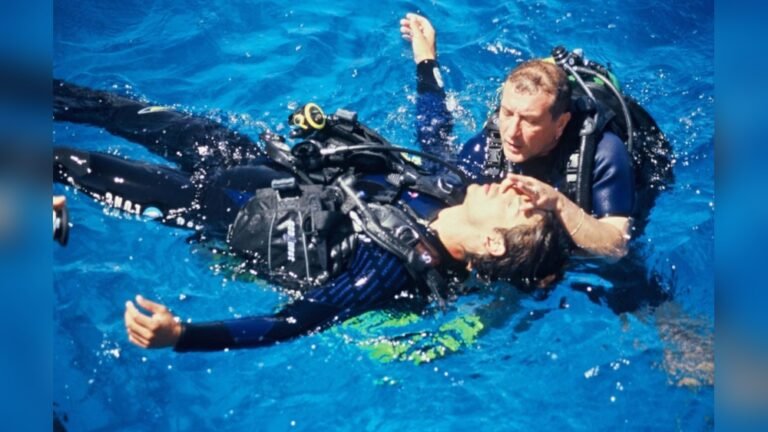
Scuba diving opens the door to a world few people ever see. Underwater, you discover colorful fish, mysterious shipwrecks, and vibrant coral reefs. For many, scuba diving is not just a sport but a passion that brings a sense of freedom and adventure.
But like any exciting activity, scuba diving also comes with risks. Understanding these risks is the first step to staying safe while enjoying the underwater world.
Many new divers only think about the beauty and fun. They may not realize that diving puts your body under stress from pressure, temperature, and even the equipment itself. With good training and careful planning, most dives are safe. Still, it’s important to know what could go wrong. This article explains the main risks of scuba diving, how they happen, and what you can do to avoid them. Even if you are a beginner, you’ll find clear explanations, examples, and advice to help you dive safely and confidently.
Physical Risks Underwater
Decompression Sickness
Decompression sickness (DCS), or “the bends,” happens when nitrogen bubbles form in your body as you surface too quickly. Under high pressure, your body absorbs extra nitrogen from the air you breathe. If you come up slowly, this nitrogen leaves your body naturally. But if you ascend too fast, nitrogen turns into bubbles in your blood and tissues.
Symptoms can range from joint pain and dizziness to paralysis or even death. You might feel pain in your arms or legs, weakness, numbness, or confusion. DCS is rare but serious, especially after deep or long dives.
To avoid DCS:
- Always ascend slowly and follow your dive computer or tables.
- Make safety stops (usually 3-5 meters for 3 minutes).
- Don’t fly or go to high altitudes soon after diving.
Barotrauma
Barotrauma means damage to your body caused by pressure changes. The most common type is ear barotrauma. When you descend, water pressure increases. If you don’t equalize the pressure in your ears, you can feel pain or even burst your eardrum.
Other types include sinus barotrauma and lung overexpansion. Overexpansion happens if you hold your breath while ascending, causing your lungs to stretch and possibly tear.
Prevention tips:
- Equalize your ears early and often (pinch your nose and blow gently).
- Never dive with a cold or stuffy nose.
- Breathe continuously—never hold your breath.
Nitrogen Narcosis
At deeper depths, especially below 30 meters, you might feel drunk or confused. This is nitrogen narcosis, caused by breathing more nitrogen under pressure. It can affect your judgment, reaction time, and awareness.
Nitrogen narcosis is not dangerous by itself, but it can lead to poor decisions, like going too deep or ignoring your air supply. The effects disappear when you ascend to a shallower depth.
The best way to avoid it is to:
- Stay within recreational depth limits.
- Dive with a buddy who can help if you act strangely.
Hypothermia
Water takes heat from your body much faster than air. Hypothermia is when your body loses heat faster than it can produce it, making you shiver, feel clumsy, or get confused. Even in warm water, long dives can make you cold.
Wearing a proper wetsuit or drysuit helps protect you. Watch your dive time and get out of the water if you start to feel too cold.
Oxygen Toxicity
Breathing too much oxygen under high pressure can poison your body—a problem called oxygen toxicity. This is rare for recreational divers but can happen during deep or technical dives. Symptoms include vision changes, ringing in the ears, nausea, or even seizures.
To avoid this, stay within safe depth limits and follow your dive training.
Equipment And Environmental Risks
Equipment Failure
Modern scuba gear is reliable, but problems can still happen. A stuck regulator, leaking tank, or broken mask can turn a fun dive into an emergency. For example, a free-flowing regulator can waste your air quickly.
Always check your equipment before diving. Learn how to handle common problems, like switching to a backup regulator or sharing air with your buddy.
Running Out Of Air
This is a basic but serious risk. Most cases happen because divers forget to check their air gauge or misjudge how fast they’re breathing. Running out of air leads to panic and dangerous ascents.
Check your air often and plan your dive so you return to the surface with a safety margin. Always dive with a buddy who can help if needed.
Strong Currents And Poor Visibility
Strong currents can quickly carry you away from your planned route. Poor visibility makes it hard to see your buddy, your gauges, or underwater hazards.
Before diving, ask local guides about conditions. Use a dive flag, stick with your group, and practice using a compass. If caught in a current, stay calm and swim across it, not against it.
Dangerous Marine Life
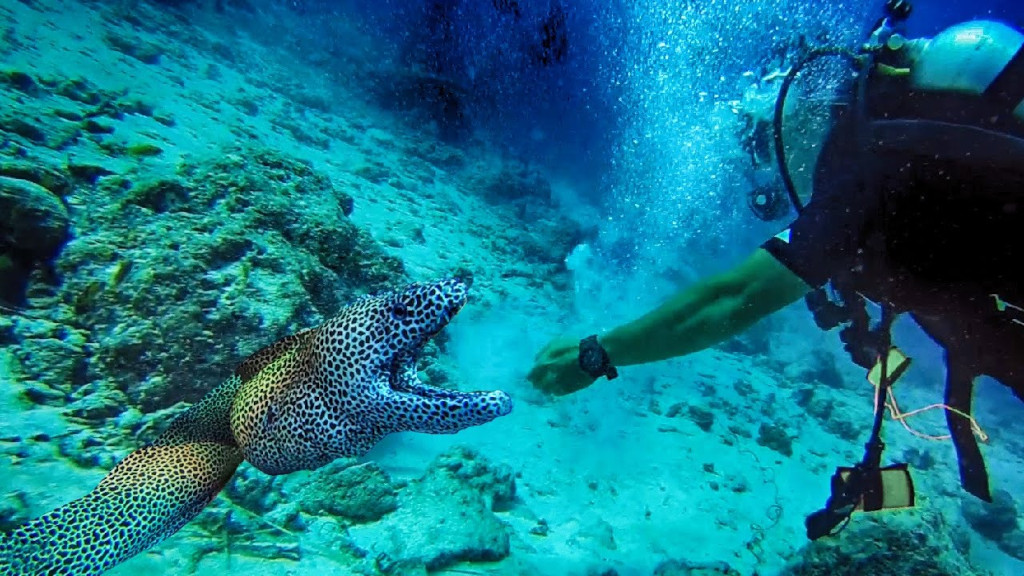
Most sea animals avoid humans, but some can bite or sting if you get too close. Examples include jellyfish, lionfish, and stonefish. Shark attacks are extremely rare, but still possible.
Avoid touching marine life or the reef. Wear protective gear like gloves and wetsuits. Learn first aid for bites or stings before you dive in new places.
Boat Traffic
Surfacing near boats is a real risk, especially in busy areas. Propellers and hulls can cause injury if you aren’t seen.
Use a surface marker buoy to show your location. Ascend slowly and look up before surfacing.
Human Factors And Mistakes
Panic And Stress
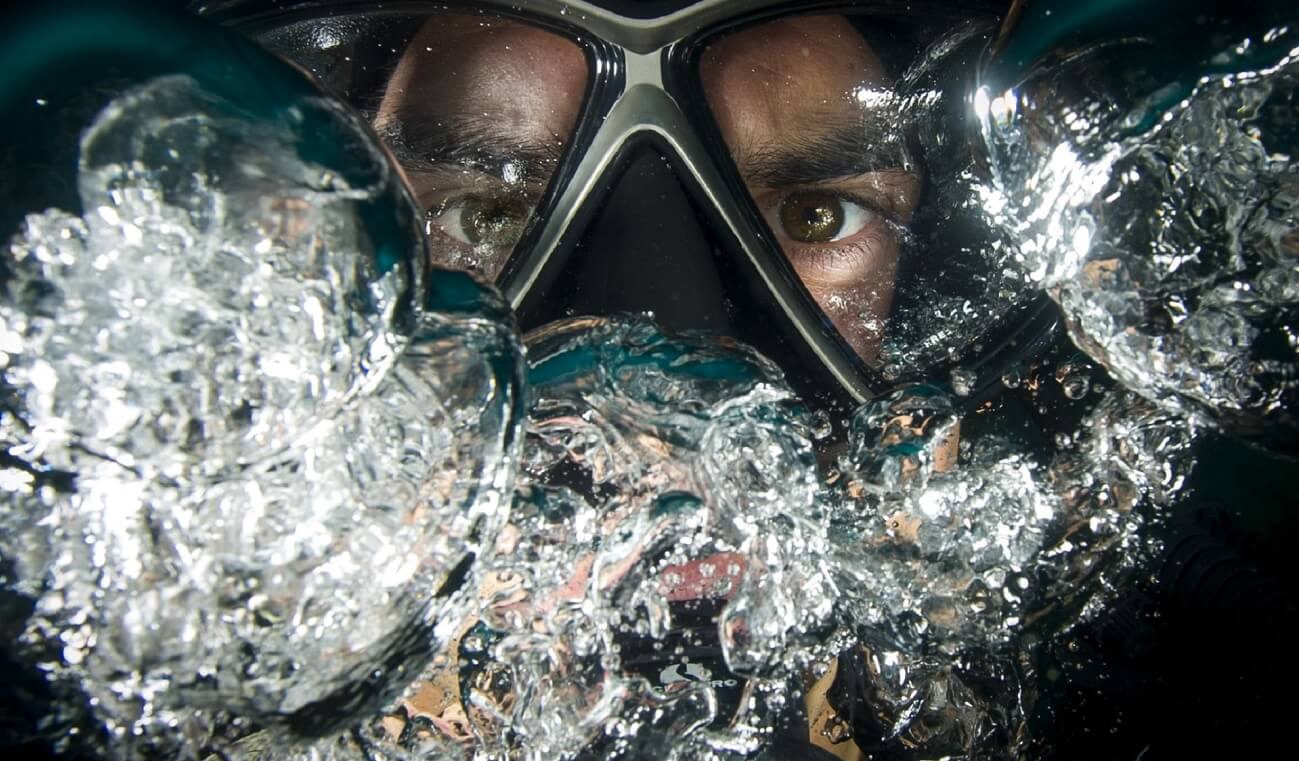
Panic causes more diving accidents than equipment failure. A flooded mask, sudden cold, or even seeing a big fish can make you panic and breathe too fast. This wastes air and increases the risk of DCS.
Practicing skills like mask clearing and buoyancy in a pool helps build confidence. Dive within your training level and comfort zone.
Poor Planning
Not planning your dive means you might go too deep, stay down too long, or miss important safety stops. Failing to check your gear or weather can also lead to problems.
Before every dive, review your dive plan, depth, time, and emergency procedures with your buddy.
Inexperience
Many accidents happen to new divers who are not comfortable with their equipment or underwater skills. Even experienced divers get into trouble if they don’t practice regularly.
Take time to get certified by a reputable agency. Do refresher dives if you haven’t been underwater for a while.
Ignoring Health Problems
Diving with a cold, blocked sinuses, or after drinking alcohol increases risk. Some medical conditions, like asthma or heart problems, may make diving unsafe.
See a doctor before diving if you have health concerns. Never dive if you don’t feel 100%.
Comparing Key Scuba Diving Risks
Understanding how risks compare helps you prioritize safety.
| Risk | Frequency (per 100,000 dives) | Severity | Preventable? |
|---|---|---|---|
| Decompression Sickness | 2-4 | High | Yes |
| Barotrauma | 5-10 | Medium | Yes |
| Equipment Failure | 1-2 | Medium | Yes |
| Marine Life Injury | <1 | Low | Mostly |
Most serious incidents are rare when you follow basic dive rules.
How To Minimize Scuba Diving Risks
Good Training
Completing a certified diving course teaches you how to handle underwater emergencies. Regular practice keeps your skills sharp.
Careful Dive Planning
Plan your maximum depth and time. Review emergency procedures. Always dive with a buddy.
Equipment Checks
Before every dive, test your regulator, buoyancy device, and check your air. Learn how to handle common malfunctions.
Monitor Health And Fitness
Stay hydrated, rested, and healthy. Never dive with a cold or after drinking alcohol.
Respect The Environment
Know about local hazards—like strong currents or dangerous animals—before diving.
Real-life Incident Examples
- A diver in Thailand ascended quickly after running low on air. He developed joint pain and weakness, classic DCS symptoms. Emergency treatment in a recompression chamber saved him, but he had to stop diving for months.
- In Australia, a diver ignored a blocked nose. She felt a sharp pain in her ear during descent, then lost hearing. Doctors found a ruptured eardrum—a case of barotrauma.
- A group diving in the Caribbean got separated in strong currents. One diver surfaced far from the boat and was picked up safely thanks to her surface marker buoy.
These examples show why following safety rules matters.
Comparing Recreational And Technical Diving Risks
Some risks increase with more advanced diving.
| Aspect | Recreational Diving | Technical Diving |
|---|---|---|
| Max Depth | 18-40 meters | 40+ meters |
| Decompression Stops | Optional/Short | Mandatory/Long |
| Gas Mixes | Air/Nitrox | Helium/Oxygen blends |
| Equipment | Basic set | Redundant/Complex |
| Risks | Lower | Higher |
Technical diving requires extra training and safety steps.
Two Common Myths About Scuba Diving Risks
Many people believe:
- “Sharks are the biggest danger.” In reality, shark attacks are extremely rare. Equipment issues and poor planning are far greater risks.
- “You need to be a strong swimmer.” While swimming skills help, calmness and following dive procedures are more important for safety.
Non-obvious Insights Most New Divers Miss
- Mild symptoms can be serious. A small ache or strange feeling after a dive could signal DCS or barotrauma. Always report unusual symptoms to your dive leader or doctor.
- Most accidents happen near the surface. Many problems, like ear injuries or DCS, occur during the last few meters of ascent—not at the deepest part of the dive.
- Overconfidence is a hidden risk. Divers who feel too comfortable sometimes skip safety checks or dive beyond their limits.
When To Seek Medical Help After Diving
If you notice any of these symptoms within 24 hours of diving, get medical help right away:
- Joint or muscle pain
- Numbness or tingling
- Dizziness, confusion, or trouble walking
- Shortness of breath or chest pain
Many countries have special diving medical centers. Quick treatment can prevent permanent injury.
Useful Resources
For more on scuba diving safety, visit the Wikipedia Scuba Diving page, which offers detailed guides and safety advice.
Frequently Asked Questions
What Is The Most Common Injury In Scuba Diving?
Ear barotrauma is the most common injury. It happens when divers don’t equalize ear pressure during descent or ascent, causing pain or damage to the eardrum.
Can You Die From Scuba Diving?
Yes, but it’s rare. Most deaths are caused by running out of air, rapid ascents, or health problems underwater. Proper training, planning, and equipment checks greatly reduce the risk.
How Deep Can You Dive Safely?
Recreational divers usually stay above 40 meters (130 feet). Deeper dives require special training and equipment, as risks increase with depth.
Is Scuba Diving Safe For Everyone?
No. People with certain medical conditions—like severe asthma, heart problems, or seizures—should not dive. Always get a medical check before learning to dive.
What Should I Do If I Feel Strange After A Dive?
If you have pain, numbness, dizziness, or trouble breathing after a dive, seek medical help immediately. These can be signs of decompression sickness or other serious problems.
Scuba diving is an unforgettable experience when done safely. By understanding the risks and respecting your limits, you can enjoy the ocean’s wonders with peace of mind.
