Kayaking might look like just another outdoor hobby, but it offers much more than a relaxing day on the water. For many people, it’s a gateway to better health, both physically and mentally. Whether you paddle on a gentle lake or brave the currents of a river, kayaking brings powerful benefits that go far beyond fun.
Understanding these health advantages can motivate you to pick up a paddle and experience them firsthand.
Physical Health Benefits Of Kayaking
Moving a kayak through water is a full-body workout, yet it feels less intense than many other sports. Let’s explore how this low-impact activity supports your body in unexpected ways.
Strengthens Core Muscles
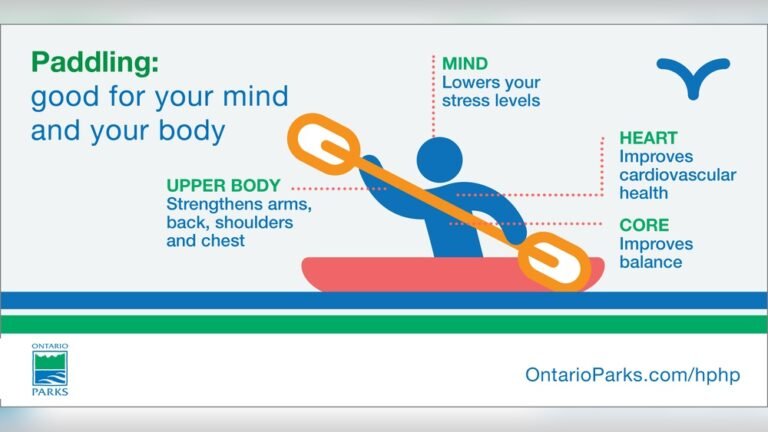
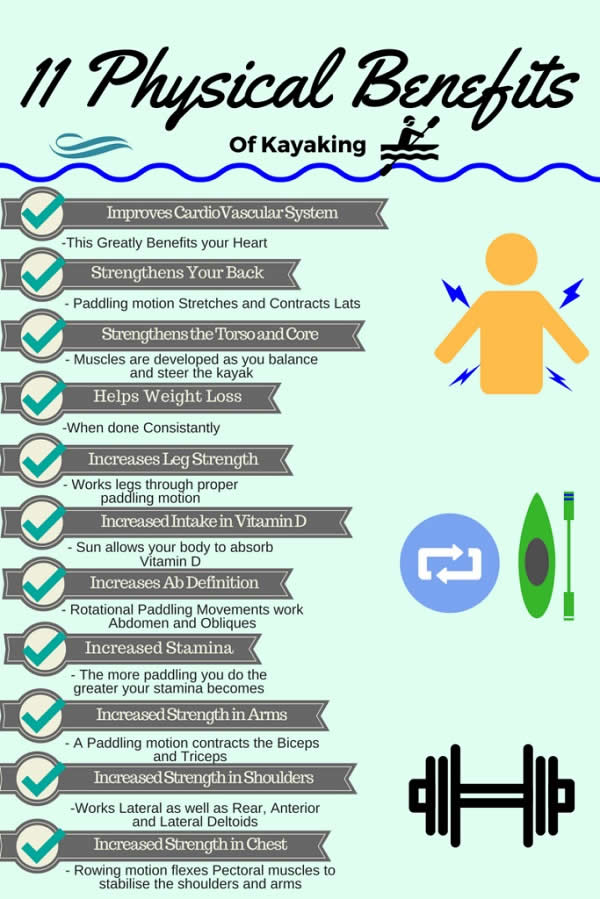
Every paddle stroke you take involves your abdominal muscles and lower back. You twist and engage your core to move the kayak forward, which over time, builds strength and definition. Unlike crunches or sit-ups, kayaking works these muscles through natural, fluid motion. This makes it ideal for people who want to avoid stress on their spine.
Improves Cardiovascular Fitness
Kayaking is an aerobic exercise. Even at a moderate pace, your heart rate increases as you paddle. Regular kayaking can lower your risk of heart disease, improve blood circulation, and help maintain healthy blood pressure. According to the American Council on Exercise, paddling for just one hour can burn between 350 and 500 calories, depending on your speed and weight.
Builds Upper Body Strength
Paddling looks simple, but it’s a powerful workout for your arms, shoulders, and chest. Each stroke uses the biceps, triceps, deltoids, and pectorals. Over time, this repeated action increases muscle tone and endurance, especially in your upper body.
Boosts Leg And Back Muscles
Many people think kayaking only works the arms, but your legs and back play a key role. You use your legs to stabilize the kayak, press against foot pegs, and help with turning. The back muscles support your posture and assist with powerful strokes. This combination helps develop balanced strength.
Enhances Joint Health And Flexibility
Kayaking is gentle on the joints compared to high-impact sports like running. The smooth, gliding motion of paddling keeps your shoulders, elbows, and wrists moving without harsh impact. Regular movement can also help maintain or increase flexibility, which is important for healthy aging.
Burns Calories And Helps With Weight Loss
If your goal is to lose weight or stay fit, kayaking is an excellent choice. The number of calories burned varies with intensity, but even slow paddling can have a positive effect. Here’s a look at calorie burn for a person weighing 70 kg (155 lbs):
| Kayaking Intensity | Calories Burned (per hour) |
|---|---|
| Leisurely | 350 |
| Moderate | 420 |
| Vigorous | 500+ |
Improves Balance And Coordination
Staying upright in a kayak requires balance, especially in moving water. Your body constantly makes small adjustments to keep you steady. With practice, this leads to better balance and coordination, which can help prevent falls and injuries in daily life.
Supports Healthy Bones
Weight-bearing activities are important for bone health. While kayaking isn’t strictly weight-bearing like walking, the resistance from water and the repetitive motion of paddling can help increase bone density over time, especially in the arms and shoulders.
Mental And Emotional Health Benefits
Kayaking isn’t just good for your body; it also has a powerful effect on your mind. Many people find that time on the water brings peace, focus, and happiness.
Reduces Stress And Anxiety
Being surrounded by nature, hearing the sound of water, and feeling the rhythm of paddling can quickly lower stress levels. Studies show that time spent outdoors, especially near water, calms the nervous system. Kayaking helps you disconnect from daily worries and focus on the present.
Boosts Mood And Fights Depression
Physical activity releases endorphins—chemicals in the brain that improve mood and create a sense of well-being. Kayaking combines movement with natural beauty, which can be especially helpful for people struggling with low mood or depression.
Improves Focus And Mindfulness
Kayaking requires attention to your surroundings and your own movements. This focus helps quiet mental chatter and encourages mindfulness. Over time, this practice can improve your ability to concentrate and stay calm in other parts of life.
Increases Confidence And Self-esteem
Learning to control a kayak, navigate currents, or simply paddle across a lake can be empowering. Each small success builds confidence and a sense of achievement. Beginners often feel surprised by how quickly they improve, which boosts self-esteem.
Encourages Social Connections
Kayaking can be done solo, but it’s often enjoyed with friends or in groups. Sharing the experience, helping each other, and exploring together can strengthen social bonds. This is especially important because strong relationships are linked to better mental health and longer life.
Kayaking And Disease Prevention
The benefits of kayaking also stretch into disease prevention. By keeping your body and mind healthy, you lower the risk of several common conditions.
Supports Heart Health
Regular aerobic activity like kayaking can lower the risk of heart disease by improving cholesterol levels, reducing blood pressure, and supporting healthy blood sugar. The American Heart Association recommends at least 150 minutes of moderate-intensity activity per week, which kayaking can help you achieve.
Helps Control Diabetes
Exercise helps regulate blood glucose levels and improves insulin sensitivity. For people with type 2 diabetes or at risk, kayaking offers a fun way to stay active and support blood sugar control.
Lowers Risk Of Obesity
Because kayaking burns calories and builds muscle, it helps prevent weight gain and supports healthy weight management. This lowers the risk of obesity-related conditions such as high blood pressure, certain cancers, and sleep apnea.
Promotes Brain Health
Regular physical activity is linked to better cognitive function and a lower risk of dementia. The combination of exercise, nature exposure, and social interaction makes kayaking especially good for your brain.
Kayaking For Different Age Groups
One of the great things about kayaking is that it’s accessible to people of almost any age. With the right equipment and safety practices, children, adults, and older people can all enjoy the health benefits.
Children And Teens
Kayaking helps young people develop strength, coordination, and confidence. It teaches respect for nature and basic water safety skills. For kids, short, fun trips with proper supervision are best.
Adults
For adults, kayaking offers a break from busy routines and a way to stay active without gym membership. It’s easy on the joints, making it suitable even for those with mild arthritis or previous injuries.
Older Adults
With stable kayaks and calm water, many seniors find kayaking a gentle way to improve mobility and keep their minds sharp. Always check with a doctor first, especially if you have health concerns.
Comparing Kayaking To Other Activities
How does kayaking stack up against other common activities in terms of health benefits? Here’s a quick comparison:
| Activity | Muscle Groups Used | Impact Level | Mental Health Benefit |
|---|---|---|---|
| Kayaking | Full body, especially upper body & core | Low | High (nature, relaxation) |
| Running | Legs, core | High | Moderate |
| Cycling | Legs, core | Medium | Moderate |
| Swimming | Full body | Low | High |
| Yoga | Full body (varies) | Low | High (mindfulness) |
Kayaking stands out for its mix of physical and mental health benefits, especially in natural settings.
Safety Tips And Common Mistakes
To get the most out of kayaking and avoid injuries, keep these tips in mind:
- Wear a life jacket: Even experienced swimmers should always wear one.
- Use proper technique: Learn correct paddling and posture to avoid strain.
- Warm up: Gentle stretching before paddling can help prevent muscle pulls.
- Stay hydrated: Bring water, especially on hot days.
- Check the weather: Avoid kayaking in storms or strong winds.
- Know your limits: Start with short trips and build up your endurance.
A common mistake beginners make is gripping the paddle too tightly, which can cause hand and wrist pain. Another is forgetting to use the core muscles, relying only on arms, which leads to fatigue and less effective paddling. Take a beginner lesson or watch instructional videos to learn the basics.
Two Surprising Benefits Most Beginners Miss
- Improved Posture: Kayaking naturally encourages you to sit upright and engage your core. Over time, this can help correct poor posture from desk jobs or too much screen time.
- Connection to Nature: Many people find that kayaking deepens their appreciation for rivers, lakes, and wildlife. This connection can inspire more sustainable behaviors and a sense of belonging.
Getting Started With Kayaking
If you’re interested in trying kayaking, start with a rental or guided tour. These options provide all the gear you need and basic instruction. Choose a stable, sit-on-top kayak for your first experience—they’re easy to use and less likely to tip.
Remember to dress for the weather, protect yourself from the sun, and let someone know your plans. As you gain confidence, you can explore different types of kayaking, such as sea kayaking, whitewater, or kayak fishing.

Frequently Asked Questions
What Should I Wear For Kayaking?
Wear lightweight, quick-drying clothes. Avoid cotton, as it holds water and gets cold. Bring a hat, sunglasses, and sunscreen for sun protection. Always wear a life jacket.
Is Kayaking Safe For Beginners?
Yes, kayaking is generally safe if you follow basic safety rules. Start on calm water, wear a life jacket, and consider taking a beginner lesson. Avoid paddling alone until you’re confident.
How Often Should I Kayak To See Health Benefits?
You’ll start to notice benefits with just one or two sessions per week. For best results, aim for at least 30 minutes per session. Consistency is more important than duration.
Can Kayaking Help With Back Pain?
Kayaking can strengthen the muscles that support your back, which may help prevent or reduce pain. However, people with existing back problems should check with a doctor first and focus on good paddling posture.
Where Can I Learn More About Kayaking Safety?
A great resource is the Wikipedia Kayaking page, which covers basic techniques, safety tips, and types of kayaking.
Kayaking is much more than a sport—it’s a pathway to better health, deeper calm, and stronger connections. Whether you’re looking to get fit, reduce stress, or simply enjoy the beauty of nature, few activities offer such a complete package of benefits.
With the right approach, kayaking can become a lifelong source of wellness and joy.
