Skiing is one of the most thrilling winter sports, but for beginners, choosing the right pair of skis can make all the difference between a fun learning experience and endless frustration. With so many brands, models, and technical terms, it’s easy to feel lost.
The good news? Today’s ski technology makes it easier than ever for new skiers to progress with confidence and safety. Whether you’re planning your first trip to the mountains or have already taken a lesson or two, understanding what makes a ski “beginner-friendly” will help you find the perfect match.
What Makes A Ski Good For Beginners?
The best skis for beginners share a few common features. First, they are designed to be forgiving and easy to control. This means they won’t punish you for mistakes and will help you turn and stop with less effort. Key characteristics include:
- Soft flex: Skis that bend easily make it simpler to initiate turns.
- Short to medium length: Shorter skis are more maneuverable and less intimidating.
- Rocker-camber-rocker profile: A bit of rise at the tip and tail helps prevent catching edges and encourages smooth turns.
- Wider waist: Skis with a moderate waist (width underfoot) provide more stability.
Let’s dig deeper into these features and see how they help beginners.
Flex
Flex refers to how easily a ski bends. Softer flexing skis are better for beginners because they respond even at low speeds. This helps you focus on balance and technique instead of fighting the ski.
Length
For most adults just starting out, skis should come up to somewhere between the chin and nose when standing upright. Longer skis provide more stability at speed, but short skis are easier to control when learning.
Profile
A rocker-camber-rocker profile means the tips and tails are slightly raised, while the middle section touches the snow. This makes it less likely you’ll catch an edge, reducing falls and building confidence.
Width
Skis are measured by their waist width. For beginners, a waist width of 75–85mm is ideal. Wider skis are harder to edge on firm snow, while narrower skis can feel unstable.
Top 8 Skis For Beginners In 2024
Let’s look at some of the best skis for beginners, based on expert reviews, user feedback, and performance on the slopes. These models are chosen for their ease of use, value, and learning support.
1. Rossignol Experience 76 Ci
The Rossignol Experience 76 CI is one of the most popular choices for new skiers. Its lightweight construction and forgiving flex help you progress quickly. The all-mountain shape means you can try different terrains as you improve. Many rental shops use this ski for a reason: it’s stable, predictable, and fun.
2. Salomon Qst Spark
The Salomon QST Spark stands out for its playful feel. The tip and tail rocker help beginners turn easily and control speed. This ski is also durable, so it will last as you build confidence. It’s a great choice if you want something that will grow with you for a couple of seasons.
3. Atomic Vantage 75 C
Atomic’s Vantage 75 C is known for its lightweight design and solid edge grip. It uses a carbon tank mesh that keeps the ski strong but easy to handle. With a narrower waist, it’s perfect for groomed runs where most beginners start. The ski’s smooth ride gives you a sense of control right from your first day.
4. Elan Element
The Elan Element focuses on making skiing intuitive. It uses Groove Technology to guide your turns and keep you stable. Many instructors recommend this ski because it “teaches” you proper technique naturally. If you want something that feels like a tutor under your feet, the Elan Element is an excellent pick.
5. K2 Disruption 76x
K2’s Disruption 76X combines a forgiving flex with a responsive feel. The Catch Free Rocker profile means the tip and tail are lifted, which reduces edge catches and makes learning less stressful. It’s a solid choice for those who want to progress quickly on groomed slopes.
6. Head V-shape V2
The Head V-Shape V2 is designed for stability at low speeds. Its unique geometry makes turning easy and helps you recover from mistakes. Many beginners notice they can link turns more smoothly with this ski. It’s also lightweight, which reduces fatigue over a long day.
7. Nordica Navigator 75 Ca
The Nordica Navigator 75 CA is built for smooth turning and stability. Its energy frame construction helps you stay balanced, and the ski handles a variety of snow conditions. If you ski at resorts with changing weather, this model keeps you in control.
8. Fischer Xtr Pro Mtn X
The Fischer XTR Pro MTN X rounds out our list with a focus on versatility. It’s easy to turn on groomers but has enough width to handle soft snow. The carbon tech inside keeps the weight down and makes transitions between turns gentle.
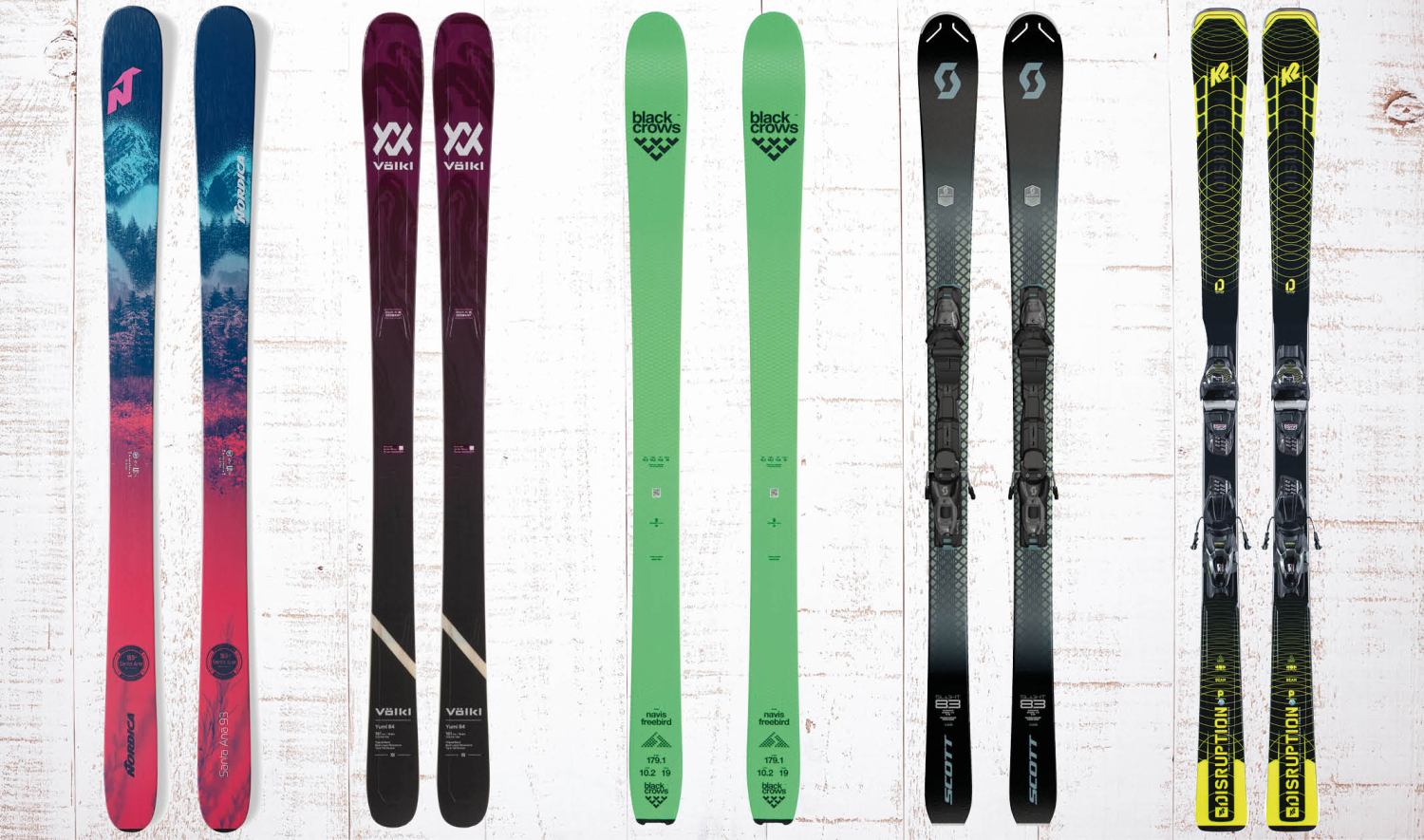
Beginner Skis Comparison
To help you see the differences, here’s a side-by-side look at these models:
| Model | Waist Width (mm) | Flex | Profile | Weight (per ski) |
|---|---|---|---|---|
| Rossignol Experience 76 CI | 76 | Soft | Rocker-Camber-Rocker | ~1.5 kg |
| Salomon QST Spark | 85 | Soft | Rocker-Camber-Rocker | ~1.6 kg |
| Atomic Vantage 75 C | 75 | Soft/Medium | Rocker-Camber | ~1.4 kg |
| Elan Element | 76 | Soft | Rocker-Camber-Rocker | ~1.5 kg |
| K2 Disruption 76X | 76 | Soft | Rocker-Camber | ~1.5 kg |
| Head V-Shape V2 | 75 | Soft | Rocker-Camber | ~1.45 kg |
| Nordica Navigator 75 CA | 75 | Medium | Rocker-Camber | ~1.5 kg |
| Fischer XTR Pro MTN X | 77 | Soft | Rocker-Camber-Rocker | ~1.45 kg |
Essential Tips For Choosing Your First Pair Of Skis
Finding the best beginner ski is about more than just reading specs. Here are some practical tips:
- Get the right length: If you’re unsure, ask a pro or use the manufacturer’s guide. Too long and you’ll struggle; too short and you might outgrow them quickly.
- Consider ski packages: Many brands offer skis with bindings, making setup easy and often saving money.
- Rent before you buy: If possible, try a few different models at a rental shop. This gives you a feel for what suits your style.
- Prioritize comfort and control: Fancy graphics or brand names are less important than how the ski feels on snow.
- Don’t overthink performance: High-end skis are tempting, but for new skiers, simpler is often better.
Common Mistakes Beginners Make
Many new skiers buy skis that are:
- Too stiff: This can make turning and stopping hard.
- Too advanced: Skis designed for experts are less forgiving and can slow your progress.
- Too long: Longer skis are harder to maneuver at low speeds.
If you avoid these errors, your first days on snow will be smoother.
Should You Buy Or Rent?
This is a key question. Renting lets you try different styles, but buying means you get used to one ski. If you plan to ski more than 10 days in a season, buying often saves money over time. Renting is best if you’re unsure about commitment or want to test several models.
Here’s a quick look at the cost and benefit comparison:
| Option | Pros | Cons | Cost (Per Season) |
|---|---|---|---|
| Rent | Try different skis, no maintenance, no storage needed | Rental lines, variable quality, long-term cost adds up | $200–$400 |
| Buy | Consistent fit, can resell, better value if skiing often | Upfront cost, maintenance, need to store | $400–$600 (entry-level) |
Two Insights Beginners Often Miss
- Bindings matter as much as skis: Always have bindings adjusted by a certified technician to match your weight, height, and skill. Incorrect binding settings lead to injuries.
- Ski boots impact your experience: Even the best beginner skis feel awkward if your boots don’t fit. Pay attention to comfort and support when choosing boots.
How To Care For Beginner Skis
Taking care of your skis helps them last longer and perform better. Dry them after every use, store in a cool place, and have them tuned (edges sharpened and bases waxed) every few outings. Avoid walking on hard surfaces with your skis, as this damages the edges.
Where To Learn More
If you want to explore deeper, the Wikipedia ski page offers a solid introduction to ski types and history.
Frequently Asked Questions
What Length Of Ski Should A Beginner Use?
Most beginners do well with skis that reach between their chin and nose when standing. This length offers a good balance of control and stability, making turning and stopping easier.
Is It Better To Rent Or Buy Beginner Skis?
Renting is best for those just starting, as it allows you to try different skis without commitment. If you plan to ski frequently, buying can be cost-effective and more comfortable.
Do Beginner Skis Work On All Types Of Snow?
Beginner skis are designed mainly for groomed runs, but some can handle softer or variable snow. Check the ski’s waist width and rocker profile for versatility.
How Often Should I Wax And Tune My Skis?
For regular beginners, tuning every 4–6 ski days is a good rule. This keeps edges sharp and the base gliding smoothly. Rental shops often handle this for you.
What Else Do I Need Besides Skis?
You’ll need ski boots (fit is crucial), poles, and a helmet for safety. Proper clothing, gloves, and goggles are also important for comfort and protection.
Skiing is a fantastic sport for all ages, and the right equipment makes learning much more enjoyable. Take your time, ask questions, and focus on finding skis that support your progress—not just your style. The mountains are waiting, and with the right skis, you’ll be ready to explore them with confidence.
