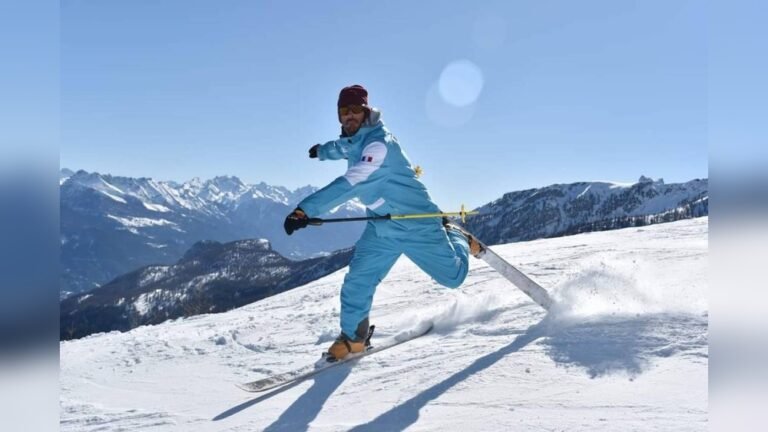
Skiing is more than just a winter sport—it’s a full-body experience that combines adventure, exercise, and mental refreshment. Every year, millions head to snowy mountains not only for excitement but also for the many hidden benefits that skiing brings. Whether you’re a beginner sliding on gentle slopes or an expert carving through powder, skiing can change how you feel, move, and think.
Let’s explore the real, sometimes surprising, benefits of skiing and why it remains a favorite for so many people around the world.
Physical Health Benefits
Skiing is one of the best ways to exercise in cold weather. The act of skiing works your muscles, heart, and lungs in a way few sports can match.
Full-body Workout
From your legs to your arms, skiing forces your body to work as a team. Your quads, hamstrings, calves, and glutes drive you forward, while your core keeps you balanced. Even your shoulders and arms play a part, especially if you use poles. Studies show that skiing can burn between 300 to 600 calories per hour, depending on speed and slope difficulty.
Cardiovascular Health
Every time you push yourself on a slope, your heart rate rises. Over time, this improves your cardiovascular endurance. The cold air can make your heart and lungs work even harder, meaning you get a more intense workout than you might on a treadmill. Regular skiing can lower the risk of heart disease and improve your overall stamina.
Improved Balance And Coordination
Skiers must constantly adjust their body to stay upright and steer. This balance training is excellent for your nervous system. It builds better coordination, which can prevent falls and injuries in daily life. Even beginners notice their balance improves after a few sessions on the snow.
Joint And Bone Strength
Unlike running, skiing is a low-impact sport because the snow cushions your joints. However, it still helps strengthen bones and joints because of the consistent movement and resistance from the slopes. This is especially helpful for older adults, as strong bones lower the risk of osteoporosis.
Enhanced Flexibility
To turn and move smoothly, skiers need to twist and bend their bodies. This constant stretching increases flexibility, which helps with injury prevention and keeps muscles supple.
Mental Health Advantages
Skiing is not just about physical fitness. Spending time on snowy mountains offers several mental health benefits that often go unnoticed.
Stress Relief
The fresh mountain air, beautiful views, and focus on movement all help reduce stress. Being surrounded by nature can lower cortisol levels—the hormone responsible for stress. Many skiers say they feel refreshed and recharged after a day on the slopes.
Mood Improvement
Exercise causes your brain to release endorphins, often called “feel-good hormones.” Skiing combines this with sunlight and fun, which can fight depression and anxiety. Researchers have found that winter sports like skiing can help prevent “winter blues,” also known as Seasonal Affective Disorder (SAD).
Mindfulness And Focus
Skiing requires you to be present. You have to pay attention to your body, the slope, and your surroundings, making it a form of active meditation. This focus can help clear your mind of worries and improve your ability to concentrate in other areas of life.
Building Self-confidence
Learning to ski and conquering new slopes builds self-confidence. Each time you master a new skill or tackle a difficult run, you prove to yourself what you can achieve. This often leads to greater confidence off the slopes, too.
Social And Community Benefits
Skiing is often a group activity, and the social connections you make on the mountain are another big reason why people love the sport.
Making New Friends
Ski resorts are full of people from all over the world. Group lessons, chairlift rides, and après-ski (after-ski) gatherings make it easy to meet new people. Some lifelong friendships start on a ski trip.
Strengthening Family Bonds
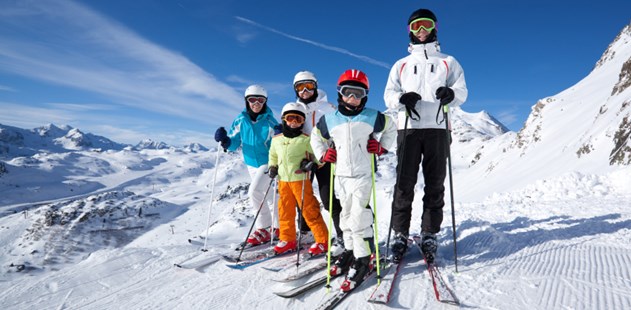
Families who ski together often build stronger bonds. The shared experiences, teamwork, and time spent outdoors away from screens create memories that last a lifetime.
Teamwork And Communication
If you ski with others, you learn to communicate clearly and look out for your group. This can improve your teamwork skills, which is useful both on and off the slopes.
Skill Development And Learning
Skiing is a sport you can improve at for your whole life. Each time you ski, you learn something new about yourself and your abilities.
Overcoming Fears
Many people are nervous the first time they ski. Facing and overcoming these fears can make you braver in other parts of your life. Skiing teaches you how to manage risk and stay calm under pressure.
Goal Setting And Achievement
Skiing is full of small goals—learning to stop, making your first turn, riding a lift, or skiing a harder slope. Achieving these goals gives you a sense of progress and satisfaction.
Problem-solving Skills
Every run is different. You might face icy patches, changing weather, or tricky turns. Skiers must quickly analyze situations and adapt, which sharpens your problem-solving skills.
Weight Management And Fitness
Many people ski for fun, but it’s also a powerful tool for managing weight and staying fit.
Calorie Burning
Skiing is a high-energy sport. An average person can burn 350 to 600 calories per hour, sometimes more on difficult terrain. This can help with weight loss or weight management, especially if you ski for several hours.
Building Muscle
Skiing builds muscles in your legs, core, and even upper body. Unlike some gym workouts, skiing works multiple muscle groups at once, making it an efficient way to get stronger.
Improving Endurance
Skiing for a whole day is tiring! But the more you do it, the better your stamina gets. This improved endurance can help you feel more energetic in everyday life.
Here’s a comparison of skiing with some other popular winter sports for calorie burning and muscle use:
| Sport | Calories Burned (per hour) | Main Muscles Used |
|---|---|---|
| Skiing | 350–600 | Legs, core, arms |
| Snowboarding | 300–500 | Legs, core |
| Ice Skating | 250–450 | Legs, glutes |
| Sledding | 200–300 | Legs, arms (walking uphill) |
Connection To Nature
Modern life keeps us inside for much of the year. Skiing is a chance to reconnect with the outdoors and enjoy the beauty of winter.
Fresh Mountain Air
Ski resorts are usually far from city pollution. Breathing fresh air can improve lung function and boost your immune system.
Appreciation For Nature
Standing at the top of a snowy mountain can be breathtaking. Skiing helps you appreciate the natural world, which has been shown to increase happiness and life satisfaction.
Environmental Awareness
Many skiers become more aware of how climate change affects snow and winter sports. This often leads to a stronger desire to protect the environment.
Economic And Travel Benefits
While skiing isn’t cheap, it can offer some unique benefits related to travel and the economy.
Boosting Local Economies
Ski tourism supports local businesses, including hotels, restaurants, and shops. In many mountain regions, skiing is the main source of jobs during winter.
Travel Opportunities
Skiing gives you a reason to travel and see new places. There are ski resorts on every continent except Africa and Antarctica. Each resort offers its own culture, food, and style.
Off-season Activities
Many ski resorts offer hiking, mountain biking, and other sports in the summer. This means you can return at other times of the year and enjoy new experiences.
Here’s a quick look at popular ski destinations around the world and their unique features:
| Destination | Country | Unique Feature |
|---|---|---|
| Chamonix | France | Alpine scenery, advanced slopes |
| Whistler Blackcomb | Canada | Largest ski area in North America |
| Niseko | Japan | Famous for powder snow |
| St. Anton | Austria | Lively après-ski scene |
| Park City | USA | Family-friendly, easy access |
Safety And Injury Prevention
While every sport has risks, skiing can actually help prevent injuries in other parts of life.
Training For Balance
Better balance from skiing can make you less likely to fall, even on icy sidewalks in winter.
Strengthening Weak Areas
Skiing can highlight muscle weaknesses or imbalances you didn’t know you had. With regular practice, these areas get stronger and more stable.
Learning Safe Habits
Skiers learn to be aware of their surroundings and respect safety rules. These habits can transfer to other sports or activities.

Lifelong Enjoyment And Accessibility
One of the best things about skiing is that you can enjoy it at almost any age, and there are many ways to participate.
All Ages Welcome
You’ll see children as young as three learning to ski, and many people continue skiing into their 70s and 80s. It’s a sport that adapts to your ability and comfort level.
Adaptive Skiing
For those with disabilities, adaptive skiing programs use special equipment and skilled instructors to help everyone enjoy the slopes. This makes skiing more inclusive than many people realize.
Yearly Tradition
Many families make skiing a yearly tradition. These trips become special events that everyone looks forward to, strengthening relationships over time.
Unique Insights Most Beginners Miss
- Altitude Effects: Skiing often happens at high altitudes. This means your body works harder due to thinner air, which can further improve your fitness. But beginners should stay hydrated and take breaks because altitude can cause fatigue faster than expected.
- Mental Reset: The act of moving downhill at speed requires so much focus that it can act as a mental reset. Many skiers report that their mind feels clearer and worries seem smaller after a day on the slopes.

Practical Tips For Getting The Most Out Of Skiing
- Warm up before you hit the slopes to prevent injuries.
- Wear proper gear, including a helmet and layers, to stay safe and comfortable.
- Take lessons if you’re new—correct technique makes skiing more fun and less tiring.
- Listen to your body and rest when needed to avoid overuse injuries.
- Explore different types of skiing, like cross-country or backcountry, for new challenges.
If you’re interested in more about skiing’s health benefits, the Wikipedia page on skiing covers the sport’s history, types, and more.
Frequently Asked Questions
What Age Is Best To Start Skiing?
Children as young as three or four can learn to ski in special beginner classes. However, it’s never too late to start—adults can learn and enjoy skiing at any age.
Is Skiing Dangerous For Beginners?
While there are risks, most injuries can be avoided with proper lessons, equipment, and safety practices. Beginners should start on gentle slopes and always wear protective gear.
How Fit Do I Need To Be To Start Skiing?
You don’t need to be an athlete to start, but some basic fitness helps. Skiing improves your fitness as you go, so even beginners will see benefits quickly.
Can Skiing Help With Weight Loss?
Yes, skiing is a great way to burn calories and build muscle, which can help with weight loss and weight management when combined with healthy eating.
What Equipment Do I Need To Try Skiing?
At a minimum, you’ll need skis, boots, poles, a helmet, and warm, waterproof clothing. Most ski resorts offer rental equipment, so you don’t have to buy everything to get started.
Skiing is much more than sliding down a hill. It’s a full-body, mind-refreshing, social, and even life-changing sport. From building muscle to making new friends, the benefits of skiing stretch far beyond the snow. If you’ve never tried it, there’s a whole world waiting for you on the slopes.
