
Rugby is a fast, physical sport enjoyed in many countries. If you are new to rugby, you might feel confused by the rules and how the game works. The basic rules of rugby are simple once you break them down.
Understanding these rules can help you follow matches, join in games, and enjoy the sport more. This guide explains the main rules of rugby, step by step, so you can learn quickly and confidently.
Rugby Field And Team Structure
The rugby field is a large rectangular area, usually about 100 meters long and 70 meters wide. There are goalposts at each end, shaped like an “H”. Teams use these posts to score points through kicks. The field is divided by lines—halfway line, 22-meter lines, and try lines.
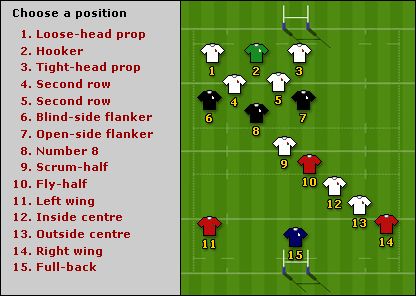
Each team has 15 players in standard rugby union. There are two main groups:
- Forwards: Usually strong, they play in scrums and lineouts.
- Backs: Usually faster, they handle running and passing.
Rugby league is another version with 13 players per team, but most basic rules are similar.
| Position | Role | Number per Team |
|---|---|---|
| Forwards | Scrums, physical play | 8 |
| Backs | Running, passing | 7 |
Starting And Restarting The Game
Rugby begins with a kick-off. One team kicks the ball from the halfway line to start play. After a score, the game restarts with another kick-off.
If the ball goes out of bounds or there is a stoppage, play resumes with a lineout or a scrum:
- Lineout: Players line up and try to catch the ball thrown from the sideline.
- Scrum: Forwards from each team lock together and push to win the ball.
Basic Rules Of Ball Movement
The most important rule: the ball cannot be passed forward. Players must pass the ball sideways or backward to teammates. The only way to move the ball forward is by running with it or kicking it.
If someone throws the ball forward, it is called a forward pass. The referee stops the game and awards a scrum to the other team.
Kicking is allowed at any time, but kicking out of bounds can lead to a lineout.
Scoring Points In Rugby
There are several ways to score in rugby. Each method earns a different number of points:
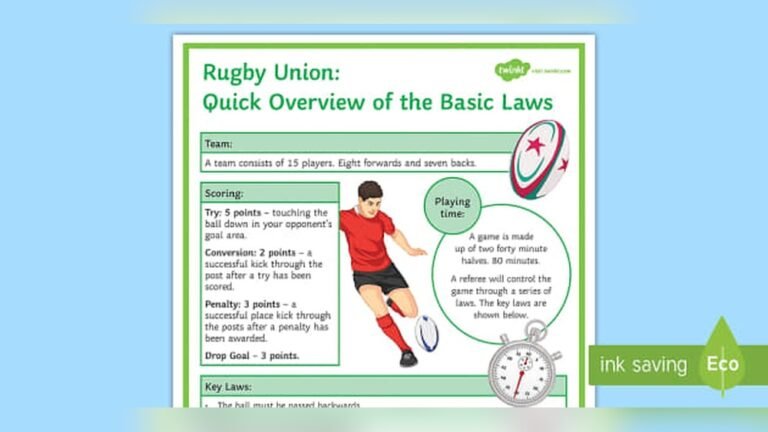
- Try: Touching the ball down in the opponent’s goal area. Worth 5 points.
- Conversion: After scoring a try, the team can kick the ball through the goalposts for 2 extra points.
- Penalty Kick: If the other team breaks a rule, you can try a kick at goal for 3 points.
- Drop Goal: Kicking the ball through the posts during play. Worth 3 points.
| Scoring Method | Points | Description |
|---|---|---|
| Try | 5 | Grounding the ball in the goal area |
| Conversion | 2 | Kick after a try |
| Penalty Kick | 3 | Kick after opponent’s foul |
| Drop Goal | 3 | Kicked during play |
Tackling And Physical Contact
Rugby is a contact sport. Players can tackle opponents to stop them, but there are important rules:
- Only tackle below the shoulders.
- No tripping, punching, or dangerous play.
- After being tackled, the ball carrier must release the ball so play continues.
When a player is tackled, teammates can try to win the ball. This is called a ruck. Players must stay on their feet and enter from behind, not from the sides.
Offside Rule
The offside rule keeps the game fair. You are offside if you are in front of a teammate who is playing the ball. Offside players cannot join play until they move behind the ball.
Being offside often leads to a penalty for the other team. This rule stops players from gaining unfair advantage.
Common Penalties And Fouls
Breaking rules leads to penalties. Some common fouls include:
- High tackle: Tackling above the shoulders.
- Offside: Joining play from the wrong position.
- Not releasing: Holding the ball after being tackled.
- Obstruction: Blocking opponents unfairly.
Penalties allow the other team to kick for goal, kick for touch, or take a scrum.
Lineouts, Scrums, And Rucks Explained
These are special parts of rugby:
- Lineout: Used when the ball goes out at the side. Players jump to catch the ball.
- Scrum: Used after minor rule breaks. Forwards push together to win the ball.
- Ruck: Happens after a tackle. Players compete for the ball, but must stay on their feet.
Each has clear rules about how players must act. For example, in a scrum, only forwards take part and must bind properly. In a ruck, hands cannot touch the ball unless you are standing.
| Situation | How Play Restarts | Main Players Involved |
|---|---|---|
| Ball out of bounds | Lineout | Forwards |
| Minor foul | Scrum | Forwards |
| Tackle | Ruck | All nearby players |

Duration And Winning The Game
A rugby match lasts 80 minutes, divided into two 40-minute halves. There is a short break at halftime.
The team with the most points at the end wins. If the score is tied, some competitions allow extra time or a draw.
Non-obvious Insights For Beginners
- Passing backward is key: Many beginners forget that rugby is not like soccer or basketball. You must always pass backward, which changes how you plan attacks.
- Not all tackles stop play: In rugby, play continues after a tackle unless the ball goes out or there is a foul. This makes the game flow faster than many other sports.
Another tip: Safety is a priority. Referees watch closely for dangerous play. Even minor unsafe actions can get you sent off the field.
Practical Example Of A Rugby Play
Imagine a player runs forward and is tackled. He releases the ball. Teammates rush in, form a ruck, and win the ball. They pass backward, run toward the try line, and score a try. The team then attempts a conversion kick.
This simple sequence shows how passing, tackling, and scoring work together.
Frequently Asked Questions
What Is A Try In Rugby?
A try is when a player grounds the ball in the opponent’s goal area. It earns 5 points and is the main way teams score.
How Many Players Are On A Rugby Team?
In rugby union, each team has 15 players. In rugby league, there are 13 players per team.
Can You Pass The Ball Forward In Rugby?
No, you can only pass backward or sideways. Forward passes result in a scrum for the other team.
What Is The Offside Rule In Rugby?
The offside rule means players must stay behind the ball or the teammate playing it. Offside players cannot join play until they move back.
Where Can I Learn More About Rugby Rules?
You can find official rules and guides at World Rugby, the governing body for rugby worldwide.
Rugby can seem complex at first, but with these basic rules, you can start playing or watching with confidence. Whether you join a local team or follow international matches, knowing the core principles will help you enjoy the excitement and teamwork of this unique sport.
