
Surfing is more than just a sport—it’s a dance with the ocean. To catch the perfect wave, surfers need one thing above all: information. Long gone are the days of guessing if the swell is good or the wind is strong. Today, a smartphone can tell you more about the sea than most old-school weather radios ever could. But with so many apps out there, how do you know which ones truly help you check wave conditions? This guide will break down the most trusted apps, how they work, and what makes each unique. If you’re a beginner, you’ll discover useful tips many surfers miss. If you’re experienced, you might find a new favorite tool for your next session.
Why Apps Matter For Wave Conditions
Before paddling out, every surfer asks, “Is it worth it today?” Apps give you real-time data about the ocean. These apps use information from buoys, weather satellites, and local reports. Some even offer live cameras so you can see the waves before you leave home. With the right app, you avoid wasted trips, save time, and pick the best spot for your skill level.
Accurate wave reports can also keep you safe. Big waves, strong currents, and sudden weather changes can be dangerous. Apps warn you of these risks. They also help you plan around tides and wind, which can change quickly.
Must-have Surf Apps For Checking Wave Conditions
Let’s look at the most popular and reliable apps surfers trust worldwide.
Surfline
Surfline is one of the oldest and most respected surf forecasting platforms. It covers more than 5000 surf spots globally.
- Live HD cameras: Surfline offers hundreds of live cams. You can watch real-time video feeds of your favorite beaches.
- Detailed forecasts: See wave height, swell direction, wind speed, and tide charts for up to 17 days in advance.
- Surfline Sessions: Track your surf sessions with a smartwatch for analysis later.
- Community reports: Local surfers can add their own spot updates.
Surfline is especially helpful if you want a second opinion. Watching live cam footage can reveal things that numbers alone cannot—like crowd size and wave shape.
Magicseaweed
Magicseaweed (often called MSW) is famous for its clear, easy-to-read charts.
- Swell charts: See primary and secondary swells, including their direction and period.
- Historical data: Look back at past conditions to spot patterns.
- User reports: Surfers leave written reviews for popular breaks.
- Local tide times: Plan your session to catch the best tide window.
Magicseaweed is great for comparing spots side by side. Many surfers use both Surfline and MSW for the most accurate picture.
Windy
Windy is a favorite among windsurfers and kitesurfers, but surfers love it too.
- Visual weather maps: See wind, waves, and storms moving in real-time.
- Multiple forecast models: Compare up to five different global weather models.
- Custom alerts: Get a notification when your favorite spot looks good.
Windy’s strength is its interactive maps. You can zoom in, move along the coast, and watch how conditions change hour by hour.
Msw Surf Forecast
Though Magicseaweed is now part of Surfline, the MSW Surf Forecast app still exists separately in some regions.
- Simple interface: Easy to check wave height, wind, and swell.
- Free to use: Offers most features at no cost.
- Local beach guides: Learn about hazards and entry/exit points.
This app is often used by beginners because of its clean, simple design.
Windguru
Windguru is a favorite among European and Asian surfers.
- Detailed wind charts: See wind speed, direction, and gusts.
- Custom spot creation: Add your own secret surf spots.
- Forecast for up to 10 days: Plan surf trips well in advance.
Windguru is especially strong for places with fast-changing weather. Its focus on wind makes it essential for spots with frequent onshore or offshore breezes.
Surf-forecast
Surf-Forecast.com gives you a quick overview of many spots.
- Global coverage: Over 7000 locations worldwide.
- Long-range forecasts: Up to 7 days of data.
- Spot reviews: Read and leave comments for popular breaks.
The app’s strength is its broad coverage—useful if you travel often or want to compare spots in different countries.
Stormsurf
Stormsurf is for surfers who want to dive deeper into data.
- Wave model animations: Watch how swells move across oceans.
- Buoy data: Check raw data from ocean buoys.
- Advanced charts: See wind, pressure, and more.
Stormsurf is best for experienced surfers who understand forecasting. It’s a tool for those who want to predict big swells days or weeks before they arrive.
Surf Era
Surf Era is a newer app focused on simplicity.
- Minimalist design: Easy to use, with clear data.
- Personal surf diary: Log your sessions and conditions.
- Local spot maps: Find new places nearby.
Surf Era is ideal for those who want less clutter and just the basics.
Swellnet
Swellnet is the go-to app for surfers in Australia.
- Live cameras: Watch top Australian surf spots.
- Expert reports: Local surfers write daily forecasts.
- Surf alerts: Get notified about incoming swells.
Swellnet’s local focus makes it more accurate for Australian beaches than many global apps.
Glassy Surf Report
Glassy Surf Report combines forecasting with tracking.
- Personal logbook: Record your best waves and sessions.
- Community features: Share reports with friends.
- Custom notifications: Get an alert when conditions match your preferences.
Glassy is popular among those who want to track progress and share stoke with other surfers.
Buoyweather
Buoyweather uses data directly from ocean buoys.
- Buoy forecasts: See wave height, swell period, and direction from actual buoys.
- Custom spot selection: Focus on your favorite locations.
- Map view: Watch swells move across the sea.
Buoyweather is trusted by boaters and fishermen too, thanks to its accuracy in remote spots.
Wisuki
Wisuki is a rising star among surf apps.
- Multi-sport forecasts: Great for surfers, kitesurfers, and windsurfers.
- High-resolution maps: Check wind and wave conditions at the local level.
- Spot ranking: See which beaches are trending.
Wisuki is especially good for comparing several spots quickly.
Magicseaweed Vs Surfline Vs Windguru: Quick Comparison
Choosing an app depends on your needs. Here’s a side-by-side look at three top choices:
| Feature | Surfline | Magicseaweed | Windguru |
|---|---|---|---|
| Live Cameras | Yes (HD) | Few | No |
| User Reports | Yes | Yes | No |
| Wind Maps | Basic | Standard | Advanced |
| Global Coverage | Excellent | Excellent | Good |
| Free Version | Limited | Yes | Yes |

What Data Matters Most For Surfers?
When checking wave conditions, you’ll see a lot of numbers. Not all are equally important. Here’s what to focus on:
- Wave Height: Tells you how big the waves are. Measured in feet or meters. Beginners should look for waves under 3 feet (1 meter).
- Swell Period: Shows the time between waves, measured in seconds. Longer periods (12+ seconds) often mean stronger, better-shaped waves.
- Swell Direction: Tells you which way the waves are coming from. Some beaches work best with certain directions.
- Wind Direction and Speed: Offshore winds (blowing from land to sea) make clean waves. Onshore winds create messy, “blown out” surf.
- Tide: High, low, and changing tides affect wave quality. Some spots are only good at certain tides.
Many new surfers focus only on wave height. But swell period and wind direction can change a session from perfect to poor. Always check all key data points before heading out.
How Do Surf Apps Get Their Data?
Surf apps use a mix of sources:
- Buoys: Floating sensors that measure wave height, period, and direction.
- Satellites: Track storms and wind patterns over the ocean.
- Weather stations: Measure wind speed, temperature, and atmospheric pressure.
- Human reports: Local surfers add real-time info about crowds and wave quality.
Some apps, like Surfline, combine all these sources. Others focus on just one. Buoy data is usually the most accurate, but it’s limited to where buoys are placed.
Non-obvious Insights For Better Surf Checks
Most beginners use one app and trust it completely. But here are two tips even many experienced surfers overlook:
- Compare multiple apps. No single app is always right. Forecasts use different models, and a spot might look good on one app but bad on another. Check at least two sources before deciding.
- Watch trends, not just numbers. Look for changes in wind or swell direction over several hours. If wind is switching from onshore to offshore, waiting an hour could make a big difference.
Paid Vs Free Versions: Is It Worth Upgrading?
Many surf apps are free, but offer premium features. Here’s a look at what you get:
| Feature | Free Version | Paid Version |
|---|---|---|
| Forecast Range | Up to 3 days | Up to 17 days |
| Live Cameras | Limited/none | All cams |
| Custom Alerts | No | Yes |
| HD Video | No | Yes |
If you surf often or want to plan trips, the upgrade is usually worth it. For occasional surfers, free versions are enough.
Common Mistakes When Using Surf Apps
Even the best app can’t replace experience. Here are mistakes to avoid:
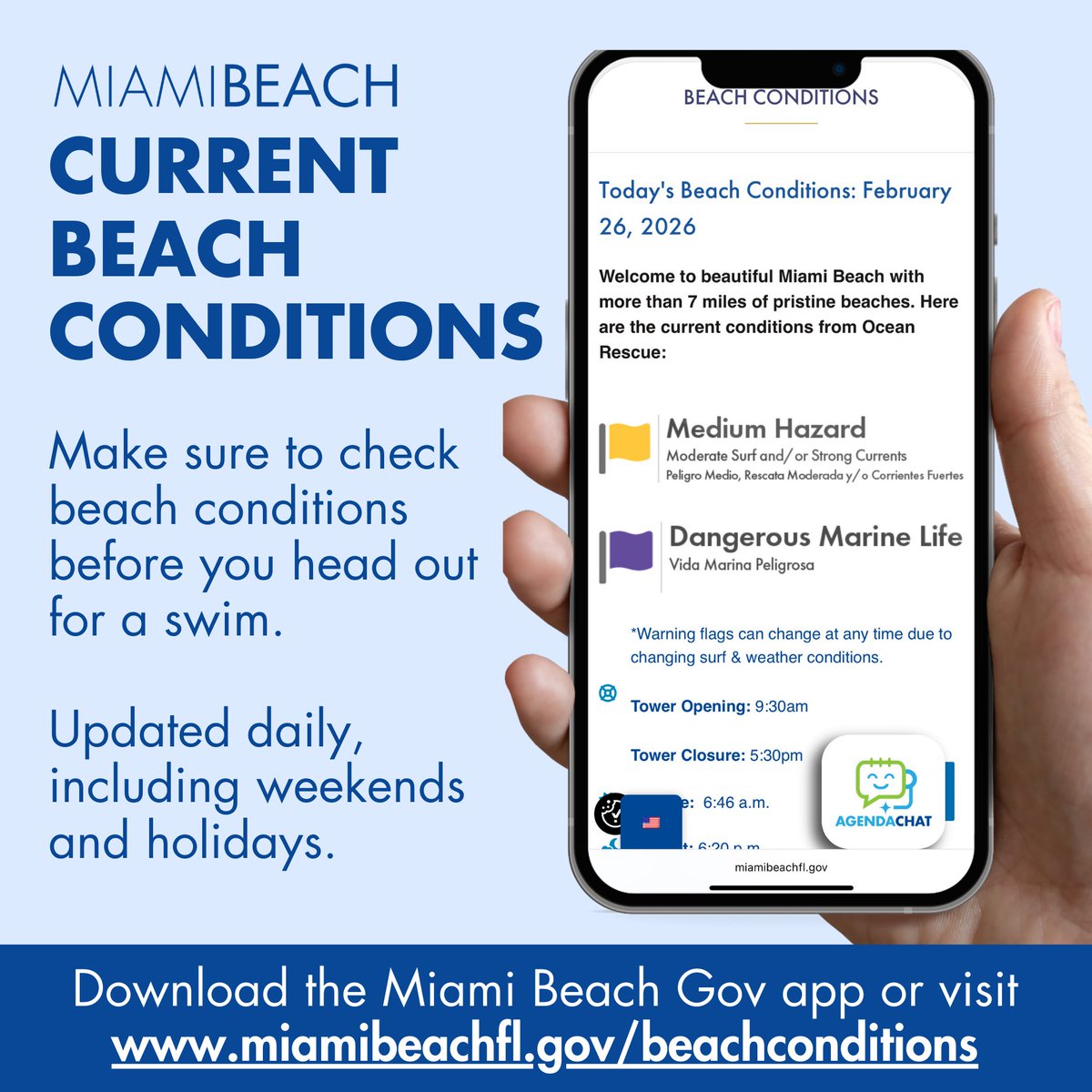
- Trusting apps 100%. Use them as a guide, but conditions can change quickly.
- Ignoring local knowledge. Talk to other surfers or lifeguards at the beach.
- Not checking cameras. Numbers can look good, but cams show reality—like crowds or fog.
- Missing tide changes. Some spots turn dangerous or unsurfable at certain tides.
Always combine app data with what you see and hear at the beach.
How To Choose The Best App For You
With so many options, how do you decide? Think about your needs:
- Do you want live cams? Choose Surfline or Swellnet.
- Need detailed wind info? Try Windy or Windguru.
- Just want something simple? Go for Surf Era or Magicseaweed.
- Surf in remote places? Buoyweather or Surf-Forecast is best.
Try a few apps and see which fits your style. Most experienced surfers use two or three for cross-checking.
For more about wave science and forecasting, see this resource: Wikipedia: Wind wave.
Frequently Asked Questions
What Is The Most Accurate Surf App?
Surfline and Magicseaweed are both considered very accurate because they use data from multiple sources, including live cameras and local reports. However, accuracy can vary by location, so it’s best to check more than one app.
Are Surf Apps Free To Use?
Most surf apps offer free versions with basic features like wave height and wind. Premium versions add live cams, long-range forecasts, and custom alerts, but casual surfers can get by with the free tools.
Can I Trust Surf Apps For Safety?
Surf apps are a good starting point for checking conditions, but the ocean can change quickly. Always check with local lifeguards and watch the water yourself before entering.
Do These Apps Work Worldwide?
Most apps like Surfline, Magicseaweed, and Surf-Forecast cover thousands of spots around the world. Some, like Swellnet, focus more on specific regions (e.g., Australia).
Which App Is Best For Beginners?
Magicseaweed and Surf Era have simple interfaces that are easy for beginners to use. They show the most important info clearly, without overwhelming you with data.
Catching the best waves is about timing, knowledge, and a little luck. With the right surf app in your pocket, you’ll be ready for whatever the ocean brings. Stay safe, have fun, and always respect the sea.
