Surfing is more than just a sport—it’s a way to connect with the ocean, test your balance, and enjoy nature. For many families and adventure seekers, the question comes up: What age can you start surfing? Some people picture only teenagers and adults riding waves, but kids as young as three or four can sometimes be seen with a surfboard on the beach. The truth is, there’s no single answer, because the right age depends on safety, physical ability, local conditions, and personal readiness.
Parents, beginners, and even older adults often wonder if there’s such thing as “too young” or “too old” for surfing. This guide will break down the factors that matter most, give real examples, and offer clear advice for anyone considering their first wave—no matter their age.
Understanding The Minimum Age For Surfing
People usually ask, “Is there a legal minimum age to start surfing?” The answer is no universal rule. Most surf schools and instructors, however, set their own guidelines based on safety and insurance policies. Let’s look at the common standards:
- Ages 3–5: Some surf schools offer “toddler surf lessons,” but these focus more on water confidence and basic board balance, often with a parent in the water.
- Ages 6–8: Many surf schools set age 6 as the minimum for solo lessons, as kids have developed better swimming skills and can follow instructions.
- Ages 9+: By this age, most kids are strong swimmers and can handle small waves with supervision.
| Age Range | Typical Lesson Type | Main Focus |
|---|---|---|
| 3–5 years | Parent-child | Water comfort, balance |
| 6–8 years | Small group/solo | Basic surfing, safety |
| 9+ years | Group or private | Wave riding, skill building |
Non-obvious insight: Age is less important than swimming ability and comfort in the water. Some six-year-olds are ready, while others need more time. Always prioritize safety over starting young.
Key Factors For Deciding The Right Age
Physical Development
Surfing requires balance, coordination, and core strength. Most children gain these skills between ages 6 and 8. Before that, their bodies are still developing, making it harder to paddle, stand, and steer the board.
Tip: Make sure your child can swim at least 25 meters without help and tread water for a minute. This is more important than their exact age.
Emotional Readiness
Surfing can be intimidating, especially for young kids. Fear of waves, deep water, or falling can hold back progress. Kids should be able to listen to instructions, stay calm in the water, and handle minor falls without panic.
Practical example: If your child loves playing in waves and tries bodyboarding or boogie boarding without fear, they’re often ready to try surfing.
Local Conditions
The safety of surfing changes depending on where you live. Warmer water, gentle waves, and lifeguard presence make for a better beginner environment. In cold, rough, or crowded spots, even older kids or adults may need extra caution.
Data point: The World Surf League recommends starting in small waves (1-2 feet high) on sand-bottomed beaches for maximum safety.

Surfing At Different Ages: What To Expect
Ages 3–5: Early Water Introduction
At this age, most children are not ready for true surfing. Instead, focus on water play and basic board games. Let them sit or lie on a foam board in shallow water, always with an adult holding the board.
- Keep sessions short (10–15 minutes)
- Use large, soft foam boards
- Never force a child who feels scared or cold
Ages 6–9: Beginning Real Surf Lessons
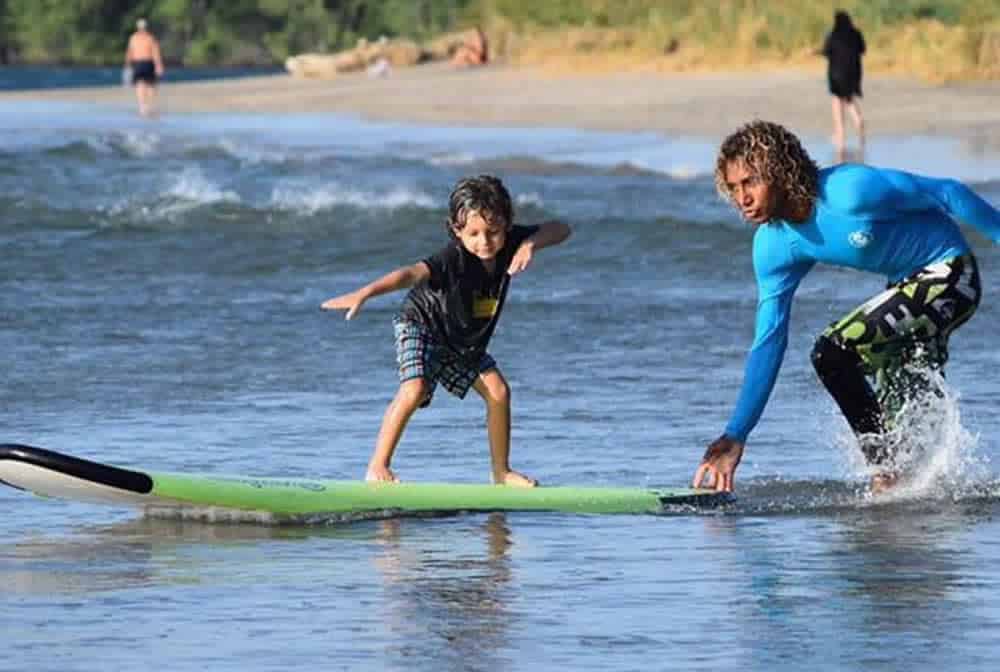
This is the most common starting age for surfing. Kids can join group lessons or work with an instructor. They usually start with foam boards, learning to paddle, pop up, and ride small whitewater waves.
Common mistake: Pushing kids into big waves too soon. Begin with knee-high waves and celebrate small successes.
Ages 10–14: Building Skills And Independence
At this age, children can paddle out further, try turning, and handle a variety of wave types. Some may want to join surf clubs or take part in beginner competitions.
- Focus on learning surf etiquette (who gets the wave, how to avoid collisions)
- Encourage independence, but always have adult supervision nearby
Non-obvious insight: Preteens are more likely to take risks. Remind them to respect their limits and avoid peer pressure in the surf.
Ages 15–18: Advancing To New Challenges
Teenagers can handle more powerful waves and longer sessions. They can experiment with different board types and even travel to new surf spots. This is when technique and style improve quickly.
- Consider advanced lessons or coaching
- Learn about surf forecasting and ocean safety
- Keep building strength and flexibility for better performance
Adults: It’s Never Too Late
Many people believe surfing is only for the young, but adults can learn at any age. While it might take more time to develop balance and paddle strength, the rewards are just as great.
Example: There are surf schools that specialize in teaching adults aged 40, 50, or even 60+. These programs focus on comfort, fun, and gradual skill-building.
Tip: Choose beginner-friendly spots, use a larger board, and don’t compare your progress with younger surfers.
Health And Safety Considerations
Swimming Skills
No matter your age, strong swimming is the most important requirement for surfing. You should be able to swim in open water, not just a pool.
Recommendation: Practice swimming in the ocean before your first surf lesson. Waves, currents, and saltwater are very different from a calm swimming pool.
Equipment Choice
The right surfboard can make a big difference for beginners. For young kids, use extra-wide, soft foam boards. These are easier to balance and safer if a fall happens.
| Age | Recommended Board | Why? |
|---|---|---|
| 3–8 years | Soft-top, 6–8 ft | Stability, safety |
| 9–14 years | Soft-top, 7–9 ft | More control, easy paddling |
| 15+ | Soft or hard-top, 8+ ft | Better maneuvering |
Supervision And Instruction
Young children and beginners should always surf with a trained instructor or responsible adult. Formal surf schools have safety plans, trained lifeguards, and suitable equipment.
Warning: Avoid solo surfing until you are comfortable handling wipeouts, currents, and changing ocean conditions.
Sun And Cold Protection
Surfing means spending hours in the sun or cold water. For kids, sunburn and hypothermia are real risks. Always use waterproof sunscreen, rash guards, and wetsuits in colder water.
Statistics: Up to 80% of lifetime sun exposure happens before age 18. Protecting young skin reduces the risk of skin cancer later in life.
How To Prepare For Surfing At Any Age
Building Confidence In The Water
Before getting on a surfboard, spend time swimming and playing in the waves. Try bodysurfing or using a boogie board to get used to ocean movement.
Practical tip: Practice floating on your back and ducking under waves. These skills help if you fall off the board.
Choosing The Right Surf School
Not all surf schools are equal. Look for:
- Certified, experienced instructors
- Small class sizes for more attention
- Good safety record and clear lesson plans
- Proper equipment for your age and size
Non-obvious mistake: Some families choose the cheapest school, but you get what you pay for. Quality instruction makes a big difference in safety and fun.
Setting Realistic Expectations
Surfing has a learning curve. Most people don’t stand up and ride a wave on their first day. Celebrate small wins, like catching a wave on your stomach or paddling out alone.
Example: On average, it takes 3–5 lessons for a child or adult to stand up and ride a small wave.
Staying Safe In The Ocean
Learn basic ocean safety rules:
- Always surf with a buddy
- Check the weather and wave conditions
- Know your limits—don’t go out if the waves look too big
- Listen to lifeguards and instructors
Surfing For Children With Special Needs
Surfing can be adapted for children with physical or learning challenges. Many surf schools now offer adaptive surfing lessons, using special boards and extra support.
Insight: Water therapy can boost confidence, improve balance, and offer fun for children who may not enjoy traditional sports.
Organizations like the International Surfing Association promote inclusive surfing for all ages and abilities. For more, see the Adaptive Surfing England page.

Comparing Surfing Start Ages Around The World
Surf culture is strong in countries like Australia, the USA, Brazil, and South Africa. Local attitudes and access to the ocean affect the starting age.
| Country | Common Starting Age | Notes |
|---|---|---|
| Australia | 5–7 years | Widespread beach culture |
| USA (California, Hawaii) | 6–8 years | Many surf schools for kids |
| Brazil | 7–9 years | Warm water, family surfing |
| UK | 8–10 years | Colder water, fewer surf days |
In some places, kids learn to surf as soon as they can walk. In colder or less developed surf regions, the starting age is often higher.
Is There A Maximum Age To Start Surfing?
There is no official upper age limit for learning to surf. As long as you are healthy, can swim, and feel comfortable in the ocean, you can start at any age—even in your 60s or 70s.
Example: The “Silver Surfers” community in Australia is for surfers aged 50 and above, showing that age is truly just a number.
Health tip: Get a basic health check before starting, especially if you have heart, joint, or mobility issues.
Frequently Asked Questions
Can A 3-year-old Really Learn To Surf?
Most three-year-olds are not ready for real surfing. However, they can enjoy playing on foam boards in shallow water with a parent’s help. Focus on water safety and fun, not riding waves alone.
Is Surfing Dangerous For Young Kids?
Surfing has risks, but with proper supervision, safety gear, and suitable waves, it’s as safe as other water sports. Choose beaches with lifeguards and always stay close to your child.
Do I Need To Buy A Surfboard Before My First Lesson?
No. Most surf schools provide the right board and wetsuit for your age and size. It’s better to try lessons first, then buy equipment once you know what works for you.
How Long Does It Take To Learn Surfing Basics?
Most beginners need 3–5 lessons to stand up and ride a small wave. Progress depends on your fitness, comfort in water, and how often you practice.
What If I’m Afraid Of Waves Or The Ocean?
Start slow. Spend time playing in the waves, practice swimming, and take lessons with a patient instructor. Confidence grows with experience—don’t rush the process.
Surfing is a lifelong sport that welcomes all ages. The right time to start is when you feel ready, safe, and excited to learn. Whether you’re a parent helping a child or an adult chasing a new adventure, the ocean is waiting.
With the right preparation and attitude, you can enjoy surfing at any age.
