Paddle boarding gives you the chance to glide over water and enjoy nature. But before you start, you need to inflate your board. This is where the paddle board pump and its accessories become important. The right accessories make inflating your board easier, safer, and more comfortable. Many new paddle board owners are surprised by how many small items are involved, and how each one serves a purpose. Understanding each accessory helps you avoid mistakes and enjoy your time on the water.
If you buy a paddle board pump—either as part of a kit or as a single item—it often comes with extra parts. These can include hoses, adapters, gauges, and even repair kits. Not all pumps come with the same accessories, so knowing what to expect can help you make a smart choice and avoid frustration at the water’s edge.
Let’s explore every accessory that may come with a paddle board pump, explain what they do, and share insights that most beginners miss.
Main Accessories Included With A Paddle Board Pump
1. Inflation Hose
Every paddle board pump will include an inflation hose. This is the flexible tube that connects the pump body to the valve on your paddle board. High-quality hoses are usually made from reinforced plastic or rubber. The length matters—if the hose is too short, you may need to bend over uncomfortably while pumping. Some hoses have extra flexibility to prevent kinking.
A key detail beginners often overlook is that paddle board hoses can have different fittings at each end. The end that attaches to the pump might be threaded, while the valve end usually has a twist-lock or push-on connector. If you lose or damage your hose, finding a replacement that fits both your pump and your board can be challenging.
2. Valve Adapters
Not every inflatable paddle board uses the same valve type. The valve adapter connects your pump hose to the board’s valve. The most common type for paddle boards is the Halkey-Roberts (HR) valve. However, you may find other valves like Boston or Leafield, especially on kayaks or inflatable boats.
Most paddle board pumps include at least one universal adapter. Some kits include several adapters to fit different brands. Having extra adapters is helpful if you have multiple inflatables, but be sure to check your board’s valve before heading out.
It’s also wise to keep your main adapter attached to the hose, as these small pieces are easy to lose.
3. Pressure Gauge
Paddle boards need to be inflated to a specific pressure, usually between 12-18 PSI. Too little air and the board will sag; too much can damage the seams. A pressure gauge is often built into the pump, but some pumps include a separate, attachable gauge.
A good pressure gauge is easy to read and accurate. Some cheaper gauges only start to show pressure above 7 PSI, which can be confusing for beginners. If you have a board that needs lower pressure, make sure your gauge can measure it.
Using the wrong pressure can affect your board’s performance and even void your warranty.
4. Deflation Capabilities
While not a physical accessory, some pumps come with a deflation function. This allows you to remove air from your board, making it easier to pack up. For pumps with this feature, the accessory will usually be an extra hose port or a specific adapter for deflating.
Many beginners don’t realize how much easier it is to roll up a completely deflated board. If your pump supports deflation, always use it before packing your board for storage.
5. Carry Bag Or Storage Pouch
It’s common for paddle board pumps to come with a carry bag or small storage pouch. This bag keeps all your accessories together and protects them from sand, dirt, and sun. The best bags are made from waterproof or quick-dry materials, with a zipper or drawstring closure.
A practical tip: Always pack your pump and accessories back in the bag after use. Small parts like adapters and gauges are easy to misplace, especially on a busy beach.
6. Spare Seals And O-rings
Seals and O-rings are small rubber parts that fit between the valve and the adapter or hose. They prevent air from leaking out during inflation. Some pump kits include a few spare O-rings. If you lose or damage one, you’ll be glad to have a spare on hand.
A missing O-ring is a common reason a pump won’t build pressure. If your pump starts hissing or won’t inflate, check these seals first.
7. Repair Kit
A repair kit is sometimes bundled with paddle board pumps, especially in all-in-one packages. This kit usually includes adhesive patches, a small tube of glue, and sometimes a valve wrench. The repair kit is mainly for fixing small punctures in your board, but having it with your pump is convenient.
Some board warranties require you to use the included repair kit for minor damage, so keep it in your bag. Always check that the glue hasn’t dried out, especially if you don’t use your board often.
8. User Manual Or Instruction Sheet
While not a physical tool, a user manual or instruction sheet is a valuable accessory. It explains how to assemble the pump, use the adapters, and check the pressure. Good manuals also include troubleshooting tips and maintenance advice.
Many people ignore the manual, but reading it can help you avoid damaging your board or pump. For example, some pumps must be lubricated periodically, or certain adapters can break if forced.
9. Electric Pump Power Cables
If you have an electric paddle board pump, you’ll receive power cables. These can include a 12V car adapter, alligator clips for a battery, or even a wall charger. Some electric pumps also come with extension cables for convenience.
Not all power cables are the same. Check the length and compatibility with your power source. If you plan to use your pump far from your car, an extension cable or battery pack is essential.
10. Extra Nozzle Tips
Some pumps provide extra nozzle tips for inflating items other than paddle boards, such as inflatable kayaks, air mattresses, or pool toys. These tips increase the pump’s versatility.
Before using a nozzle tip, make sure it fits tightly and won’t pop off under pressure. If you plan to use your pump for multiple products, keep all the tips together to avoid confusion.
Comparison: Manual Vs. Electric Paddle Board Pump Accessories
The accessories included with your pump can differ depending on whether you choose a manual or electric model. Here’s a comparison:
| Accessory | Manual Pump | Electric Pump |
|---|---|---|
| Inflation Hose | Yes | Yes |
| Valve Adapters | Yes | Yes |
| Pressure Gauge | Usually | Always |
| Power Cable | No | Yes |
| Carry Bag | Sometimes | Sometimes |
| Repair Kit | Sometimes | Rarely |
Manual pumps are simpler and have fewer electrical parts to worry about. Electric pumps add convenience but require power and may come with more cables.
Additional Accessories You Might Need
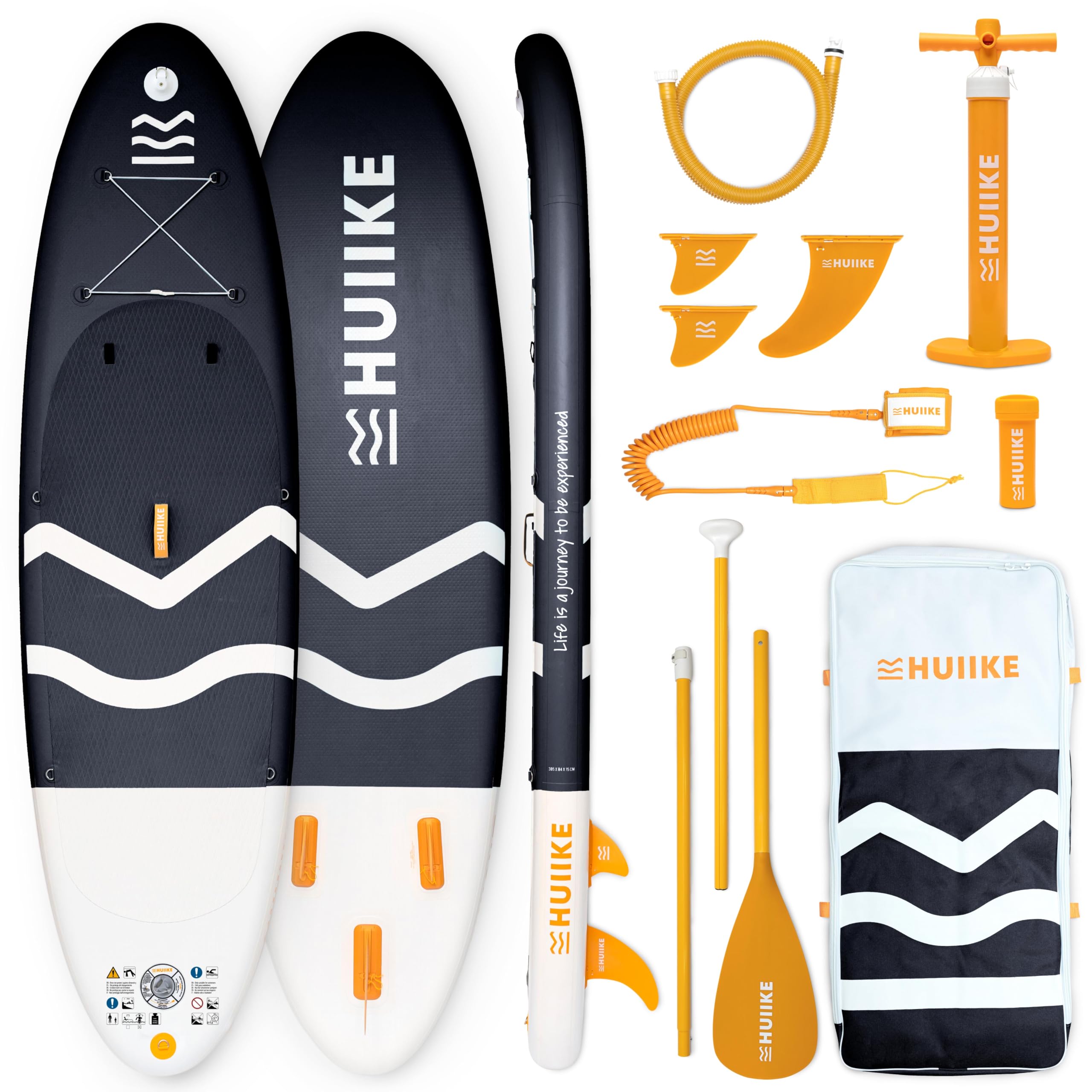
While most paddle board pump kits cover the basics, there are some optional accessories you might want to consider:
- Extension Hoses: Useful if your pump hose is too short.
- Digital Pressure Gauge: Offers more accurate readings than analog gauges.
- Waterproof Storage Box: Keeps small parts dry and safe.
- Valve Lubricant: Maintains seals and prevents leaks.
- Portable Battery Pack: For electric pumps when you’re far from a car or outlet.
These items are not usually included, but they can make your paddle boarding experience smoother.
Common Mistakes And How To Avoid Them
Many paddle board owners face problems because they don’t understand their pump accessories. Here are some common errors:
- Losing adapters or O-rings: These are small and easy to misplace. Always store them in your carry bag.
- Using the wrong adapter: Forcing the wrong adapter can damage your valve. Double-check compatibility before inflating.
- Inflating to the wrong pressure: Not using the pressure gauge can lead to a soft or damaged board. Always check the PSI.
- Ignoring the manual: Skipping instructions can lead to mistakes and even void your warranty.
A practical tip: Before each trip, check your accessories and do a quick test inflation if you haven’t used your pump in a while.
Real-world Example: What’s Included In Popular Paddle Board Pump Kits
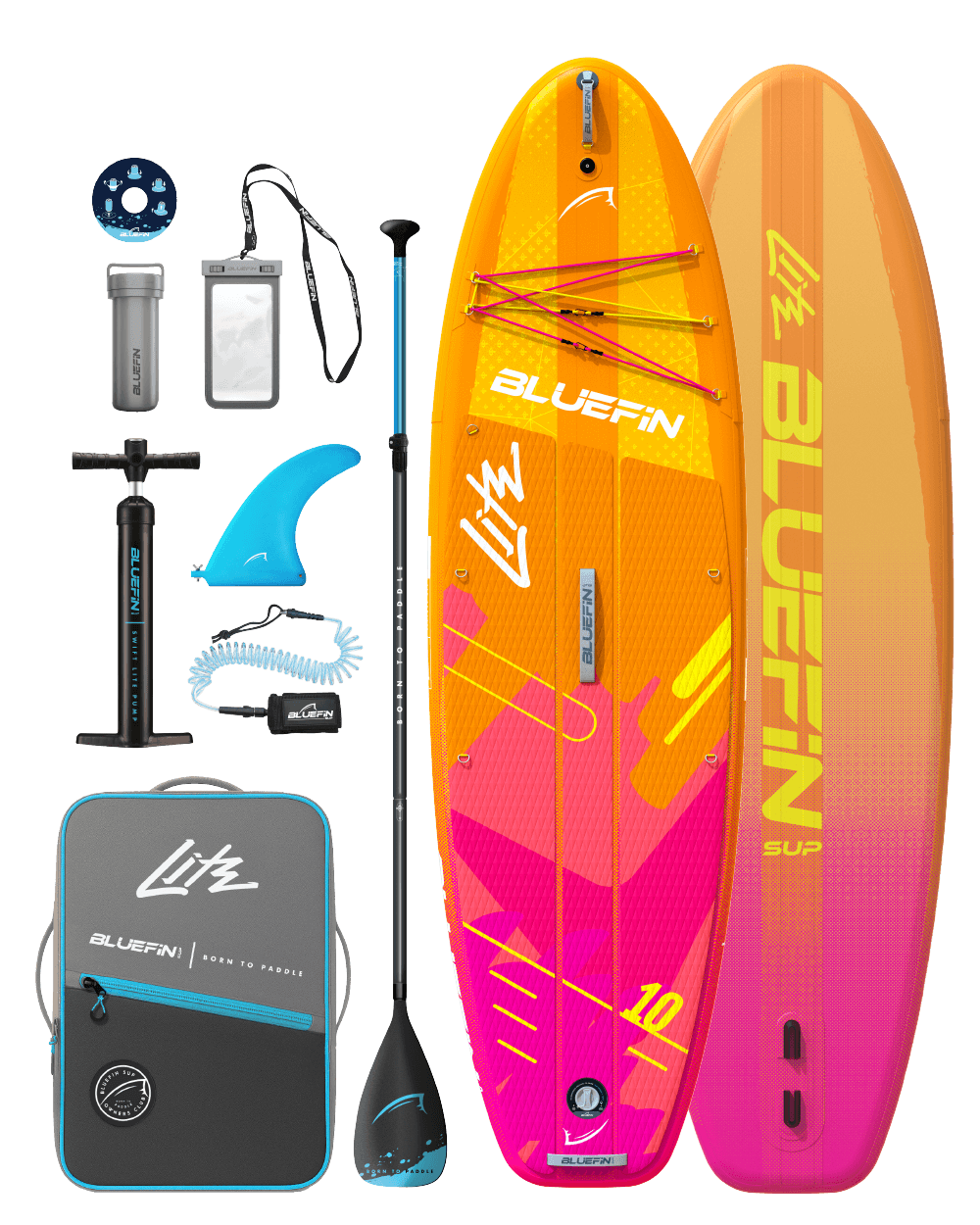
Let’s compare what you might get in a pump kit from three popular brands.
| Brand | Manual Pump Kit | Electric Pump Kit |
|---|---|---|
| Red Paddle Co | Inflation hose, HR adapter, analog gauge, carry bag, O-rings | Inflation hose, HR adapter, digital gauge, 12V car cable, storage pouch |
| iROCKER | Inflation hose, HR adapter, analog gauge, repair kit | Inflation hose, HR adapter, digital gauge, car cable, extension tips |
| SereneLife | Inflation hose, HR adapter, analog gauge, carry bag | Inflation hose, HR adapter, digital gauge, 12V cable, carry bag |
This shows that kits can vary, even among top brands. Always read the product details before buying.
Tips For Keeping Your Pump Accessories In Good Condition
- Rinse after use: Sand and salt can damage hoses and seals. Rinse all parts with fresh water after each trip.
- Dry before storage: Pack accessories only after they’re dry to prevent mold and corrosion.
- Check regularly: Look for cracks in hoses, worn O-rings, and sticky gauges.
- Replace as needed: Spare parts are available from most manufacturers.
A well-maintained pump and accessories can last for years and prevent last-minute problems.
Why The Right Accessories Matter
Having the correct accessories with your paddle board pump is more than a convenience—it’s a necessity. The right hose, adapter, and gauge ensure your board is inflated safely and efficiently. Small items like O-rings and repair kits can save your day if something goes wrong.
If you use an electric pump, reliable power cables are essential. Skipping or losing even a small part can turn a fun outing into a headache.
One detail even some experienced paddlers miss: Not all accessories are interchangeable between brands. Even if two pumps look similar, their hoses or adapters might not fit each other. Always check compatibility before buying replacements or upgrades.
For further details on paddle board equipment standards, check the guidelines from the International Surfing Association.
Frequently Asked Questions
What Is The Most Important Accessory To Check Before Going Out?
The valve adapter is the most important. Without it, you cannot connect the pump to your paddle board. Always double-check you have the correct adapter before leaving home.
Can I Use Any Pump With My Paddle Board?
Not all pumps are compatible with every paddle board. The valve type and pressure requirements matter. Make sure your pump supports your board’s valve and can reach the needed PSI.
What Pressure Should I Inflate My Paddle Board To?
Most paddle boards need to be inflated to 12-18 PSI. Check your board’s instructions for the recommended PSI and use a pressure gauge for accuracy.
How Do I Know If My Pump Accessories Are Worn Out?
Check for cracks, leaks, or loose fittings in the hose and adapters. If you hear hissing or the board deflates quickly, inspect O-rings and seals. Replace any damaged parts right away.
Are Electric Pumps Better Than Manual Pumps?
Electric pumps are faster and require less effort, but they need a power source and can be heavier. Manual pumps are simple and reliable but require more physical work. Choose based on your needs and how often you paddle.
With the right accessories, your paddle board pump will serve you well for many seasons. Take care of each part, and you’ll spend more time enjoying the water and less time dealing with equipment problems.