
Are you curious about how much electricity your walking pad uses? Understanding the power consumption of your walking pad can help you save money and make smarter choices.
Whether you use it daily or just now and then, knowing the energy it takes can impact your bills and your workout routine. You’ll discover simple facts about walking pad power consumption and easy tips to keep your energy use low without sacrificing your fitness goals.
Keep reading to find out how to get the most from your walking pad while staying energy-wise.
Walking Pad Energy Use
Understanding the energy use of a walking pad helps you manage electricity costs. Walking pads offer a simple way to exercise indoors. They are small and easy to use. Knowing how much power they consume is important for your budget and environment.
Average Power Consumption
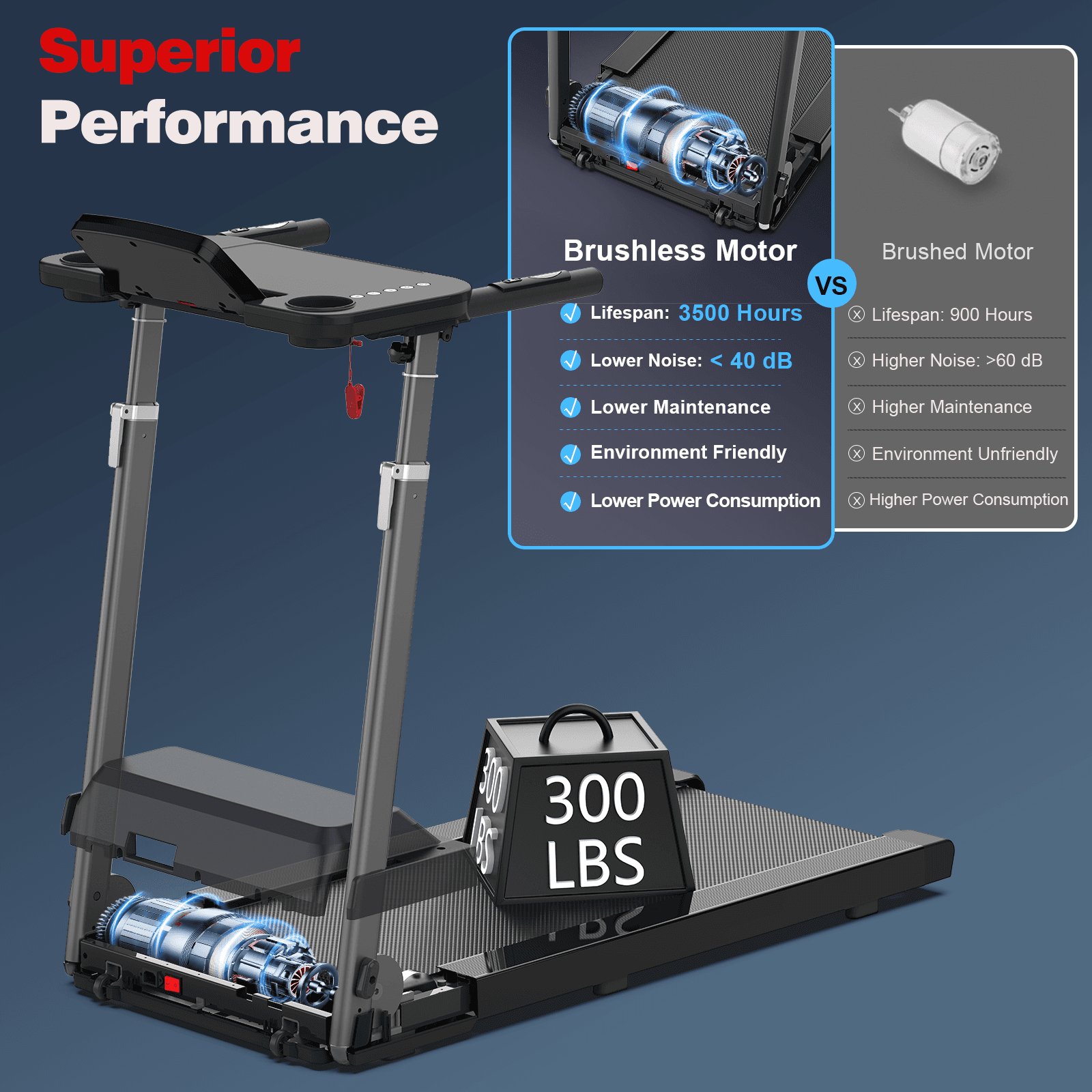
Most walking pads use between 200 and 500 watts. This depends on the model and speed settings. On average, a walking pad uses about 300 watts at normal speed. This is less than many home appliances.
Running a walking pad for one hour uses roughly 0.3 kilowatt-hours (kWh). This means it costs only a few cents per hour to run. The exact cost varies by your electricity rate.
Factors Affecting Energy Use
Speed is a major factor in power use. Higher speeds need more energy. Using the walking pad at a slow pace saves power.
User weight also affects energy use. Heavier users require more power for movement. The incline level, if available, increases power consumption too.
Other elements include motor efficiency and device age. Newer models tend to use energy better. Proper maintenance helps keep energy use low.

Energy-saving Features
Energy-saving features make walking pads more efficient and friendly to your electric bill. These features help reduce power use without affecting your workout. They also extend the device’s life and lower electricity costs.
Manufacturers add smart functions that adjust power based on your activity. This way, the machine uses only the energy it needs.
Eco Mode Benefits
Eco Mode lowers the walking pad’s energy use by adjusting speed and power. It keeps the device running smoothly but uses less electricity. This mode suits light workouts or slow walking sessions. You save power while still getting a good exercise.
Using Eco Mode regularly can cut your energy consumption significantly. It also reduces heat, which helps protect the motor and other parts.
Automatic Shutoff Function
The automatic shutoff turns the walking pad off after no use. This stops wasting electricity if you forget to turn it off. It protects the machine from running too long without need.
This feature adds safety and saves power. It is helpful for busy people who might get distracted easily. The walking pad only uses energy when you are active.
Optimizing Walking Pad Settings
Optimizing your walking pad settings can help reduce power use and improve performance. Small changes in speed and incline affect energy consumption. Proper care keeps the device running smoothly for longer. These simple tips save electricity and extend your walking pad’s life.
Adjusting Speed And Incline
Lower speeds use less power. Walking at a steady, moderate pace saves energy. High speeds drain the battery faster. Incline raises the challenge but increases power use. Keep the incline low for daily use to cut power consumption. Balance your workout goals with energy savings.
Proper Maintenance Tips
Clean the walking pad regularly. Dust and debris make the motor work harder. Check belt tension to avoid extra strain. Lubricate the belt as recommended by the manufacturer. Tighten loose parts to prevent damage. Regular maintenance keeps power use low and performance high.
Comparing Energy Efficiency
Energy use matters when choosing exercise equipment. It affects electricity bills and environmental impact. Walking pads and traditional treadmills differ in power consumption. Knowing these differences helps you pick the best option.
Small changes in energy use add up over time. This section compares walking pads and traditional treadmills. It also explains the importance of Energy Star ratings for energy efficiency.
Walking Pad Vs Traditional Treadmills
Walking pads use less power than traditional treadmills. They have smaller motors and simpler designs. Walking pads often consume between 100 and 300 watts. Traditional treadmills can use 600 watts or more.
Walking pads run quietly and need less electricity. Traditional treadmills offer more features but use more energy. If energy saving is a priority, walking pads are a better choice. They help reduce electricity use without losing exercise benefits.
Energy Star Ratings
Energy Star labels show how efficient an appliance is. Many treadmills have Energy Star ratings to guide buyers. These ratings mean the machine meets energy-saving standards. Walking pads may not always have Energy Star labels yet.
Choosing equipment with an Energy Star rating can lower power costs. It also supports eco-friendly choices. Check for this rating when buying treadmills to ensure better energy performance.
Additional Energy Saving Tips
Saving energy while using a walking pad helps reduce electricity bills. Small changes in how you use the device make a big difference. This section shares extra tips to lower power use without losing workout quality.
Smart Usage Habits
Turn off the walking pad when not in use. Avoid leaving it on standby for long times. Use short sessions instead of long, continuous ones. Adjust speed to a moderate level; higher speeds use more power. Clean the walking pad regularly to keep it running smoothly. A well-maintained machine uses less electricity.
Power Source Considerations
Plug the walking pad directly into a wall outlet. Avoid power strips or extension cords that waste energy. Use energy-efficient power outlets or smart plugs to monitor usage. Consider using renewable energy sources like solar panels if possible. Check the power rating of your walking pad to match it with the right outlet. This prevents power loss and saves energy.

Frequently Asked Questions
How Much Power Does A Walking Pad Consume?
A walking pad typically consumes 150 to 300 watts per hour. Power use varies by model and speed settings. Lower speeds use less energy, while higher speeds increase consumption. This makes walking pads energy-efficient compared to other fitness machines.
Can Walking Pad Power Consumption Affect Electricity Bills?
Yes, but the impact is minimal. Using a walking pad for one hour daily adds about 0. 15 to 0. 3 kWh. This small increase results in only a few cents extra on monthly electricity bills, making it an affordable fitness option.
Does Walking Speed Influence Power Consumption?
Yes, walking speed directly affects power use. Higher speeds require more motor effort, increasing power consumption. Slower speeds reduce energy use, making the walking pad more efficient when used at a gentle pace.
Are Walking Pads More Energy-efficient Than Treadmills?
Generally, yes. Walking pads use less power than traditional treadmills due to smaller motors and compact design. They consume about 150-300 watts, while treadmills can use 600-1000 watts, making walking pads better for energy savings.
Conclusion
Walking pads use low power, making them energy-friendly. They cost less to run than many home appliances. Knowing power use helps you save on electricity bills. Small size and efficiency make them great for daily exercise. Choose a walking pad that fits your needs and budget.
Keep your workouts simple and power use minimal. Enjoy healthy habits without worrying about high energy costs. A smart choice for fitness and savings.
