
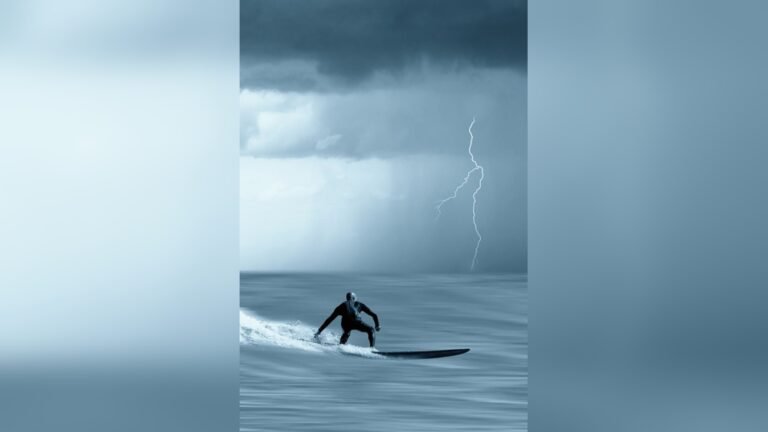
When dark clouds gather and winds whip up the sea, many people think of staying safe indoors. But for some surfers, the idea of riding waves during a storm is both exciting and tempting. Is surfing possible during storms? The answer is not as simple as yes or no.
Storm surfing is a complex topic, filled with both risks and rewards. Understanding the details is important if you want to stay safe and make smart choices. In this guide, you’ll discover the science behind storm waves, what makes storm surfing different, dangers to watch for, and how to prepare if you ever consider paddling out in wild weather.
What Happens To The Ocean During A Storm?
Storms have a huge effect on the ocean. When strong winds blow over the sea, they create bigger and more powerful waves. The wind speed, how long it blows, and the distance it travels over water (called “fetch”) all combine to make the waves larger and more chaotic. Storms also change water currents and can cause dangerous rip currents.
For example, after a major storm, wave heights can double or even triple compared to normal days. In 2020, the famous Hurricane Teddy created waves over 25 feet (7.6 meters) tall on the East Coast of the United States. While this may sound perfect for thrill-seekers, these waves are often messy, unpredictable, and hard to surf.
Surfing During Storms: Is It Possible?
Yes, surfing is possible during storms. But possible does not mean safe or recommended. The experience is very different from regular surfing. Here’s how storm surfing compares to normal surfing:
| Condition | Normal Day | During Storm |
|---|---|---|
| Wave Shape | Clean, organized | Choppy, irregular |
| Wind | Light or moderate | Strong, gusty |
| Visibility | Clear | Poor, sometimes dangerous |
| Safety | Predictable | High risk, unpredictable |
| Crowds | Can be crowded | Usually empty |
As you can see, storm surfing brings bigger but messier waves, much stronger winds, and increased danger. While some expert surfers chase these conditions, beginners and even many advanced surfers often choose to wait until after the storm passes.
Main Dangers Of Surfing During Storms
Storm surfing is risky. Here are the main dangers to know about:
1. Strong Rip Currents
Storms create powerful rip currents that can drag even experienced swimmers far from shore in seconds. These currents are hard to see and even harder to escape.
2. Unpredictable Waves
Waves become less organized. Sets can be huge and come without warning. This means more risk of being caught inside or hit by a large wave unexpectedly.
3. Debris In Water
Storms wash tree branches, trash, and even dangerous objects into the sea. Colliding with debris can cause injury.
4. Lightning
Surfing during a thunderstorm is extremely dangerous. Water conducts electricity. Surfers are at serious risk if lightning strikes nearby.
5. Poor Visibility
Rain, wind, and spray can make it hard to see other surfers, hazards, or even the shore.
6. Hypothermia
Storms often bring cold air and water. Long sessions in these conditions can lead to hypothermia if you’re not wearing the right gear.
7. Limited Rescue Options
Lifeguards may not be on duty during storms. Emergency services can be delayed or unable to reach you.
8. Shifting Sandbars And Changing Conditions
Storms can change the shape of the ocean floor. Waves might break in new places, creating unexpected hazards.
9. Overconfidence
Some surfers feel excited by the challenge and ignore warnings. Overestimating your skills in stormy conditions is a common mistake.
When Do Surfers Actually Surf Storm Waves?
Most surfers do not paddle out during the peak of a storm. Instead, experienced surfers often wait until just after the storm passes, when the wind calms down but the waves are still large. This window is called the “post-storm session.”
Why Surf After The Storm, Not During?
- Winds switch direction and become “offshore,” which helps create cleaner, better-shaped waves.
- Visibility improves, making it easier to spot hazards and other surfers.
- Rescue services are more likely to be available again.
Many of the iconic big wave photos you see are actually from the hours or days just after a storm, not in the middle of it.

Who Can Surf Storm Waves Safely?
Storm surfing is not for everyone. Here’s how surfers generally fit into the risk categories:
| Experience Level | Storm Surfing Suitability |
|---|---|
| Beginner | Not suitable; high danger |
| Intermediate | Should avoid; unpredictable conditions |
| Advanced | Possible with caution; must know the spot well |
| Expert/Professional | Can attempt; usually with support and safety teams |
Even for experts, storm surfing requires special training, equipment, and support. Many use jet skis for rescues and wear flotation vests.
Essential Gear For Storm Surfing
If you are an advanced surfer and are considering storm surfing, special gear can help reduce risk:
- Thicker wetsuit for warmth
- Leash in excellent condition
- Helmet to protect from debris and wipeouts
- Impact vest or flotation jacket
- Surfboard with strong fins
- Bright rash guard for visibility
- Waterproof communication device (such as a marine radio or waterproof phone case)
Two non-obvious tips:
First, always check your leash before going out. Storm waves can snap old or weak leashes quickly, leaving you stranded. Second, bring a friend or let someone know exactly where you’ll be. Solo storm surfing is especially dangerous.
How To Prepare For Storm Surfing
Preparation is key if you decide to surf during or just after a storm. Here’s a practical step-by-step plan:
1. Check Weather And Surf Reports
Use trusted sources to watch wind speed, wave height, and storm path. Avoid “nowcasting” apps that may not update fast enough during storms.
2. Understand Local Hazards
Learn about your beach’s sandbars, rocks, and rip currents. Storms may create new dangers overnight.
3. Gear Up Properly
Double-check all your equipment for damage. Wear extra safety gear as mentioned above.
4. Go With A Group
Never surf alone during storms. Bring experienced friends and keep an eye on each other.
5. Set Limits
Decide your “no-go” conditions before reaching the beach. For example, if waves are over a certain height or if lightning is nearby, don’t paddle out.
6. Have An Exit Plan
Know where you can safely exit the water if things go wrong. Make sure you can reach the shore without crossing dangerous currents.
Common Mistakes When Surfing During Storms
Many surfers, especially those new to storm waves, make similar mistakes:
- Underestimating the power of storm waves
- Ignoring red flags or beach closure signs
- Surfing alone without support
- Not checking for debris or new hazards after the storm
- Choosing the wrong board (too small or too weak for heavy surf)
- Overstaying in the water as conditions worsen
- Not warming up properly in cold weather
These errors can turn a fun session into a dangerous rescue situation.
Real-world Examples Of Storm Surfing
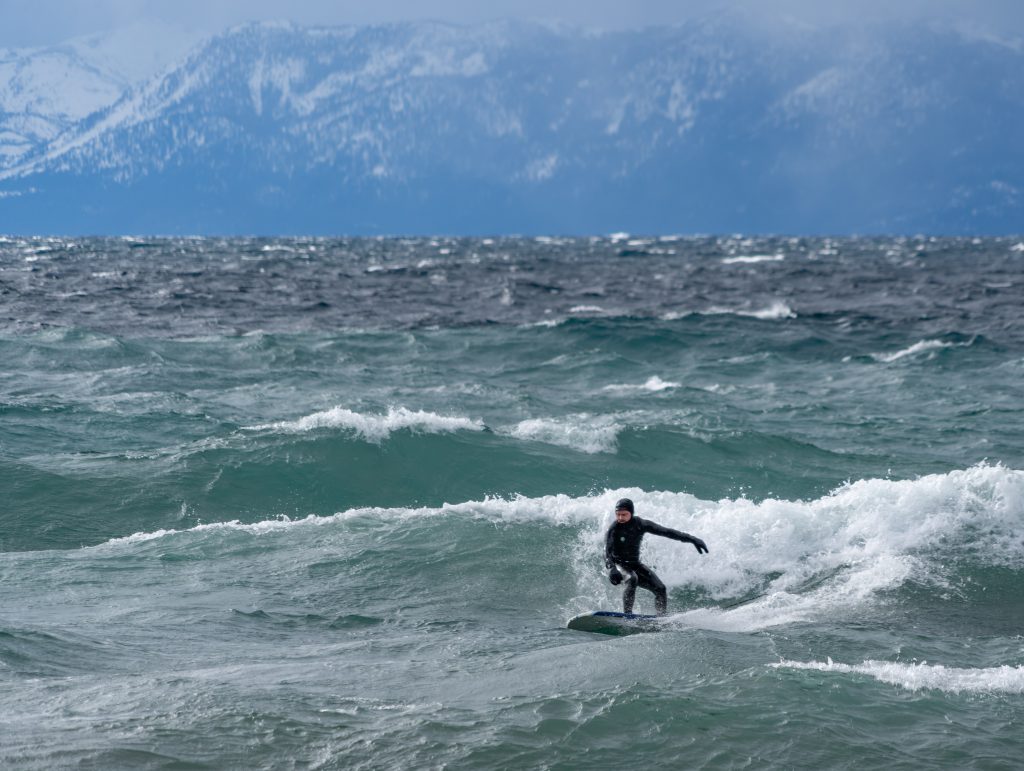
Many famous big wave surf spots, such as Mavericks in California or Nazare in Portugal, come alive after storms. Top-level surfers wait for these swells for months. In 2018, a swell after Storm Eleanor sent record-breaking waves to Nazare. Only a handful of surfers paddled out, all supported by jet skis and rescue teams.
But even experienced surfers have been injured or lost their lives in storm surf. In 2011, world-class surfer Sion Milosky drowned at Mavericks during a storm-driven swell, despite his skill and preparation. This shows that storm surfing always carries real risks, no matter your level.
How Storms Influence Surfing Culture
Storms have shaped surfing history. Some of the best photos and surf films were made after wild weather. The thrill of chasing “the perfect storm” draws many to the sport’s edge. But the culture also respects the ocean’s power. Local surfers often help each other stay safe and rescue those in trouble.
Storm surfing has also led to new gear, better forecasting, and the rise of big wave competitions. Today, live broadcasts of storm-driven swells attract millions of viewers worldwide.
Environmental Impact Of Storm Surfing
It’s easy to forget that storms not only change the waves but also affect the beaches and ocean life. After storms, beaches can be covered with trash and natural debris. Surfers can help by organizing beach cleanups after big weather events. This keeps the surf environment healthy for everyone.
Also, heavy storm surf can erode beaches and damage coral reefs. Surfers are often among the first to notice these changes and report them to local authorities.
Should You Surf During A Storm?
If you are not a highly experienced surfer with special training and equipment, the answer is clear: Do not surf during storms. The risks are too high. Instead, watch the storm from safety and wait for the waves to improve after the weather passes.
If you have the skills and the right team, storm surfing can be a thrilling but dangerous adventure. Always put safety first and respect the power of the ocean.
For more on ocean safety and storm science, visit the NOAA Ocean Service.
Frequently Asked Questions
What Is The Biggest Danger Of Surfing During Storms?
The biggest danger is strong rip currents, which can pull surfers far from shore quickly. These are much more powerful during storms and hard to escape.
Can Beginners Surf During Storms With A Group?
No. Even with a group, beginners do not have the skills to handle storm waves, strong currents, and unpredictable conditions. It’s best to wait for calmer days.
Are There Any Benefits To Surfing After A Storm?
Yes. After a storm, the wind often shifts, and waves become bigger and cleaner. This can create excellent surfing conditions for skilled surfers.
How Do You Know If It’s Safe To Surf After A Storm?
Check local surf reports, talk to lifeguards, and look for hazards like debris and rip currents. If in doubt, wait until you see experienced locals in the water.
Is It Possible To Get Struck By Lightning While Surfing?
Yes, it is possible. Surfing during a thunderstorm is very dangerous because water conducts electricity. If you hear thunder, leave the water immediately.
Whether you are new to surfing or have years of experience, understanding the risks and rewards of storm surfing is essential. The ocean is always powerful, but during storms, it demands even more respect. Making smart, informed choices is the key to enjoying the waves and coming home safe.
