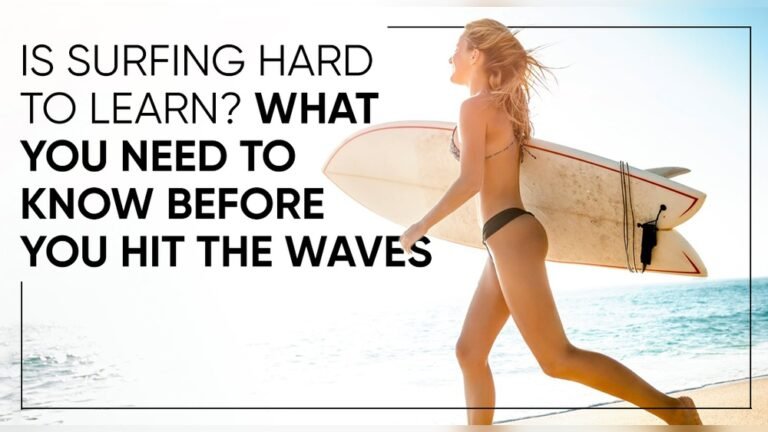
Is Surfing Hard To Learn?
Standing on a surfboard, gliding across a sparkling wave, looks effortless when you watch skilled surfers. But for most beginners, learning to surf is not as easy as it seems. You might wonder, is surfing hard to learn, or can anyone master it with enough practice? Many people are attracted by the thrill and beauty of surfing, but they quickly discover it is both challenging and rewarding. If you are thinking about starting this sport, it is important to understand what makes surfing difficult, what skills you need, and how you can make learning easier. This article will give you an honest look at the journey, the obstacles, and the satisfaction that comes with learning how to surf.
What Makes Surfing Challenging?
Several factors make surfing hard to learn for most beginners. Unlike sports played on solid ground, surfing happens in a changing environment—the ocean. Waves are never exactly the same. You need to react quickly, balance your body, and read the water. Here are some of the main reasons surfing is difficult at the start:
- Unpredictable Waves: The ocean is always moving. Waves come in different sizes, shapes, and speeds. Beginners often struggle just to catch a wave, let alone stand up.
- Balance and Coordination: Surfing requires you to balance on a moving board while paddling and standing up. This combination is new for most people and takes time to master.
- Physical Fitness: Paddling through waves, popping up on the board, and staying balanced all need strength, especially in your arms, core, and legs.
- Timing and Positioning: Even if you can stand up, you must be in the right spot on the wave at the right time. Timing is crucial, and it takes practice to get this right.
- Ocean Knowledge: Understanding tides, currents, and wave behavior is part of surfing. Without this knowledge, it’s easy to get caught in dangerous situations.
Many beginners are surprised by how much time is spent paddling, waiting, and wiping out before they catch even one wave.
How Long Does It Take To Learn Surfing?
There is no simple answer for how long it takes to learn surfing. It depends on your fitness level, access to good waves, and how often you practice. On average, most people need:
- 1–3 sessions: To learn the basics (safety, paddling, lying on the board).
- 5–10 sessions: To stand up and ride a small wave briefly.
- 20+ sessions: To feel comfortable catching and riding waves regularly.
Here’s a comparison of learning curves for some popular board sports:
| Sport | Time to Stand Up | Time to Basic Control |
|---|---|---|
| Surfing | 3–10 sessions | 20+ sessions |
| Skateboarding | 1–3 sessions | 10+ sessions |
| Snowboarding | 1–2 sessions | 5–8 sessions |
| Bodyboarding | 1 session | 3–5 sessions |
As you can see, surfing takes longer than most other board sports. The ocean adds extra challenges that you don’t face on land.
Skills You Need To Learn Surfing
To become a good surfer, you need more than just physical strength. Here are the key skills that help you learn faster:
Physical Skills
- Paddling strength: You must paddle hard to catch waves and move through the water.
- Balance: Standing on a moving board while the wave is pushing you requires strong balance.
- Flexibility: Getting up from lying down (the “pop-up”) needs loose hips and shoulders.
Mental Skills
- Patience: Progress in surfing is slow at first. Many days, you may not catch a single wave.
- Confidence: Waves can be intimidating. You need to trust yourself and keep trying.
- Focus: Reading the ocean and reacting quickly are mental skills you build over time.
Ocean Awareness
- Wave reading: Knowing which waves to catch and which to avoid.
- Understanding currents: Learning how the water moves to avoid getting pulled away.
- Safety judgment: Recognizing dangerous situations, such as rip currents or crowded spots.
Not all these skills are obvious at first. For example, beginners often think paddling is just about arm strength, but good technique is even more important than power. Another insight: learning to read waves can take as long as learning to stand up!
Common Beginner Mistakes
Starting to surf is exciting, but many beginners make similar mistakes. Knowing these can help you avoid frustration and stay safe.
- Choosing the Wrong Board: Many new surfers pick a board that is too small. A large, soft board is much easier for learning.
- Ignoring Safety: Some beginners go into water that is too rough or crowded. Always check conditions and know your limits.
- Standing Up Too Soon: Many try to stand up before they have the wave. Wait until you feel the wave push your board.
- Poor Positioning: Lying too far forward or back on the board makes paddling and catching waves harder.
- Not Practicing Pop-Ups: The motion from lying to standing is key. Practicing on land helps you do it faster in the water.
- Skipping Warm-Up: Surfing uses many muscles. Warming up helps prevent cramps and injury.
- Lack of Patience: Many people give up after a few tough sessions. Progress is slow but steady if you keep trying.

Tips To Make Surfing Easier For Beginners
While surfing has a steep learning curve, you can make it easier by following some practical advice:
- Start on a Soft-Top Board: These boards are bigger, float better, and are safer if you fall.
- Take a Lesson: A certified instructor can teach you basics like paddling, pop-ups, and ocean safety.
- Practice Pop-Ups at Home: Lying on the floor and quickly jumping to your feet helps build muscle memory.
- Surf Small Waves: Start in gentle, rolling waves. Avoid big, powerful surf until you have control.
- Watch the Ocean: Spend time just watching waves and surfers. Notice which waves are best to catch.
- Go with Friends: Surfing with others is safer and more fun. Friends can also give feedback and encouragement.
- Build Fitness: Swimming, yoga, and push-ups all help with surfing strength and flexibility.
- Be Consistent: Surf regularly, even if only for short sessions. Progress comes with practice.
- Celebrate Small Wins: Every time you paddle better or stand up longer, give yourself credit.
- Respect the Ocean: Always be aware of changing conditions and follow local surf etiquette.
Physical Fitness And Its Role In Surfing
Many people underestimate how physically demanding surfing is. Paddling out through waves can leave your arms burning after a few minutes. The pop-up move uses almost your whole body, and staying balanced works your core and legs. If you want to learn faster, improving your fitness makes a big difference.
Which Muscles Does Surfing Use Most?
| Muscle Group | Surfing Action | Benefit |
|---|---|---|
| Shoulders & Back | Paddling | Moves you through water |
| Core | Balance, pop-up | Keeps you steady on the board |
| Legs | Standing, turning | Absorbs bumps, controls direction |
| Arms | Paddling, pushing up | Power for catching waves |
Swimming is a great way to prepare for surfing. Yoga improves flexibility and balance. If you’re not active now, building up your fitness before your first session will help you enjoy surfing more.
The Mental Side Of Surfing
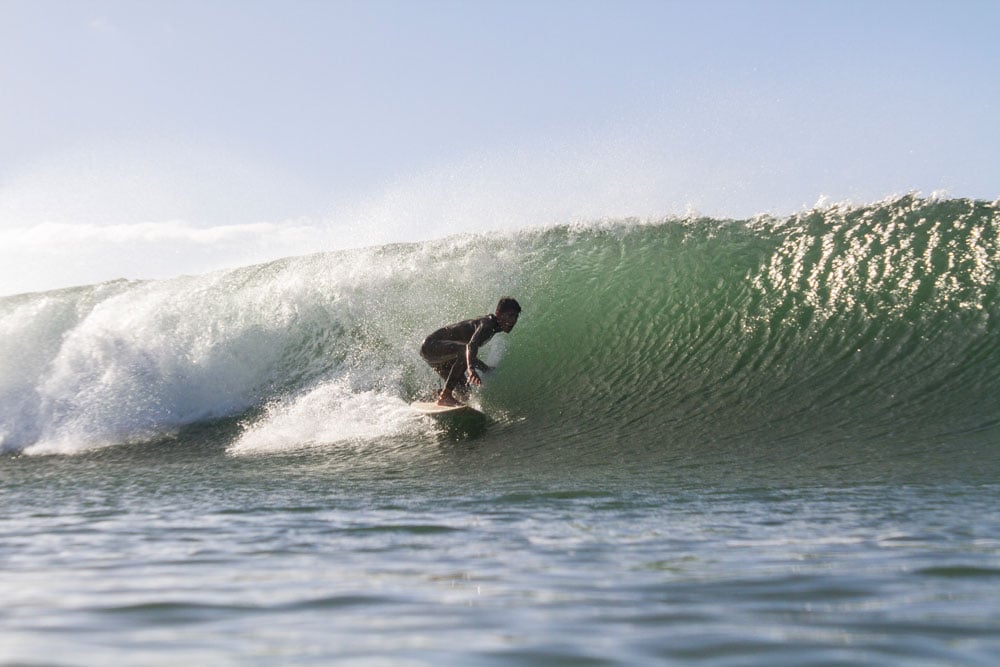
Many articles focus only on the physical part of surfing, but the mental aspect is just as important. The ocean can feel intimidating, especially for beginners. Waves are powerful, and it’s natural to feel nervous.
Overcoming Fear
It’s normal to be scared of falling or wiping out. Most injuries in surfing are minor, like bumps or scrapes, but the fear can hold you back. Start in small, gentle waves and go at your own pace. Remember, even experienced surfers fall often.
Building Patience
Surfing is a sport where you fail many times before you succeed. You may spend hours paddling and only catch a few waves. This teaches patience and humility. If you accept the slow progress, you will enjoy the journey more.
Staying Motivated
Set small goals. Instead of aiming to ride a big wave, focus on paddling better or standing up for one second longer. Celebrate progress, no matter how small.
Surfing Lessons Vs. Self-taught: Which Is Better?
Some people try to teach themselves surfing, while others take lessons from professionals. Both ways can work, but lessons usually lead to faster progress and better safety.
Benefits Of Taking Surf Lessons
- Structured learning: Instructors break down each skill and correct your mistakes.
- Safety tips: You learn how to avoid common dangers in the ocean.
- Faster improvement: Most people stand up sooner with guidance.
- Equipment advice: Instructors help you choose the right board and wetsuit.
Self-taught Surfing
Learning on your own can be fun, especially if you have friends to help. However, it often takes longer, and you might pick up bad habits. If you choose this path, watch videos, read guides, and ask experienced surfers for advice.
If you’re serious about learning quickly and safely, investing in a few lessons is usually worth it. For more detailed information on surf instruction, check out the Wikipedia page on surfing.
The Role Of Equipment In Learning To Surf
Your choice of surfboard and gear can make learning much easier or much harder. Beginners should use a board with lots of volume (thickness and width) for more stability.
Comparing Surfboards For Beginners
| Type of Board | Length | Stability | Suitability for Beginners |
|---|---|---|---|
| Soft-Top Longboard | 8–9 feet | Very stable | Excellent |
| Foam Board | 7–8 feet | Stable | Very good |
| Shortboard | 5–6 feet | Unstable | Not recommended |
| Mini-Mal | 7–8 feet | Good | Good |
Soft-top longboards are best for most beginners. They are easier to paddle, catch waves, and balance on. Avoid shortboards until you are comfortable standing up and turning.
Wetsuits are also important in cold water. They keep you warm and protect your skin from sun and scrapes.
Factors That Affect How Hard Surfing Is For You
Every beginner’s experience is different. Here are some factors that can make surfing easier or harder:
- Previous Board Sports Experience: If you skateboard or snowboard, you may learn balance faster.
- Swimming Ability: Confident swimmers are more relaxed in the ocean.
- Wave Quality: Gentle, consistent waves are perfect for learning. Powerful, messy waves are much harder.
- Age: Young people tend to pick up balance sports faster, but adults can learn too.
- Frequency of Practice: The more often you surf, the faster you progress.
- Access to Equipment: Renting or owning the right board helps a lot.
- Natural Fear Level: If you are nervous in the ocean, progress may be slower, but this can improve with time.
A non-obvious insight: small, “messy” waves are often harder for beginners than clean, medium-sized ones. Many new surfers think small always means easy, but choppy conditions are very tough to learn in.

The Rewards Of Learning To Surf
Despite the challenges, the rewards of surfing are worth the effort. The feeling of catching your first wave is unforgettable. Surfing connects you with nature, gives you a great workout, and teaches patience and resilience.
As you improve, you’ll discover that surfing is more than a sport—it’s a lifestyle. Many surfers say they feel calmer, happier, and more energetic after a surf session. The ocean has a unique way of clearing your mind and lifting your spirit.
If you stick with it, you’ll join a friendly, global community of surfers. Sharing waves and stories on the beach is part of the joy.
Frequently Asked Questions
How Long Does It Take To Learn To Surf?
Most people need about 20 sessions to feel comfortable catching and riding small waves. Standing up for the first time can happen within the first 5–10 sessions, but everyone learns at a different speed.
Can I Learn To Surf If I Can’t Swim Well?
Good swimming skills are important for surfing safety. If you are not a confident swimmer, practice swimming in the ocean or pool before starting to surf.
Is Surfing Dangerous For Beginners?
Surfing has risks, like strong currents, sharp rocks, and collisions with boards. Starting in safe conditions, using the right equipment, and learning about ocean safety reduces these dangers.
What Is The Best Age To Learn Surfing?
People of all ages can learn to surf. Children often pick it up quickly, but many adults start in their 30s, 40s, or even later and enjoy it just as much.
Do I Need To Be Very Fit To Start Surfing?
You don’t need to be an athlete, but basic fitness helps. Swimming, push-ups, and yoga are good ways to prepare your body for surfing.
Learning to surf is not easy, but it is possible for almost anyone who is patient and willing to practice. With the right approach and attitude, you can enjoy the unique rewards of riding waves. The journey may be challenging, but every small success in surfing feels like a big victory.
If you’re ready for adventure, the ocean is waiting for you.
