Is Skydiving Scary For First-time Jumpers?
Skydiving is one of those activities that stirs up strong feelings even before you book your jump. Just hearing the word can make your heart beat faster. You might picture yourself standing at the open door of a plane, thousands of feet above the ground, questioning your life choices. Or maybe you imagine the excitement, the wind rushing past, and the thrill of defying gravity. For most first-time jumpers, the big question is simple: Is skydiving scary?
Understanding what makes skydiving intimidating, and what actually happens during your first jump, can help you decide if the experience is right for you. Let’s look closer at why people feel afraid, what the jump is really like, and how most beginners handle their nerves.
The Science Behind Fear Of Skydiving
Fear before skydiving is perfectly normal. In fact, it’s almost universal. Humans are wired to be alert to danger, and the idea of jumping out of a plane triggers basic survival instincts. When you think about skydiving, your brain sees it as a threat, releasing adrenaline and cortisol—the body’s main stress hormones.
These hormones cause:
- Faster heartbeat
- Sweaty palms
- Shaky hands or knees
- Dry mouth
- Butterflies in your stomach
For first-time jumpers, this rush can feel overwhelming. However, understanding that these reactions are natural can make them less frightening. Many people find that the anticipation is much scarier than the jump itself.
Common Reasons Skydiving Feels Scary
It’s not just the height or the airplane. Here are some specific reasons why skydiving can feel especially scary for beginners:
- Fear of Heights: Looking down from 10,000 feet can freeze anyone.
- Fear of Falling: The idea of free-falling is unnatural for most people.
- Loss of Control: You rely on equipment and instructors, not yourself.
- Fear of Equipment Failure: Worries about parachute malfunctions are common.
- Social Pressure: You may feel embarrassed if you back out.
- Uncertainty: Not knowing exactly what to expect adds to anxiety.
Interestingly, many beginners discover that the sensation of free-fall does not feel like they imagined. It’s not like falling off a ladder, but more like floating or being cushioned by air.
What Actually Happens During A First Skydive
Knowing the process can help calm your nerves. Most first-time jumps are tandem skydives, where you’re securely harnessed to a professional instructor. Here’s what to expect:
- Arrival and Paperwork: You’ll sign waivers and get briefed on safety.
- Training: A short session covers body position, harness details, and landing.
- Suiting Up: You’ll put on a jumpsuit, harness, helmet, and goggles.
- The Plane Ride: The climb to altitude takes about 15-20 minutes.
- The Jump: At 10,000–14,000 feet, you move to the door with your instructor.
- Freefall: 30–60 seconds of high-speed descent at around 120 mph.
- Parachute Deployment: At about 5,000 feet, the parachute opens.
- Canopy Flight: 4–6 minutes of gentle gliding and steering.
- Landing: The instructor controls the landing; you lift your legs as trained.
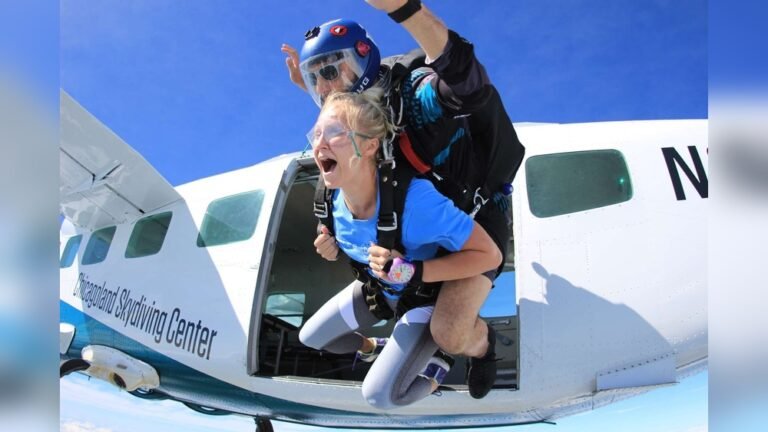
Every step is carefully controlled and rehearsed. Most people say the scariest moment is standing at the open door, just before the jump.
How Scary Is Skydiving Compared To Other Experiences?
To put things in context, here’s a comparison between skydiving and other common adrenaline activities:
| Activity | Typical Fear Level (1–10) | Duration of Fear |
|---|---|---|
| Skydiving (first time) | 8–10 | Before the jump; fades after exit |
| Roller Coaster | 5–7 | First drop; some anxiety in line |
| Bungee Jumping | 7–9 | Right before the jump; short duration |
| Public Speaking | 6–8 | Before and during the speech |
As you can see, skydiving produces a high level of fear, especially before the jump. But for most, this fear quickly disappears once they’re in the air.
How First-time Jumpers Usually Feel
You may be surprised to learn that the majority of beginners report the same pattern:
- Terrified before boarding the plane
- Nervous but excited during the climb
- Panic or adrenaline surge at the door
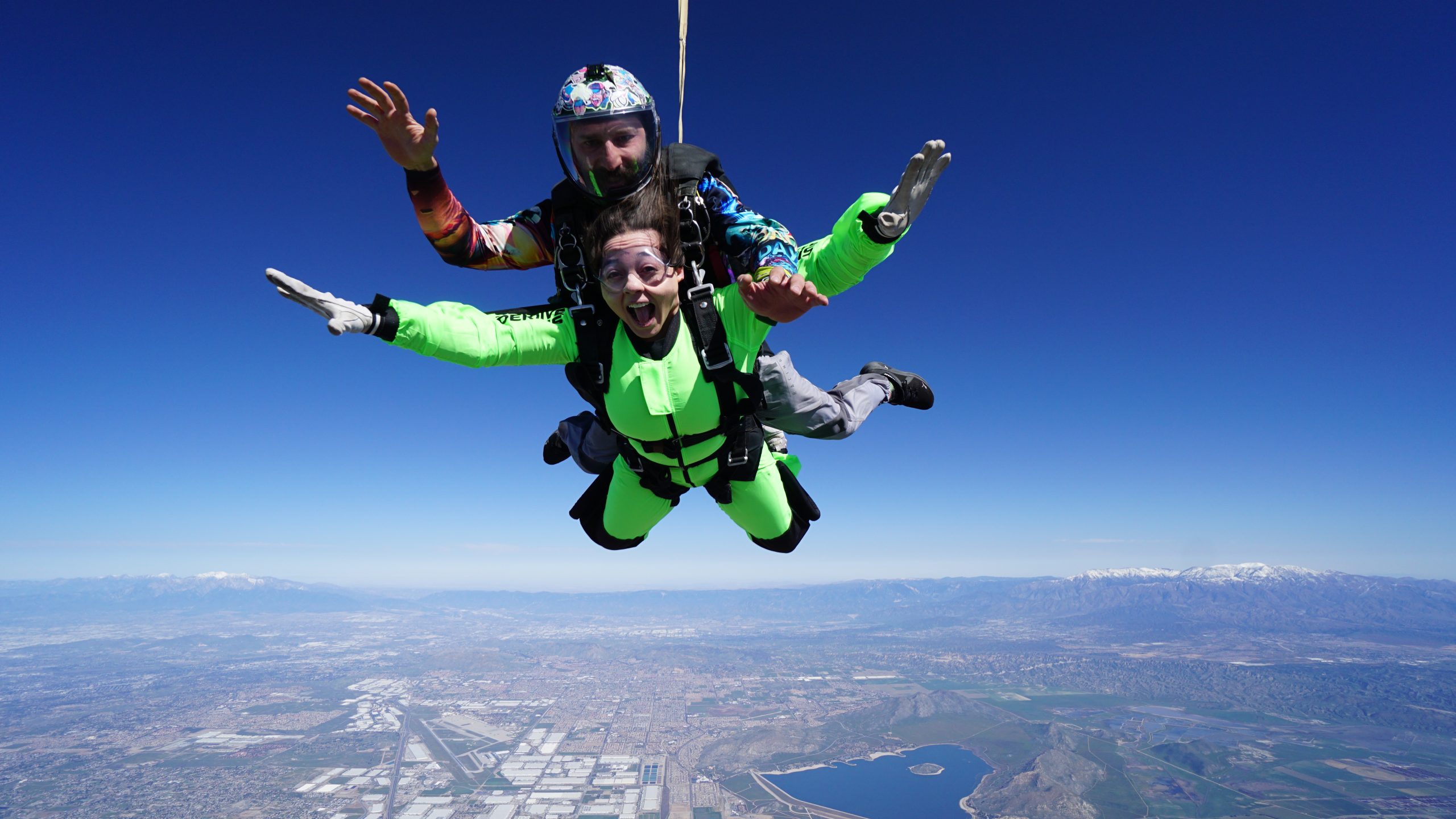
- Amazed and joyful during freefall
- Relieved and proud after landing
Many say the fear fades the moment they leave the plane. The freefall is often described as liberating, euphoric, or even peaceful. Some people burst out laughing or crying from relief and happiness.
Is Skydiving Safe For Beginners?
Safety is a huge concern for first-timers. The good news: tandem skydiving is statistically very safe. According to the United States Parachute Association (USPA), in 2022 there was 1 student fatality per 500,000 tandem jumps.
Here’s a look at the numbers:
| Type of Jump | Number of Jumps (2022, USA) | Fatalities | Fatality Rate |
|---|---|---|---|
| All skydives | 3.9 million | 20 | 0.0005% |
| Tandem skydives | 500,000 | 1 | 0.0002% |
Modern parachutes have backup systems, and instructors are highly trained. Most injuries are minor and happen during landing, not freefall or parachute deployment.
What Surprises Most First-time Jumpers
Many beginners expect the scariest part will be the jump itself. In reality, two things tend to surprise people:
- The plane ride is scarier than freefall. Sitting in a small aircraft, climbing higher and higher, makes you think about the risk. The moment you jump, there’s no time for fear—just sensation.
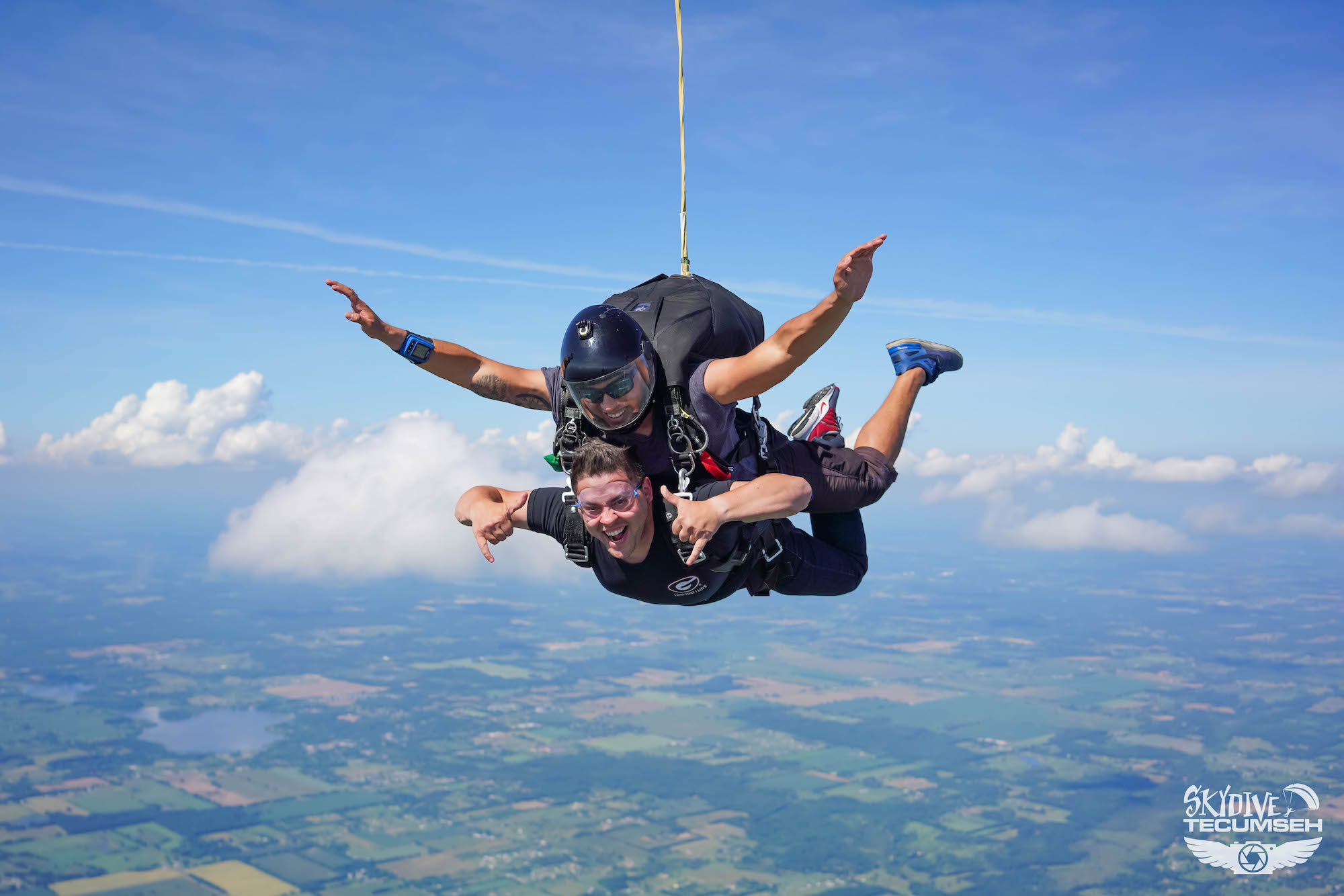
- Freefall does not feel like falling. There’s no stomach drop like you get on a roller coaster. You feel air resistance, like floating on a cushion of wind.
Another insight: The sense of accomplishment after landing is much greater than most people expect. Even those who were terrified often say skydiving was one of the best experiences of their lives.
How To Manage Your Nerves Before The Jump
If you’re considering skydiving but feel scared, you are not alone. Here are some strategies to help manage your nerves:
- Trust the process: Remember, thousands of people skydive every day.
- Meet your instructor: Ask questions and get to know them.
- Follow the training: Simple body positions and instructions are easy to remember.
- Breathe deeply: Slow, deep breaths calm your body.
- Visualize success: Picture yourself landing safely and smiling.
- Don’t overthink: The more you analyze, the more anxious you may become.
A practical tip: Try to focus on the excitement, not the fear. Most people regret missing out more than they regret feeling scared.
Who Should Not Try Skydiving?
While most healthy adults can go skydiving, there are a few exceptions:
- People with severe heart problems
- Those with serious back or neck injuries
- Pregnant women
- Anyone with uncontrolled panic disorders
Skydiving centers often set a weight limit, usually around 220–240 lbs (100–110 kg) for tandem jumps. If you’re unsure, talk to your doctor before booking.
Real Stories: What Beginners Say
Hearing from others who have jumped can help you understand what to expect. Here are a few common reactions from first-timers:
- “I was sure I would back out, but the instructor made me feel safe. The jump was nothing like I imagined—actually fun!”
- “The worst part was the plane ride up. Once we jumped, I forgot my fear.”
- “I almost panicked at the door, but my instructor counted down and we went. I landed with a huge smile.”
- “I felt proud that I faced my fear. I still remember how calm the parachute ride was.”
These stories are echoed by thousands of first-time jumpers every year. The feeling of accomplishment lasts long after the nerves are gone.
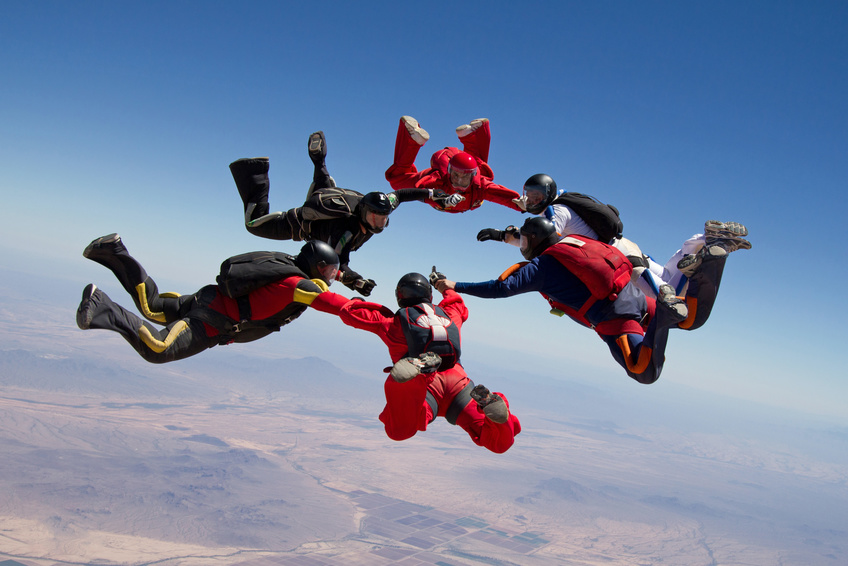
How Skydiving Changes Your View Of Fear
After skydiving, many people say they feel braver in other parts of life. Facing such a big fear—and realizing you survived—can boost your confidence. You may find it easier to handle stressful situations or try new things.
This effect is not just psychological. According to research, challenging your fears can help reduce anxiety in daily life. Skydiving is one way to experience this growth in a very intense, memorable way.
For more about the psychological effects of adrenaline sports, see Wikipedia: Adrenaline junkie.
Cost, Time, And Practical Details For First-time Jumpers
If you decide to go skydiving, here’s what you need to know:
- Cost: First-time tandem jumps usually cost $200–$300.
- Time needed: Plan for 3–4 hours at the drop zone, including paperwork, training, and waiting.
- Clothing: Wear comfortable clothes and closed-toe shoes. Jumpsuits are provided.
- Photos and video: Most centers offer video packages for an extra fee.
Here’s a quick comparison of what you get with a basic vs. premium first-time jump package:
| Package | Includes | Typical Price |
|---|---|---|
| Basic Tandem | Jump, instructor, equipment | $200–$250 |
| Premium Tandem | Jump, instructor, equipment, photos/video | $300–$400 |
Booking in advance is recommended, especially on weekends.
Frequently Asked Questions
Is Skydiving Really Safe For First-time Jumpers?
Yes, tandem skydiving is very safe. Instructors are highly trained and use modern equipment with backup parachutes. The fatality rate is extremely low—about 1 in 500,000 tandem jumps. Most injuries are minor and happen during landing.
What Does Skydiving Feel Like?
Freefall feels more like flying or floating than falling. There is no “stomach drop” sensation. After the parachute opens, the ride is calm, quiet, and you can enjoy the view. The scariest part is usually waiting in the plane.
Can I Back Out At The Last Minute?
Yes, you can. No one will force you to jump. If you decide not to go, just tell your instructor. Many people feel nervous and back out, and that’s okay. Most centers will refund or reschedule, but check their policies.
How Should I Prepare For My First Jump?
Get a good night’s sleep, eat a light meal, and wear comfortable clothes. Arrive early for training. It’s normal to feel nervous—just follow your instructor’s directions and try to enjoy the experience.
Do I Need To Be Very Fit To Skydive?
You don’t need to be an athlete, but you should be in general good health. You must be able to lift your legs for landing. People with heart problems, severe injuries, or who are pregnant should not jump. Always check with your doctor if unsure.
Skydiving is scary for almost everyone the first time, but that’s also what makes it so rewarding. Facing your fear, stepping out of the plane, and landing safely can change how you see yourself. If you’re curious about skydiving, know that your fear is normal—and you might just discover a new kind of courage.
