Is Skiing Hard For Beginners?
Skiing looks exciting—people sliding down snowy hills, making smooth turns, and feeling the crisp mountain air. But if you’ve never put on skis before, you might wonder: Is skiing hard for beginners? The answer depends on your expectations, preparation, and attitude. Many newcomers feel nervous before their first lesson, but with the right approach and knowledge, the journey from awkward steps to confident glides can be enjoyable.
Skiing isn’t just about physical skills; it’s about learning to balance, understanding snow conditions, and staying safe. Some people pick it up quickly, while others need more time. This article will break down what makes skiing challenging for beginners, the common mistakes, how to prepare, and tips to make your first experience positive.
If you want to know what to expect and how to make learning easier, keep reading.
What Makes Skiing Challenging For Beginners?
The first day on skis can feel overwhelming. Let’s look at the main reasons why many beginners find skiing hard at first.
1. Balance And Posture
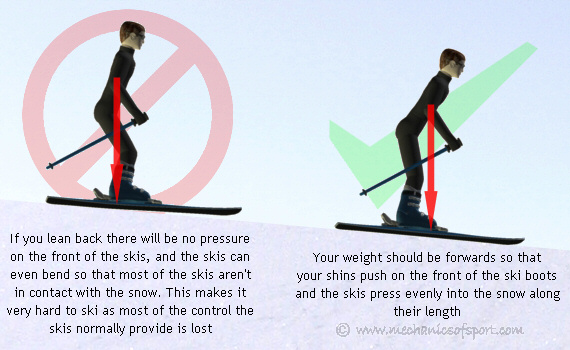
Standing on slippery skis is different from walking or running. Your center of gravity shifts, and maintaining balance can feel unnatural. Most beginners lean back, which makes it harder to control speed and direction. Learning to bend your knees and lean slightly forward is key, but it takes practice.
2. Unfamiliar Equipment
Ski boots are stiff and heavy. Skis can feel long and hard to manage. Just walking from the rental shop to the lift can be tiring. Attaching your boots to the skis and using poles also require coordination. All this new gear can distract you from focusing on the actual skiing.
3. Fear Of Falling
Falling is a normal part of learning, but the fear of getting hurt slows many people down. The snow is soft, but the idea of sliding out of control can make beginners tense up, which actually makes falls more likely.
4. Weather Conditions
Cold temperatures, wind, and bright sunlight reflecting off snow can be uncomfortable. If you’re not dressed properly, you may feel cold or too hot. Weather can also change quickly, making visibility poor or the snow harder to ski on.
5. Learning Curve
Skiing has a steep learning curve in the beginning. The first few hours are usually the hardest, but after practicing the basics, most people improve quickly. Unlike some sports, you can’t practice skiing anywhere—you need snow and a ski area.
Physical Demands Of Skiing
Skiing requires a mix of strength, endurance, and flexibility.
- Leg muscles work to control speed and direction.
- Core strength helps with balance.
- Cardio fitness is important, especially at high altitudes where the air is thinner.
Even if you’re in good shape, you may find yourself tired after a few runs. Beginners often use more energy because their technique isn’t efficient yet.
Skiing Vs. Other Sports
Here’s a quick comparison of skiing and other common beginner sports:
| Sport | Balance Needed | Equipment Complexity | Injury Risk (Beginner) |
|---|---|---|---|
| Skiing | High | High | Medium |
| Snowboarding | High | Medium | Medium |
| Ice Skating | Medium | Low | Low |
| Cycling | Medium | Low | Low |
| Running | Low | Low | Low |
As you can see, skiing has a higher balance and equipment challenge than most everyday activities. That’s why the first few days are the hardest.
Common Mistakes Beginners Make
Many beginners repeat similar mistakes, making learning harder than it needs to be. Here are some to watch out for:
- Leaning back: This causes less control and more falls. Always try to keep your weight forward.
- Stiff legs: Locking your knees makes it hard to turn or absorb bumps. Stay relaxed and keep your knees bent.
- Not looking ahead: Staring at your skis can make you lose balance. Look where you want to go.
- Ignoring lessons: Some skip professional lessons to save money. But a qualified instructor can correct mistakes early.
- Wearing the wrong clothes: Cotton gets wet and cold. Wear layers and waterproof gear.
Avoiding these mistakes can save you time, energy, and frustration.
How Long Does It Take To Learn Skiing?
There’s no single answer, but most people need 2–3 days of lessons to start skiing down easy slopes (called “green” runs) with some control. With each day, your confidence and skill will grow.
Typical Progress Timeline
| Day | What You Learn | Common Feelings |
|---|---|---|
| 1 | How to put on equipment, basic balance, sliding, stopping | Nervous, excited, tired, sometimes frustrated |
| 2 | Turning left/right, controlling speed, using ski lifts | More comfortable, starting to have fun |
| 3 | Linking turns, better balance, skiing on gentle slopes | Confident, eager to improve, enjoying the mountain |
Some people take longer, and that’s okay. Progress depends on age, fitness, and how often you practice.

Tips To Make Learning Easier
Learning to ski is much easier if you prepare well and follow good advice.
1. Take Lessons
A qualified instructor can show you the right techniques and keep you safe. Group lessons are a good way to learn with others, while private lessons give you personal attention.
2. Dress Properly
Wear a moisture-wicking base layer, an insulating middle layer, and a waterproof outer layer. Don’t forget gloves, goggles, and a helmet. Being warm and dry helps you focus on learning.
3. Rent Equipment
Don’t buy skis and boots before you know what you like. Rental shops will fit you with the right size and style for beginners.
4. Start Slow
Begin on the bunny slope (the easiest area), even if it looks too simple. Master stopping and turning before moving to harder runs.
5. Stay Positive
Everyone falls, even experts. Laugh off mistakes and don’t compare yourself to others. Progress at your own pace.
6. Prepare Physically
If you can, do some leg and core exercises before your trip. Squats, lunges, and balance drills help a lot.
7. Take Breaks
Skiing is tiring. Rest often, drink water, and eat snacks. Tired muscles lead to more falls and less fun.
8. Watch Others
Observe how experienced skiers move. Notice their relaxed posture and smooth turns.
9. Ask Questions
Don’t be afraid to ask instructors or fellow skiers for advice. People on the mountain are usually happy to help.
10. Protect Yourself
Always wear a helmet. Learn how to fall safely—try to keep arms in and avoid twisting your knees.
How Age And Fitness Affect Learning
Anyone can learn to ski, but age and fitness level play a role.
- Children often learn quickly because they’re less afraid of falling and have good balance.
- Teens and adults might be more cautious but can progress fast with lessons.
- Older adults may need more time. Flexibility and strength become more important. Taking it slow and being patient pays off.
If you have any health concerns, check with your doctor before skiing.

The Psychological Side: Mind Over Mountain
Many beginners find that skiing is as much a mental challenge as a physical one. Fear of falling or looking awkward can hold you back. Here are two insights beginners often miss:
- Confidence grows with repetition: The more you repeat the basic moves, the less scary they feel. Even a few extra runs on the beginner slope make a big difference.
- Positive self-talk matters: Encouraging yourself out loud or in your head (“I can do this!”) helps lower anxiety and improves performance.
Remember, most people on the mountain are too busy with their own skiing to notice your mistakes.
Costs And Accessibility
Skiing is not the cheapest sport. Costs include:
- Lift tickets: Access to the slopes. Prices vary by resort.
- Lessons: Group lessons are cheaper, but private ones cost more.
- Equipment rental: Skis, boots, poles, helmet, and sometimes clothing.
- Travel and lodging: If you don’t live near a ski resort.
Some resorts offer beginner packages that include everything you need for a day or two. Look for deals, especially on weekdays or early/late in the season.
Is Skiing Dangerous For Beginners?
Like any sport, skiing has risks. The most common injuries for beginners are:
- Sprained knees
- Wrist injuries (from falls)
- Bruises or sore muscles
Serious injuries are rare if you stay on beginner slopes and follow safety advice. Always listen to your instructor and don’t try to ski on runs that are too hard for your level.
For more on ski safety, see this resource: Skiing Safety – Wikipedia.
The Joy Of Learning
Despite the challenges, most beginners find skiing rewarding. The first time you glide down a gentle hill and feel in control is unforgettable. Skiing opens up beautiful mountain scenery, fresh air, and a sense of achievement. Many people become lifelong fans after their first trip.
Frequently Asked Questions
Is It Normal To Fall A Lot When Learning To Ski?
Yes, falling is part of the process. Everyone falls at first—even advanced skiers fall sometimes. Learning how to fall safely is important. Try to keep your limbs close and avoid twisting your knees.
How Fit Do I Need To Be To Start Skiing?
You don’t need to be an athlete, but basic leg and core strength helps. Exercises like squats, lunges, and simple cardio can make your first day easier.
Should I Buy Or Rent Equipment As A Beginner?
It’s best to rent your first few times. Rental shops will fit you with beginner-friendly gear. If you decide you love skiing, you can invest in your own equipment later.
How Do I Know If I’m Ready For Harder Slopes?
When you can stop, turn, and control your speed confidently on beginner (green) runs without falling, you’re ready to try an easy intermediate (blue) slope. Always check with your instructor if you’re unsure.
What Should I Wear For My First Ski Lesson?
Wear three layers: a moisture-wicking base, an insulating mid-layer, and a waterproof jacket and pants. Don’t forget gloves, goggles, and a helmet. Avoid cotton, as it gets wet and cold.
Skiing may seem hard at first, but with patience, practice, and the right guidance, most beginners can enjoy the sport within a few days. Each person’s journey is different, but the rewards are worth the effort.
