Skiing is one of the most exciting winter sports in the world. The idea of sliding down snowy mountains, feeling the cold wind, and seeing beautiful white landscapes makes skiing attractive to many people. But if you are a beginner, you may wonder: Is skiing dangerous for beginners? This question is important, especially if you have never been on skis before or worry about getting hurt. Let’s look deeper at the risks, safety tips, and what beginners should really know before trying skiing for the first time.
Understanding The Real Risks For Beginners
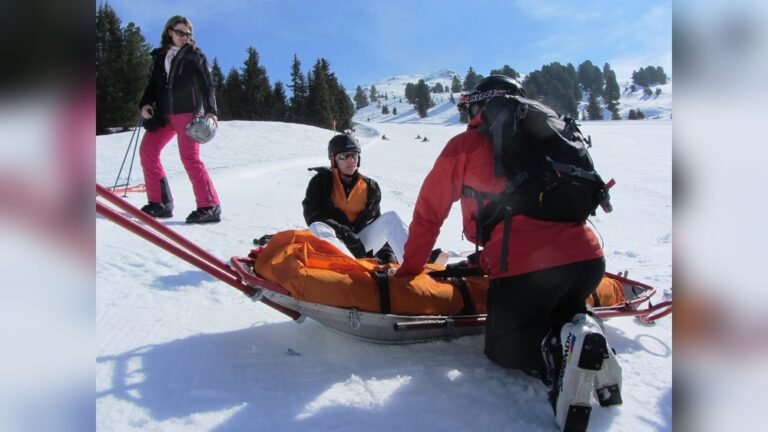
Many people worry that skiing is only for brave or athletic people. In reality, skiing can be safe or risky, depending on how you prepare and behave. Most beginner injuries are minor, such as bruises or small sprains. However, serious injuries can happen if you ignore safety rules or overestimate your skills.
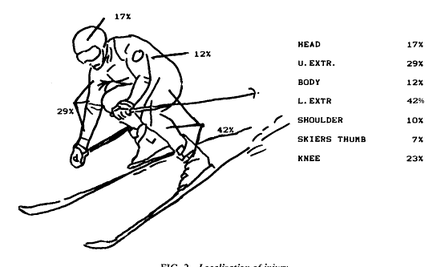
Common Injuries For Beginners
It’s helpful to know what kinds of injuries new skiers usually face. Here’s a breakdown:
| Injury Type | How Common | Typical Cause |
|---|---|---|
| Knee sprain | Very common | Falling or twisting the leg |
| Wrist fracture | Common | Falling and landing on the hand |
| Shoulder injury | Occasional | Falling awkwardly |
| Head injury | Rare (with helmet) | Hard fall or collision |
| Thumb injury | Common | Catching thumb in pole during fall |
Most serious injuries are rare for beginners, especially if you stay on easy slopes and wear the right gear.
Why Beginners Get Hurt
Skiing feels unnatural at first. You must balance on slippery surfaces while moving downhill. Here are main reasons why new skiers get hurt:
- Poor balance – Most beginners fall because they are not used to sliding on snow.
- Wrong technique – Not knowing how to stop, turn, or fall safely.
- Bad equipment fit – Skis or boots that are too big or small can cause accidents.
- Overconfidence – Trying harder slopes too soon.
- Ignoring weather – Poor visibility or icy conditions make skiing harder.
A key insight: Most accidents happen in the first few days when people are still learning basics. After 2-3 days with lessons, the risk drops sharply.

How Dangerous Is Skiing Compared To Other Sports?
Many people think skiing is more dangerous than other sports. But the data tells a more balanced story.
| Sport | Injury Rate (per 1,000 hours) | Serious Injury Rate |
|---|---|---|
| Skiing | 2-3 | Low (with helmet) |
| Soccer | 5-7 | Low to Medium |
| Basketball | 6-8 | Low to Medium |
| Mountain biking | 8-10 | Medium |
| Snowboarding | 3-5 | Low (with helmet) |
Surprisingly, sports like soccer or basketball have higher injury rates than skiing. Most skiing injuries are small and heal quickly.
What Beginners Can Do To Stay Safe
Skiing safety depends on the choices you make. Beginners have many ways to reduce risk:
- Take a lesson – Professional instructors teach you how to balance, stop, and fall safely.
- Wear a helmet – Helmets greatly reduce head injuries.
- Use proper gear – Rent or buy gear that fits your size and skill level.
- Start on easy slopes – “Green” slopes are made for beginners.
- Follow the rules – Every ski resort has safety signs and rules.
- Learn to fall – Bend your knees, keep arms in, and try to slide instead of stopping suddenly.
- Check weather – Avoid skiing in storms, fog, or icy conditions.
- Don’t ski tired – Most accidents happen at the end of the day when people get tired.
A non-obvious tip: Practice getting up from a fall before you start skiing. Many beginners struggle to stand after falling, which leads to more falls and wasted energy.
Choosing The Right Ski Resort Matters
Not all ski resorts are beginner-friendly. Some have steep, narrow, or crowded slopes that are harder to manage. Look for resorts with:
- Wide, gentle slopes
- Clearly marked “beginner” areas
- Carpet lifts or slow chairlifts
- Good ski schools
A good beginner resort can make your first experience much safer and less stressful.
The Importance Of Professional Lessons
Many people try to learn from friends or by themselves. While this may work for some, most beginners progress faster and safer with professional lessons. Instructors teach you:
- How to put on and adjust your equipment
- The right way to move, turn, and stop
- How to fall and stand up safely
- How to read slope signs and understand ski etiquette
Another insight: Instructors watch your body position and correct mistakes early, preventing bad habits that can later cause injuries.
Essential Safety Gear For Beginners
Wearing the right gear is one of the easiest ways to prevent injuries. Here’s a quick comparison of gear essentials:
| Gear Item | Purpose | Mandatory? |
|---|---|---|
| Helmet | Protects your head | Yes |
| Ski goggles | Protects eyes from snow and sun | Yes |
| Wrist guards | Prevents wrist fractures | Recommended |
| Proper ski boots | Supports and protects ankles | Yes |
| Layered clothing | Keeps you warm and dry | Yes |
Don’t forget sunscreen. Snow reflects sunlight and increases the risk of sunburn, even on cloudy days.
Psychological Factors: Fear And Overconfidence
Two common mindsets cause beginner accidents:
- Fear: Some people get so nervous that they freeze or lose balance easily. It’s normal to feel scared, but small steps and practice help build confidence.
- Overconfidence: Others think skiing is easy and try harder slopes too soon. This often leads to falls and collisions.
The smartest approach is to respect your limits and focus on progress, not speed.
Common Mistakes Beginners Make
Most beginner accidents come from simple mistakes. Here are some to avoid:
- Not listening to instructors
- Wearing the wrong size gear
- Not checking bindings (skis must release in a fall)
- Ignoring fatigue
- Not controlling speed
- Skiing with loose clothing (can catch on lifts or equipment)
Remember, learning to ski takes time. Even experienced skiers fall sometimes.
Real Stories: What Happens To Most Beginners?
Let’s look at a typical beginner’s first day:
- You start on a flat area, practicing how to move and stop.
- You take your first ride on a small lift.
- You fall a few times, mostly at low speed.
- By the end of the day, you’re tired but starting to get the hang of it.
Most people finish their first day with only sore muscles and a few bruises. Serious injuries are rare if you stick to the basics.
When Skiing Becomes More Dangerous
There are situations when skiing does get more risky, even for beginners:
- Crowded slopes: More people means higher chance of collisions.
- Icy surfaces: Harder to control speed and direction.
- Low visibility: Hard to see obstacles or other skiers.
- Backcountry or off-piste skiing: Not for beginners; avalanche risk is real.
Always stay on marked trails and follow resort advice.
How To Prepare Before Your First Ski Trip
Preparation is key to a safe and fun experience. Here’s what to do:
- Get in shape: Strong legs and core help you balance better.
- Watch videos: Understand what to expect before you arrive.
- Pack smart: Bring layers, gloves, and snacks.
- Sleep well: Tiredness increases risk of falling.
- Double-check insurance: Make sure your travel insurance covers skiing accidents.
A little planning prevents many problems and helps you enjoy your first runs.
What About Children And Older Beginners?
Kids and older adults can learn skiing safely, too. Children often learn faster because they are less afraid and lighter, so falls are less risky. Older adults should go at their own pace and consider private lessons. Good gear and a cautious approach make a big difference for all ages.
Should You Be Worried?
The truth is, skiing has risks, but so does any sport. With the right attitude, gear, and instruction, most beginners have a safe and enjoyable first experience. Respect the mountain, start slowly, and focus on learning. The rewards—fresh air, beautiful views, and the thrill of learning something new—are worth it.
For more details on skiing safety statistics, you can check this Wikipedia page on skiing safety.
Frequently Asked Questions
How Dangerous Is Skiing For Absolute Beginners?
Skiing is not as dangerous for beginners as many people think, especially when you stay on easy slopes, wear a helmet, and take lessons. Most injuries are minor, like bruises or sprains.
What Is The Most Common Injury For Beginner Skiers?
The most common injury is a knee sprain or twist, usually from falling in an awkward way. Wrist and thumb injuries are also common.
Do I Need To Be Fit To Start Skiing?
Being fit helps, but you don’t need to be an athlete. Strong legs and core muscles make it easier to balance and reduce fatigue.
Is It Necessary To Take Ski Lessons?
Yes, lessons are highly recommended. Instructors teach you the basics and help prevent injuries by correcting your technique early.
What Should I Do If I’m Scared Of Skiing?
Start slow, stay on beginner slopes, and focus on each small step. Most people feel nervous at first, but confidence grows with practice and support.
Skiing for beginners does carry some risk, but with good preparation, the right attitude, and smart choices, it’s a safe and unforgettable adventure.
