Skiing is not just a fun winter activity. For many people, it’s also a way to get fit, burn calories, and challenge their bodies. But is skiing really a good workout? If you have ever wondered about the health benefits of skiing or how it compares to other forms of exercise, you’re not alone.
There’s a lot more to skiing than sliding down a mountain; it works your muscles, boosts your heart rate, and improves your balance. This article explores the science, the physical demands, and the unique advantages of skiing as a workout.
You’ll also find practical tips, common mistakes, and answers to questions beginners often ask.
The Physical Demands Of Skiing
When you ski, your whole body is involved. The sport requires you to move your legs, arms, and core at the same time. You must balance, turn, and react quickly to changes in terrain. Skiing can be intense, especially if you’re on steep slopes or skiing for many hours.
Experts say skiing is both an aerobic and anaerobic activity. Aerobic exercise means your heart and lungs are working hard for a longer time, like running or cycling. Anaerobic exercise is short bursts of intense effort, like sprinting. Skiing combines both: you may ski fast for a few minutes, then rest, then ski again.
Muscles Used In Skiing
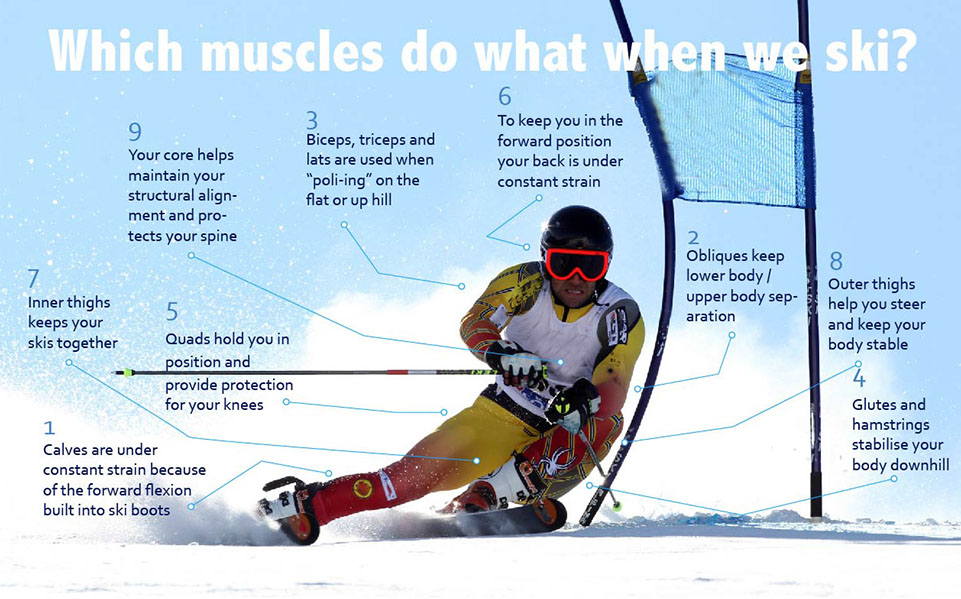
Skiing works several muscle groups:
- Quadriceps (front of thighs): These help you bend your knees and absorb shocks.
- Hamstrings (back of thighs): Used for stabilizing your legs.
- Glutes (buttocks): Help control movement and keep you upright.
- Core muscles (abs and lower back): Crucial for balance and stability.
- Arms and shoulders: Used in pole planting and turning.
Even your feet and ankles get a workout as they help steer your skis and keep you balanced. Skiing is a full-body workout, not just a leg exercise.
Cardiovascular Benefits
Skiing raises your heart rate and keeps it up, especially if you ski at a moderate to high speed. This improves your cardiovascular fitness, which means your heart and lungs become stronger. According to research, skiing burns between 300 and 600 calories per hour, depending on your speed, terrain, and skill level.
Skiing Vs. Other Workouts
Is skiing better than running, cycling, or swimming? It depends on what you need. Here is a comparison of skiing with other common workouts, based on calories burned and muscles used.
| Activity | Calories Burned/hr (avg) | Main Muscles Worked |
|---|---|---|
| Downhill Skiing | 350-600 | Legs, Core, Arms |
| Running | 500-800 | Legs, Core |
| Cycling | 400-700 | Legs, Glutes |
| Swimming | 400-700 | Arms, Shoulders, Core |
Skiing burns a similar number of calories as cycling or swimming, but it also demands balance and coordination. Unlike running, which is mostly linear, skiing involves complex movements, turns, and jumps. This makes it a unique workout.
What Makes Skiing Different?
- Balance and Coordination: Skiing requires constant adjustments. You must stay upright, turn, and move fast on slippery surfaces.
- Interval Training: Skiing often involves short bursts of effort (going downhill), followed by rest (on the lift or waiting).
- Outdoor Environment: Being in cold, high-altitude environments can increase calorie burn and improve mental health.

Health Benefits Of Skiing
Skiing is more than just burning calories. It offers several health benefits that are not always obvious to beginners.
Stronger Muscles And Joints
Skiing improves muscle strength and makes your joints more flexible. The constant bending and straightening of your knees, hips, and ankles build up endurance and strength. Many skiers notice stronger legs and better balance after just a few days.
Improved Mental Health
Being outdoors, especially in the mountains, can reduce stress and anxiety. The fresh air, sunlight, and natural scenery boost your mood and help you relax. Skiing also requires focus and quick decision-making, which can improve mental sharpness.
Better Balance And Coordination
Skiing forces you to react to changes in terrain, speed, and weather. This improves your balance and coordination, skills that are useful in everyday life. Many older adults ski to keep their reflexes sharp.
Boosted Cardiovascular Fitness
Regular skiing strengthens your heart and lungs. Your body becomes more efficient at using oxygen, which helps you perform other physical activities.
Calorie Burning And Weight Loss
Skiing is a great way to lose weight or maintain a healthy weight. Because it uses many muscle groups and keeps your heart rate up, you burn calories quickly. One study found that recreational skiers burned around 500 calories per hour on average (Wikipedia).
Skiing As A Strength Workout
Not everyone realizes that skiing is also a strength workout. You must push against gravity, control your speed, and stay upright. This builds muscle strength, especially in your legs and core.
| Muscle Group | Exercise in Skiing | Benefit |
|---|---|---|
| Quadriceps | Bending knees on slopes | Strength, endurance |
| Glutes | Controlling turns | Power, stability |
| Core | Balancing on skis | Stability, coordination |
| Arms | Using ski poles | Upper body strength |
Skiing can replace some gym workouts, especially if you focus on proper technique. Beginners often miss that skiing builds strength and endurance at the same time.
Skiing For Beginners: What You Need To Know
If you’re new to skiing, you may wonder if you’ll get a workout right away. The answer is yes, but there are a few things to remember.
Fitness Level
You don’t need to be in perfect shape to start skiing. However, basic fitness helps. If you have strong legs and core muscles, you’ll find it easier to learn. Some beginners notice muscle soreness after their first day, especially in the thighs and calves.
Skill Progression
As you improve your skills, skiing becomes a better workout. Advanced skiers use more speed, technique, and terrain, which increases the physical demand. Don’t worry if you start slow; even gentle slopes offer a good workout.
Common Mistakes
Many beginners make these mistakes:
- Not warming up: Skiing cold muscles increases injury risk.
- Incorrect posture: Standing too upright or leaning back reduces workout and makes skiing harder.
- Ignoring core muscles: Many focus only on legs, but the core is key for balance.
- Overdoing it: Skiing too many hours without rest leads to fatigue and poor technique.
The best advice is to start slow, listen to your body, and build up your fitness over time.
Practical Tips For Getting The Most Out Of Skiing
To make skiing a better workout, follow these practical tips:
- Warm up before skiing: Spend 10–15 minutes stretching and moving your legs and arms.
- Focus on technique: Good technique uses more muscles and prevents injury.
- Change terrain: Ski on different slopes to challenge your body.
- Take breaks: Rest between runs to avoid fatigue.
- Stay hydrated: Cold weather can hide signs of dehydration.
- Use ski poles: Poles help work your arms and upper body.
- Track your activity: Use a fitness tracker to monitor heart rate and calories burned.
- Wear proper gear: Good boots and clothes help you move freely and stay safe.
- Listen to your body: If you feel pain or extreme fatigue, stop and rest.
Many people don’t realize that skiing at high altitude can feel harder. Your body works more to get oxygen, which increases calorie burn but also makes you tire faster. Take it easy if you’re not used to mountain air.
How Long Should You Ski For A Good Workout?
There is no one-size-fits-all answer, but most experts recommend at least 1–2 hours per session for a solid workout. If you ski all day (4–6 hours), you burn more calories, but you also risk fatigue and injury. Quality matters more than quantity.
| Skiing Time | Calories Burned (avg) | Fitness Benefit |
|---|---|---|
| 1 hour | 300–600 | Cardio, strength |
| 2–3 hours | 600–1800 | Endurance, muscle gain |
| 4–6 hours | 1200–3600 | Weight loss, stamina |
For most people, skiing 2–3 hours per day offers a good balance of fitness, fun, and safety.
Who Should Try Skiing For Fitness?
Skiing is suitable for many people, but it may not be for everyone. You should try skiing if:
- You enjoy outdoor activities.
- You want a workout that combines cardio and strength.
- You like sports that challenge your balance.
- You prefer exercise with variety and scenery.
People with joint problems, heart issues, or serious injuries should check with a doctor before skiing. The sport can be intense, especially on steep slopes.
Is Skiing A Good Workout For Weight Loss?
Yes, skiing can help with weight loss. Because it burns hundreds of calories per hour and uses many muscle groups, it’s effective for fat burning. However, you must also pay attention to diet and overall activity. Skiing once a week is not enough for most people to lose weight quickly, but combined with healthy eating and other activities, it is a powerful tool.
Many beginners miss that ski resort food is often high in calories, so be mindful of what you eat during your ski trips.
Non-obvious Insights About Skiing As Exercise
- Altitude Effect: Skiing at higher altitudes increases calorie burn because your body needs more oxygen. This is why you feel tired faster in the mountains.
- Eccentric Muscle Work: Skiing involves a lot of eccentric muscle contractions (when muscles lengthen under tension). This is different from most gym exercises and helps build real-world strength.
- Mental Workout: Skiing challenges your brain as much as your body. The need to make quick decisions improves mental sharpness and reaction time.
Frequently Asked Questions
Is Skiing Safe For Beginners Who Are Not Fit?
Yes, skiing can be safe for beginners, even if you’re not very fit. Start on gentle slopes, take lessons, and listen to your body. Avoid pushing yourself too hard in the first few days.
How Many Calories Does Skiing Burn Compared To Walking?
Skiing burns more calories than walking. Walking burns about 200–300 calories per hour, while skiing burns 300–600 calories per hour or more, depending on intensity.
Can Skiing Replace Gym Workouts?
Skiing can replace some gym workouts, especially for leg and core strength. However, for full fitness, combine skiing with other exercises like stretching, strength training, and aerobic activities.
Does Skiing Help With Balance And Coordination?
Yes, skiing is excellent for improving balance and coordination. It forces you to react quickly and adjust your body position, skills that are useful in daily life and other sports.
What Should I Eat Before And After Skiing?
Before skiing, eat a meal with carbohydrates and protein for energy. After skiing, have protein and healthy fats to help muscles recover. Drink plenty of water before, during, and after skiing.
Skiing is more than just a sport—it’s a complete workout for your body and mind. Whether you’re a beginner or experienced skier, you can improve your fitness, lose weight, and enjoy the outdoors. With the right approach, skiing offers unique benefits that you won’t find in the gym. So next time you hit the slopes, remember: you’re not just having fun—you’re getting healthier, stronger, and sharper.
