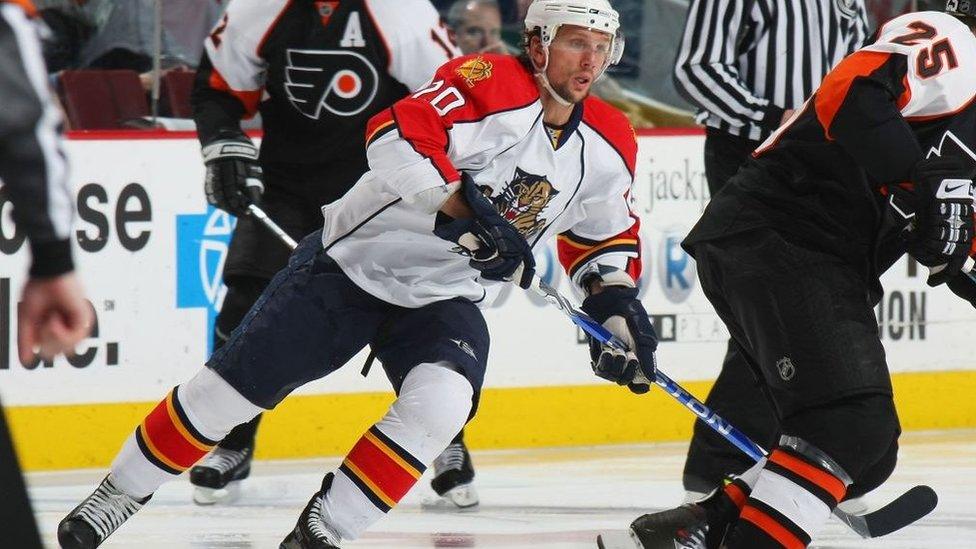
Ice hockey is a fast-paced sport that draws crowds for its excitement and intensity. But behind the speed and skill, many people wonder: Is ice hockey a dangerous sport? From youth leagues to professional games, players face risks that are very different from most other sports. This article explores the real dangers, the reasons behind them, and what is being done to keep players safe.
Why Ice Hockey Is Considered Dangerous
There are several reasons why ice hockey has a reputation for being risky. The game is played on hard ice, with players moving at high speed and carrying sticks. The puck itself is frozen and heavy, and body checking is a normal part of play. Skates have sharp blades, and collisions are common.
Here is a breakdown of key factors that make ice hockey dangerous:
- High-Speed Collisions: Players can skate over 30 km/h. When two players collide, the impact can be strong and sudden.
- Body Contact: Checking is legal in most leagues. Hits can cause bruises, sprains, or even broken bones.
- Puck and Stick Injuries: The puck travels up to 160 km/h, and sticks are often raised during play.
- Slippery Surface: Falling on ice increases the risk of head and limb injuries.
- Protective Gear Limitations: Helmets and padding help, but they do not prevent all injuries.
Common Injuries In Ice Hockey
Understanding the most frequent injuries can help explain the sport’s dangers.
| Injury Type | Percentage of Cases | Typical Cause |
|---|---|---|
| Concussion | 10–15% | Head contact, falls |
| Shoulder Injury | 12% | Body checks, boards |
| Knee Injury | 9% | Twists, collisions |
| Facial Cuts | 8% | Sticks, pucks |
| Wrist/Hand Injury | 7% | Falls, sticks |
Concussions are a major concern, especially for youth and professional players. Symptoms can last weeks and may affect memory or mood. Shoulder and knee injuries often happen after hard hits or awkward falls. Facial cuts are common, despite helmets and visors.

How Ice Hockey Compares To Other Sports
Some people think ice hockey is more dangerous than football or rugby. But how true is this?
| Sport | Injury Rate (per 1000 hours) | Most Common Injury |
|---|---|---|
| Ice Hockey | 6.1 | Concussion |
| Soccer | 2.5 | Ankle sprain |
| Basketball | 3.2 | Knee injury |
| Rugby | 7.2 | Shoulder injury |
Ice hockey has a higher injury rate than soccer or basketball, but slightly lower than rugby. The type of injury is important: ice hockey leads in head injuries, while soccer and basketball see more sprains and strains.
Not-so-obvious Risks Most People Miss
Many think the main dangers are visible hits and fights. But there are less obvious risks:
- Overuse Injuries: Skating puts stress on hips and groin muscles. Over time, this can cause chronic pain.
- Equipment-Related Risks: Poorly fitted gear can cause blisters or even make injuries worse in a crash.
- Infections: Players sometimes share water bottles or towels. This can spread germs, causing skin and throat infections.
Safety Measures And How They Help
The good news is that ice hockey is getting safer. Leagues and teams use several strategies to protect players.
- Better Equipment: Modern helmets and padding absorb more impact. Face shields and mouthguards are now common.
- Rule Changes: Many leagues limit dangerous hits, especially to the head. Youth leagues often ban body checking.
- Education: Coaches and players learn about safe techniques and concussion symptoms.
- Medical Support: Most arenas have trainers or doctors on site for quick help.
These steps have reduced the number and severity of injuries. For example, youth leagues that ban checking see 40% fewer injuries.
Real-life Stories: How Dangerous Is It?
It’s easy to find examples of serious injuries in professional hockey. In 2011, NHL player Sidney Crosby suffered a concussion that kept him out for almost a year. But most players—especially in youth and amateur leagues—do not face such extreme risks.
Still, even in local leagues, broken bones or dental injuries do happen. Some players wear full-face cages and extra padding to lower their risk. But accidents can occur in any fast, physical sport.

Who Is Most At Risk?
Not everyone faces the same danger. Certain groups have higher risk:
- Young Players: Kids learning to skate may fall more often.
- Aggressive Players: Those who check or fight more get hurt more often.
- Goalies: They face fast pucks but wear extra gear. They usually have fewer injuries, but the ones they get can be severe.
What Parents And Players Can Do
If you or your child wants to play ice hockey, there are steps to stay safer:
- Choose the Right Gear: Make sure helmets, pads, and skates fit well.
- Follow League Rules: Play in leagues with safety rules and trained coaches.
- Practice Skills: Good skating and balance help avoid falls.
- Know the Signs of Injury: Early care prevents worse problems.
- Focus on Respect: Players who respect each other’s safety get hurt less often.
Should You Worry About Ice Hockey?
Ice hockey has real risks, but it also builds fitness, teamwork, and focus. Most injuries are minor, and serious injuries are rare with good coaching and equipment. Still, players and parents need to understand the dangers and take them seriously.
If safety is a top priority, look for leagues with strict rules and good medical support. Learn about the risks, and be smart about protection. Ice hockey, like any sport, is safest when everyone works together.
Frequently Asked Questions
Is Ice Hockey More Dangerous Than Football?
Ice hockey and football both have risks, but the type of injuries is different. Ice hockey players face more head injuries and cuts, while football players often get knee and ankle injuries.
What Is The Most Common Injury In Ice Hockey?
Concussions are one of the most common and serious injuries in ice hockey, especially at high levels of play.
Can Better Equipment Make Ice Hockey Safe?
Modern equipment helps a lot, but it cannot prevent all injuries. Good fit and proper use are important for best protection.
Are Youth Ice Hockey Leagues Safer?
Yes, youth leagues often have more safety rules, like no checking and mandatory face shields. This lowers injury rates compared to adult leagues.
Where Can I Learn More About Ice Hockey Safety?
For more information, visit the Wikipedia page on ice hockey which covers rules, equipment, and safety tips.
Ice hockey is exciting but does have dangers. With smart choices and a focus on safety, players can enjoy the game while keeping risks low.