
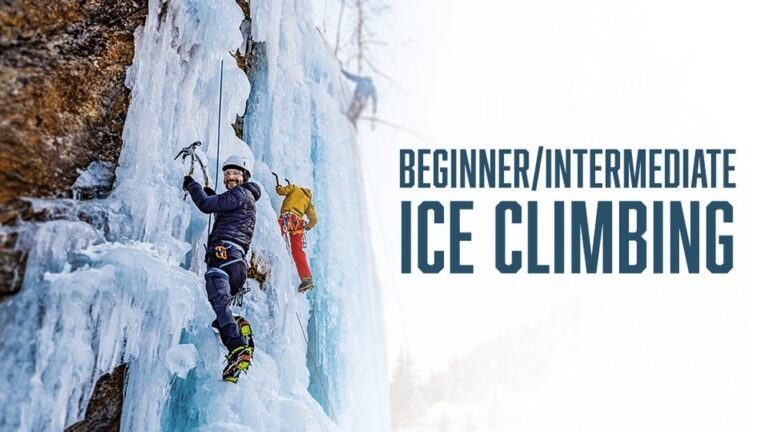
Is Ice Climbing Safe For Beginners?
Ice climbing is an adventure that excites many outdoor lovers. The idea of climbing frozen waterfalls or icy cliffs offers a unique thrill and a sense of achievement. But with sharp tools, cold weather, and slippery surfaces, many people wonder: Is ice climbing safe for beginners? The answer is not simple. Ice climbing can be safe if you learn the right skills, use proper gear, and take smart precautions. However, it does come with real risks. This article will guide you through everything you need to know about ice climbing safety for beginners. You’ll learn how to reduce risks, what to expect, and how to prepare for your first climb.
What Is Ice Climbing?
Ice climbing is a sport where you use special tools to climb ice formations like frozen waterfalls, cliffs, or icy rocks. Unlike rock climbing, you rely on equipment such as ice axes and crampons to grip the ice. Ice climbing is popular in cold regions during winter, and there are many grades of difficulty, from easy slopes to vertical ice walls.
There are two main types:
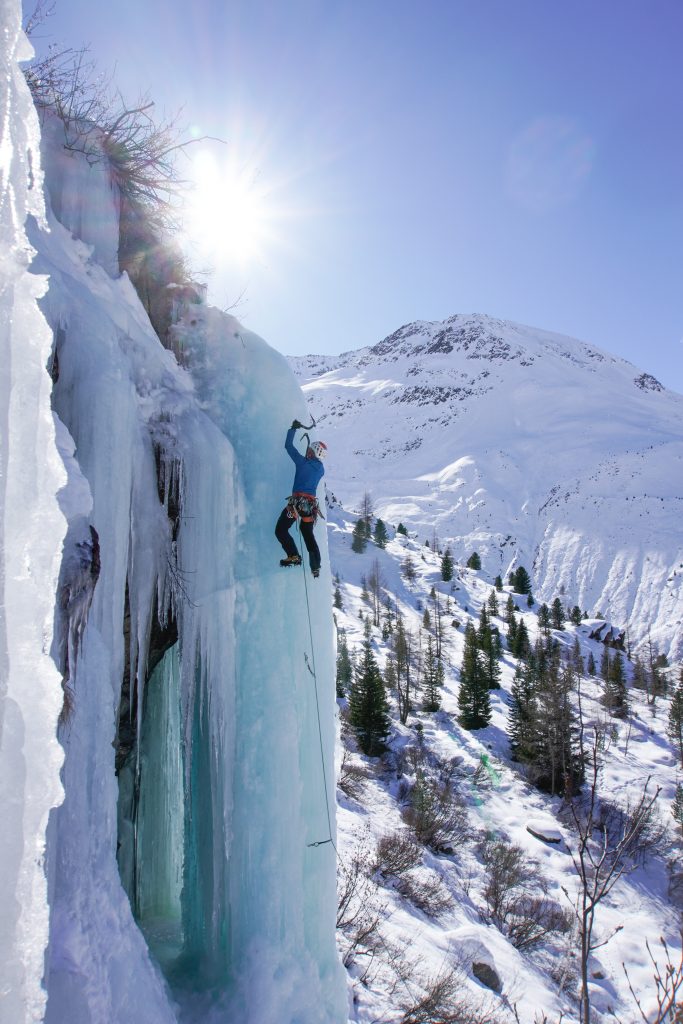
- Waterfall ice climbing: Climbing frozen waterfalls, which can be fragile and change with the weather.
- Alpine ice climbing: Climbing ice found high in the mountains, often part of glaciers or snowfields.
For beginners, most start with top-rope climbing on short, less steep ice. This method uses a rope anchored above, offering more safety.
Main Risks Of Ice Climbing
Before starting, it’s important to understand the risks. Ice climbing is more dangerous than indoor climbing or hiking. Some risks are obvious, but others are easy to miss:
- Falling: The ice can break, or you may lose your grip, causing falls.
- Falling ice: Ice chunks can fall from above, either from your own tools or other climbers.
- Cold injuries: Frostbite and hypothermia are real dangers in freezing conditions.
- Avalanches: Some ice routes are exposed to avalanches, especially after heavy snow.
- Gear failure: If equipment breaks or is not used correctly, it can lead to accidents.
- Changing conditions: Ice can melt, crack, or become unstable very quickly.
Accidents in ice climbing often happen because of small mistakes, not just major errors. Many beginners don’t realize that ice conditions can change during the day, making a safe climb risky by afternoon.
Can Beginners Try Ice Climbing?
Yes, beginners can try ice climbing, but it’s important to do it the right way. Ice climbing is not a sport you should attempt alone or without training. The best way to start is with a certified guide or an experienced instructor. Many climbing schools offer special courses for beginners, often in safe, controlled environments.
What makes it possible for beginners:
- Modern equipment is designed for safety and ease of use.
- Many climbing sites have routes meant for beginners.
- Professional guides know how to teach the basics and manage risks.
However, a first-timer should never try ice climbing without help. Even strong rock climbers face new challenges on ice, such as using new gear and moving in heavy boots.
Essential Gear For Ice Climbing Safety
Having the right equipment is crucial for staying safe. Here is what you’ll need as a beginner:
| Item | Purpose | Beginner Tip |
|---|---|---|
| Helmet | Protects your head from falling ice | Always wear one, even on easy climbs |
| Crampons | Spikes for your boots to grip the ice | Check every strap is tight before you start |
| Ice Axes | Used for holding and pulling yourself up | Start with a lighter axe for better control |
| Harness | Connects you to the rope | Make sure it fits snugly, but not too tight |
| Rope | Catches you if you fall | Use a dry-treated rope to prevent freezing |
| Belay Device | Controls the rope for safety | Practice using it before climbing |
| Warm Clothing | Keeps you safe from cold weather | Dress in layers for easy adjustment |
Many beginners forget to check their gear for ice build-up. Ice or snow stuck in your crampons can make them useless. Always stop and clear them before you climb.
Training And Skills Needed
Ice climbing is not just about strength. You need to learn new techniques and safety habits.
Basic Skills To Learn
- Walking in crampons: Practice walking on flat ice before climbing.
- Swinging an ice axe: Learn to swing and place axes efficiently to avoid tiring out your arms.
- Footwork: Good foot placement is more important than arm strength.
- Belaying: Know how to belay and be belayed safely.
- Reading ice: Learn to spot solid ice versus weak or cracked areas.
Where To Learn
Most beginners take a course with a guide or at a climbing school. These lessons focus on:
- Safety basics and emergency skills
- How to use gear properly
- Climbing and falling safely
- How to manage fear and cold
Some gyms now offer indoor ice walls, but real outdoor ice is very different. Outdoor practice is essential for learning to deal with natural conditions.
Comparing Ice Climbing To Other Climbing Types
Many people ask if ice climbing is more dangerous than other types. Here is a comparison:
| Type of Climbing | Main Risks | Beginner Safety Level |
|---|---|---|
| Indoor Climbing | Falls, but padded floors and controlled routes | Very High |
| Rock Climbing (outdoor) | Falls, loose rock, weather | Moderate |
| Ice Climbing | Falls, falling ice, cold, unstable ice | Low to Moderate |
| Mountaineering | Avalanches, altitude sickness, weather | Low |
As you can see, ice climbing has more environmental risks, but with proper guidance, many beginners have a safe first experience.
.jpg)
How To Make Ice Climbing Safer For Beginners
If you want to try ice climbing, here are proven ways to improve your safety:
- Climb with a guide or instructor: This is the most important step. Guides manage safety and teach you how to avoid mistakes.
- Start on easy routes: Choose routes that are not too steep, with good, thick ice.
- Check weather and ice reports: Ice changes daily. Always check local conditions before you go.
- Use the right clothing: Cold injuries are common for beginners who do not dress properly.
- Double-check gear: Before every climb, inspect all equipment. Pay extra attention to harnesses and crampons.
- Learn to fall: Practice falling in a controlled way, with a rope, so you know what to expect.
- Climb with friends: Never climb alone. Always have someone who can help or call for rescue.
- Know when to stop: If you feel unsafe or tired, it’s better to turn back than risk an accident.
Common Mistakes Beginners Make
Some errors happen again and again with new climbers. Avoid these to stay safe:
- Ignoring ice conditions: Not all ice is the same. Warm weather can make ice weak and dangerous.
- Over-gripping tools: Beginners often squeeze the ice axes too tightly, causing hand pain and fatigue.
- Poor footwork: Relying only on arms tires you quickly and increases the chance of slipping.
- Rushing up the ice: Go slow and focus on each step and tool placement.
- Not communicating: Good climbers talk clearly with their belayer and team.
- Forgetting about the cold: Cold hands or feet can lead to frostbite fast. Keep moving and wear good gloves.
Real-world Data: Ice Climbing Accident Rates
It helps to look at real statistics. Ice climbing has a higher injury rate than indoor climbing but is safer than some winter sports. According to the American Alpine Club’s 2022 report, there were about 40 reported ice climbing accidents in North America that year, with most injuries being minor (sprains or bruises). Serious injuries or deaths are rare, especially on beginner routes with guides.
One insight many beginners miss: Most accidents happen on the approach or descent, not while climbing the ice itself. Slipping on snowy trails or not paying attention after the climb can be more dangerous than the climb.
Ice Climbing Destinations For Beginners
Some locations are famous for beginner-friendly ice climbing. They offer good ice, easy access, and professional guides.
- Ouray, Colorado, USA: Home to a famous ice park with routes for all levels.
- Banff, Alberta, Canada: Many easy waterfall climbs with guides available.
- Rjukan, Norway: Hundreds of routes, many suitable for first-timers.
- Chamonix, France: Classic alpine climbs with beginner programs.
Choose popular spots where rescue services and guide companies are available.
How To Prepare For Your First Ice Climb
Preparation is key to a safe experience. Here’s how to get ready:
- Get fit: Build leg and core strength, and improve your balance.
- Take a course: Sign up for a beginner ice climbing class.
- Rent gear if possible: Try before you buy; most guides provide equipment.
- Practice layering clothes: Wear synthetic or wool layers, not cotton.
- Watch videos: Learn how to walk in crampons and swing axes.
- Talk to your guide: Ask about the plan, risks, and what to expect.
Non-obvious Insights For Beginners
Many first-timers focus only on climbing but miss these important points:
- Hydration matters: Cold weather makes you feel less thirsty, but dehydration increases injury risk and makes you cold. Drink water before and during the climb.
- Mental preparation: Fear is normal. Visualize your climb and practice breathing techniques to stay calm on the ice.
When You Should Not Try Ice Climbing
Some situations are too risky for beginners:
- Warm weather (above freezing) makes ice unstable.
- Stormy or windy days increase the danger of falling ice.
- If you are afraid of heights or cold, consider indoor climbing first.
Always listen to your guide’s advice. If they say it’s not safe, it’s best to wait.
Useful Resources For Further Learning
If you want to read more, the Wikipedia page on ice climbing has detailed information on history, gear, and advanced techniques.
Frequently Asked Questions
What Should I Wear For Ice Climbing?
Wear synthetic or wool layers that keep you warm and dry. Avoid cotton, as it stays wet and cold. Use waterproof jackets, pants, warm gloves, and a hat. Bring extra gloves in case one pair gets wet.
Is Ice Climbing More Dangerous Than Rock Climbing?
Ice climbing has more environmental risks, like falling ice and cold injuries. However, with a guide, many beginners have safe climbs. Statistically, most accidents are minor, but caution is essential.
Can I Try Ice Climbing If I Have Never Climbed Before?
Yes, but it’s best to start with a professional guide or class. You do not need previous climbing experience, but good fitness and a positive attitude help.
How Long Does It Take To Learn Basic Ice Climbing?
Most people learn the basics in 1-2 days with a guide. However, mastering techniques takes longer. Practicing often helps you become more confident and safe.
What Is The Minimum Age For Ice Climbing?
Most guide companies allow children as young as 12-14, but it depends on the location and the child’s size and fitness. Always check with the company before booking.
Trying ice climbing for the first time is both exciting and challenging. With the right guidance, preparation, and respect for the risks, beginners can enjoy a safe and unforgettable adventure on the ice.
