Paddle boarding is one of the fastest-growing water sports around the world. Many people love the freedom and fun of paddling on lakes, rivers, or the sea. However, before you can enjoy your time on the water, there’s one important step: inflating your paddle board. This is where the paddle board pump comes in. A common question among beginners and even some experienced paddlers is: Is a paddle board pump noisy? If you’re wondering about the sound levels, why pumps are noisy, and how it affects your paddle boarding experience, this article will give you clear answers. You’ll also learn how to choose a quieter pump, what to expect from different pump types, and tips for reducing noise.
Why Paddle Board Pumps Make Noise
Every paddle board pump, whether manual or electric, creates some sound when inflating a board. The noise comes from the movement of air and the mechanical parts inside the pump.
Manual pumps, like the common hand or foot pumps, make a “whooshing” sound as you push air into the board. This is the sound of air moving quickly through the hose and valve. Sometimes, the rubber seals and plastic parts also squeak or rub together.
Electric paddle board pumps are usually louder. These pumps use a motor and a compressor to force air into the board much faster than you can by hand. As a result, you hear the hum or buzz of the motor, and sometimes a higher-pitched whine from the compressor.
Here are the main reasons for paddle board pump noise:
- Airflow speed: Fast-moving air is noisy.
- Motor and compressor: Electric pumps use motors that vibrate and make sound.
- Mechanical friction: Moving parts inside the pump rub together.
- Vibration: The pump may vibrate on the ground, making extra noise.
Types Of Paddle Board Pumps And Their Noise Levels
Not all paddle board pumps are equally noisy. The type of pump you use will affect how much noise you hear.
Manual Pumps
Manual pumps are divided into two main types: hand pumps and foot pumps. These are the most common for inflatable paddle boards.
- Hand pumps: These usually have a long handle and a cylinder. You push up and down to move air. The noise is mostly air “whooshing,” with a little bit of mechanical sound.
- Foot pumps: You step on a pedal to push air. These are usually quieter than hand pumps, but can still make some noise from air flow and rubber parts.
Manual pumps are usually quiet enough for early morning use at a lakeside or campsite. The noise is short, not very loud, and less likely to bother others.
Electric Pumps
Electric paddle board pumps are popular because they are fast and easy to use. However, they are noticeably noisier than manual pumps.
- Single-stage electric pumps: These run at full power and can be quite loud (about 70–90 decibels, similar to a busy street or a vacuum cleaner).
- Two-stage electric pumps: Start with a high-speed “turbine” to quickly fill the board, then switch to a quieter, high-pressure compressor. The first stage is usually the loudest part.
Electric pumps are faster, but the noise can be a problem if you are at a quiet beach or early in the morning.
Battery-powered Pumps
Some pumps use rechargeable batteries. Their noise level is similar to other electric pumps, but some have better insulation and are slightly quieter.
High-pressure Compressors
High-end pumps for SUPs with special needs (like racing boards) can be even noisier. These use strong compressors, and their sound can reach up to 90–100 decibels.
Comparing Noise Levels: Manual Vs. Electric Pumps
To help you understand the difference, here is a comparison between manual and electric paddle board pumps.
| Pump Type | Noise Level (Decibels) | Noise Description |
|---|---|---|
| Manual Hand Pump | 50–60 dB | “Whoosh” of air, soft squeaks |
| Manual Foot Pump | 40–55 dB | Light pumping, air sound |
| Electric Pump (Single Stage) | 70–90 dB | Motor hum, compressor buzz |
| Electric Pump (Two Stage) | 65–85 dB | Loud at first, then quieter |
For comparison, a quiet conversation is about 50 dB, while normal road traffic is around 70–80 dB.
When Does Paddle Board Pump Noise Matter?
Most people do not mind a little noise when inflating their paddle board. Still, there are situations where pump noise becomes important:
- Early mornings or late evenings: You may not want to disturb sleeping campers or neighbors.
- Quiet nature areas: National parks, wildlife reserves, or peaceful lakes may have noise restrictions.
- Busy beaches: If many people are inflating boards at the same time, the combined noise can be annoying.
- Apartment buildings or balconies: If you inflate your board indoors or on a balcony, electric pumps can be very loud for neighbors.
If you are sensitive to noise, or if you often paddle in quiet places, a noisy pump can be a problem. In these cases, choosing the right pump is important.

Choosing A Quieter Paddle Board Pump
If you want a quieter paddle board pump, here are some tips to help you choose:
- Go manual: Manual pumps are always quieter than electric models. If you do not mind a short workout, this is the best choice for silence.
- Choose two-stage electric pumps: These usually have a quieter “finishing” stage. Some also have better noise insulation.
- Check product reviews: Many sellers and users mention noise levels. Look for comments about “quiet operation.”
- Look for noise ratings: Some brands give decibel ratings. Anything under 70 dB is considered fairly quiet for an electric pump.
- Consider the pump’s design: Pumps with rubber feet or padded bases make less vibration noise on hard surfaces.
A good place to compare models is on trusted outdoor gear review sites or forums. For example, the Outdoor Gear Lab reviews electric pumps and lists their noise levels.
Real-life Examples: How Noisy Are Different Pumps?
Let’s look at a few common paddle board pumps and what users say about their noise.
- Manual double-action pump: Users describe the sound as “just the noise of air moving.” It’s not loud enough to wake a sleeping friend in a tent.
- Bravo BP12 Electric Pump: Often measured at 85–90 dB during inflation. Users say it’s “as loud as a hair dryer.”
- IRocker 12V Electric Pump: Reports mention it is “quieter than expected” for an electric pump, but still “not silent.”
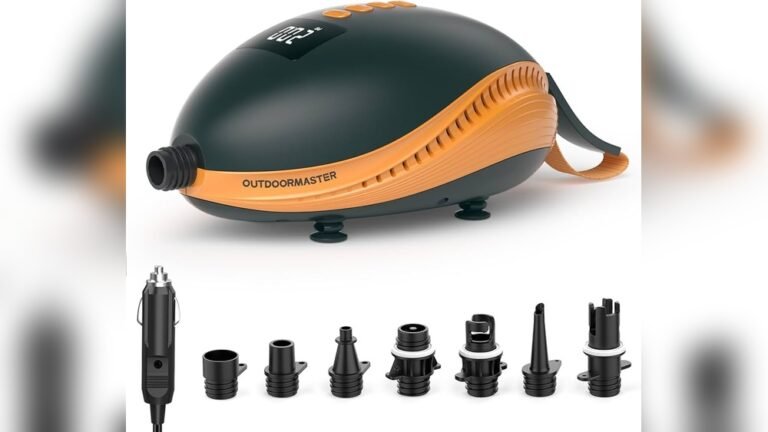
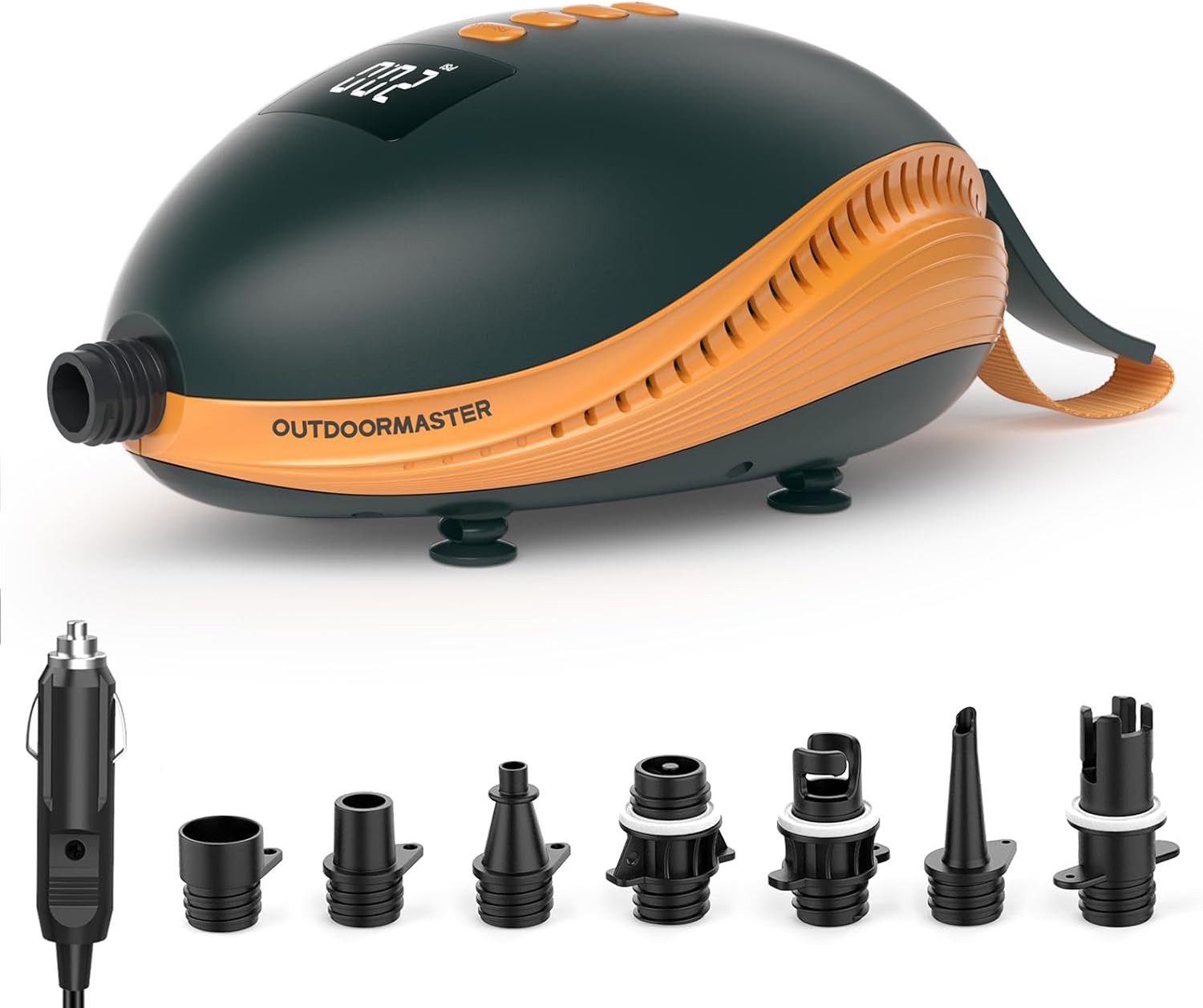
- OutdoorMaster Shark II: Many users note it is “one of the quieter electric pumps,” but the first inflation stage is “noticeably loud.”
These examples show that while some electric pumps are quieter than others, all will be louder than manual pumps.
How Pump Noise Affects Your Paddle Boarding Experience
Pump noise usually only lasts a few minutes, but it can still affect your experience:
- Disrupts quiet moments: If you like to paddle at sunrise or sunset, a loud pump can break the peace.
- Draws attention: At a crowded beach, a noisy pump may attract looks or comments.
- Limits where you inflate: Some parks or nature reserves do not allow loud equipment.
- May disturb wildlife: Birds and animals can be scared by sudden loud noises.
On the other hand, a fast electric pump means less waiting and less physical effort. For some people, the short burst of noise is a fair trade for convenience.
Reducing Noise When Using Your Pump
You can take a few simple steps to make your paddle board pump quieter:
- Pump on soft ground: Grass, sand, or a foam mat reduces vibration noise.
- Hold the pump steady: Keeping a hand or foot on the pump can stop it from rattling.
- Inflate at the water’s edge: The sound may be less noticeable near the water.
- Use during busy times: If others are also inflating, your noise will blend in.
- Try earplugs or headphones: If you are sensitive, these can help block out sound.
If you use an electric pump indoors (for example, before a trip), try to do it during the day, not early morning or late at night.

Noise And Pump Performance: Is There A Trade-off?
Many people think that a quieter pump must be less powerful, but this is not always true. Some high-quality electric pumps use better insulation or advanced motors to reduce noise without losing strength.
However, in general:
- More powerful pumps are usually louder.
- Fast inflation creates more airflow noise.
- Cheaper pumps often have less soundproofing.
When choosing a paddle board pump, think about what matters more to you: speed and power or quiet operation.
Here’s a comparison of pump performance and noise:
| Pump Type | Inflation Time (10’6″ SUP) | Average Noise Level |
|---|---|---|
| Manual Double-Action | 8–12 min | Low |
| Electric Single-Stage | 6–8 min | High |
| Electric Two-Stage | 7–9 min | Medium |
As you see, you can get reasonable speed with lower noise if you choose carefully.
Common Mistakes When Dealing With Pump Noise
Many paddle boarders make small mistakes that make pump noise worse. Here are a few to avoid:
- Inflating on hard surfaces: This increases vibration and echo.
- Leaving the pump unattended: Electric pumps can “walk” or vibrate loudly if not held.
- Using worn-out pumps: Old pumps often squeak or rattle more.
- Ignoring neighbors: In crowded places, not thinking about others can cause complaints.
How To Measure Your Pump’s Noise
If you are curious about how noisy your paddle board pump really is, you can use a smartphone app to measure decibel levels. Place your phone about 1 meter from the pump while inflating. This helps you compare your pump to others, or check if it’s getting louder over time (which can mean it needs maintenance).
Are There Silent Paddle Board Pumps?
Right now, there is no truly silent paddle board pump. All pumps make some noise because moving air fast always creates sound. However, manual pumps are very quiet, and some high-end electric models are much less noisy than others.
If complete silence is very important to you, use a manual pump, or inflate your board at home before heading to a quiet area.
Paddle Board Pump Noise: Myths And Facts
Some beginners believe that all electric pumps are “very noisy,” or that manual pumps are always silent. In reality, the difference depends on the model, how it’s used, and the environment. Also, some people are more sensitive to sound than others.
A key fact: Pump noise only lasts a few minutes. Most of your paddle boarding time will be spent enjoying the water, not listening to the pump.
Practical Insights Most Beginners Miss
- Pump noise increases with age: As seals and moving parts wear out, pumps get noisier. Regular cleaning and lubrication keep them quieter.
- Hose and valve fit matters: A loose hose or poorly fitting valve can make a loud hissing sound. Always check connections before inflating.
- Temperature affects noise: Cold pumps (left in a car overnight) may squeak more until they warm up.
Frequently Asked Questions
Is It Safe To Use A Paddle Board Pump Early In The Morning?
Yes, but if you use an electric pump, be aware that it may disturb people sleeping nearby. Manual pumps are much quieter and better for early hours.
Can I Make My Electric Pump Quieter?
You can reduce noise by using the pump on soft surfaces, holding it steady, and choosing models with better insulation. However, all electric pumps will make some noise.
How Loud Is A Typical Electric Paddle Board Pump?
Most electric pumps are between 70 and 90 decibels, which is about as loud as a vacuum cleaner or busy street. Manual pumps are much quieter.
Will A Louder Pump Inflate My Board Faster?
Not always. Some fast pumps are designed to be quieter. Performance depends on the motor, design, and quality—not just noise level.
Are There Any Paddle Board Pumps That Are Nearly Silent?
Manual pumps are nearly silent, making only a gentle “whoosh. ” No electric pump is completely silent, but some are much quieter than others.
Paddle board pump noise is a small part of the paddling experience, but it’s worth considering if you value peace and quiet. By understanding how pumps work, comparing noise levels, and using a few simple tricks, you can enjoy inflating your board without unwanted noise. For more details on pump types and user reviews, visit trusted sources like Outdoor Gear Lab. The right pump will help you get on the water quickly—and with less fuss.
