Snowboarding attracts thousands of people each year who want to enjoy the thrill of sliding down snowy hills. But for many, starting this sport can feel confusing or even a bit scary. If you are a beginner, you may wonder: What gear do I need? How do I stand on a snowboard? What should I know before going to the mountain? The good news is, anyone can learn to snowboard with the right steps and some patience. This guide covers everything you need to start snowboarding, from picking your first board to learning your first turns. You will also get clear advice, practical tips, and answers to common questions—all in simple, direct English.
Why Try Snowboarding?
Learning to snowboard is not just about going fast on snow. It is a way to enjoy winter, get exercise, and meet new friends. Snowboarding can help improve your balance, build muscle strength, and boost your confidence. Many people say that after a few lessons, they feel more relaxed and happy in cold weather. Even if you have never tried a winter sport before, you can enjoy snowboarding with a little practice.
Choosing Your First Snowboarding Gear
Picking the right gear is the first big step for any beginner. The equipment you choose will affect your comfort, safety, and how quickly you learn.
Essential Snowboarding Gear
- Snowboard: For beginners, choose a board that is shorter, softer, and a bit wider. This makes it easier to turn and control. Most rental shops have beginner-friendly boards.
- Bindings: These connect your boots to the board. Make sure they fit well and are not too tight.
- Boots: Snowboard boots should be snug but not painful. They give support and help you steer the board.
- Helmet: Protecting your head is a must. Helmets are now common and stylish on the slopes.
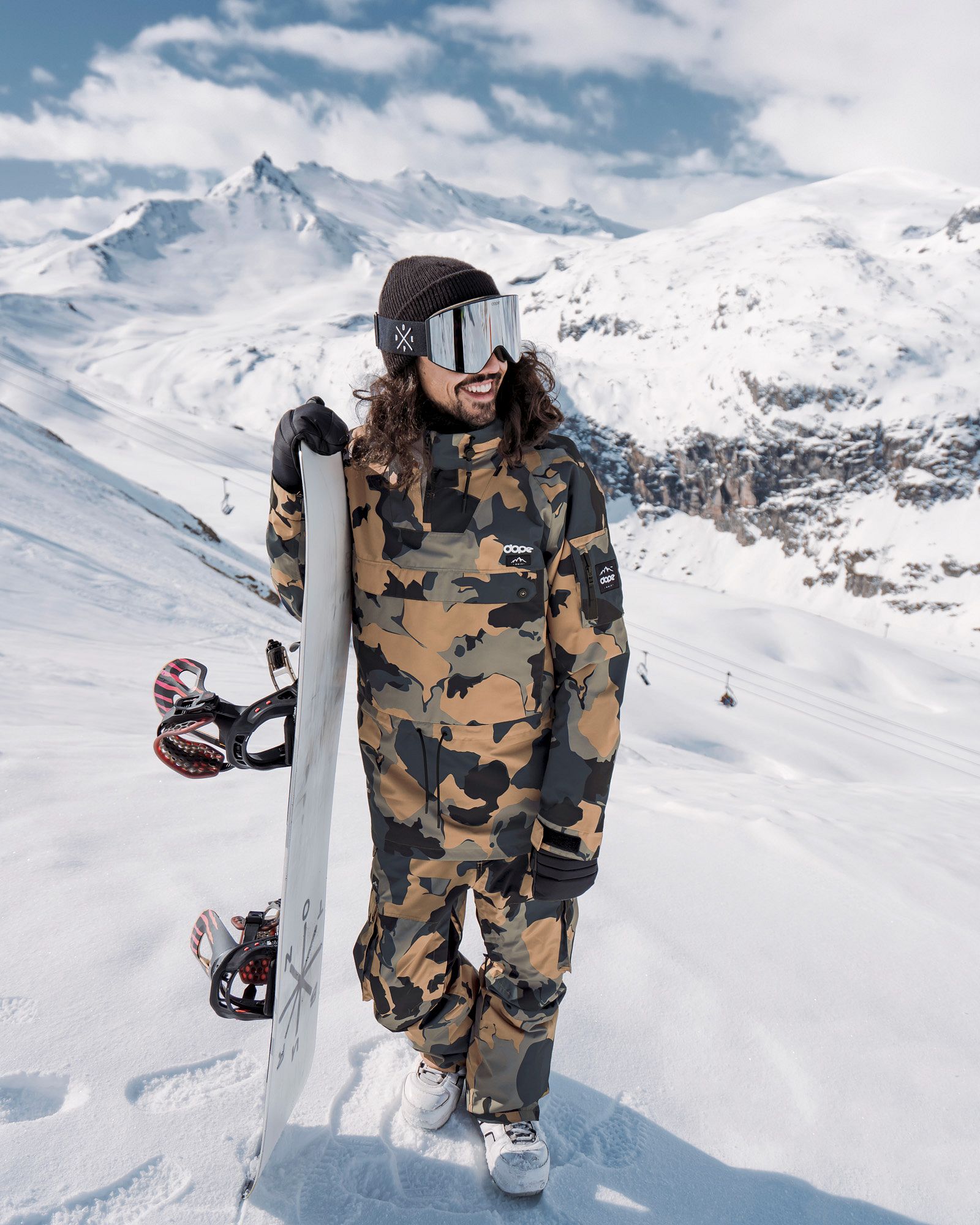
- Snowboarding Jacket & Pants: Waterproof clothing keeps you warm and dry. Regular winter jackets may get wet quickly.
- Gloves/Mittens: Warm, waterproof gloves protect your hands from snow and cold.
- Goggles: Goggles help you see better in bright sun or snowstorms.
- Socks: Use thick, high socks made for snow sports. Avoid cotton, as it gets wet easily.
Gear Purchase Vs. Rental
Most beginners should rent their gear at first. Rentals let you try different boards and boots before you buy. This is also cheaper if you only snowboard a few days each year.
| Option | Pros | Cons |
|---|---|---|
| Renting | Lower cost, try new gear, no need to carry equipment | May not fit perfectly, limited choice |
| Buying | Custom fit, long-term saving, use anytime | High upfront cost, need storage, need maintenance |
Non-obvious tip: If you rent, try to pick up gear the evening before your first day. Rental shops are much less crowded then.
Understanding Snowboarding Basics
Before you even step onto snow, it helps to know some key ideas.
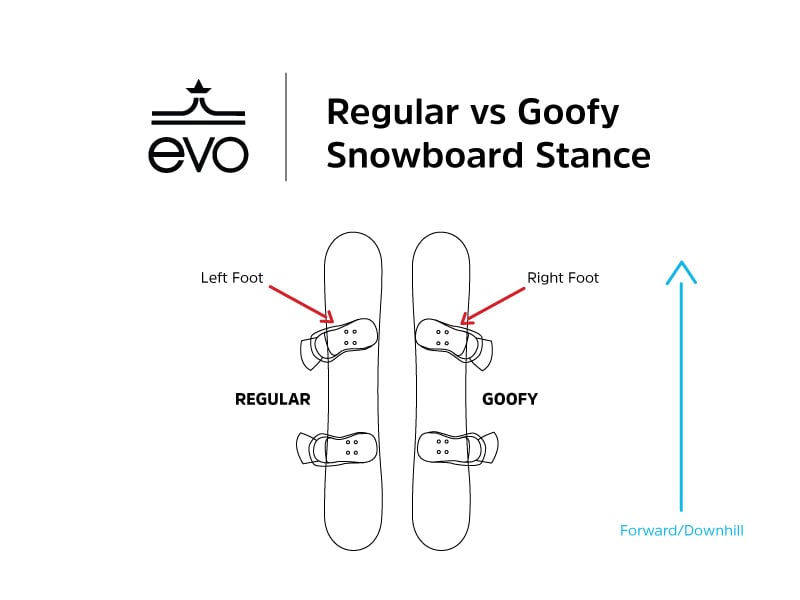
Regular Vs. Goofy Stance
Your stance means which foot you put forward on the board.
- Regular: Left foot in front.
- Goofy: Right foot in front.
To find your stance, imagine you are going to slide on ice in your socks. Which foot do you put in front? That is usually your lead foot.
Parts Of A Snowboard
- Nose: The front of the board.
- Tail: The back of the board.
- Bindings: Where your feet go.
- Edges: The sharp sides that help you turn and stop.
Knowing these terms helps when you take lessons or talk to other snowboarders.
Basic Body Position
Stand with your knees bent, back straight, and arms relaxed. This “athletic stance” keeps you balanced and ready to move. Try practicing this at home before your first day.
Preparing For Your First Day On The Slopes
A little planning makes your first day much smoother.
Choose The Right Resort
Pick a ski area that welcomes beginners. Look for:
- Gentle, wide slopes called “bunny hills”
- Special beginner lift passes
- Group lessons for new snowboarders
Some resorts even offer free “learn to ride” programs. Research your local options before you go.
Dress For The Weather
Layer your clothing so you can add or remove items as needed. Start with a base layer (like thermal underwear), a warm middle layer (sweater or fleece), and a waterproof outer layer (jacket and pants). Always bring extra gloves and socks.
Eat A Good Breakfast
Snowboarding uses a lot of energy. Eat a mix of protein and carbs (like eggs and toast) before you go. Bring snacks like granola bars for quick energy on the mountain.
Beginner mistake: Many new riders skip breakfast or eat only sugar. This can make you tired very fast.
Taking A Snowboarding Lesson
Trying to learn alone is possible, but it is much harder and slower. A professional lesson gives you a safe, fun start.
What To Expect In Your First Lesson
- How to put on your boots and board
- How to skate (move with one foot out)
- Standing up after a fall
- Sliding and stopping on the flat
- Basic turns on a gentle slope
Most lessons last 1–2 hours. Group lessons are cheaper and more social, while private lessons give you more personal attention.
How To Learn Faster
- Listen and watch carefully: Instructors often show moves before you try.
- Ask questions: If you do not understand, say so.
- Take breaks: Rest often to avoid getting tired or frustrated.
Insight: Many beginners think they will “just try it” without a lesson. Most end up frustrated, or worse, with a minor injury. A single lesson can save you hours of struggle.
First Moves: Learning To Slide And Turn
Once you know the basics, you can try simple moves on a gentle slope.
How To Skate
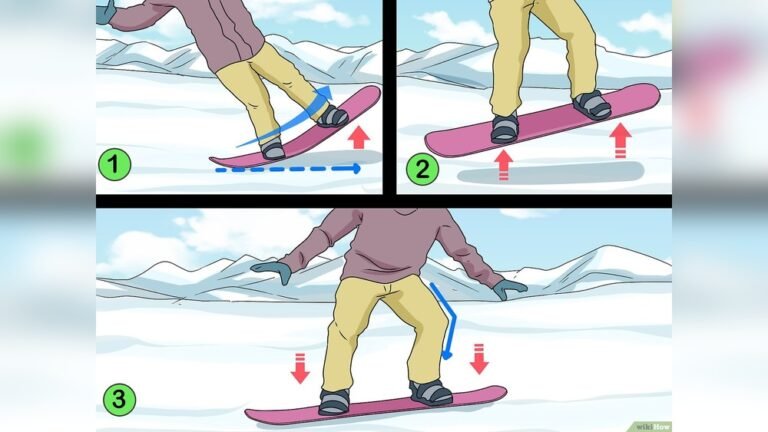
With your front foot strapped in, push yourself forward with your back foot. This is called skating. Practice getting on and off the lift this way, too.
How To Glide
On a flat area, strap in both feet. Keep your knees bent and look where you want to go. Push off gently and let yourself slide.
How To Stop: The Falling Leaf
To stop, dig the uphill edge of your board into the snow. Move slowly across the hill, shifting your weight from heels to toes. This is called the falling leaf. Practice this until you can control your speed easily.
First Turns
When you are ready, try turning gently left and right. Look where you want to go, press gently on your toes or heels, and let the board turn. Start slow and focus on balance.
Safety And Mountain Rules
Snowboarding is fun, but it is important to stay safe and respect others.
Slope Signs And Colors
Most ski areas use colored signs to show slope difficulty:
| Color | Meaning | Who Should Use |
|---|---|---|
| Green Circle | Easy | Beginners |
| Blue Square | Medium | Intermediate |
| Black Diamond | Hard | Experts |
Stick to green slopes until you are very confident turning and stopping.
On-slope Etiquette
- The person in front of you has the right of way.
- Always look uphill before starting.
- Stop at the side, never in the middle of a run.
- Respect all posted signs and closures.
Dealing With Falls
Everyone falls when learning, even advanced riders. Relax your body and try not to stick your arms out (to avoid wrist injuries). Take your time getting up. If you feel pain, rest and ask for help.
Non-obvious tip: Wear wrist guards, especially your first few days. Wrist injuries are the most common beginner snowboarding injury.
Building Skills And Confidence
The more you practice, the faster you improve.
Setting Simple Goals
Start with small, clear goals for each day, such as:
- I will ride the lift without falling.
- I will stop safely every time.
- I will make smooth turns on the beginner slope.
Celebrate each success, no matter how small.
Practice Regularly
Try to ride at least two days in a row if possible. This helps your body remember the moves. If you can only go once a week, review videos or practice balance at home.
Learn From Watching
Watch other snowboarders, especially those who are a little better than you. Notice their body position and movements. Many ski resorts also offer free beginner clinics or videos on their websites.
Common Beginner Mistakes (and How To Avoid Them)
- Leaning back too much: Many beginners lean back, causing the board to slip out. Try to keep your weight centered.
- Stiff body: Relax your shoulders and arms. Tension makes it harder to turn and balance.
- Not looking where you want to go: Look ahead, not down at your feet.
- Wearing the wrong clothes: Cold, wet clothing ruins your day. Always wear waterproof gear.
- Skipping warm-up: Stretch your legs and arms before you start.
- Ignoring weather: Poor visibility or icy slopes are harder for beginners. Pick good days for your first trips.
How Much Does It Cost To Start Snowboarding?
Cost depends on where you live, but here is a typical breakdown:
| Item | Average Cost (USD) |
|---|---|
| Rental Gear (per day) | $30–$50 |
| Lift Ticket (per day) | $40–$100 |
| Lesson (group, per hour) | $30–$70 |
| Food/Snacks | $10–$20 |
| Clothing (if buying) | $200–$400 |
A full first day can cost $100–$200 if you rent everything. Save money by borrowing clothing or looking for beginner packages.
Progressing To The Next Level
Once you can turn and stop easily on green slopes, you are no longer a true beginner. Next steps include:
- Trying small jumps and “fun parks”
- Learning to ride switch (with your other foot forward)
- Practicing on blue slopes
- Taking intermediate lessons
At this stage, many people buy their own gear and start exploring new resorts.
Staying Motivated
Learning to snowboard is not always easy. Expect some falls, tired muscles, and slow days. But remember, every snowboarder was a beginner once. Celebrate small wins, ride with friends, and enjoy the mountain. With practice and patience, you will improve faster than you think.
For more detailed safety tips and snowboarding rules, check resources like Snowsports Industries America.

Frequently Asked Questions
How Long Does It Take To Learn To Snowboard?
Most people can slide and stop after one day. Making turns takes 2–3 days of practice. After a week, you should be able to ride most beginner slopes confidently.
What Should I Wear For My First Snowboarding Lesson?
Wear waterproof pants, jacket, gloves, and thick socks. Bring a helmet if you have one. Do not wear jeans or cotton shirts, as they get wet and cold quickly.
Is Snowboarding Dangerous For Beginners?
Snowboarding is safe if you wear a helmet, follow the rules, and take lessons. Most injuries are minor, like bruises or sore muscles. Wrist guards help prevent common beginner injuries.
Do I Need To Be Very Fit To Start Snowboarding?
You do not need to be an athlete, but basic fitness helps. If you can walk up stairs and squat down, you are fit enough to begin.
How Can I Improve Faster As A Beginner?
Take a lesson, practice regularly, and set small goals. Watching video tutorials and riding with friends also helps you learn new skills.
Snowboarding is a sport that welcomes all ages and backgrounds. With the right approach, you can go from total beginner to confident rider in just a few days. The mountain is waiting—grab your board and start your adventure!
